

How to Buy Bitcoin Crypto with a Debit Card

To buy Bitcoin with a debit card, you typically choose a reputable crypto platform, verify your identity, add your card, place a buy order, and then move your Bitcoin to a wallet you control if you want more custody control.
Contents
33 sections
-
How buying Bitcoin with a debit card works
-
Debit card purchase vs bank transfer: what changes
-
Buy Bitcoin with a debit card: step-by-step
-
1) Pick a platform that supports debit cards in your location
-
2) Create an account and complete identity verification
-
3) Add your debit card
-
4) Review fees, spread, and the exchange rate
-
5) Place the buy order
-
6) Decide where to keep your Bitcoin
-
Comparing debit-card-friendly platforms (named examples)
-
Decision rule: broker-style buy vs advanced trading
-
Fees and limits: what to check before you tap "Buy"
-
Fee checklist
-
Small-buy math example (real numbers)
-
Safety steps that matter when using a debit card
-
Account security checklist
-
What to do if a transaction looks wrong
-
Where to store Bitcoin after you buy
-
Custodial vs self-custody: quick comparison
-
Decision rule: when to consider moving BTC off the exchange
-
Budgeting examples: what buying Bitcoin could look like with real numbers
-
Example 1: Starter approach with $500 available
-
Example 2: Balanced approach with $2,000 available
-
Example 3: Higher-risk approach with $10,000 available
-
Timeline rules: how time horizon can guide your approach
-
Common problems when buying Bitcoin with a debit card (and fixes)
-
Your bank declines the transaction
-
Your purchase limit is too low
-
You cannot withdraw your Bitcoin right away
-
Taxes and records: what to track from day one
-
A practical pre-buy checklist
-
How to spot crypto scams tied to debit card purchases
-
Bottom line
How buying Bitcoin with a debit card works
When you use a debit card, you are usually making an instant card purchase. The platform either sells you Bitcoin directly (as a broker) or routes the purchase through a payment processor and then credits Bitcoin to your account. Compared with a bank transfer (ACH) or wire, debit card purchases can be faster but often cost more and may come with lower limits.
Debit card purchase vs bank transfer: what changes
| Method | Typical speed | Typical cost | Common limits | Main tradeoff |
|---|---|---|---|---|
| Debit card | Minutes | Often higher fees and/or wider spread | Often lower daily or weekly limits | Convenience costs more |
| ACH bank transfer | Same day to a few days | Often lower fees | Often higher limits after verification | Slower funding and possible holding period |
| Wire transfer | Same day (bank dependent) | Bank wire fees may apply | Higher limits for larger purchases | More steps and bank fees |
Buy Bitcoin with a debit card: step-by-step
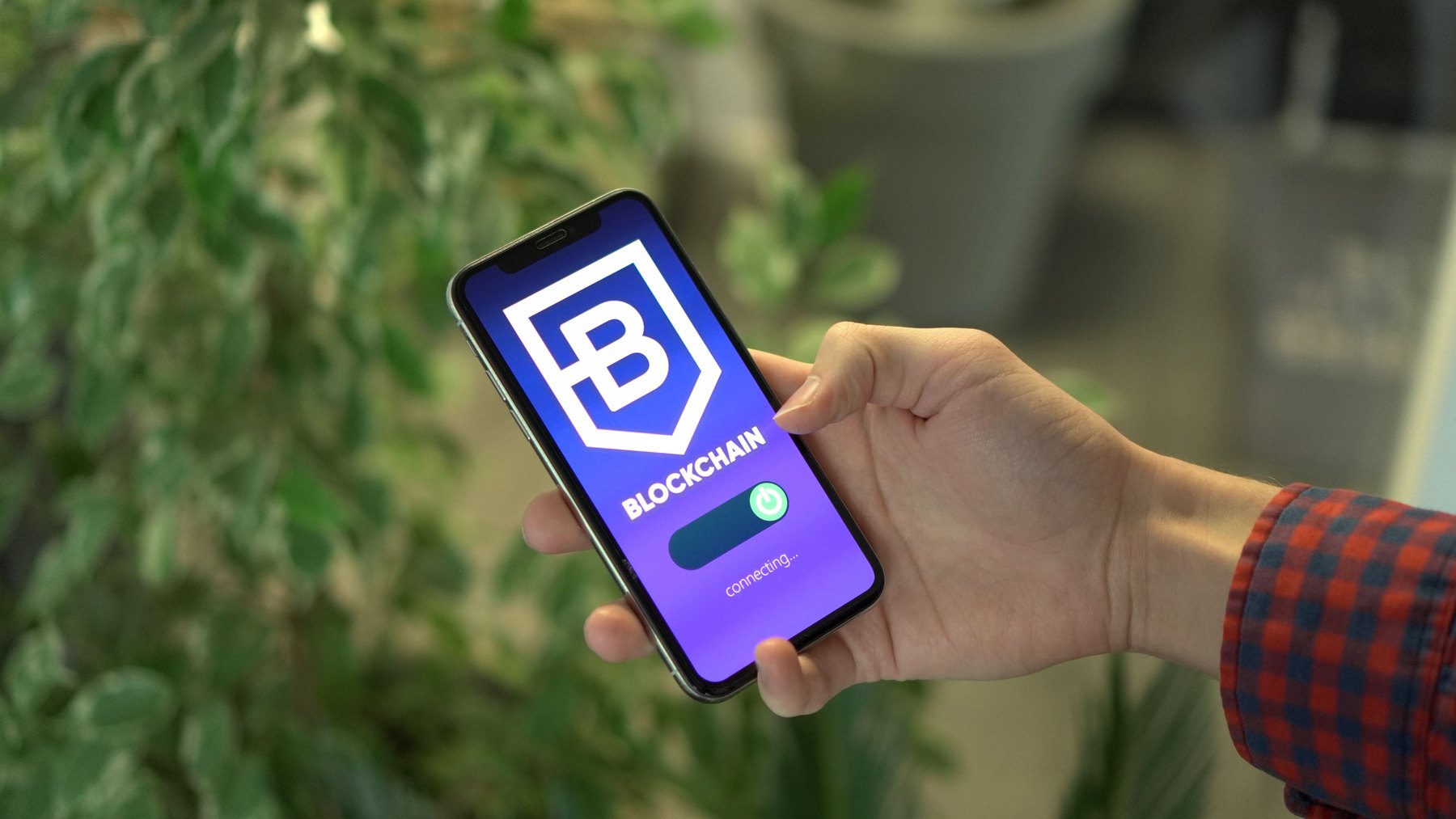
The exact screens vary, but the workflow is usually similar across major platforms.
1) Pick a platform that supports debit cards in your location
Start by confirming the platform supports debit card purchases where you live and that it serves your state or country. Availability can change, and some platforms restrict certain card types or issuers.
2) Create an account and complete identity verification
Most regulated platforms require identity verification before you can buy. You may be asked for:
- Legal name, address, and date of birth
- A government-issued ID (driver’s license or passport)
- A selfie or short video to match your ID
- Social Security number (US) or similar identifier
3) Add your debit card
In the payment methods section, add your debit card details. Some platforms run a small authorization check. Make sure your billing address matches what your bank has on file.
4) Review fees, spread, and the exchange rate
Debit card purchases can include multiple cost layers:
- Platform fee (flat or percentage)
- Spread (difference between market price and your quoted price)
- Network fee if you withdraw Bitcoin to an external wallet
- Bank or card issuer restrictions (some banks decline crypto purchases)
5) Place the buy order
Choose Bitcoin (BTC), enter the dollar amount, and confirm. Many apps show a preview with the total cost and estimated BTC you will receive.
6) Decide where to keep your Bitcoin
After purchase, your BTC is usually held in your platform account by default. If you want more control, you can withdraw to a wallet you control. That step can involve additional verification and a blockchain network fee.
Comparing debit-card-friendly platforms (named examples)
Below are well-known options that often support debit cards in at least some regions. Features, fees, and availability can change, so verify the current terms inside each app before you buy.
| Option | Best fit | What to compare | Main drawback |
|---|---|---|---|
| Coinbase | Beginners who want a simple interface | Debit card fees, spread, withdrawal fees, account security tools | Convenience pricing can be higher than advanced trading |
| Kraken | Users who want strong security controls and trading tools | Card purchase availability, fee schedule, withdrawal limits | Debit card support and flow can vary by region |
| Crypto.com | Mobile-first users who want an all-in-one crypto app | Card fees, spread, withdrawal fees, lockups if using earn features | Pricing can be less transparent due to spread |
| Binance.US | US users comparing trading costs and features | Debit card availability, fees, supported states, withdrawal rules | Not available in every state and features can be limited |
| Gemini | Users who value a regulated US exchange experience | Debit card support, fee tiers, custody options, withdrawal fees | Fees can be higher depending on the interface used |
Decision rule: broker-style buy vs advanced trading
- If you want the simplest checkout, you may accept higher all-in costs.
- If you plan to buy repeatedly or in larger amounts, compare the platform’s advanced trading fees and whether you can fund with ACH instead of debit.
Fees and limits: what to check before you tap “Buy”
Debit card purchases are convenient, but the details matter. Before you confirm, look for these items on the preview screen and in the fee schedule.
Fee checklist
| Cost item | Where it shows up | Why it matters | What to do |
|---|---|---|---|
| Card purchase fee | Checkout preview or fee page | Directly reduces how much BTC you receive | Compare across platforms and consider ACH for larger buys |
| Spread | Quoted price vs market price | Can be a hidden cost, especially on simple buy screens | Compare the quoted BTC price to a live market price |
| Withdrawal (network) fee | When sending BTC to a wallet | Can be meaningful for small purchases | Batch withdrawals or wait until you have a larger amount |
| Minimum purchase and limits | Account limits page | May block your intended purchase size | Verify daily and weekly limits before funding |
| Bank declines or cash-advance coding | At the bank level | Some issuers restrict crypto buys | Call your bank if transactions are declined |
Small-buy math example (real numbers)
Suppose you want to buy $200 of Bitcoin using a debit card.
- Platform fee: 3% (example) = $6
- Estimated spread impact: 0.5% (example) = about $1
- Total effective cost: about $7
- Approximate BTC value credited: about $193 worth (before any later withdrawal fee)
Those percentages vary by platform and market conditions, but the decision rule is consistent: the smaller the purchase, the more a flat or high percentage fee matters.
Safety steps that matter when using a debit card
Debit cards pull money directly from your bank account. That makes it especially important to reduce the chance of unauthorized access and to keep your crypto account secure.
Account security checklist
- Use strong two-factor authentication (2FA). An authenticator app is generally stronger than SMS.
- Turn on withdrawal allowlists if the platform offers them, so withdrawals can only go to approved addresses.
- Use a unique password and a password manager.
- Watch for phishing. Type the site URL yourself and avoid “support” links from unsolicited emails or texts.
- Set up account alerts for logins, password changes, and withdrawals.
What to do if a transaction looks wrong
- Lock your card in your banking app if available.
- Change your crypto account password and review security settings.
- Contact the platform support through the official app or website.
- Review guidance on avoiding and reporting scams at the FTC Consumer Advice site.
Where to store Bitcoin after you buy
After you buy, you have two main storage choices: keep Bitcoin on the platform (custodial) or move it to a wallet you control (self-custody). The best fit depends on how often you transact, your comfort with security steps, and whether you can safely store backup recovery phrases.
Custodial vs self-custody: quick comparison
| Storage choice | Best for | Upside | Downside |
|---|---|---|---|
| Leave BTC on an exchange | New users, small amounts, frequent trading | Easier logins and recovery, simpler to sell | Counterparty risk and account takeover risk |
| Software wallet (mobile/desktop) | Users who want control and moderate security | You control the keys, faster access than hardware | Device malware risk, recovery phrase must be protected |
| Hardware wallet | Long-term holders and larger balances | Strong security when used correctly | Costs money and requires careful setup and backups |
Decision rule: when to consider moving BTC off the exchange
- If your Bitcoin balance is more than you would feel comfortable losing in a worst-case scenario, consider self-custody.
- If you plan to hold for years and rarely trade, a hardware wallet may be worth comparing.
- If you are still learning, keeping a smaller amount on-platform while you practice wallet basics can reduce mistakes.
Budgeting examples: what buying Bitcoin could look like with real numbers
Bitcoin’s price can swing sharply. Many people treat it as a high-volatility part of their finances and keep core bills, emergency savings, and near-term goals in more stable places. Below are example allocations to illustrate how someone might size a purchase without crowding out essentials.
Example 1: Starter approach with $500 available
- $350 to emergency savings or upcoming bills
- $100 to pay down high-interest debt (if any)
- $50 to Bitcoin (high-volatility bucket)
Total: $500
Example 2: Balanced approach with $2,000 available
- $1,200 to emergency fund or sinking funds (car repair, insurance)
- $500 to debt payoff or retirement contribution
- $300 to Bitcoin
Total: $2,000
Example 3: Higher-risk approach with $10,000 available
- $6,000 to emergency fund and near-term goals
- $2,500 to diversified long-term investing or debt payoff
- $1,500 to Bitcoin
Total: $10,000
Timeline rules: how time horizon can guide your approach
- Under 1 year: Consider keeping money for rent, tuition, taxes, or a planned purchase in cash or cash-like accounts. A sudden dip can disrupt short-term plans.
- 1 to 3 years: If you buy, consider keeping the allocation smaller and avoid depending on it for a specific goal date.
- 3 to 7 years: If you can tolerate volatility, you may choose a modest allocation and focus on consistent contributions rather than timing the market.
- 7+ years: Long horizons can give more time to ride out downturns, but risk management still matters. Consider how you would handle a large drawdown without selling in panic.
Common problems when buying Bitcoin with a debit card (and fixes)
Your bank declines the transaction
- Try a different platform that uses a different payment processor.
- Call your bank to ask whether crypto purchases are blocked.
- Consider ACH funding if you want fewer card-related declines.
Your purchase limit is too low
- Complete additional verification steps if offered.
- Use smaller purchases over time if that fits your plan.
- Compare ACH or wire options for larger buys.
You cannot withdraw your Bitcoin right away
Some platforms apply a holding period for risk control, especially for certain funding methods or new accounts. Check the platform’s withdrawal policy and plan around it if you need to move BTC to a wallet.
Taxes and records: what to track from day one
In the US, crypto is generally treated as property for tax purposes, and selling or exchanging can create a taxable event. Keep records of:
- Date and time of each buy
- Dollar amount spent and fees
- Amount of BTC received
- Date and value when you sell, trade, or spend
For official guidance and updates, review the IRS crypto resources at IRS Virtual Currencies.
A practical pre-buy checklist
- Confirm your budget: bills, emergency fund, and near-term goals are covered.
- Compare at least two platforms for total cost: fee plus spread plus withdrawal fee.
- Turn on 2FA before funding your account.
- Start with a test purchase and a small test withdrawal if you plan to self-custody.
- Save your transaction confirmations and export trade history periodically.
How to spot crypto scams tied to debit card purchases
Scammers often push urgency and “guaranteed” returns, then direct you to buy crypto with a card and send it to their wallet. A few patterns to watch for:
- Someone you met online asks you to buy Bitcoin and send it to “unlock” a job, prize, or relationship.
- A fake support agent tells you to move funds to a “safe wallet” they control.
- An investment group promises consistent returns and pressures you to act today.
If you want more detail on common fraud tactics and reporting steps, see the FTC scams guidance and the CFPB for consumer finance resources.
Bottom line
Using a debit card can be one of the fastest ways to buy Bitcoin, but it is rarely the cheapest. Compare the total cost (fees plus spread), confirm limits and withdrawal rules, secure your account before you fund it, and decide in advance whether you will keep Bitcoin on the platform or move it to a wallet you control.


