

Crypto Crash Bitcoin Prices: What It Means for Your Money and Debt

Crypto crash bitcoin prices can feel like a sudden hit to your net worth, your plans, and even your ability to pay bills if you were relying on crypto gains or using credit to buy coins.
Contents
24 sections
-
What a crypto crash is (and what it is not)
-
Why crypto crash bitcoin prices happens
-
Immediate steps if you are exposed: a 30-minute triage
-
How to decide what to do based on your timeline
-
Under 1 year: protect cash flow first
-
1 to 3 years: reduce the chance of forced selling
-
3 to 7 years: focus on diversification and debt strategy
-
7+ years: plan for volatility and avoid leverage
-
Borrowing during a crash: what to avoid and what to compare
-
Red flags that borrowing is likely to backfire
-
What to compare if you do borrow
-
Comparison table: common options people consider in a crypto downturn
-
Two checklists to protect yourself during volatility
-
Checklist 1: platform and custody risk
-
Checklist 2: debt and cash flow stress test
-
What this looks like with real numbers: 3 sample allocations
-
Scenario A: You have $5,000 total savings and $1,200 monthly essentials
-
Scenario B: You have $20,000 and want a home down payment in 2 years
-
Scenario C: You have $100,000, stable income, and a 10+ year horizon
-
Taxes and records: don't create a second problem
-
Protecting your credit if a crash affects your budget
-
Decision rules you can write down and follow
-
Common mistakes people make during crypto drawdowns
-
Bottom line: build a plan that works even if prices fall again
This guide breaks down what typically drives sharp drops, how to stress test your budget, and how to make safer borrowing and repayment decisions when markets are volatile. You will also see concrete number examples and checklists you can use right away.
What a crypto crash is (and what it is not)
A “crypto crash” usually means a fast, steep decline in major crypto assets like Bitcoin and Ethereum, often paired with higher volatility and forced selling. The key point is that crypto prices can move far more than most traditional assets in short periods. That can create real-world problems if:
- You used debt to buy crypto.
- You planned to sell crypto soon to pay for a car, rent, tuition, or taxes.
- Your emergency fund is too small and you were counting on investments as a backup.
- You hold crypto on a platform that pauses withdrawals during stress.
A crash is not automatically the end of crypto, and it is not automatically a buying opportunity either. The practical question is how the price move affects your cash flow, your debt payments, and your timeline.
Why crypto crash bitcoin prices happens
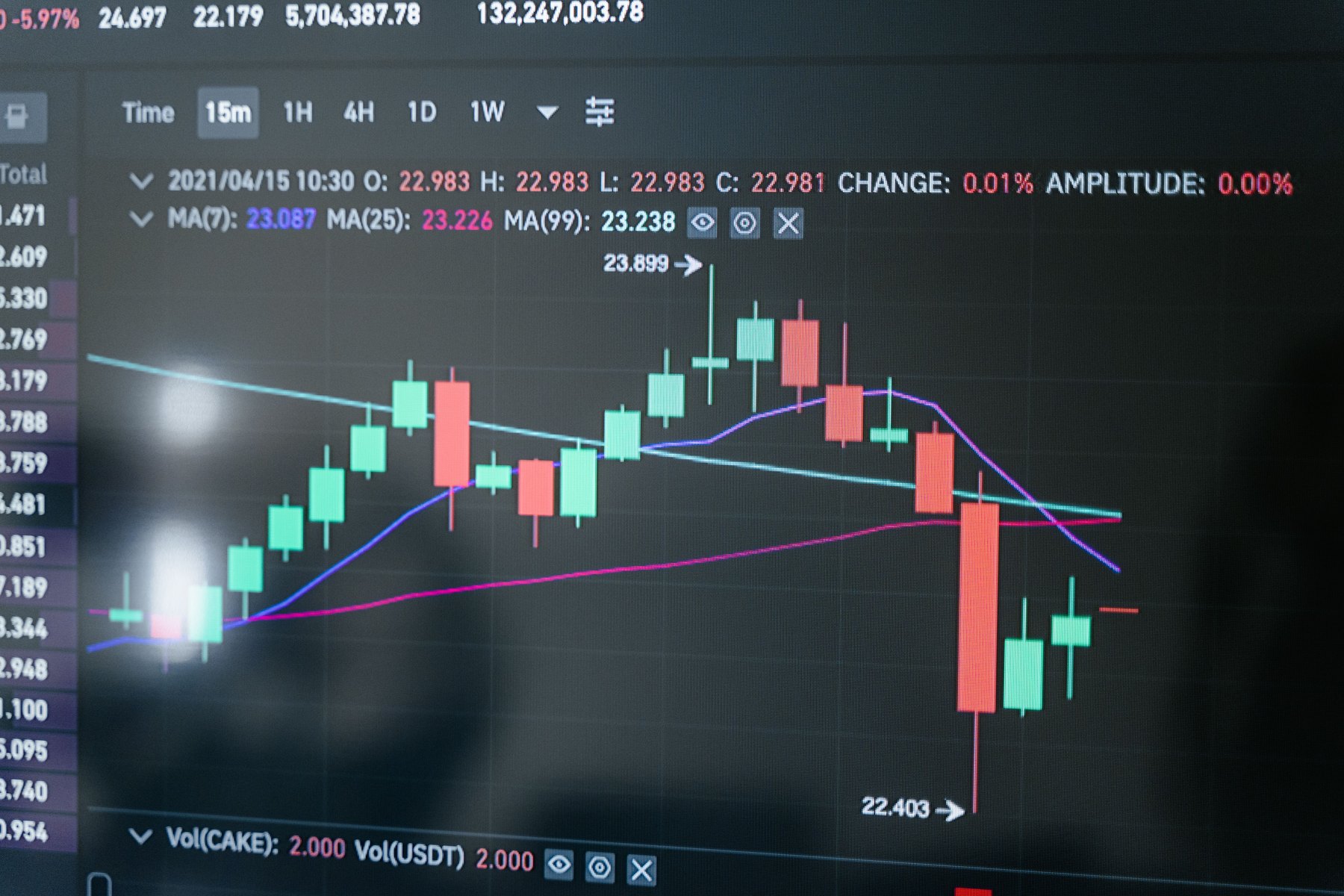
Bitcoin and other crypto assets can drop for many reasons at once. Common drivers include:
- Liquidity and leverage unwinding – margin calls, liquidations, and forced selling can accelerate declines.
- Risk-off markets – when investors get nervous, they often move into cash and short-term Treasuries and away from volatile assets.
- Interest rate expectations – higher rates can reduce appetite for speculative investments.
- Regulatory news – enforcement actions, new rules, or restrictions can change demand quickly.
- Exchange or stablecoin stress – platform outages, withdrawal limits, or stablecoin de-pegs can trigger panic.
- Security incidents – hacks, exploits, or lost funds can shake confidence.
In plain terms: crypto is sensitive to both investor mood and the plumbing of trading platforms. That is why a “normal” bad week in crypto can look like a crisis compared with other markets.
Immediate steps if you are exposed: a 30-minute triage
If prices are falling fast, focus on actions that protect your monthly budget first. Use this quick triage:
- List the next 30 days of bills: rent or mortgage, utilities, insurance, minimum debt payments, childcare, transportation.
- Check cash on hand: checking, savings, money market. Do not count crypto as “cash” for this step.
- Identify any debt tied to crypto: credit cards used to buy crypto, personal loans, margin loans, crypto-backed loans.
- Stop adding leverage: pause new borrowing to invest until you can cover essentials comfortably.
- Set a rule for selling: if you need money within weeks or months, decide what portion you will convert to cash to meet obligations.
If you are worried about scams during volatile periods, the FTC has practical guidance on spotting and avoiding fraud: https://consumer.ftc.gov/.
How to decide what to do based on your timeline
Timeline is one of the simplest decision rules in personal finance. The shorter the timeline, the less room you have for volatility.
Under 1 year: protect cash flow first
- Prioritize cash for known expenses and an emergency buffer.
- Avoid using credit cards or personal loans to “average down.”
- If you must sell to fund a near-term expense, plan the sale and transfer time. Some platforms can be slow during stress.
1 to 3 years: reduce the chance of forced selling
- Build a larger cash reserve so you are not forced to sell during a drawdown.
- Consider limiting crypto to a smaller “volatile bucket” if you have goals like a home down payment.
3 to 7 years: focus on diversification and debt strategy
- Review your mix of assets and avoid concentrating too much in one coin or one platform.
- Pay attention to high-interest debt. A guaranteed 20% APR cost is often harder to overcome than market volatility.
7+ years: plan for volatility and avoid leverage
- Long timelines can handle drawdowns better, but only if you are not using borrowed money and you can keep investing steadily.
- Use a written rebalancing rule so decisions are not driven by panic.
Borrowing during a crash: what to avoid and what to compare
When crypto drops, some people try to borrow to cover losses, avoid selling, or pay bills. Borrowing can be useful for short-term cash flow gaps, but it can also turn a market loss into long-term debt.
Red flags that borrowing is likely to backfire
- You would use the loan to buy more crypto or to “win back” losses.
- You can only afford the payment if prices rebound soon.
- You are already carrying credit card balances at high APR.
- You are considering a loan with unclear fees, prepayment penalties, or variable terms you do not understand.
What to compare if you do borrow
- APR (interest plus many fees expressed annually)
- Origination fees and other upfront costs
- Repayment term and monthly payment
- Collateral risk (especially for crypto-backed loans)
- Prepayment policy if you plan to pay early
Comparison table: common options people consider in a crypto downturn
| Option (example) | Best fit | What to compare | Main drawback |
|---|---|---|---|
| Credit card (Visa, Mastercard, Amex) | Very short-term gap you can repay quickly | APR after any promo, balance transfer fee, payoff timeline | High ongoing APR if you cannot pay fast |
| Personal loan (SoFi, LightStream, Discover) | Debt consolidation or fixed payments over time | APR, origination fee, term length, total interest | Interest cost and potential fees if used to invest |
| Home equity (HELOC from Bank of America, Wells Fargo) | Homeowners with strong cash flow and a clear plan | Variable rate, draw period, closing costs, payment changes | Your home is collateral if you cannot repay |
| 401(k) loan (plan-administered) | Workers with stable jobs who can repay via payroll | Loan limits, fees, repayment rules if you leave your job | Job change can trigger fast repayment; opportunity cost |
| Crypto-backed loan (Coinbase, Nexo) | Experienced users who understand liquidation risk | LTV, margin call rules, interest rate, platform risk | Collateral can be liquidated if prices fall further |
| Sell crypto and hold cash (FDIC-insured bank account) | Near-term expenses and emergency fund needs | Transfer time, tax impact, bank account yield | Locks in losses if you sell after a drop |
Named examples above are recognizable options, not a fit for everyone. Always compare total cost, repayment flexibility, and worst-case outcomes.
Two checklists to protect yourself during volatility
Checklist 1: platform and custody risk
| Question | Why it matters | Action if “no” |
|---|---|---|
| Can you withdraw to your bank within a few days? | Delays can create missed bill payments | Keep more cash in a bank for near-term needs |
| Do you understand the difference between exchange custody and self-custody? | Custody affects control and recovery options | Learn the basics and reduce complexity |
| Are you relying on a stablecoin as “cash”? | Stablecoins can deviate from their peg | Limit exposure for bill money; keep bank cash |
| Do you have 2FA enabled and recovery info secured? | Account takeovers rise during hype and panic | Enable 2FA and update security settings |
Checklist 2: debt and cash flow stress test
| Item | Target | If you are below target |
|---|---|---|
| Emergency fund | 3 to 6 months of essential expenses (often more if income is variable) | Pause speculative investing and build cash reserves |
| Credit utilization | Lower is generally better for flexibility | Pay down revolving balances and avoid new charges |
| High-interest debt | Plan to reduce balances with the highest APR first | Consider consolidation only if total cost is lower |
| Payment buffer | At least one month of payments in cash | Cut discretionary spending temporarily |
What this looks like with real numbers: 3 sample allocations
These examples show how someone might allocate money after a crypto drop. The goal is not to predict prices. The goal is to reduce the chance that volatility forces bad debt decisions.
Scenario A: You have $5,000 total savings and $1,200 monthly essentials
- $3,600 emergency fund (3 months essentials)
- $900 debt payoff (highest APR first, even small extra payments help)
- $500 “volatile bucket” (crypto or other high-risk assets)
Total: $5,000
Decision rule: if your emergency fund is under 3 months, keep the volatile bucket small (often 0% to 10%) until the buffer is built.
Scenario B: You have $20,000 and want a home down payment in 2 years
- $14,000 down payment savings in cash or cash equivalents
- $4,000 emergency fund top-up
- $2,000 long-term investing (including a limited crypto slice if desired)
Total: $20,000
Decision rule: money needed within 1 to 3 years should not depend on a rebound. Keep it in places designed for stability, not maximum upside.
Scenario C: You have $100,000, stable income, and a 10+ year horizon
- $18,000 emergency fund (assume $3,000 essentials x 6 months)
- $12,000 near-term goals (car repairs, travel, known expenses)
- $60,000 diversified long-term investments
- $10,000 volatile bucket (up to 10% in crypto if it fits your risk tolerance)
Total: $100,000
Decision rule: set a maximum percent for volatile assets and rebalance back to that target periodically, instead of reacting to headlines.
Taxes and records: don’t create a second problem
Crypto selling and swapping can create taxable events. If you sell during a crash, you may realize capital losses, which can be useful in some situations, but the rules can be detailed. Keep clean records of buys, sells, transfers, and fees. For general tax information, start with the IRS crypto resources: https://www.irs.gov/.
Protecting your credit if a crash affects your budget
If a downturn makes it harder to pay bills, protecting your credit can preserve future borrowing options and reduce costs.
- Prioritize on-time payments for essentials and minimums on debts.
- Contact lenders early if you may miss a payment. Ask about hardship options or modified payment plans.
- Check your credit reports for errors and track changes. You can get free reports at: https://www.annualcreditreport.com/.
- Avoid “credit repair” scams that promise fast fixes.
If you are dealing with debt collection or payment disputes, the CFPB has tools and explanations that can help you understand your rights and next steps: https://www.consumerfinance.gov/.
Decision rules you can write down and follow
Volatility is when rules matter most. Consider adopting a few simple ones:
- No borrowed money to buy crypto: if you cannot buy it with cash after bills and savings goals, you cannot afford the risk.
- Emergency fund before speculation: build 3 to 6 months of essentials first.
- Match money to timeline: under 1 year stays in stable vehicles; 7+ years can take more risk.
- Cap your volatile bucket: choose a max percentage (for example 0% to 10% for many households) and rebalance to it.
- One platform is not a plan: avoid concentrating all holdings on a single exchange or in a single asset.
Common mistakes people make during crypto drawdowns
- Turning paper losses into debt by using credit cards, BNPL, or personal loans to keep investing.
- Ignoring fees and transfer times when they need cash quickly.
- Chasing yield in products they do not understand (especially when terms can change fast).
- Not planning for taxes after selling, swapping, or earning rewards.
- Letting one asset dominate their net worth and emotional bandwidth.
Bottom line: build a plan that works even if prices fall again
A crypto crash is stressful, but it can also be a prompt to strengthen your financial foundation. Focus on cash flow, reduce high-cost debt, and set timeline-based rules. If you choose to keep crypto exposure, keep it sized so you can hold through volatility without missing payments or borrowing to stay afloat.


