

Crypto That Will Boom in 2025: Fastest Growing Trending Cryptocurrencies to Watch

Crypto that will boom in 2025 is a popular search because investors want growth, but crypto prices can move fast in both directions and narratives change quickly.
Contents
30 sections
-
What "fastest growing" really means in crypto
-
Crypto that will boom in 2025: a practical watchlist (with what to compare)
-
How to use this list
-
Trends that could drive 2025 crypto narratives
-
1) Ethereum scaling (Layer 2 growth)
-
2) Tokenization and real-world assets (RWA)
-
3) Infrastructure and "middleware"
-
4) Consumer apps and high-throughput chains
-
Before you buy: a risk checklist that actually prevents mistakes
-
How to compare exchanges and brokers (named options)
-
Decision rules for choosing a place to buy
-
What this looks like with real numbers: 3 sample allocations
-
Sample allocation A: $1,000 starter portfolio (learning-first)
-
Sample allocation B: $10,000 moderate-risk crypto sleeve (core plus themes)
-
Sample allocation C: $50,000 high-volatility sleeve (only if you can tolerate big swings)
-
Timeline decision rules: under 1 year, 1 to 3 years, 3 to 7 years, 7+ years
-
Under 1 year
-
1 to 3 years
-
3 to 7 years
-
7+ years
-
Borrowing to buy crypto: why it often backfires
-
A simple stress test
-
Taxes, records, and reporting basics
-
Security steps that matter more than picking the perfect coin
-
If crypto losses are pushing you toward debt, do this first
-
Quick decision framework: how to pick "trending" coins without chasing hype
-
Step 1: Choose your bucket
-
Step 2: Set a max allocation and a max loss
-
Step 3: Require evidence before adding
-
Step 4: Plan your exit and rebalancing
Instead of trying to predict a single winner, this guide shows how to evaluate the fastest growing and trending cryptocurrencies using practical decision rules, risk checks, and example allocations with real numbers. You will also see named examples of major networks and platforms people commonly research, along with what to compare before you buy.
What “fastest growing” really means in crypto
In crypto, “fastest growing” can mean different things. Before you put money at risk, decide which type of growth you care about and how you will measure it.
- Price growth: A coin’s market price rises. This is the headline metric, but it is also the noisiest.
- User growth: More active addresses, more transactions, more wallets, more app usage.
- Developer growth: More code commits, more apps, more audits, more tooling.
- Revenue and fees: Networks with sustainable fee demand may be more resilient than pure hype cycles.
- Liquidity growth: More exchange listings, deeper order books, more stable trading volume.
A coin can look “trending” because it is pumping on social media, even if usage is flat. For a 2025 watchlist, it helps to separate short-term momentum from longer-term adoption.
Crypto that will boom in 2025: a practical watchlist (with what to compare)
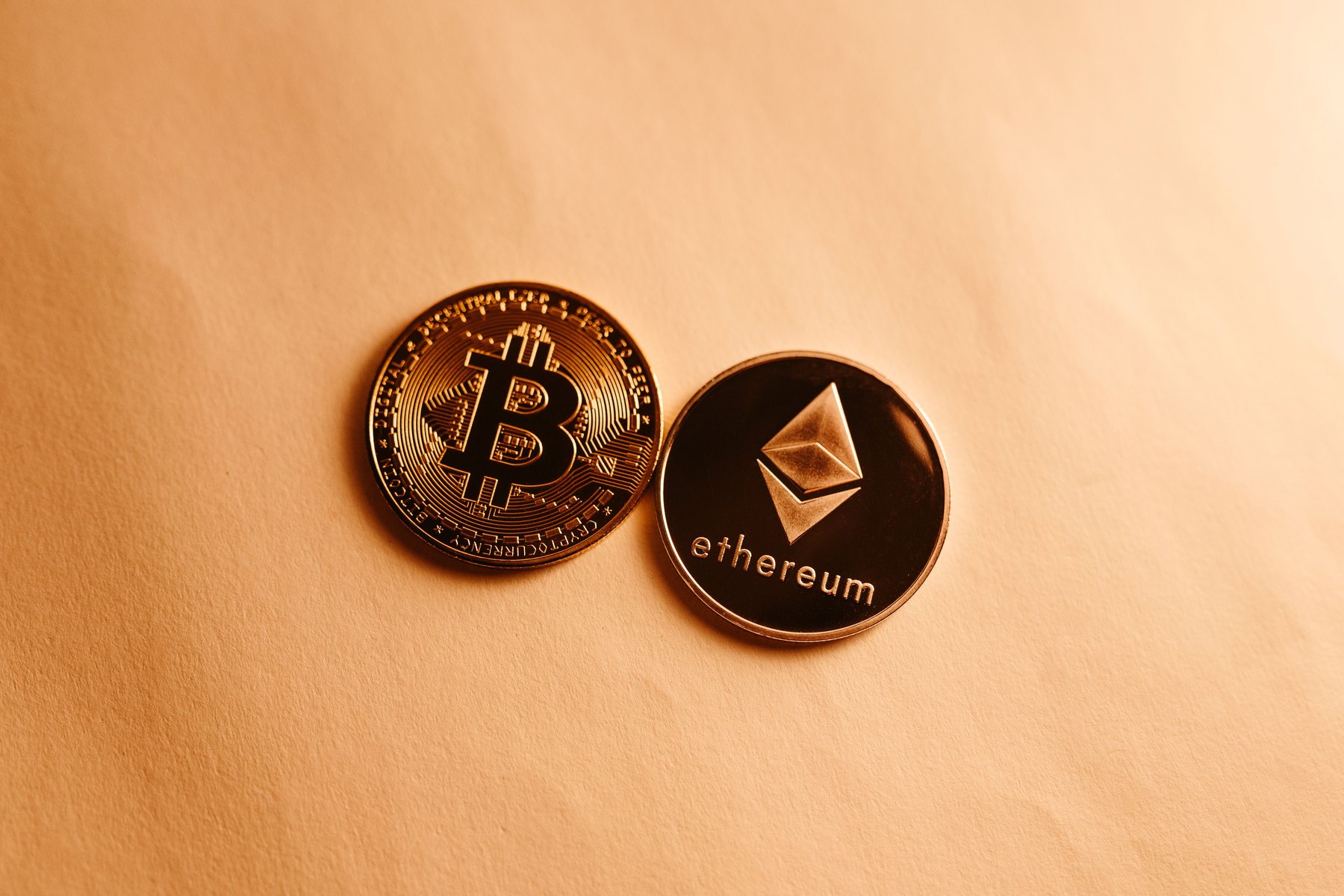
No list can guarantee future performance. The goal here is to highlight widely followed networks and themes that investors commonly track going into 2025, plus what to verify before buying.
| Option (named example) | Best fit | What to compare | Main drawback |
|---|---|---|---|
| Bitcoin (BTC) | Long-term, “store of value” thesis | Custody method, fees to buy and withdraw, tax tracking | Volatility and drawdowns can be severe |
| Ethereum (ETH) | Core smart contract exposure | Network fees, L2 ecosystem usage, staking terms and risks | Fees can spike; ecosystem complexity |
| Solana (SOL) | High-throughput apps and consumer crypto | Network stability, validator distribution, app traction | Operational and ecosystem concentration risks |
| Chainlink (LINK) | Infrastructure bet on data and oracles | Adoption by DeFi and real-world asset projects, token utility | Value capture can be hard to model |
| Polygon (POL, formerly MATIC) | Scaling and app ecosystems | Roadmap execution, chain usage, token migration details | Competition among scaling solutions |
| Arbitrum (ARB) | Ethereum Layer 2 growth | TVL trends, sequencer decentralization plans, governance | Token value may not track network usage |
| Optimism (OP) | Layer 2 and “superchain” thesis | App growth, fee economics, governance and incentives | Incentive-driven activity can fade |
| Avalanche (AVAX) | App-specific chains and tokenization themes | Subnets usage, partnerships, validator economics | Adoption can be uneven across cycles |
How to use this list
- Pick 1 to 2 “core” assets you understand (often BTC and or ETH).
- Add 1 to 3 “theme” positions (Layer 2s, infrastructure, high-throughput chains).
- Keep any smaller, newer tokens as a limited “speculative” slice with a preset max loss you can tolerate.
Trends that could drive 2025 crypto narratives
Crypto markets often move in waves. A token can rally because its theme is hot, not because fundamentals changed. Here are common themes that may matter in 2025 and what to check for each.
1) Ethereum scaling (Layer 2 growth)
Layer 2 networks such as Arbitrum and Optimism aim to reduce costs and increase throughput while settling to Ethereum. If user activity continues shifting to L2s, the “picks and shovels” may include L2 tokens, major apps, and infrastructure.
- Check: daily active users, fees, bridge security, decentralization roadmap.
- Decision rule: if you cannot explain how the L2 works at a high level, keep position sizing small.
2) Tokenization and real-world assets (RWA)
Some projects focus on bringing traditional assets on-chain. The opportunity is bigger markets and new settlement rails. The risk is regulatory complexity and reliance on off-chain partners.
- Check: who the custodians are, what jurisdictions apply, what happens in a dispute.
- Decision rule: favor projects with clear disclosures and reputable counterparties.
3) Infrastructure and “middleware”
Oracles, indexing, interoperability, and developer tooling can benefit if the whole ecosystem grows. Chainlink is a widely recognized example in the oracle category.
- Check: integrations, security track record, and whether token demand is tied to usage.
4) Consumer apps and high-throughput chains
Networks like Solana often attract consumer-facing apps because of speed and lower fees. The upside is user growth. The risk is that app booms can be cyclical, and network issues can hurt confidence.
- Check: network uptime history, validator distribution, and whether usage is organic or incentive-driven.
Before you buy: a risk checklist that actually prevents mistakes
Most painful crypto losses come from position sizing, leverage, scams, or custody mistakes, not from picking the “wrong” top-10 coin. Use this checklist before you place a trade.
| Risk area | What to verify | Red flags | Safer move |
|---|---|---|---|
| Custody | Where coins will be held (exchange, hardware wallet, multisig) | Sharing seed phrase, storing it in email or screenshots | Use a hardware wallet for long-term holdings; back up seed offline |
| Liquidity | Trading volume and spread on your chosen venue | Thin order books, huge slippage | Stick to liquid assets for larger buys |
| Token supply | Unlock schedule and concentration | Large unlocks soon; insiders hold most supply | Size smaller or wait until after major unlocks |
| Smart contract risk | Audits, bug bounties, time in market | Unaudited contracts, anonymous teams for complex protocols | Prefer battle-tested protocols; diversify |
| Leverage | Whether you are borrowing to invest | Margin calls, liquidation risk | Avoid leverage if you cannot afford a fast 50% drawdown |
| Scams | Links, airdrops, DMs, fake support | “Connect wallet” pressure, urgent countdowns | Type URLs manually; verify official channels |
How to compare exchanges and brokers (named options)
Where you buy matters because fees, spreads, custody options, and available assets vary. Here are recognizable U.S.-facing examples people often compare. Availability and features can change, so verify what is offered where you live.
- Coinbase: often chosen for ease of use and broad access. Compare trading fees, spreads, and withdrawal costs.
- Kraken: known for a long operating history and advanced trading tools. Compare fee tiers and staking availability.
- Gemini: often compared for security posture and compliance focus. Compare fees and coin selection.
- Crypto.com: app-focused platform with multiple products. Compare spreads, card or rewards terms, and withdrawal fees.
- Robinhood Crypto: simple interface for buying and selling supported coins. Compare transfer and custody features and supported assets.
Decision rules for choosing a place to buy
- If you plan to hold long term, prioritize low withdrawal friction and the ability to move coins to your own wallet.
- If you trade often, prioritize tight spreads and transparent fee schedules.
- If you are tempted by rewards, compare the fine print and whether rewards are paid in volatile tokens.
What this looks like with real numbers: 3 sample allocations
Crypto is volatile, so many households treat it as a limited slice of their overall finances. The examples below assume you already have a basic emergency fund and are current on high-interest debt. Adjust the percentages to match your risk tolerance and timeline.
Sample allocation A: $1,000 starter portfolio (learning-first)
- $600 in BTC
- $300 in ETH
- $100 in a “theme” pick you researched (example: SOL, LINK, ARB, or OP)
Rule: if the $100 theme pick drops 50%, you do not add more unless your original thesis is still true and you can explain why.
Sample allocation B: $10,000 moderate-risk crypto sleeve (core plus themes)
- $4,500 BTC
- $3,500 ETH
- $1,000 SOL
- $500 LINK
- $500 split across L2s (example: $250 ARB + $250 OP)
Rule: rebalance quarterly back to targets if one position grows to more than 2x its intended weight.
Sample allocation C: $50,000 high-volatility sleeve (only if you can tolerate big swings)
- $20,000 BTC
- $15,000 ETH
- $5,000 SOL
- $4,000 split across L2s (example: $2,000 ARB + $2,000 OP)
- $3,000 AVAX
- $3,000 POL
Rule: keep at least 60% to 80% in “core” assets (often BTC and ETH) if your goal is long-term exposure rather than constant trading.
Timeline decision rules: under 1 year, 1 to 3 years, 3 to 7 years, 7+ years
Under 1 year
- Consider whether you need the money for rent, debt payments, tuition, or a down payment. If yes, keeping it out of crypto can reduce the chance you must sell during a dip.
- If you still want exposure, many people cap it at a small percentage and avoid illiquid small caps.
1 to 3 years
- Favor higher-liquidity assets and avoid leverage.
- Use dollar-cost averaging (example: $250 every two weeks) to reduce the risk of buying all at a local top.
3 to 7 years
- This window can better tolerate crypto cycles, but you still need a plan for rebalancing and taxes.
- Consider a core plus themes approach and review whether each theme still has adoption.
7+ years
- Focus on survivability: custody, diversification, and avoiding catastrophic mistakes.
- Plan for estate and access: how a trusted person could recover funds if something happens to you.
Borrowing to buy crypto: why it often backfires
Using a personal loan, credit card, HELOC, or margin to buy crypto can magnify losses because you still owe the debt even if prices fall. If you are considering borrowing, compare the cost of debt to the realistic possibility of a drawdown.
A simple stress test
- Assume the crypto investment drops 50% quickly.
- Assume your interest rate stays the same or rises (for variable-rate debt).
- Ask: can you still make the monthly payment without selling at a loss?
If the answer is no, reducing the position size or avoiding borrowed money can lower the chance of being forced into a bad sale.
Taxes, records, and reporting basics
In the U.S., crypto transactions can create taxable events, including selling for dollars, swapping one coin for another, and spending crypto. Keeping clean records can prevent surprises.
- Track cost basis, dates, and proceeds for each sale or swap.
- Download exchange transaction histories regularly.
- Consider using a reputable crypto tax software tool if you have many trades, and verify totals against your own records.
For official guidance, start with the IRS virtual currency page: https://www.irs.gov/businesses/small-businesses-self-employed/virtual-currencies.
Security steps that matter more than picking the perfect coin
- Enable strong two-factor authentication (avoid SMS if possible).
- Use unique passwords and a password manager.
- Never share your seed phrase. No legitimate support agent needs it.
- Verify URLs and avoid clicking wallet links from DMs.
If you run into fraud or suspicious activity, the FTC has practical reporting steps: https://consumer.ftc.gov/.
If crypto losses are pushing you toward debt, do this first
If you are considering a loan to cover bills after losses, focus on stabilizing cash flow before taking new risk.
- List essential monthly expenses and minimum debt payments.
- Contact lenders early to ask about hardship options.
- Check your credit reports for errors that could raise borrowing costs: https://www.annualcreditreport.com/.
- Use reputable budgeting and debt payoff methods (avalanche or snowball) and avoid high-fee quick fixes.
For help understanding credit and debt products, the CFPB has plain-language resources: https://www.consumerfinance.gov/.
Quick decision framework: how to pick “trending” coins without chasing hype
Step 1: Choose your bucket
- Core (lower relative risk): BTC, ETH
- Themes (medium): L2s like ARB and OP, infrastructure like LINK, ecosystems like SOL
- Speculative (highest): smaller caps, new launches, meme-driven coins
Step 2: Set a max allocation and a max loss
- Example rule: speculative positions total no more than 0% to 20% of your crypto sleeve.
- Example rule: any single small-cap position no more than 1% to 2% of your total investable assets.
Step 3: Require evidence before adding
- Usage trend improving (not just price).
- Clear token supply and unlock schedule.
- Credible security posture (audits, time in market).
- Liquidity sufficient for your trade size.
Step 4: Plan your exit and rebalancing
- Decide in advance what would make you sell: thesis broken, security incident, or allocation too large.
- Rebalance on a schedule (monthly or quarterly) rather than reacting to headlines.
Crypto can be a legitimate high-volatility slice of a broader plan, but the biggest edge for most people is not predicting the next coin. It is controlling position size, avoiding leverage, keeping clean records, and securing custody so one mistake does not wipe out years of progress.


