

Which Crypto Has the Most Potential? How to Find the Next Big Altcoin

Finding the crypto with the most potential is less about guessing the next viral token and more about using a repeatable research process that filters hype from fundamentals. Crypto prices can move fast, and many projects never recover from a bad cycle. A practical way to search for promising altcoins is to start with clear goals, set risk limits, and then evaluate each project using the same checklist.
Contents
31 sections
-
Start with your goal and timeline (before you pick a coin)
-
Decision rules by timeline
-
Set a risk budget (a simple rule)
-
Crypto with the most potential: a research framework that reduces hype
-
1) Real world use case and demand
-
2) Security and decentralization basics
-
3) Developer activity and ecosystem growth
-
4) Tokenomics (supply, emissions, and incentives)
-
5) Liquidity and market structure
-
6) Regulatory and operational risk
-
Named examples: major crypto categories and what to compare
-
A practical altcoin scoring checklist (use this before you buy)
-
What this looks like with real numbers (3 sample allocations)
-
Scenario A: $5,000 to invest, timeline 1 to 3 years, low risk tolerance
-
Scenario B: $20,000 to invest, timeline 3 to 7 years, moderate risk tolerance
-
Scenario C: $100,000 to invest, timeline 7+ years, higher risk tolerance
-
How to build a "core plus satellites" crypto watchlist
-
Position sizing rules that can prevent common mistakes
-
Common red flags when hunting the next big altcoin
-
Yield promises that do not match reality
-
Concentrated supply and insider unlocks
-
Thin liquidity
-
Complex bridges and smart contract risk
-
Where to do your research (and what to verify)
-
Fraud and account safety basics
-
Taxes, records, and why they matter before you trade
-
If you are using borrowed money or credit, understand the downside first
-
Borrowing decision checklist
-
Step by step: how to evaluate an altcoin in 30 minutes
-
A simple decision matrix: buy, watch, or pass
-
Bottom line: potential comes from process, not predictions
This guide walks through a step by step framework you can use to compare major coins and smaller altcoins, understand common red flags, and decide how much (if any) of your money belongs in a high volatility bucket. You will also see real number examples and decision rules by timeline so you can connect research to a plan.
Start with your goal and timeline (before you pick a coin)
Before researching any coin, decide what you want the money to do and when you might need it. Crypto can drop 50% or more in a short period. Your timeline affects how much volatility you can tolerate.
Decision rules by timeline
- Under 1 year: Prioritize liquidity and stability. If you cannot afford a large drawdown, consider keeping most funds in cash equivalents. If you buy crypto at all, keep it small and assume it could be down when you need it.
- 1 to 3 years: You may have time to ride out a downturn, but you still need a plan for rebalancing and taxes. Consider limiting exposure and focusing on more established assets rather than micro caps.
- 3 to 7 years: You have more runway for cycles. This is where a diversified approach (core plus small satellite bets) can be more realistic than trying to pick one winner.
- 7+ years: You can treat crypto as a long term speculative allocation. The key is position sizing and staying power through multi year drawdowns.
Set a risk budget (a simple rule)
A common approach is to decide on a maximum percentage of your investable money that you are willing to lose without derailing other goals. For many households, that might be 0% to 20% depending on emergency savings, debt, and income stability. The right number is personal, but the process is the same: set a cap first, then shop within it.
Crypto with the most potential: a research framework that reduces hype
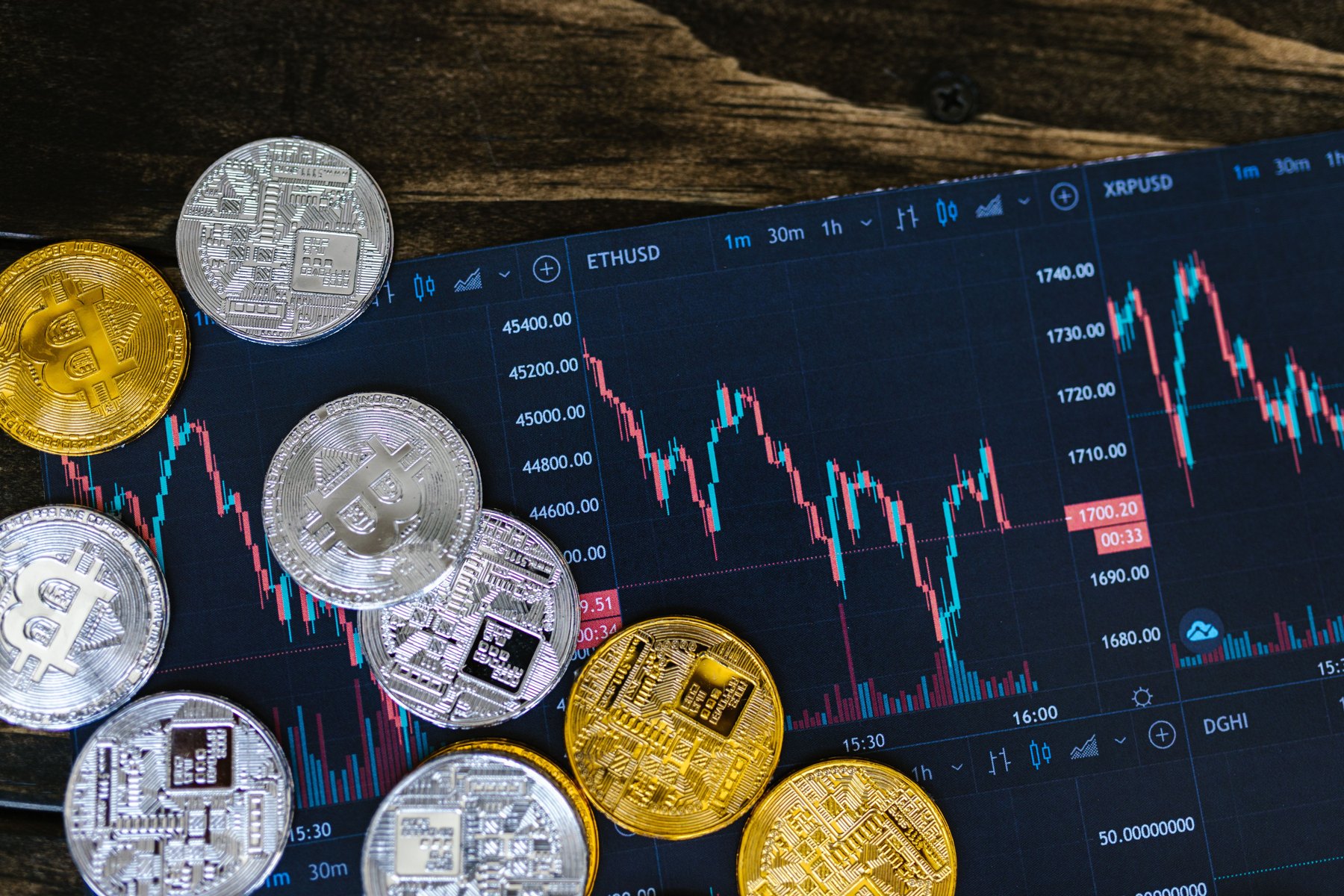
Instead of asking which coin will 10x, ask which projects have the strongest combination of adoption, security, sustainable token economics, and clear use cases. Use the framework below to score each candidate consistently.
1) Real world use case and demand
- What problem does it solve, and who actually needs it?
- Is demand driven by speculation only, or by usage (fees, staking demand, app activity)?
- Does the project have competitors that already do the same thing better?
2) Security and decentralization basics
- How is the network secured (proof of work, proof of stake, or other)?
- Is the validator set concentrated among a few entities?
- Has the protocol or major apps been audited? Audits do not guarantee safety, but a lack of audits can be a warning sign.
3) Developer activity and ecosystem growth
- Are developers building apps and tools that people use?
- Is there a healthy ecosystem of wallets, exchanges, and infrastructure?
- Do updates ship on time, and do they improve performance or security?
4) Tokenomics (supply, emissions, and incentives)
- What is the total supply and the current circulating supply?
- How are new tokens issued (emissions), and does issuance decline over time?
- Are there large unlocks coming for insiders or early investors?
- Does the token capture value (fees, staking, governance) or is it mostly a marketing token?
5) Liquidity and market structure
- Is it listed on reputable exchanges with meaningful volume?
- Are spreads tight enough that you can enter and exit without huge slippage?
- Is ownership concentrated in a few wallets (whale risk)?
6) Regulatory and operational risk
- Could the token be treated as a security in some jurisdictions?
- Does the project rely on a centralized company that could face enforcement or shutdown risk?
- Are there clear disclosures about the team, foundation, or treasury?
Named examples: major crypto categories and what to compare
Below are well known projects that many investors use as reference points. These are not recommendations. They are examples to help you compare categories, tradeoffs, and what to check before buying.
| Option | Best fit | What to compare | Main drawback |
|---|---|---|---|
| Bitcoin (BTC) | Core long term speculative allocation | Security model, custody options, liquidity | High volatility, limited smart contract functionality |
| Ethereum (ETH) | Exposure to smart contracts and apps | Network usage, fees, scaling roadmap, staking mechanics | Fees can spike, ecosystem complexity |
| Solana (SOL) | High throughput apps and consumer crypto | Uptime history, validator concentration, app adoption | Operational risk if outages recur |
| Chainlink (LINK) | Infrastructure exposure (oracles) | Integrations, revenue model, token utility | Value capture can be harder to evaluate |
| Polygon (POL, formerly MATIC) | Scaling and infrastructure around Ethereum | Migration details, adoption, token changes | Execution risk during transitions |
| Uniswap (UNI) | DeFi exposure via decentralized exchange | Trading volume, fee structure, governance decisions | Regulatory uncertainty and competition |
| Stablecoins (USDC, USDT) | Parking funds on chain, trading pairs | Reserves, issuer transparency, redemption process | Issuer and regulatory risk, not FDIC insured |
A practical altcoin scoring checklist (use this before you buy)
To make your research consistent, score each project from 0 to 2 on each factor below (0 = weak, 1 = mixed, 2 = strong). Total the score and compare candidates. This does not predict returns, but it can help you avoid obvious traps.
| Factor | What to look for | Quick red flags |
|---|---|---|
| Problem and users | Clear use case, measurable adoption | Buzzwords, no real users, copycat project |
| Security | Audits, battle tested code, transparent incidents | Anonymous team with admin keys, frequent exploits |
| Tokenomics | Reasonable emissions, clear utility, manageable unlocks | Huge insider unlocks, unclear supply, reflexive rewards |
| Liquidity | Healthy volume on reputable venues, tight spreads | Thin liquidity, wash trading concerns |
| Community and governance | Active, constructive community, transparent decisions | Cult like marketing, censorship of criticism |
| Regulatory and operational | Clear structure, realistic compliance posture | Promises of guaranteed returns, aggressive referral schemes |
What this looks like with real numbers (3 sample allocations)
Below are example allocations that show how someone might size crypto within a broader financial picture. These are illustrations, not prescriptions. The goal is to show how risk caps and timelines translate into dollars.
Scenario A: $5,000 to invest, timeline 1 to 3 years, low risk tolerance
- $4,250 in cash or cash equivalents for flexibility (85%)
- $500 in a diversified long term portfolio outside crypto (10%)
- $250 in crypto (5%), focused on more established assets rather than micro caps
Decision rule: if a 50% drop would change your ability to pay bills or meet near term goals, keep crypto small.
Scenario B: $20,000 to invest, timeline 3 to 7 years, moderate risk tolerance
- $14,000 in diversified investments outside crypto (70%)
- $4,000 in cash reserves for opportunities and emergencies (20%)
- $2,000 in crypto (10%) split into core and satellite positions
Decision rule: consider a core plus satellite approach, for example 70% of your crypto in larger networks and 30% in a few researched altcoins.
Scenario C: $100,000 to invest, timeline 7+ years, higher risk tolerance
- $70,000 in diversified investments outside crypto (70%)
- $15,000 in cash and short term reserves (15%)
- $15,000 in crypto (15%) with strict position limits per altcoin
Decision rule: cap any single smaller altcoin at 1% to 3% of your total portfolio so one failure does not dominate results.
How to build a “core plus satellites” crypto watchlist
If you want exposure while limiting blowups, consider separating your list into:
- Core assets: Typically higher liquidity and longer track records (often BTC and ETH for many investors).
- Satellites: A small set of altcoins you can explain in plain language, with clear catalysts and risks.
- Speculative micro bets: Optional, small, and only after you understand liquidity and exit risk.
Position sizing rules that can prevent common mistakes
- Max per coin: 1% to 5% of total portfolio for altcoins, depending on your risk tolerance.
- Max per theme: Avoid stacking too many coins that all depend on the same narrative (for example, five L2 tokens).
- Rebalance rule: If crypto grows beyond your cap (say 10% becomes 18%), consider trimming back toward your target.
Common red flags when hunting the next big altcoin
Yield promises that do not match reality
Be cautious with tokens or platforms advertising unusually high, consistent yields without clearly explaining where returns come from. If the only source is new buyers or token emissions, the risk can be higher than it looks.
Concentrated supply and insider unlocks
Large allocations to insiders are not automatically bad, but you should understand the vesting schedule. Big unlocks can create selling pressure. Look for clear, public documentation and timelines.
Thin liquidity
A coin can look like it is “going up” while being hard to sell at the displayed price. If volume is low, you may face slippage when exiting.
Complex bridges and smart contract risk
Many losses in crypto have come from bridge hacks and smart contract exploits. If your strategy requires moving assets across chains or into multiple protocols, assume operational risk rises with each step.
Where to do your research (and what to verify)
- Project documentation: Read the website docs and tokenomics pages. Look for specifics, not slogans.
- On chain and market data: Compare volume, liquidity, and holder concentration across reputable data sources.
- Security reports: Look for audits and incident writeups, and how the team responded.
Fraud and account safety basics
Crypto scams often involve fake support, impersonation, and phishing. Use official channels, verify URLs, and avoid sharing seed phrases. For practical guidance on avoiding fraud, review the FTC’s scam resources at https://consumer.ftc.gov/.
Taxes, records, and why they matter before you trade
Crypto transactions can create taxable events, including selling for dollars, swapping one token for another, and sometimes using crypto to buy goods or services. Keep records of dates, amounts, and cost basis. If you are unsure how a transaction is treated, the IRS crypto tax page is a useful starting point: https://www.irs.gov/businesses/small-businesses-self-employed/virtual-currencies.
If you are using borrowed money or credit, understand the downside first
Some people consider using credit cards, personal loans, or margin to buy crypto. This can amplify losses because you still owe the debt even if the asset drops. If you are comparing borrowing options, focus on APR, fees, repayment term, and whether the payment fits your budget even in a downturn.
Borrowing decision checklist
- Can you make the monthly payment without relying on crypto gains?
- Is the APR variable or fixed, and what fees apply?
- Would a price drop force you to sell at a bad time?
- Do you have an emergency fund of 3 to 12 months of expenses before taking on new debt?
For help understanding how credit works and how to evaluate lending products, the CFPB has consumer resources at https://www.consumerfinance.gov/.
Step by step: how to evaluate an altcoin in 30 minutes
- Explain it simply: Write one sentence describing what it does and why users need it.
- Check supply and unlocks: Find total supply, circulating supply, and upcoming unlock schedules.
- Verify liquidity: Look for meaningful volume and multiple trading venues.
- Scan security posture: Look for audits, bug bounties, and incident history.
- Identify the value driver: What makes demand grow over time (fees, usage, integrations)?
- Set entry and exit rules: Decide your max position size and when you would trim or exit.
A simple decision matrix: buy, watch, or pass
| If you see… | Likely action | Why |
|---|---|---|
| Clear use case, strong liquidity, transparent tokenomics | Consider a small position within your risk cap | Better odds of surviving volatility and being tradable |
| Promising idea but unclear value capture or early ecosystem | Watchlist | Wait for adoption signals and clearer fundamentals |
| Anonymous team, aggressive marketing, thin liquidity, big unlocks | Pass | Higher risk of manipulation and permanent loss |
Bottom line: potential comes from process, not predictions
The “next big altcoin” is only obvious in hindsight. What you can control is your process: define your timeline, set a risk cap, research tokenomics and security, and size positions so a bad outcome does not derail your finances. If you want to participate, build a watchlist, score projects consistently, and revisit your assumptions regularly as markets and regulations evolve.
If you are also working on your broader financial foundation, it can help to monitor your credit profile and correct errors. You can get your credit reports at https://www.annualcreditreport.com/.


