

How Democrat Presidents Affect Gold Prices

Democrat presidents and gold prices are often discussed together, especially during election years and periods of inflation, war, or market stress. But gold does not move because of a party label alone. Gold reacts to a mix of inflation expectations, real interest rates, the US dollar, recession risk, and investor sentiment. Presidential policies can influence those forces, but usually indirectly and with a lag.
Contents
21 sections
-
What actually moves gold prices (regardless of who is president)
-
Democrat presidents and gold prices: the channels that matter
-
1) Fiscal policy and deficits
-
2) Regulation and energy policy
-
3) Trade policy and geopolitics
-
4) Appointments and institutional credibility
-
5) Taxes and retirement policy
-
History check: why simple "party equals gold up" stories fail
-
A practical "gold driver" checklist you can use each month
-
How to think about gold if you are also managing debt or planning a loan
-
Decision rules by timeline
-
Gold versus paying down debt: a simple rule of thumb
-
Ways to get gold exposure (and what to compare)
-
Comparison table: recognizable gold options
-
What would this look like with real numbers?
-
Scenario A: $5,000 available, credit card balance at a high APR
-
Scenario B: $20,000 available, stable job, no revolving debt
-
Scenario C: $50,000 available, planning a home down payment in 18 months
-
Common mistakes when linking politics to gold
-
If you are worried about inflation, consider a broader toolkit
-
Bottom line: focus on the drivers, not the party
This guide breaks down what tends to matter most, what history can and cannot tell you, and how to make practical decisions about gold without betting your finances on political headlines.
What actually moves gold prices (regardless of who is president)
Gold is priced globally and trades 24 hours a day. That means it responds to worldwide conditions, not just US politics. In practice, a few drivers explain most major moves:
- Real interest rates (interest rates minus inflation). When real yields rise, gold often faces headwinds because investors can earn more in safer assets like Treasury securities. When real yields fall, gold can look more attractive.
- The US dollar. Gold is commonly priced in dollars. A stronger dollar can make gold more expensive for non US buyers, which can pressure prices. A weaker dollar can support gold.
- Inflation expectations. Gold is often treated as an inflation hedge, but the relationship is not perfect. What matters is whether inflation is rising faster than interest rates.
- Risk sentiment. In crises, investors sometimes shift toward assets perceived as stores of value, including gold. This can happen during recessions, banking stress, or geopolitical conflict.
- Central bank demand. Central banks buy and sell gold reserves. Their actions can influence long term demand.
- Physical demand and supply. Jewelry demand, industrial uses, mining output, and recycling matter, but they tend to be slower moving than financial drivers.
Presidents can influence some of these inputs through fiscal policy, regulation, trade policy, and appointments. But the Federal Reserve sets monetary policy independently, and global events can overwhelm domestic policy effects.
Democrat presidents and gold prices: the channels that matter
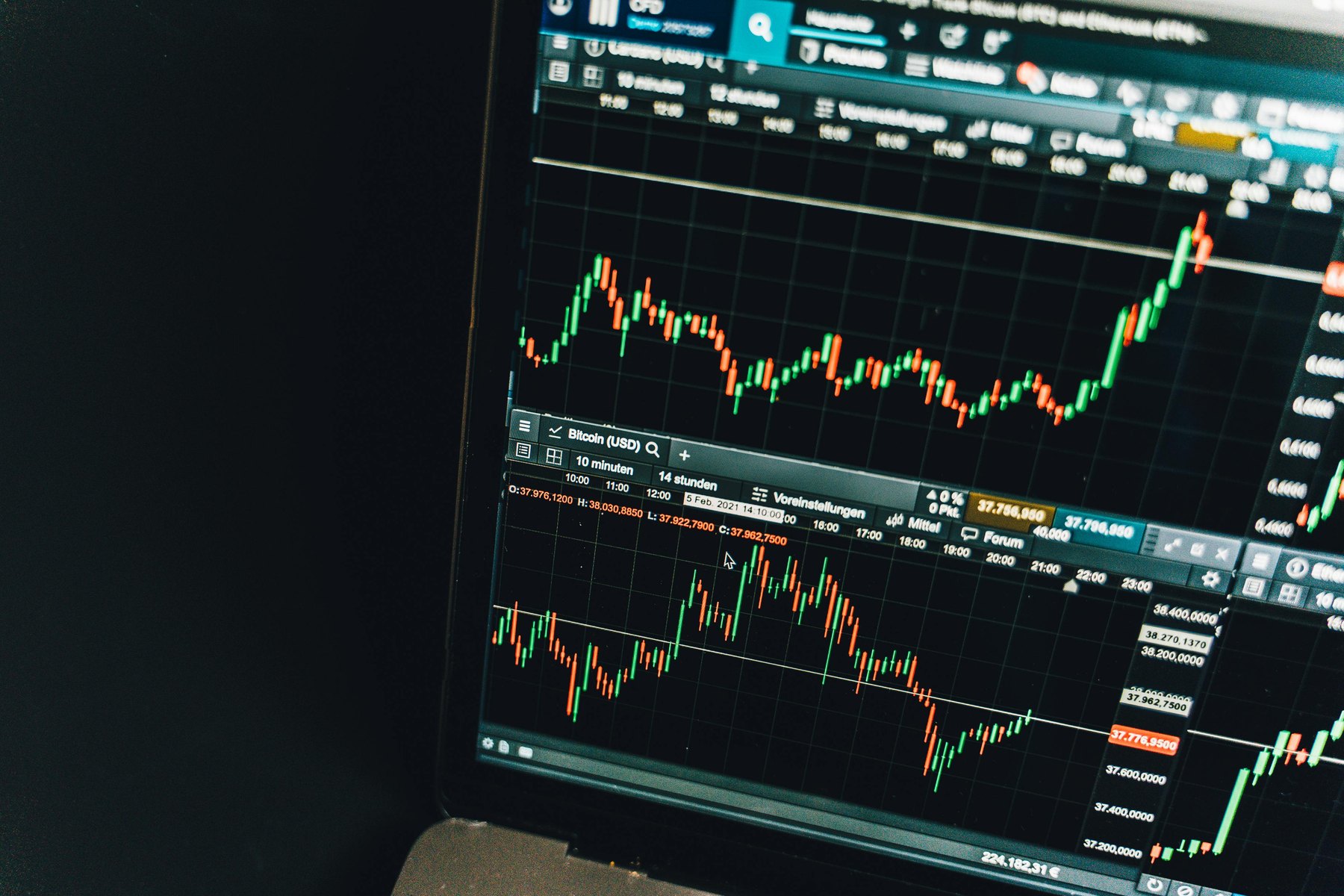
When people ask whether Democratic administrations “make gold go up,” they are usually pointing to a few policy channels. Here is how those channels can connect to gold, and what to watch instead of party labels.
1) Fiscal policy and deficits
Large spending programs or tax changes can affect growth and inflation expectations. If markets believe deficits will be financed in a way that increases inflation risk, gold can benefit. If spending boosts growth while interest rates rise faster than inflation, gold can struggle.
What to watch: inflation expectations, Treasury yields, and the gap between nominal yields and inflation (real yields).
2) Regulation and energy policy
Regulatory changes can affect energy prices, business costs, and investment. Energy prices feed into inflation. If inflation rises while real yields stay low, gold can gain support.
What to watch: oil and gas prices, headline inflation trends, and whether wage growth is accelerating.
3) Trade policy and geopolitics
Trade restrictions, sanctions, or global conflict can increase uncertainty and sometimes weaken confidence in currencies. Gold can act as a hedge in these environments.
What to watch: volatility indexes, credit spreads, and major geopolitical risk events.
4) Appointments and institutional credibility
Presidents appoint key officials, including Federal Reserve Board members (with Senate confirmation). Markets care about perceived independence and inflation fighting credibility. If investors think inflation will be tolerated, gold can benefit. If they expect tight policy, gold may face pressure.
What to watch: Fed communications, inflation forecasts, and market implied rate expectations.
5) Taxes and retirement policy
Changes to capital gains taxes, retirement rules, or financial regulation can affect investor behavior. This can influence flows into gold funds, but it is usually a second order effect compared with rates and the dollar.
What to watch: fund flows and broader risk appetite.
History check: why simple “party equals gold up” stories fail
It is tempting to look at a chart and connect gold’s performance to the party in power. The problem is that each presidency faces different starting conditions: inflation levels, Fed policy, wars, recessions, and global demand. Gold also tends to move in multi year cycles that do not line up neatly with election calendars.
For example, gold surged in the 1970s during high inflation and currency regime changes, fell for long stretches when inflation cooled and real yields rose, and rallied again during the Global Financial Crisis and periods of very low rates. Those are macro regimes, not party outcomes.
A better approach is to ask: What is happening to real yields, the dollar, and recession risk right now? Then consider whether the current administration’s policies are likely to push those variables in a direction that historically supports or pressures gold.
A practical “gold driver” checklist you can use each month
Use this checklist to keep your decision grounded in measurable signals instead of headlines:
| Signal to check | Where to look | Why it matters for gold | Typical implication |
|---|---|---|---|
| Real yields trend | Treasury yields vs inflation expectations | Gold competes with yield bearing assets | Falling real yields can support gold |
| US dollar strength | DXY or broad dollar indexes | Gold is priced in dollars globally | Weaker dollar often helps gold |
| Inflation trend | CPI and core inflation measures | Inflation can raise demand for hedges | Rising inflation with stable rates can help |
| Recession risk | Unemployment trend, yield curve, earnings | Risk off periods can boost safe haven demand | Higher recession risk can support gold |
| Market stress | Credit spreads, volatility measures | Gold can benefit from uncertainty | More stress can lift gold demand |
| Central bank buying | Public reports and news summaries | Large buyers can influence long term demand | Strong buying can support prices |
How to think about gold if you are also managing debt or planning a loan
For many households, the bigger financial lever is not predicting gold. It is managing interest costs and cash flow. If you are carrying high interest debt or preparing for a major purchase, your timeline matters more than your view on politics.
Decision rules by timeline
- Under 1 year: Prioritize liquidity and stability. Gold can be volatile over short periods, so it is usually a poor place for money you may need soon for rent, a car repair, or a down payment. Focus on emergency savings and predictable debt payments.
- 1 to 3 years: If you might need the money for a home purchase or to reduce borrowing, keep most funds in lower volatility options. A small gold allocation may be reasonable for diversification, but avoid relying on it for a specific date.
- 3 to 7 years: Diversification matters more. Gold can play a modest role as a hedge against inflation surprises or market stress, alongside a broader mix of assets.
- 7+ years: Long horizons can tolerate more volatility. Gold is still not a growth asset like stocks, but a small allocation may help reduce portfolio drawdowns in some scenarios.
Gold versus paying down debt: a simple rule of thumb
If you have credit card balances or other high APR debt, paying it down can be a more reliable way to improve your finances than trying to time gold. Gold’s future return is uncertain, while interest costs on revolving debt are known and compound quickly. For lower rate debt, the tradeoff depends on your cash reserves, job stability, and whether the loan has fixed or variable rates.
Ways to get gold exposure (and what to compare)
You can access gold in several ways, each with different costs, risks, and tax considerations. Here are common approaches:
- Physical gold (coins or bars). You must consider premiums, storage, insurance, and resale spreads.
- Gold ETFs. These can be convenient and liquid, but you pay ongoing fund expenses and you do not hold the metal directly.
- Gold mining stocks or funds. These are businesses, not gold itself. They can be more volatile and are influenced by management, costs, and broader stock market moves.
- Gold futures and options. These are complex and can involve leverage and margin risk. They are generally not a fit for most households.
Comparison table: recognizable gold options
| Option | Best fit | What to compare | Main drawback |
|---|---|---|---|
| SPDR Gold Shares (GLD) | Convenient brokerage exposure | Expense ratio, bid ask spread, liquidity | Ongoing fees and no physical possession |
| iShares Gold Trust (IAU) | Lower cost ETF style exposure | Expense ratio, tracking, liquidity | Still subject to market pricing and fees |
| Aberdeen Standard Physical Gold Shares ETF (SGOL) | Investors focused on vaulted gold structure | Vaulting details, expenses, liquidity | Less liquid than the largest ETFs |
| American Gold Eagle coins (US Mint) | Those who want physical coins | Dealer premium, buyback policy, authenticity | Storage, insurance, and resale spreads |
| Vanguard Gold Miners ETF (GDX is by VanEck, similar category) | Those seeking mining stock exposure | Holdings, fees, concentration, volatility | Can diverge sharply from gold price |
Before buying any product, compare total costs (fund expenses or dealer premiums), liquidity (how easily you can sell), and how closely it tracks the gold price you care about.
What would this look like with real numbers?
Below are three sample allocations to show how gold might fit alongside emergency savings and debt payoff. These are illustrations, not templates. Your best mix depends on your income stability, debt rates, and time horizon.
Scenario A: $5,000 available, credit card balance at a high APR
- $2,000 to build or top up an emergency fund
- $2,750 extra payment toward the highest APR credit card
- $250 (5%) in a gold ETF for diversification if you still want exposure
Total: $2,000 + $2,750 + $250 = $5,000
Scenario B: $20,000 available, stable job, no revolving debt
- $12,000 emergency fund (aiming for 3 to 6 months of core expenses)
- $6,000 in a diversified investment account aligned to your timeline
- $2,000 (10%) in gold exposure (ETF or physical) as a hedge bucket
Total: $12,000 + $6,000 + $2,000 = $20,000
Scenario C: $50,000 available, planning a home down payment in 18 months
- $35,000 in cash like instruments for the down payment and closing buffer
- $12,500 in short term reserves and moving or repair cushion
- $2,500 (5%) in gold exposure only if you can tolerate short term swings
Total: $35,000 + $12,500 + $2,500 = $50,000
Common mistakes when linking politics to gold
- Confusing correlation with causation. A gold rally during a presidency may be driven by global crises or Fed policy rather than legislation.
- Ignoring starting conditions. If inflation is already high and rates are rising, gold can behave differently than in a low inflation, low rate environment.
- Overtrading around elections. Markets often price expectations before election day. Sudden moves can reverse quickly.
- Using gold as a substitute for an emergency fund. Gold can drop sharply at the wrong time, especially during liquidity crunches.
- Buying without understanding costs. Physical premiums, storage, and ETF expense ratios can meaningfully affect results over time.
If you are worried about inflation, consider a broader toolkit
Gold is one tool, not the only one. Depending on your goals, you might also focus on:
- Reducing high interest debt to lower your personal inflation rate on borrowing costs.
- Building a stronger cash buffer so you do not rely on selling investments during a downturn.
- Reviewing insurance deductibles and coverage to avoid surprise expenses that force expensive borrowing.
- Keeping credit healthy so future borrowing costs are lower when you need a loan.
For credit monitoring and accuracy, you can check your credit reports at AnnualCreditReport.com. If you are dealing with debt collection or credit reporting issues, the FTC consumer guidance and the CFPB have practical steps and sample letters.
Bottom line: focus on the drivers, not the party
Democrat presidents and gold prices can be connected through policy effects on inflation expectations, the dollar, and real interest rates. But gold is a global asset, and its biggest moves usually come from macro regimes and Federal Reserve policy, not a single election result.
If you want to use gold, treat it as a diversification tool. Set a target allocation you can stick with, compare costs across products, and make sure your emergency fund and high interest debt plan are solid first. For basic banking safety when holding cash reserves, review FDIC coverage rules at FDIC.gov.


