

Digital Nomad Retiree Lifestyle

The digital nomad retiree lifestyle can look like slow travel, longer stays, and a flexible routine built around your health, budget, and visa rules. It can also add complexity: multiple currencies, healthcare decisions, tax paperwork, and the need for reliable access to cash when something goes wrong. This guide walks through practical money systems, realistic budgets, and funding backstops so you can travel with fewer surprises.
Contents
32 sections
-
What "digital nomad retiree" really means
-
Digital nomad retiree lifestyle budget: start with your "floor"
-
Step 1: List your fixed essentials
-
Step 2: Add travel-variable categories
-
Example monthly budgets with real numbers
-
Cash, banking, and cards: build a "two of everything" system
-
Checklist: your core money stack
-
Named examples to compare (banking and travel cards)
-
ATM and exchange decision rules
-
Healthcare and insurance planning while traveling
-
What to compare in travel medical coverage
-
Practical health checklist
-
Taxes, residency, and paperwork: reduce surprises
-
Document system you can manage from anywhere
-
Helpful official resources
-
Debt and borrowing as a traveling retiree: options and risks
-
Common borrowing tools (and what to compare)
-
Decision rules for using debt while traveling
-
Emergency fund and "bucket" allocations with real numbers
-
Timeline rules of thumb
-
Three sample allocations (they add up)
-
Protecting your credit and identity while abroad
-
Credit and identity checklist
-
Housing strategy: keep, rent, or let go
-
Quick decision matrix
-
A 30-day setup plan before you go
-
Week 1: Money and accounts
-
Week 2: Documents and logistics
-
Week 3: Healthcare and insurance
-
Week 4: Budget and backup plans
-
Common mistakes that cost retirees money on the road
-
Putting it together: a simple decision framework
What “digital nomad retiree” really means
Many retirees travel full time or most of the year, but the “digital nomad” part often means you still manage money online: banking, investing, bill pay, taxes, and sometimes part-time remote work or consulting. Compared with a typical vacation, this lifestyle is closer to running a small household on the move.
Common versions include:
- Slow travel: 1 to 3 months per location to reduce transport costs and stress.
- Home base plus travel: keep a primary residence or long-term rental and travel 3 to 6 months per year.
- Seasonal migration: follow weather or family schedules (for example, summers in one country, winters in another).
Digital nomad retiree lifestyle budget: start with your “floor”
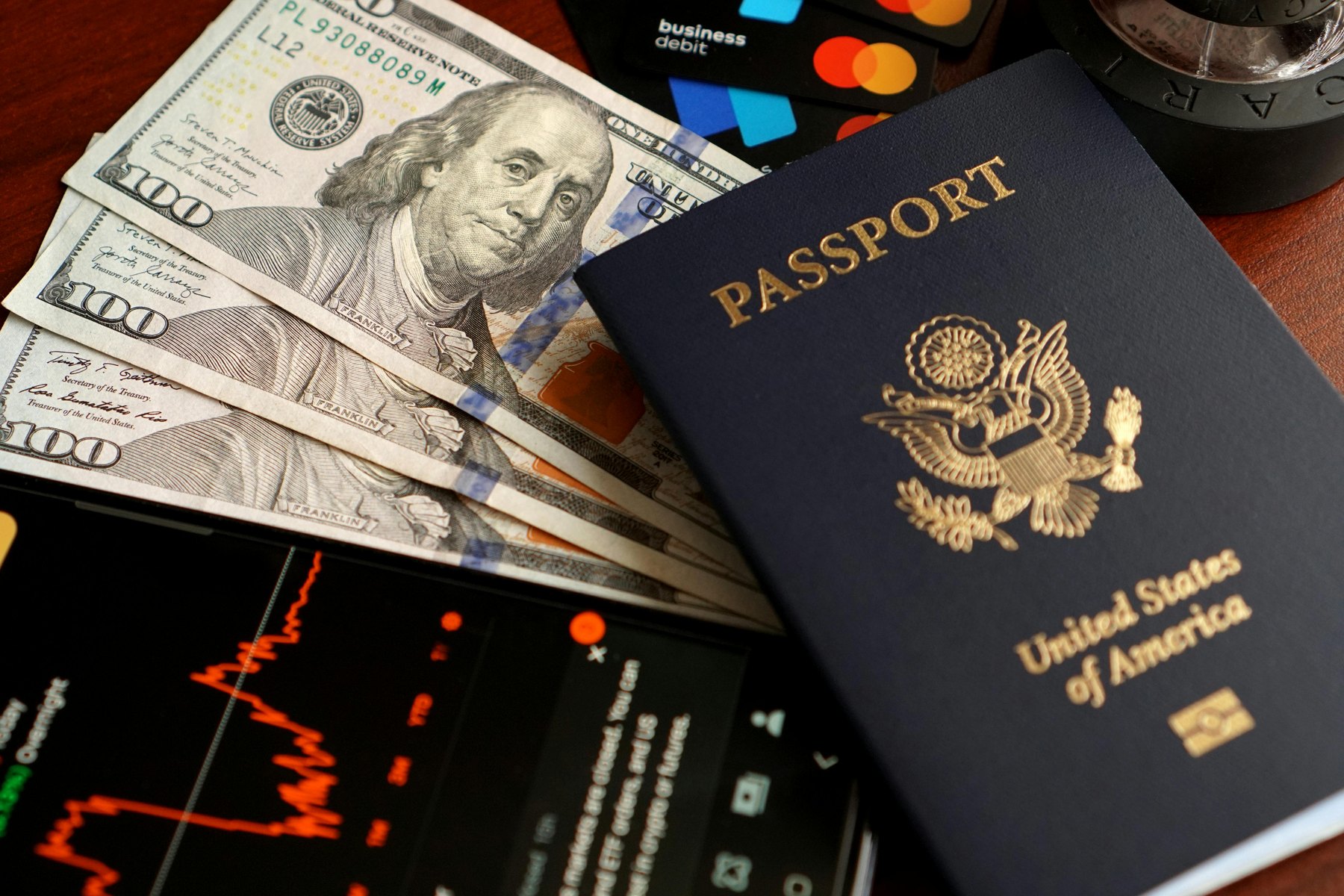
Your first job is to define your monthly floor – the amount you need to cover essentials even if markets dip, a flight gets canceled, or you need medical care. Then build a travel budget on top.
Step 1: List your fixed essentials
- Housing (rent, mortgage, storage unit, property taxes, HOA)
- Healthcare premiums and out-of-pocket costs
- Debt payments (if any)
- Phone plan, subscriptions, cloud storage, VPN
- Insurance (travel medical, renters, auto, umbrella)
- Minimum cash buffer contributions
Step 2: Add travel-variable categories
- Flights and ground transport
- Short-term rentals and deposits
- Food and dining
- Activities and tours
- Visa costs and document fees
- Gifts and family visits
Example monthly budgets with real numbers
These are sample frameworks to help you pressure-test your plan. Your costs depend on pace of travel, housing choices, and health needs.
| Scenario | Monthly total | Housing | Healthcare + insurance | Food | Transport | Other (phone, activities, fees) |
|---|---|---|---|---|---|---|
| Lean slow travel (1 country, long stays) | $2,800 | $1,200 | $450 | $600 | $250 | $300 |
| Moderate pace (move every 4 to 6 weeks) | $4,200 | $1,800 | $650 | $850 | $550 | $350 |
| Comfort-focused (premium rentals, more flights) | $6,500 | $3,000 | $900 | $1,200 | $900 | $500 |
Decision rule: if your essential floor is $3,500 per month and your reliable income (pensions, Social Security, annuities, steady part-time work) is $3,000, you are relying on withdrawals for at least $500 monthly before travel extras. That is not automatically bad, but it should shape your cash buffer and withdrawal strategy.
Cash, banking, and cards: build a “two of everything” system
Travel problems are often banking problems: a card gets frozen, an ATM eats your card, or a fraud alert blocks a purchase. A resilient setup reduces stress.
Checklist: your core money stack
- Two debit cards from different banks (kept in separate places)
- Two credit cards (ideally no foreign transaction fees)
- A small amount of local cash on arrival
- Digital wallet access (Apple Pay or Google Pay where accepted)
- Online access with multi-factor authentication that works abroad
- A trusted contact who can help if you lose your phone
Named examples to compare (banking and travel cards)
Availability and features change, so compare current fees, ATM policies, foreign transaction fees, and fraud support before you choose.
| Option | Best fit | What to compare | Main drawback |
|---|---|---|---|
| Charles Schwab Bank High Yield Investor Checking | Frequent ATM users abroad | ATM fee rebates, foreign transaction fees, support | Requires brokerage relationship and setup |
| Capital One 360 Checking | Simple online banking with broad access | Foreign transaction fees, ATM network, wire options | ATM access depends on location and partners |
| Wise (multi-currency account) | Holding and spending in multiple currencies | Exchange rate markup, card availability, transfer fees | Not a full replacement for a primary bank for everyone |
| Revolut | Budgeting and multi-currency spending | Plan fees, FX limits, ATM limits, support | Features vary by country and plan tier |
| Chase Sapphire Preferred (credit card) | Travel rewards and protections | Annual fee, travel insurance terms, no foreign transaction fees | Approval depends on credit and income |
| American Express (for example, Amex Green) | Strong customer service and travel benefits | Acceptance in your destinations, annual fee, protections | Not accepted everywhere internationally |
ATM and exchange decision rules
- Prefer paying in local currency when a terminal asks. Dynamic currency conversion can add extra cost.
- Use bank ATMs when possible, not standalone tourist ATMs.
- Withdraw larger, less frequent amounts if your bank charges per withdrawal, but balance that with safety.
- Keep one card “cold” (not used daily) in case your primary card is compromised.
Healthcare and insurance planning while traveling
Healthcare is often the biggest swing factor in retiree travel. Your plan should cover routine care, urgent care, and worst-case scenarios like evacuation.
What to compare in travel medical coverage
- Emergency medical limits and exclusions
- Pre-existing condition rules
- Medical evacuation and repatriation coverage
- Deductibles and claims process
- Coverage duration and country restrictions
Practical health checklist
- Carry digital and paper copies of prescriptions
- Bring a small “bridge supply” of essential meds
- Know how to access care in each country (private clinics vs public)
- Keep an emergency contact list and allergies in your phone lock screen
Taxes, residency, and paperwork: reduce surprises
Retirees who travel internationally can run into tax and residency complexity. Even if you do not change your legal residence, you may still have reporting requirements.
Document system you can manage from anywhere
| Document | Why it matters | Where to store | Backup tip |
|---|---|---|---|
| Passport + scans | Entry, ID, emergencies | Encrypted cloud + offline copy | Email a copy to yourself and a trusted contact |
| Insurance policies | Claims and coverage proof | Cloud folder | Save insurer phone numbers offline |
| Bank and card contacts | Fraud and replacement | Password manager | Write emergency numbers on paper |
| Tax forms (1099, SSA-1099, pension statements) | Filing and audits | Cloud + local encrypted drive | Set a calendar reminder for filing dates |
| Medical records summary | Faster treatment | Phone + cloud | Include meds, conditions, surgeries |
Helpful official resources
- IRS for federal tax rules, forms, and filing guidance.
- FDIC to understand deposit insurance basics for U.S. bank accounts.
Debt and borrowing as a traveling retiree: options and risks
Some retirees travel debt-free. Others keep a mortgage at home, use credit cards for float, or maintain a line of credit for emergencies. Borrowing can provide flexibility, but it also adds repayment obligations and interest costs that can be harder to manage across time zones and currencies.
Common borrowing tools (and what to compare)
| Borrowing tool | Best fit | What to compare | Key risk |
|---|---|---|---|
| 0% intro APR credit card (if you qualify) | Short-term cash flow smoothing | Intro period length, post-intro APR, balance transfer fees | High APR after promo if balance remains |
| Home equity line of credit (HELOC) | Homeowners wanting a standby emergency source | Variable APR, draw period, closing costs, minimum draws | Rate changes and risk to your home if you cannot repay |
| Personal loan | Fixed repayment for a planned expense | APR, origination fees, term length, prepayment rules | Monthly payment reduces flexibility |
| Secured credit card | Rebuilding credit before long travel | Deposit amount, fees, upgrade path | Ties up cash deposit |
| 401(k) loan (if available) | Some workplace plans with stable employment | Repayment rules, job-change consequences, opportunity cost | Potential taxes and penalties if not repaid properly |
Decision rules for using debt while traveling
- Use debt for timing, not lifestyle inflation: a short bridge to cover a reimbursable expense or a one-time move can be easier to manage than ongoing overspending.
- Match term to the asset: avoid long repayment terms for short-lived purchases.
- Stress test payments: assume a higher interest rate for variable-rate products and confirm you can still pay from your essential floor.
- Keep autopay and alerts: missed payments can be more likely when you change SIM cards or lose phone access.
Emergency fund and “bucket” allocations with real numbers
Many traveling retirees use a bucket approach: near-term cash for stability, medium-term bonds for planned spending, and long-term stocks for growth. The right mix depends on your withdrawal needs, risk tolerance, and whether you have guaranteed income.
Timeline rules of thumb
- Under 1 year: prioritize cash and cash-like options for known expenses (leases, visas, insurance renewals, planned flights).
- 1 to 3 years: consider high-quality, lower-volatility choices for money you expect to spend soon. Compare yields, interest-rate risk, and liquidity.
- 3 to 7 years: a blended approach may fit, but align risk with how flexible your travel plans are.
- 7+ years: long-term growth assets may play a larger role, but only if you can tolerate market swings without changing plans abruptly.
Three sample allocations (they add up)
These examples show structure, not a universal recommendation. Adjust for your income sources, health needs, and comfort with volatility.
| Allocation example | Total | Cash buffer (checking + savings) | Short-term reserves (0 to 3 years spending) | Long-term growth (7+ years) | Travel “opportunity” fund |
|---|---|---|---|---|---|
| Conservative traveler with high medical priority | $250,000 | $35,000 | $140,000 | $60,000 | $15,000 |
| Balanced traveler with steady pension income | $500,000 | $40,000 | $180,000 | $250,000 | $30,000 |
| Growth-tilted traveler with flexible spending | $800,000 | $50,000 | $200,000 | $520,000 | $30,000 |
How to set the cash buffer: many retirees start with 3 to 12 months of essential expenses in cash-like accounts, then adjust upward if they have variable income, health uncertainty, or frequent border crossings and flights.
Protecting your credit and identity while abroad
Travel increases exposure to card skimmers, insecure Wi-Fi, and account takeovers. A few habits can reduce the chance of long, expensive cleanups.
Credit and identity checklist
- Use account alerts for purchases, withdrawals, and login attempts.
- Freeze your credit if you do not expect to apply for new credit soon.
- Use a password manager and unique passwords.
- Avoid logging into financial accounts on public computers.
- Review statements monthly even if you use autopay.
- AnnualCreditReport.com to check your credit reports from the major bureaus.
- FTC Consumer Advice for identity theft steps and recovery guidance.
Housing strategy: keep, rent, or let go
Housing is usually the biggest lever in a digital nomad retiree plan. Your choice affects cash flow, taxes, insurance, and how easy it is to return.
Quick decision matrix
| Option | When it can work well | Money upside | Tradeoff |
|---|---|---|---|
| Keep your home empty | Short trips, frequent returns, strong preference for stability | Simpler logistics | Highest carrying cost |
| Rent your home long-term | Traveling 6+ months per year | May offset mortgage and upkeep | Tenant and maintenance management |
| Short-term rental (where allowed) | High-demand area, you can manage operations | Potentially higher income in peak seasons | Regulatory risk and higher workload |
| Sell and downsize | Ready to simplify and reduce fixed costs | Frees capital and lowers obligations | Harder to return quickly, market timing risk |
A 30-day setup plan before you go
Week 1: Money and accounts
- Open or confirm a secondary bank account and backup card.
- Set travel notices if your bank still uses them.
- Turn on alerts for transactions and logins.
- List all autopays and confirm you can receive one-time passcodes abroad.
Week 2: Documents and logistics
- Scan passport, insurance, and key documents to an encrypted folder.
- Set up mail handling (digital mailbox or trusted person).
- Confirm phone plan and eSIM compatibility.
Week 3: Healthcare and insurance
- Schedule checkups and refill prescriptions.
- Compare travel medical coverage terms and exclusions.
- Save emergency numbers and nearest hospital options for your first destination.
Week 4: Budget and backup plans
- Build a destination-based budget for your first 90 days.
- Set an emergency flight fund and a “return home” plan.
- Decide your maximum monthly spend and a trigger to slow down travel if costs rise (for example, if you exceed budget two months in a row).
Common mistakes that cost retirees money on the road
- Moving too fast: frequent flights and short stays can quietly double your transport and housing costs.
- Underestimating healthcare: skipping coverage details can lead to large out-of-pocket expenses.
- Relying on one bank: a frozen account can derail a trip.
- Ignoring currency effects: exchange rates can raise your effective cost of living month to month.
- Not planning for device loss: losing your phone can lock you out of accounts if you do not have backups.
Putting it together: a simple decision framework
If you want a clear go or no-go test, use this:
- Can you cover your essential floor for 6 to 12 months using cash and reliable income without needing to sell volatile investments at a bad time?
- Do you have two independent ways to access money (two banks, two cards, and a backup plan)?
- Do you have a healthcare plan you understand, including emergencies and evacuation?
- Do you have a 90-day budget for your first destination and a trigger to slow down if costs rise?
When those pieces are in place, the digital nomad retiree lifestyle becomes less about constant financial decisions and more about enjoying your time and staying flexible.


