

Gold in Past Market Stress: What History Suggests and What It Doesn’t

Gold in past market stress has sometimes acted like a shock absorber for portfolios, but history also shows plenty of moments when it did not protect investors the way they expected.
Contents
30 sections
-
Why people turn to gold during market stress
-
Gold in past market stress: what history suggests
-
Pattern 1: Gold can help in inflation scares, but timing matters
-
Pattern 2: Gold can diversify equity risk, but not on every selloff
-
Pattern 3: Gold can respond to "system stress," but ownership method changes the experience
-
What history does not suggest (common myths)
-
Myth 1: Gold always goes up when stocks go down
-
Myth 2: Gold is a guaranteed inflation hedge over any timeframe
-
Myth 3: "Gold is safe" means "gold is stable"
-
Myth 4: Mining stocks are the same as gold
-
How gold fits alongside debt, emergency funds, and borrowing decisions
-
Ways to own gold: options, best fit, and tradeoffs
-
Decision rule: match the "gold vehicle" to the risk you are hedging
-
Costs and risks checklist (what to look at before buying)
-
Timeline-based decision rules (under 1 year to 7+ years)
-
Under 1 year: prioritize liquidity and certainty
-
1 to 3 years: small, optional hedge only after cash needs are covered
-
3 to 7 years: consider a modest allocation if it improves your plan
-
7+ years: treat gold as a diversifier, not a growth engine
-
What this looks like with real numbers: three sample allocations
-
Scenario A: $10,000 available, credit card balance, unstable income
-
Scenario B: $50,000 available, stable job, no high-interest debt
-
Scenario C: $200,000 available, approaching a major purchase in 2 to 4 years
-
How to decide if gold belongs in your plan (a simple framework)
-
Step 1: Name the risk you are hedging
-
Step 2: Choose a size you can hold through a drawdown
-
Step 3: Pick the simplest vehicle that matches your goal
-
Step 4: Set rules for rebalancing
-
Common mistakes to avoid when buying gold during stress
-
Bottom line
If you are considering gold during uncertain markets, it helps to separate three different questions: (1) Does gold hold value when stocks fall? (2) Does it protect purchasing power when inflation rises? (3) Does it help when the financial system feels shaky? Gold’s track record varies depending on which stress you mean, the time window you measure, and how you own it (physical bullion, ETFs, mining stocks, or futures).
Why people turn to gold during market stress
Gold is often described as a “safe haven,” but that label can hide important details. People buy gold during stress for a few practical reasons:
- No credit risk: A gold bar is not a promise from a company or government to pay you later.
- Different drivers than stocks: Gold can move for reasons unrelated to corporate earnings, such as real interest rates, currency strength, and risk sentiment.
- Liquidity: Large gold markets can remain tradable even when some assets become hard to price.
- Psychology and tradition: In some countries and cultures, gold is a long-standing store of value and a crisis asset.
But gold is still a traded asset with its own cycles. It can fall sharply, stay flat for long periods, or lag inflation for years. That is why “gold as protection” works best when you define what you are protecting against and how long you need the protection to last.
Gold in past market stress: what history suggests
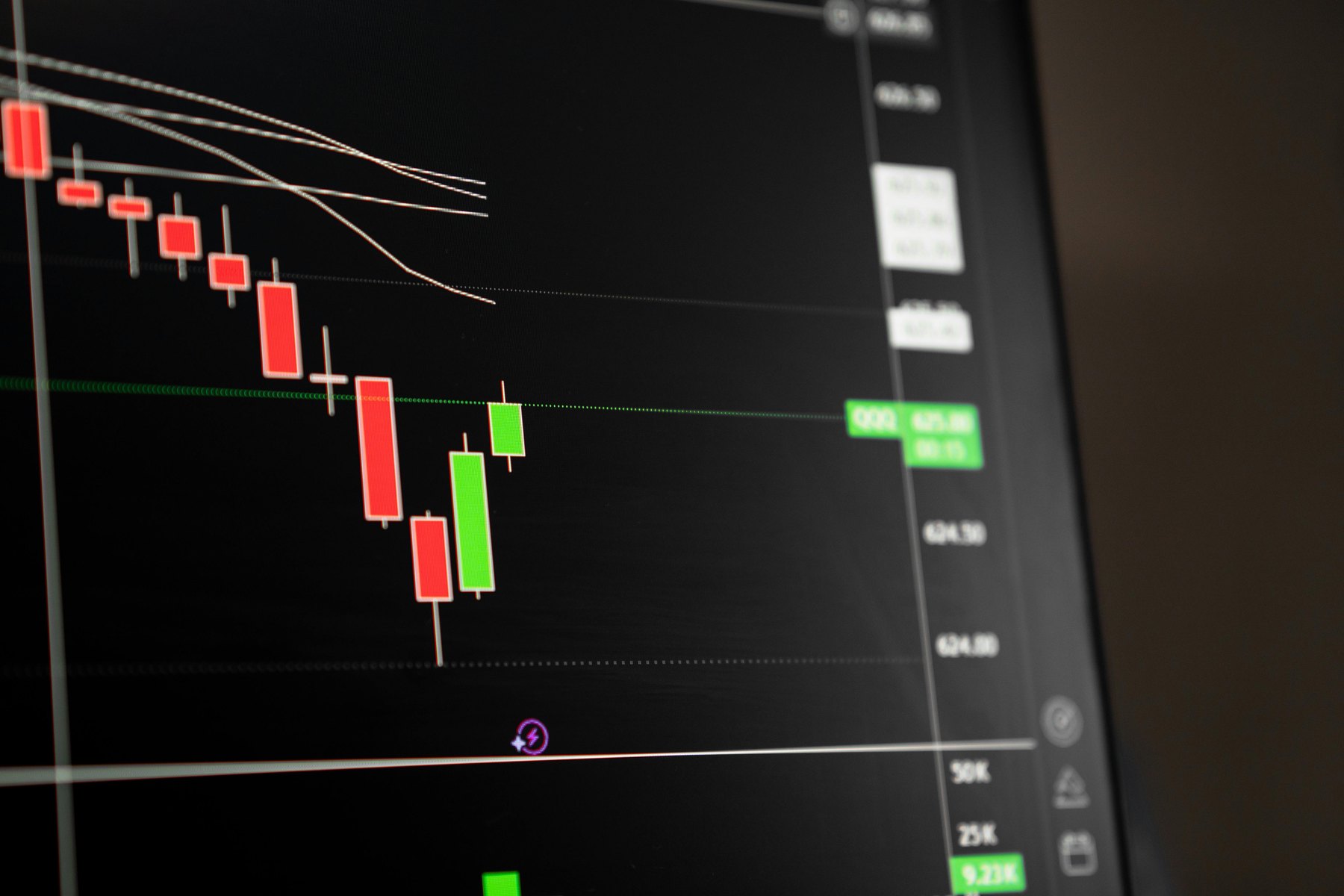
Across many decades, gold has tended to do best when one or more of these conditions are present:
- Falling real interest rates (interest rates after inflation) or expectations that real rates will fall.
- High uncertainty about inflation, currencies, or financial stability.
- Weakening U.S. dollar (because gold is commonly priced in dollars).
- Demand for “non-earnings” assets when investors distrust forecasts.
Pattern 1: Gold can help in inflation scares, but timing matters
Gold is often associated with inflation protection, especially during periods when inflation surprises to the upside. However, gold does not track inflation month by month. It can rise ahead of inflation (on expectations), or fall even while inflation remains elevated if markets believe inflation will cool or if real rates rise.
Practical takeaway: Gold may be more responsive to changes in inflation expectations and real rates than to the current inflation reading.
Pattern 2: Gold can diversify equity risk, but not on every selloff
During some equity drawdowns, gold has held up or risen, helping reduce overall portfolio losses. In other selloffs, investors sell what they can, and gold can drop too. Short, sharp liquidity events can temporarily pull many assets down together.
Practical takeaway: Gold’s diversification benefits are more reliable over longer windows than during the first days of a panic.
Pattern 3: Gold can respond to “system stress,” but ownership method changes the experience
When people worry about banks, payment systems, or geopolitical shocks, gold demand can rise. But how you own gold matters:
- Physical bullion: No issuer risk, but storage, insurance, and spreads matter.
- Gold ETFs: Convenient and liquid, but you own shares of a fund structure, not specific bars in your hand.
- Mining stocks: Often behave like equities and can fall with the stock market even if gold rises.
What history does not suggest (common myths)
Myth 1: Gold always goes up when stocks go down
Gold can fall during stock selloffs, especially when investors need cash quickly or when the U.S. dollar strengthens. If your plan assumes gold will always zig when stocks zag, you may be disappointed in a fast-moving downturn.
Myth 2: Gold is a guaranteed inflation hedge over any timeframe
Gold can protect purchasing power over very long horizons, but it can also underperform inflation for multi-year stretches. If you need inflation protection for a specific near-term expense, tools like Treasury Inflation-Protected Securities (TIPS) or I Bonds may match that goal more directly, depending on your timeline and constraints.
Myth 3: “Gold is safe” means “gold is stable”
Gold prices can be volatile. A “safe haven” label usually means it is not tied to corporate default risk, not that the price cannot drop 10% to 20% in a short period.
Myth 4: Mining stocks are the same as gold
Mining companies have operational risks (cost overruns, political risk, labor issues), balance sheet risks (debt), and equity market risk. They can amplify gold’s moves, but they can also move independently of gold.
How gold fits alongside debt, emergency funds, and borrowing decisions
For many households, the most important “crisis plan” is not a gold allocation. It is liquidity and manageable debt. Before you add gold, pressure-test these basics:
- Emergency fund: Many people target 3 to 12 months of essential expenses, depending on job stability and household needs.
- High-interest debt: Credit card APRs can be costly. Paying down high-interest balances can reduce risk more predictably than adding a volatile asset.
- Insurance deductibles: If you would need to borrow to cover a deductible, consider building cash reserves first.
If you are working on credit health, you can review your credit reports at AnnualCreditReport.com. If you are dealing with debt collection or credit issues, the FTC’s consumer guidance is a practical resource.
Ways to own gold: options, best fit, and tradeoffs
There is no single “best” way to own gold. The right structure depends on whether you want convenience, direct possession, or exposure inside a brokerage account. Below are recognizable options many investors compare.
| Option | Best fit | What to compare | Main drawback |
|---|---|---|---|
| SPDR Gold Shares (GLD) | Simple brokerage exposure, high liquidity | Expense ratio, bid-ask spread, tracking | Ongoing fund fee; you do not hold physical metal |
| iShares Gold Trust (IAU) | Lower-cost ETF exposure for long-term holding | Expense ratio, liquidity, tracking | Still a fund structure, not personal possession |
| Physical bullion (American Gold Eagle, Canadian Maple Leaf) | Direct ownership, no issuer risk | Dealer premium, buyback spread, storage and insurance | Higher friction costs; theft and storage risk |
| Gold savings and vault platforms (example: BullionVault) | Allocated storage without handling coins | Storage fees, audit/verification, withdrawal rules | Platform and custody reliance; fees can add up |
| Gold miners ETF (example: VanEck Gold Miners ETF, GDX) | Higher-risk, equity-like exposure to gold theme | Holdings, concentration, volatility, fees | Can drop with stocks even if gold rises |
Decision rule: match the “gold vehicle” to the risk you are hedging
- Hedging portfolio volatility: ETFs like GLD or IAU are often the cleanest exposure inside a brokerage account.
- Hedging extreme system concerns: Some people prefer a small amount of physical bullion, but storage and spreads become central.
- Seeking upside leverage: Miners can be more volatile than gold itself and behave like stocks.
Costs and risks checklist (what to look at before buying)
Gold’s “hidden” costs often decide whether it helps or hurts your plan. Use this checklist before you buy.
| Category | Questions to ask | Why it matters |
|---|---|---|
| Spreads and premiums | What is the buy premium over spot? What is the sell discount? | Wide spreads can erase gains, especially for small purchases |
| Ongoing fees | ETF expense ratio? Storage and insurance costs? | Fees compound over time and reduce long-run returns |
| Liquidity | How quickly can you sell at a fair price? | Liquidity matters most during stress, when you may need cash |
| Taxes | How is your gold investment taxed in your account type? | After-tax results can differ by product and holding period |
| Counterparty and custody | Who holds the asset? What happens if the platform fails? | Structure risk differs between physical, ETFs, and platforms |
| Behavioral risk | Will you chase headlines and buy high or sell low? | Gold is often bought during fear, which can lead to poor timing |
Timeline-based decision rules (under 1 year to 7+ years)
Under 1 year: prioritize liquidity and certainty
If you might need the money soon for rent, debt payments, or a planned purchase, gold price swings can be a problem. For near-term needs, many people focus on cash reserves in insured accounts and predictable instruments.
To understand deposit insurance basics, see the FDIC resources on coverage limits and account ownership categories.
1 to 3 years: small, optional hedge only after cash needs are covered
In this window, gold may play a limited role as a hedge, but it should not crowd out cash needed for known expenses. If you are carrying high-interest debt, reducing that balance can improve resilience more directly than adding gold exposure.
3 to 7 years: consider a modest allocation if it improves your plan
With a longer runway, a small gold allocation may help diversify a stock and bond mix, depending on your risk tolerance and the rest of your holdings. The key is sizing it so you can hold through volatility.
7+ years: treat gold as a diversifier, not a growth engine
Over long horizons, gold can help some portfolios by reducing reliance on any single economic outcome (high inflation, currency weakness, or equity stress). But it does not produce earnings or interest, so many long-term plans keep gold as a minority allocation rather than the core.
What this looks like with real numbers: three sample allocations
Below are simplified examples to show how gold might fit into a household plan. These are not one-size-fits-all templates. They illustrate tradeoffs between liquidity, debt risk, and diversification.
Scenario A: $10,000 available, credit card balance, unstable income
- $7,000 to emergency cash (aiming toward 3 to 6 months of essentials)
- $2,500 to pay down high-interest revolving debt
- $500 to gold exposure (for example, a low-cost gold ETF) as a small hedge
Total: $10,000
Decision rule: If you would need to borrow at a high APR to handle a surprise bill, build cash and reduce expensive debt before increasing gold.
Scenario B: $50,000 available, stable job, no high-interest debt
- $20,000 emergency fund and near-term goals (3 to 9 months of essentials depending on household)
- $27,500 diversified long-term investments (broad stock and bond funds, based on risk tolerance)
- $2,500 gold allocation (5% of the total $50,000)
Total: $50,000
Decision rule: If adding 2% to 10% gold helps you stay invested during volatility, it can be useful even if returns are uncertain.
Scenario C: $200,000 available, approaching a major purchase in 2 to 4 years
- $120,000 in low-volatility buckets for the planned purchase and reserves (cash and high-quality short-term instruments)
- $70,000 in long-term diversified investments (for goals 7+ years away)
- $10,000 in gold exposure (5% of total)
Total: $200,000
Decision rule: Money with a deadline should not depend on gold doing well at the exact time you need to sell.
How to decide if gold belongs in your plan (a simple framework)
Step 1: Name the risk you are hedging
- Inflation staying higher than expected
- Equity market drawdowns
- Currency weakness
- Financial system stress
Step 2: Choose a size you can hold through a drawdown
Many investors who use gold treat it as a small slice, often in the 0% to 10% range, depending on goals and comfort with volatility. A smaller allocation is easier to hold through price swings and reduces the chance you will sell at the wrong time.
Step 3: Pick the simplest vehicle that matches your goal
- If you want convenience and liquidity: compare gold ETFs (fees, spreads, tracking).
- If you want physical possession: compare coin types, dealer spreads, and secure storage.
- If you want “gold theme” risk: understand miners behave like stocks.
Step 4: Set rules for rebalancing
Gold can drift up or down relative to the rest of your portfolio. Consider a rule such as rebalancing once or twice per year, or when gold moves outside a band (for example, 3% to 7% around a 5% target). Rules can reduce emotional decisions during headlines.
Common mistakes to avoid when buying gold during stress
- Buying only after a scary headline: If you only buy when fear is highest, you may pay a higher price.
- Ignoring total costs: Premiums, spreads, and storage can matter more than you expect.
- Using gold instead of cash reserves: Gold is not a bill-paying tool if you need money next month.
- Confusing leverage with safety: Options, futures, and leveraged products can magnify losses.
- Overconcentrating: A single-asset bet can increase risk, even if the asset feels “defensive.”
Bottom line
Gold’s history in stressful markets is mixed: it has sometimes helped during inflation scares and periods of uncertainty, but it can also drop during liquidity crunches and can lag for long stretches. The most useful way to think about gold is as a potential diversifier with real costs and real volatility. If you decide to include it, focus on a clear purpose, a modest allocation you can hold through swings, and a low-friction way to own it that fits your timeline and cash needs.
For broader consumer protection and money guidance, the Consumer Financial Protection Bureau (CFPB) has tools on budgeting, debt, and financial products.


