

Gold vs. Silver: Which Precious Metal Has More Upside Potential

Gold vs. silver upside potential depends on what you mean by “upside” – price growth, inflation protection, crisis hedge value, or long-run portfolio diversification.
Contents
31 sections
-
What drives gold vs. silver upside potential
-
Gold: store of value, real rates, and risk sentiment
-
Silver: industrial demand plus investment demand
-
A practical takeaway
-
Gold vs. silver: volatility, drawdowns, and patience required
-
Decision rule: match the metal to your ability to hold through declines
-
Ways to buy: physical metals vs. ETFs vs. mining stocks
-
Physical coins and bars
-
ETFs backed by metal
-
Mining stocks and mining ETFs
-
Futures and options
-
Named options to consider (and what to compare)
-
Costs that can erase "upside" (especially for physical metals)
-
Common cost categories
-
Timeline decision rules: under 1 year to 7+ years
-
Under 1 year
-
1 to 3 years
-
3 to 7 years
-
7+ years
-
What this looks like with real numbers: three sample allocations
-
Scenario 1: $10,000 saved, goal is flexibility in the next 1 to 2 years
-
Scenario 2: $50,000 invested, moderate risk tolerance, 5-year horizon
-
Scenario 3: $200,000 portfolio, long horizon, wants a hedge but dislikes big swings
-
Simple decision matrix: which metal has more upside for you?
-
If you answer "yes" to most of these, gold may fit better
-
If you answer "yes" to most of these, silver may have more upside potential for you
-
Borrowing to buy metals: what to watch before using credit
-
Practical guardrails
-
Fraud and pricing traps to avoid when buying physical gold or silver
-
How to monitor your choice and rebalance
-
Bottom line: which has more upside potential?
Both metals can play a role in a household balance sheet, but they behave differently. Gold tends to act more like a store of value and a portfolio hedge. Silver often trades with more “economic cycle” energy because it has heavy industrial demand. That difference can create higher highs and lower lows for silver, which may look like more upside but also more drawdowns.
This guide breaks down how gold and silver work, where their returns can come from, what costs can quietly eat into performance, and how to decide using timelines and real-number examples.
What drives gold vs. silver upside potential
Before picking a metal, define what “upside” means for you. A metal can have strong upside in one scenario and disappoint in another.
Gold: store of value, real rates, and risk sentiment
- Real interest rates: Gold often struggles when inflation-adjusted rates are high because investors can earn more in cash-like assets. When real rates fall, gold can look more attractive.
- Currency and confidence: Gold demand can rise when people worry about currency purchasing power or financial system stress.
- Central bank demand: Central banks are meaningful buyers of gold, which can support demand in some periods.
- Jewelry and investment demand: These can swing with income levels and sentiment.
Silver: industrial demand plus investment demand
- Industrial use: Silver is used in electronics and other manufacturing. That can tie silver prices more closely to economic growth and supply chain cycles.
- Investment demand: Coins, bars, and ETFs can drive sharp moves when investors rush in or out.
- Smaller market: Silver’s market is smaller than gold’s, which can amplify volatility.
A practical takeaway
If your definition of upside is “the metal most likely to spike in a hot economy or speculative run,” silver may look better. If your definition is “the metal more likely to hold up when markets are stressed,” gold often fits that role better. Neither is guaranteed to do either at any given time.
Gold vs. silver: volatility, drawdowns, and patience required
Upside potential is inseparable from downside risk. Silver has historically been more volatile than gold. That can create bigger rallies, but it also means you may need a stronger stomach and a longer holding period to avoid selling after a drop.
Decision rule: match the metal to your ability to hold through declines
- If a 20% to 40% drop would force you to sell, keep silver exposure small or skip it.
- If you can hold through multi-year swings, a modest allocation to silver can make sense as a higher-volatility satellite position.
- If you want a steadier hedge, gold is often the simpler starting point.
| Factor | Gold (typical pattern) | Silver (typical pattern) | What it means for “upside” |
|---|---|---|---|
| Volatility | Lower | Higher | Silver can move faster in both directions |
| Economic sensitivity | Lower | Higher | Silver may benefit more in strong growth cycles |
| Crisis hedge behavior | Often stronger | Mixed | Gold may be more reliable when risk assets sell off |
| Market size and liquidity | Very large | Smaller | Silver can be more prone to sharp squeezes and reversals |
Ways to buy: physical metals vs. ETFs vs. mining stocks
Many people say they “own gold” or “own silver,” but the vehicle matters as much as the metal. Your costs, taxes, liquidity, and risk can change dramatically.
Physical coins and bars
Physical ownership can feel straightforward, but it introduces premiums, storage, and resale spreads.
- Pros: No fund management risk, direct ownership, can hold outside the financial system.
- Cons: Dealer premiums, storage and insurance costs, risk of theft, and potentially wider bid-ask spreads when you sell.
ETFs backed by metal
ETFs can be an efficient way to get price exposure without storing metal. You still pay ongoing expenses and you rely on the fund structure.
- Pros: Easy to buy and sell, typically tight spreads, no personal storage.
- Cons: Expense ratios, brokerage costs, and you do not hold the metal in your hand.
Mining stocks and mining ETFs
Miners can amplify moves in the underlying metal, but they add business risk: management, costs, debt, geopolitics, and operational problems.
- Pros: Potential for higher upside in some cycles, dividends for some companies.
- Cons: Can fall even if metal prices rise, equity market risk, company-specific blowups.
Futures and options
These are complex and can involve leverage. For many households, the risk of forced selling due to margin calls can outweigh the benefits.
Named options to consider (and what to compare)
Below are recognizable, commonly used options for gaining exposure. These are examples to compare based on your account type, costs, and how you plan to sell later.
| Option | Best fit | What to compare | Main drawback |
|---|---|---|---|
| SPDR Gold Shares (GLD) | Convenient gold exposure in a brokerage account | Expense ratio, spread, tax treatment in your account | Ongoing fees and fund structure risk |
| iShares Gold Trust (IAU) | Lower-cost style gold ETF exposure | Expense ratio, liquidity, tracking | Still not physical in your possession |
| iShares Silver Trust (SLV) | Simple silver exposure with high liquidity | Expense ratio, spread, tracking | Silver volatility can be extreme |
| Aberdeen Standard Physical Silver Shares ETF (SIVR) | Alternative silver ETF to compare on costs | Expense ratio, liquidity, tracking | May trade with wider spreads than the biggest funds |
| Vanguard Precious Metals and Mining Fund (VGPMX) | Mining-stock exposure in a mutual fund format | Holdings, fees, concentration, performance vs. metal | Equity risk and company risk, not pure metal exposure |
| VanEck Gold Miners ETF (GDX) | Broad gold miner basket | Top holdings, fees, volatility, correlation to stocks | Can drop with the stock market even if gold holds up |
| VanEck Junior Gold Miners ETF (GDXJ) | Higher-risk, smaller miners | Holdings quality, liquidity, volatility | Higher drawdown risk and operational risk |
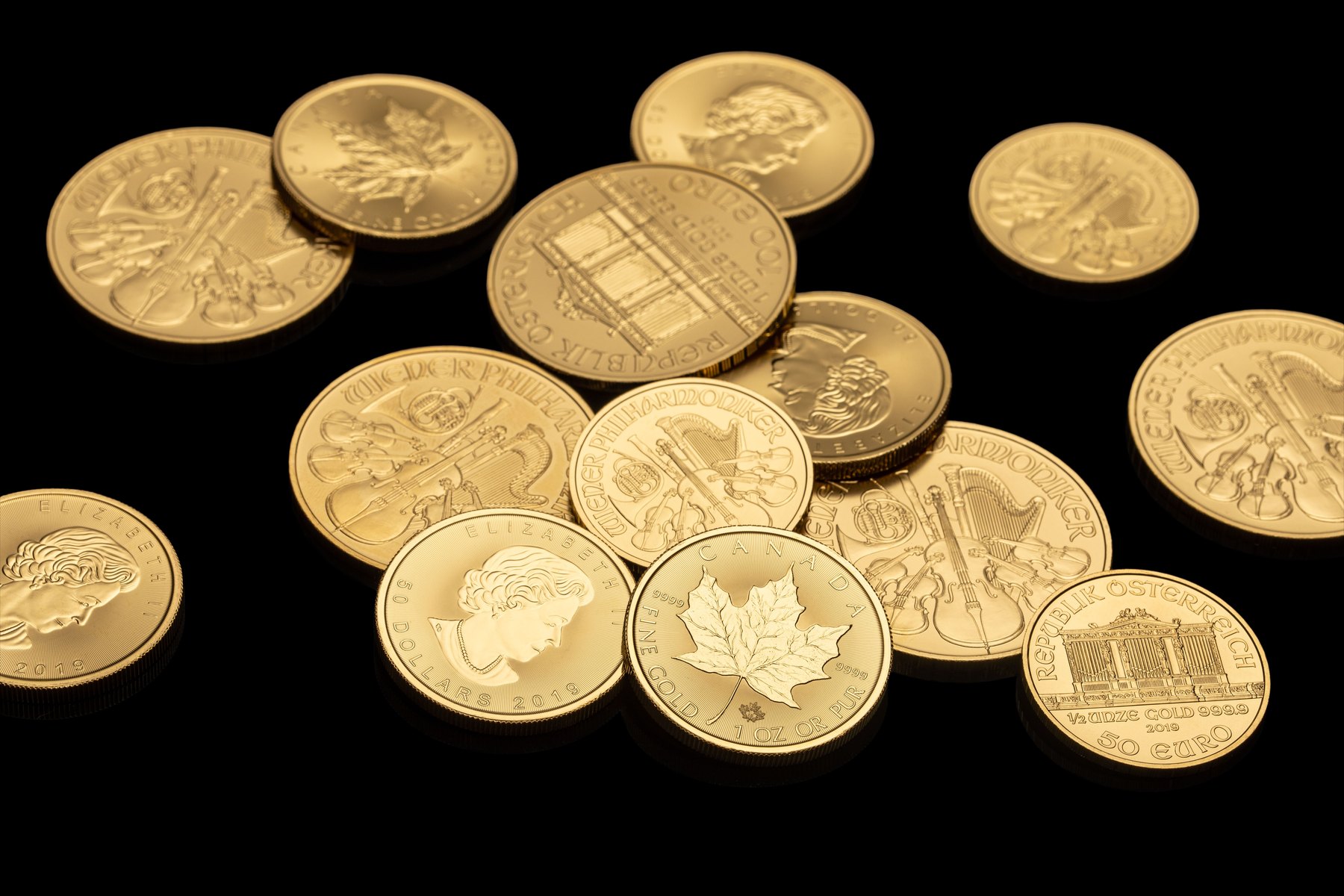
| American Gold Eagle and Canadian Gold Maple Leaf coins | Physical gold coins with wide recognition | Dealer premium, buyback policy, storage and insurance | Premiums and resale spreads can reduce net returns |
| American Silver Eagle coins | Physical silver with strong retail demand | Premiums (often high), storage space, resale spread | Premiums and bulky storage for larger amounts |
Costs that can erase “upside” (especially for physical metals)
Two investors can buy the same metal and get very different results because of costs. Before you buy, map the full round-trip cost: what you pay to get in, what you pay to hold, and what you lose when you sell.
Common cost categories
- Dealer premium: The amount above spot price for coins and bars.
- Bid-ask spread: The difference between what you can buy for and sell for.
- Shipping and insurance: Especially for physical delivery.
- Storage: Home safe, safe deposit box, or third-party vaulting.
- ETF expense ratio: Ongoing annual fee embedded in fund performance.
- Taxes: Depending on your country and account type, precious metals and related funds can be taxed differently than stocks.
| Cost/Risk checkpoint | Questions to ask | Why it matters |
|---|---|---|
| All-in buy cost | What is the premium above spot and the spread? | High entry costs raise the break-even price |
| Liquidity | How fast can you sell and at what discount? | Illiquidity can force a bad sale price |
| Storage plan | Where will it be stored and insured? | Loss or theft can be financially devastating |
| Counterparty risk | Is your exposure a fund, a dealer IOU, or physical? | Different structures carry different failure points |
| Tax handling | How is it taxed in your account type? | After-tax returns can differ from headline returns |
Timeline decision rules: under 1 year to 7+ years
Precious metals are not cash substitutes. If you might need the money soon, price swings and selling costs can matter more than “upside.” Use timeline rules to keep the decision grounded.
Under 1 year
- Prioritize liquidity and principal stability over upside.
- If you want metal exposure at all, keep it small and consider lower-friction vehicles (often ETFs) rather than high-premium physical products.
- For cash you cannot afford to lose, consider FDIC-insured deposit accounts and verify coverage limits and ownership categories at the FDIC.
1 to 3 years
- Keep metals as a modest diversifier, not the core of the plan.
- Silver’s volatility can be a poor match for short horizons unless your position size is small enough that a sharp drop would not change your plans.
3 to 7 years
- This is where a small, rules-based allocation can be more reasonable because you have time to wait out cycles.
- Consider rebalancing rules (example: once per year or when metals drift far from target).
7+ years
- Long horizons can tolerate volatility, but metals still do not produce cash flow like stocks or bonds.
- If you use metals, treat them as a diversifier and size them so you can hold through long flat periods.
What this looks like with real numbers: three sample allocations
Below are simplified examples to show how gold and silver might fit into a broader plan. These are not one-size-fits-all models. They are meant to help you sanity-check position size, timeline, and liquidity.
Scenario 1: $10,000 saved, goal is flexibility in the next 1 to 2 years
- $8,500 in an FDIC-insured savings account or money market deposit account (check current APY and fees)
- $1,000 in a broad stock index fund (for longer-term growth, knowing it can drop)
- $500 total in metals exposure (example: $400 gold ETF, $100 silver ETF)
Why: The plan keeps most money stable and liquid. Metals are small enough that a sharp move does not derail near-term needs.
Scenario 2: $50,000 invested, moderate risk tolerance, 5-year horizon
- $30,000 in diversified stock funds
- $15,000 in bond funds or high-quality fixed income
- $3,500 in gold exposure
- $1,500 in silver exposure
Total metals: $5,000 (10%). Gold vs. silver split: 70/30. Why: Gold is the anchor hedge; silver is a smaller satellite for potential cyclical upside.
Scenario 3: $200,000 portfolio, long horizon, wants a hedge but dislikes big swings
- $120,000 in diversified stock funds
- $70,000 in bonds and cash equivalents
- $8,000 in gold exposure
- $2,000 in silver exposure
Total metals: $10,000 (5%). Gold vs. silver split: 80/20. Why: Keeps volatility lower while still adding a diversifier.
Simple decision matrix: which metal has more upside for you?
Use this checklist to choose based on your goal rather than headlines.
If you answer “yes” to most of these, gold may fit better
- You want a hedge-like position that may hold up better in risk-off markets.
- You want lower volatility than silver.
- You prefer a larger, more liquid market.
- You are sizing metals modestly as portfolio insurance, not as a main growth engine.
If you answer “yes” to most of these, silver may have more upside potential for you
- You can tolerate larger price swings and potential multi-year drawdowns.
- You believe industrial demand and economic cycles could support higher rallies.
- You are comfortable keeping the position smaller to manage risk.
Borrowing to buy metals: what to watch before using credit
Because FreeLoan.org readers often think in terms of financing, it is worth being specific: buying volatile assets with borrowed money can magnify losses. If you are considering a personal loan, credit card, or margin to buy gold or silver, compare the borrowing cost to the realistic range of outcomes.
Practical guardrails
- Compare APR to expected volatility: If your loan APR is high, the metal must rise just to break even after interest.
- Avoid short repayment timelines: Metals can be flat or down for long stretches. A fixed monthly payment can force you to sell at a bad time.
- Check fees: Origination fees, balance transfer fees, and prepayment rules can change the math.
- Stress test cash flow: If the metal drops 25% and your income dips, can you still make payments without missing essentials?
Fraud and pricing traps to avoid when buying physical gold or silver
Physical metals attract scams because pricing is unfamiliar to many buyers. A few checks can reduce the odds of overpaying or buying something hard to resell.
- Know the spot price and typical premiums before you buy.
- Be cautious with “rare” or “collectible” coins pitched as investments. Collectibles can have wide spreads and depend on niche demand.
- Get the buyback policy in writing and ask how pricing is determined.
- Verify the seller and read common scam patterns at the FTC consumer advice site.
How to monitor your choice and rebalance
Metals can drift from “small diversifier” to “big bet” after a rally. A simple rebalancing rule can keep risk aligned with your plan.
- Set a target range: Example: metals 5% of portfolio, allowed range 3% to 7%.
- Rebalance on a schedule: Example: once per year.
- Or rebalance on thresholds: Example: if metals move more than 2 percentage points away from target.
Bottom line: which has more upside potential?
Silver often has more upside potential in the sense of bigger rallies, but it usually comes with bigger drawdowns and more sensitivity to economic cycles. Gold often has more upside potential as a stabilizer when confidence drops or real rates fall, even if its rallies can be less explosive.
A practical approach is to decide your total metals allocation first (often a modest percentage), then choose the split. Many investors who want both use gold as the core and silver as a smaller satellite. Whichever you choose, focus on total costs, liquidity, and a holding period long enough to survive volatility.
If you are also working on broader financial resilience, it can help to keep your credit profile healthy so you have options when you need them. You can review your credit reports for accuracy at AnnualCreditReport.com, the federally authorized source.
For questions about financial products and consumer protections, the Consumer Financial Protection Bureau has plain-English resources on common money decisions.


