

How to Invest in Nvidia

How to invest in Nvidia starts with choosing the type of exposure you want – owning the stock directly, buying an ETF that holds it, or using a retirement account to manage taxes and long-term goals.
Contents
41 sections
-
Quick snapshot: what you are buying when you buy NVDA
-
How to invest in Nvidia: 3 practical ways
-
1) Buy Nvidia stock (NVDA) directly
-
2) Buy an ETF that holds Nvidia
-
3) Invest through a retirement account (IRA or 401(k))
-
Choose a brokerage platform: named options to compare
-
Broker selection checklist
-
Decide how much Nvidia to own: concentration rules that keep you flexible
-
Simple position sizing rules many investors use
-
What this looks like with real numbers: 3 sample allocations
-
Scenario A: $5,000 to start investing (beginner, cautious)
-
Scenario B: $25,000 portfolio (moderate risk, long-term)
-
Scenario C: $100,000 portfolio (higher risk tolerance, still diversified)
-
Timeline decision rules: under 1 year, 1 to 3 years, 3 to 7 years, 7+ years
-
Under 1 year
-
1 to 3 years
-
3 to 7 years
-
7+ years
-
How to place a trade: order types that can reduce mistakes
-
Market order
-
Limit order
-
Recurring buys (dollar-cost averaging)
-
Stop loss and stop limit orders (use carefully)
-
Research Nvidia without getting lost: what to look at
-
Business drivers to track
-
Valuation and expectations
-
Taxes and accounts: what changes depending on where you buy
-
Taxable brokerage account
-
Traditional IRA or Roth IRA
-
401(k)
-
Risk management for a high-volatility stock
-
Build a cash buffer first
-
Avoid borrowing to buy stock unless you understand the downside
-
Watch out for scams and fake "stock tips"
-
Common mistakes when investing in Nvidia
-
Step-by-step: a simple plan you can follow
-
FAQ
-
Do I need a lot of money to invest in Nvidia?
-
Is it better to buy NVDA or an ETF?
-
Should I buy before or after earnings?
-
Where can I verify whether my cash is protected?
Nvidia (ticker: NVDA) is a large, widely followed technology company. It has been a major player in graphics processing units (GPUs) and has become closely tied to trends like artificial intelligence, data centers, and gaming. That popularity can bring big price swings, so it helps to have a plan before you place a trade.
Quick snapshot: what you are buying when you buy NVDA
When you buy Nvidia shares, you are buying a small ownership stake in the company. Your return comes from two main sources:
- Price changes – the stock can rise or fall based on earnings, guidance, competition, and overall market sentiment.
- Dividends (if paid) – some companies pay cash dividends. If Nvidia pays a dividend, it can change over time and is not guaranteed.
Because Nvidia is a single company, it carries company-specific risk. A product cycle, regulatory change, or competitive shift can impact the stock even if the overall market is doing fine.
How to invest in Nvidia: 3 practical ways
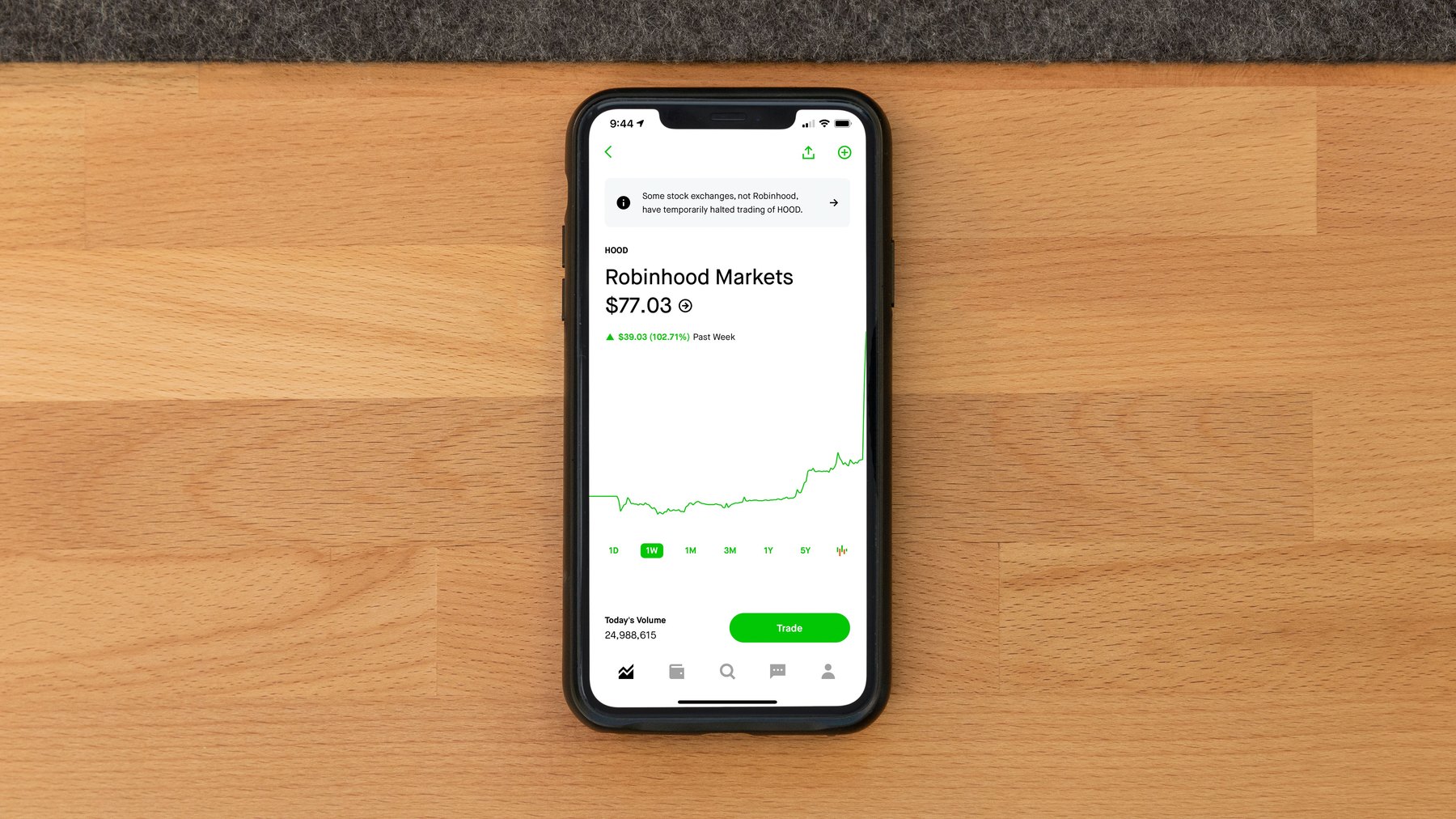
Most people invest in Nvidia through one of these paths. The right fit depends on how concentrated you want to be, your timeline, and how comfortable you are with volatility.
1) Buy Nvidia stock (NVDA) directly
This is the most direct approach. You choose how many shares (or fractional shares) to buy, and you control when to add, hold, or sell.
Best for: investors who want targeted exposure and are comfortable with single-stock risk.
Key choices you will make:
- Full shares vs fractional shares
- One-time purchase vs ongoing contributions
- Order type (market, limit, recurring)
2) Buy an ETF that holds Nvidia
Many broad index funds and tech-focused ETFs hold Nvidia. With an ETF, Nvidia is one holding among many, which can reduce the impact of a bad company-specific outcome.
Best for: investors who want Nvidia exposure but prefer diversification.
What to compare: expense ratio, fund strategy (broad market vs sector), and Nvidia’s weight in the fund.
3) Invest through a retirement account (IRA or 401(k))
You can often buy NVDA or an ETF inside a retirement account, depending on your plan’s options. The main advantage is usually tax structure, not better performance.
Best for: long-term investors who want a tax-advantaged framework and fewer reasons to trade frequently.
| Approach | Best fit | What to compare | Main drawback |
|---|---|---|---|
| Buy NVDA stock | Targeted exposure, you want control | Trading costs, fractional shares, order types | High single-stock concentration risk |
| Buy an ETF that holds NVDA | Prefer diversification | Expense ratio, holdings, NVDA weight | Less direct exposure to NVDA’s moves |
| Use IRA or 401(k) | Long-term goals, tax planning | Plan menu, fees, contribution limits | Less flexibility, possible withdrawal rules |
Choose a brokerage platform: named options to compare
To buy stock or ETFs, you typically need a brokerage account. Many brokers offer $0 commissions for online stock trades, but costs can still show up in other ways (like options fees, margin rates, foreign transaction fees, or account service charges). Here are recognizable platforms to compare:
| Broker or platform | Best fit | What to compare | Main drawback |
|---|---|---|---|
| Fidelity | All-around investing with strong research tools | Account fees, fractional shares, order types | Interface can feel complex for beginners |
| Charles Schwab | Long-term investors and banking integration | ETF selection, research, customer support | Some features require learning time |
| Vanguard | Buy-and-hold ETF investors | Trading experience, fund access, account minimums | Trading tools may feel basic |
| E*TRADE | Active traders who want tools and screeners | Platform features, options pricing, research | Tool-rich platforms can encourage overtrading |
| Robinhood | Simple mobile-first investing and fractional shares | Order handling, account features, margin costs | Research and support may be lighter than full-service brokers |
Broker selection checklist
- Costs you might actually pay: options fees, margin interest, wire fees, paper statement fees, fund expense ratios.
- Fractional shares: useful if you want to invest a set dollar amount regularly.
- Order types: limit orders and recurring buys can help you avoid impulsive timing.
- Cash management: how idle cash is handled and whether it is swept to an FDIC-insured bank program.
- Tax documents: easy access to 1099 forms and cost basis reporting.
Decide how much Nvidia to own: concentration rules that keep you flexible
Nvidia has had periods of rapid growth and sharp pullbacks. A practical way to manage that is to set a position-size rule before you buy.
Simple position sizing rules many investors use
- Core and satellite: keep most of your money in diversified funds (core) and a smaller slice in individual stocks (satellite).
- Single-stock cap: consider limiting any one stock to a set percentage of your portfolio, such as 1% to 5% for cautious investors or 5% to 10% for those comfortable with higher risk.
- Rebalance rule: if NVDA grows beyond your cap, sell enough to return to your target or add to other holdings instead of adding more NVDA.
| Risk check | Question to ask | Practical rule of thumb |
|---|---|---|
| Concentration | Would a 30% drop change your plans? | If yes, keep NVDA smaller or use an ETF |
| Time horizon | Do you need this money soon? | Short timelines usually call for less stock risk |
| Behavior | Do you check prices daily and react? | Use recurring buys and a written sell rule |
| Liquidity needs | Could you need cash for emergencies? | Build a cash buffer before buying volatile stocks |
What this looks like with real numbers: 3 sample allocations
Below are examples that show how someone might include Nvidia without letting one stock dominate the plan. These are illustrations, not a one-size-fits-all template.
Scenario A: $5,000 to start investing (beginner, cautious)
- $3,500 in a broad market index ETF
- $1,000 in a bond ETF or short-term Treasury fund
- $500 in NVDA (10% of the total)
Why it can work: you get some Nvidia exposure while most money stays diversified.
Scenario B: $25,000 portfolio (moderate risk, long-term)
- $17,500 in broad market index funds
- $5,000 in a tech or growth ETF (that may include NVDA)
- $2,500 in NVDA (10% of the total)
Decision rule: if NVDA grows to 15% of the portfolio, stop adding and rebalance back toward 10% over time.
Scenario C: $100,000 portfolio (higher risk tolerance, still diversified)
- $60,000 in broad market index funds
- $20,000 in international index funds
- $10,000 in bonds or Treasuries
- $10,000 in NVDA (10% of the total)
Why it can work: even with a meaningful NVDA position, most of the portfolio is spread across many companies and regions.
Timeline decision rules: under 1 year, 1 to 3 years, 3 to 7 years, 7+ years
Under 1 year
If you need the money within a year (rent, tuition, a down payment soon), a volatile single stock can be a poor match. Consider keeping that money in cash or short-term, high-quality options where price swings are typically smaller. If you hold cash at a bank, you can verify deposit insurance basics at the FDIC.
1 to 3 years
You may be able to take some market risk, but large drawdowns can still derail a near-term goal. If you want Nvidia exposure, consider keeping it a small slice and leaning more on diversified funds.
3 to 7 years
This is often a middle zone where stocks can make sense, but you still want a plan for volatility. A common approach is to use recurring contributions and rebalance annually.
7+ years
Long timelines can give you more room to ride out downturns. You can still manage risk by capping single-stock exposure and focusing on diversification and consistent contributions.
How to place a trade: order types that can reduce mistakes
Market order
Buys immediately at the best available price. It is simple, but the price can move quickly, especially in volatile stocks.
Limit order
You set the maximum price you are willing to pay. The trade only executes if the stock reaches your limit price. This can help you avoid surprise fills when prices jump.
Recurring buys (dollar-cost averaging)
Some brokers let you invest a fixed dollar amount weekly or monthly, including fractional shares. This can reduce the pressure to time the market perfectly.
Stop loss and stop limit orders (use carefully)
These orders can trigger a sale if the price falls to a certain level. In fast moves, they can sell at a worse price than expected or trigger on short-term volatility. If you use them, test your logic on paper first and understand how your broker handles stops.
Research Nvidia without getting lost: what to look at
You do not need to become an engineer to do basic stock research, but you should understand what drives the business and what could go wrong.
Business drivers to track
- Revenue mix: data center, gaming, professional visualization, automotive, and other segments can grow at different rates.
- Competition: rivals in chips and AI hardware can pressure margins or market share.
- Customer concentration: reliance on a few large buyers can increase risk.
- Supply chain and export rules: constraints or policy changes can affect sales.
Valuation and expectations
With popular growth stocks, a lot of future success can be priced in. If results are merely good instead of great, the stock can still fall. Compare Nvidia’s valuation metrics to its own history and to peers, and read earnings releases and guidance carefully.
Taxes and accounts: what changes depending on where you buy
Taxable brokerage account
- You may owe taxes on dividends and realized capital gains when you sell.
- Holding longer than a year can change how capital gains are taxed.
- Good recordkeeping matters. Your broker typically reports cost basis, but you should still understand it.
For official tax information and common investor topics, you can start at the IRS.
Traditional IRA or Roth IRA
- These accounts can change when and how taxes apply, depending on the account type and rules.
- Contribution limits and income rules may apply, so check current IRS guidance.
401(k)
- Many plans do not allow individual stocks, but may offer index funds or sector funds that include Nvidia.
- Fees vary by plan, so review your plan’s disclosures.
Risk management for a high-volatility stock
Build a cash buffer first
If you are investing money you might need for emergencies, you can be forced to sell at a bad time. Many households aim for 3 to 12 months of essential expenses in an emergency fund, depending on job stability and fixed bills.
Avoid borrowing to buy stock unless you understand the downside
Margin loans can amplify gains and losses. A decline can trigger a margin call, forcing you to add cash or sell. If you are already paying high-interest debt, compare the guaranteed cost of interest to the uncertain return of a stock investment.
Watch out for scams and fake “stock tips”
Impersonators and paid groups sometimes push hype around popular tickers. If someone pressures you to act fast or share account details, slow down and verify. The FTC has resources on spotting and reporting fraud.
Common mistakes when investing in Nvidia
- Buying too large a position too fast: start smaller and add over time if it still fits your plan.
- Confusing a great company with a great price: strong products do not always mean the stock is priced for easy gains.
- Trading around headlines: big news can move the stock quickly, and reversals are common.
- Ignoring diversification: if your job or other investments already depend on tech, you may be more concentrated than you think.
Step-by-step: a simple plan you can follow
- Pick your exposure: NVDA stock, an ETF that holds it, or both.
- Set a cap: choose a maximum percentage for NVDA (example: 5% to 10%).
- Choose an account: taxable, IRA, or 401(k) option based on your goal and timeline.
- Select a broker: compare costs, tools, and fractional share support.
- Use a limit order or recurring buy: reduce impulsive timing decisions.
- Review quarterly: check whether the position still fits your risk level and rebalance if needed.
FAQ
Do I need a lot of money to invest in Nvidia?
Not necessarily. Many brokers offer fractional shares, so you can invest a set dollar amount. What matters more is whether the investment fits your budget after essentials, emergency savings, and high-interest debt payments.
Is it better to buy NVDA or an ETF?
Buying NVDA is more concentrated. An ETF can spread risk across many companies. If you want Nvidia exposure but worry about volatility, an ETF that includes Nvidia can be a middle ground.
Should I buy before or after earnings?
Earnings can cause big price moves in either direction. If you are investing long-term, a recurring purchase plan can reduce the pressure to pick the perfect day.
Where can I verify whether my cash is protected?
If you are holding cash at a bank, you can review deposit insurance details at the FDIC. If your brokerage sweeps cash to partner banks, check the broker’s sweep program details.
Investing in Nvidia can be as simple as buying a small, planned position and sticking to clear rules on diversification, timeline, and rebalancing. The goal is not to predict the next move, but to build a setup you can live with through both rallies and pullbacks.


