

How to Invest in Silver

How to invest in silver starts with choosing the type of exposure you want: owning physical metal, buying a fund, or investing in companies tied to silver prices.
Contents
37 sections
-
What moves silver prices (and why it matters)
-
How to invest in silver: 6 common ways
-
1) Physical silver coins and bars
-
2) Silver ETFs backed by physical metal
-
3) Closed end trusts and physical products with different structures
-
4) Silver mining stocks
-
5) Mining ETFs
-
6) Futures and options (advanced)
-
Comparison table: silver investing options (with named examples)
-
Costs checklist: what you pay (and what people forget)
-
Timeline decision rules: under 1 year to 7+ years
-
Under 1 year
-
1 to 3 years
-
3 to 7 years
-
7+ years
-
What investing in silver looks like with real numbers
-
Scenario A: New investor building a base (portfolio: $5,000)
-
Scenario B: Balanced investor adding a small hedge (portfolio: $25,000)
-
Scenario C: Higher risk tolerance, willing to diversify across vehicles (portfolio: $100,000)
-
How to buy physical silver step by step
-
Step 1: Choose coins vs bars
-
Step 2: Compare total delivered price
-
Step 3: Plan storage before you buy
-
Step 4: Keep documentation
-
Taxes and reporting basics to know
-
Avoiding common silver investing mistakes
-
Overpaying for premiums and collectibles
-
Buying without an exit plan
-
Using leverage without a risk limit
-
Letting silver crowd out emergency savings
-
Fraud and scam red flags when buying silver
-
Quick decision checklist
-
Frequently asked questions
-
Is silver a good investment?
-
Is it better to buy silver coins or an ETF?
-
How much silver should I own?
-
Where can I check current silver prices?
Silver can play different roles in a portfolio. Some people use it as a small diversifier, some as an inflation hedge, and others trade it for short term price moves. Silver prices can be volatile, and the best approach depends on your timeline, your need for liquidity, and how much complexity you are willing to manage.
What moves silver prices (and why it matters)
Before you buy, it helps to know what you are actually betting on. Silver is both a precious metal and an industrial input, so it can behave differently from gold.
- Industrial demand: Electronics, solar panels, medical uses, and other manufacturing can push demand up or down.
- Investor demand: When investors seek hard assets, silver can rise. When risk appetite changes, it can fall quickly.
- US dollar and real interest rates: A stronger dollar and higher real yields can pressure precious metals, while the opposite can support them.
- Supply constraints: Mining output, recycling, and geopolitical issues can affect supply.
- Market structure: Futures positioning and short term flows can amplify swings.
Decision rule: if you would be stressed by a 20% to 40% drop in a year, keep silver as a small slice of your overall investments or consider skipping it.
How to invest in silver: 6 common ways
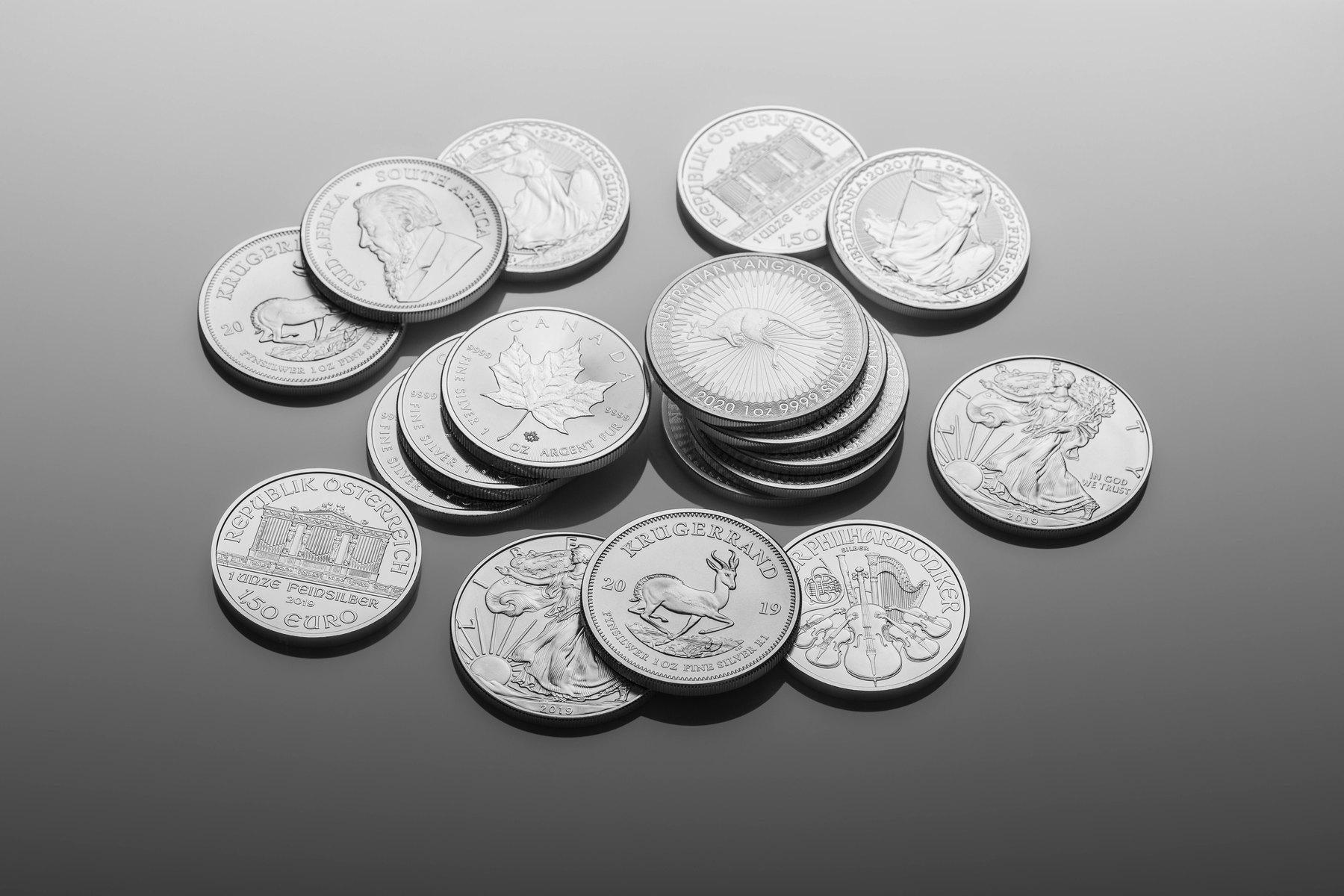
These are the main routes investors use. Each has different costs, tax treatment, and practical hassles.
1) Physical silver coins and bars
Buying coins or bars gives you direct ownership. You pay the market price (spot) plus a premium, and you will likely sell at spot minus a dealer spread.
- Common products: American Silver Eagle coins, Canadian Maple Leaf coins, Austrian Philharmonics, and generic rounds or bars from recognized refiners.
- Key costs: Premiums, shipping, insurance, storage, and the buy-sell spread.
- Best for: People who want tangible ownership and are comfortable handling storage and resale.
- Main drawback: Friction costs can be high, especially for small purchases.
2) Silver ETFs backed by physical metal
Exchange traded funds can track silver prices without you storing metal. You buy and sell like a stock in a brokerage account.
- Examples: iShares Silver Trust (SLV), Aberdeen Standard Physical Silver Shares ETF (SIVR).
- Key costs: Expense ratio, bid-ask spread, and brokerage commissions if applicable.
- Best for: Investors who want liquidity and simple portfolio management.
- Main drawback: You do not hold specific bars in your hands, and fund structure details matter.
3) Closed end trusts and physical products with different structures
Some products hold allocated metal with different custody and redemption rules than typical ETFs.
- Examples: Sprott Physical Silver Trust (PSLV).
- What to compare: Premium or discount to net asset value, custody arrangements, and liquidity.
- Main drawback: The market price can deviate from the value of the underlying silver.
4) Silver mining stocks
Mining companies can rise more than silver in bull markets, but they can also fall harder because business risks stack on top of metal price risk.
- Examples: Pan American Silver (PAAS), First Majestic Silver (AG).
- What to compare: Costs per ounce, debt levels, political risk where mines operate, and how much revenue is truly from silver versus other metals.
- Main drawback: Company specific issues can dominate even if silver prices rise.
5) Mining ETFs
Funds can diversify single company risk across a basket of miners.
- Examples: Global X Silver Miners ETF (SIL), VanEck Gold Miners ETF (GDX) if you want broader precious metals miners exposure.
- Main drawback: Still equity risk, and holdings may include companies with limited pure silver exposure.
6) Futures and options (advanced)
Derivatives can provide leverage, but they also increase the chance of large losses and margin calls. They are typically used by experienced traders who can manage position sizing and risk controls.
- Best for: Short term strategies with strict risk limits.
- Main drawback: Complexity, leverage risk, and potential for losses beyond the initial investment in some setups.
Comparison table: silver investing options (with named examples)
| Option | Best fit | What to compare | Main drawback |
|---|---|---|---|
| Physical coins (American Silver Eagle, Canadian Maple Leaf) | Hands on owners who want tangible metal | Dealer premium, buyback spread, authenticity, storage plan | Higher friction costs and storage responsibility |
| Physical bars (recognized refiners) | Lower premium per ounce at larger sizes | Bar size, premium, resale liquidity, assay needs | Harder resale for very large bars |
| Silver ETF (SLV) | Simple, liquid exposure in brokerage accounts | Expense ratio, bid-ask spread, tracking, tax treatment | No direct possession of metal |
| Silver ETF (SIVR) | Cost conscious investors seeking similar exposure | Expense ratio, liquidity, tracking, brokerage access | Same market volatility as silver itself |
| Physical trust (PSLV) | Investors who prefer a trust structure | Premium or discount to NAV, liquidity, custody details | Can trade away from underlying value |
| Mining stocks (PAAS, AG) | Investors seeking potential upside with business risk | Balance sheet, costs, jurisdictions, production guidance | Company risks can outweigh silver price moves |
| Mining ETF (SIL) | Diversified miner exposure without picking stocks | Holdings, concentration, fees, silver purity of revenue | Equity market risk and sector drawdowns |
Costs checklist: what you pay (and what people forget)
Silver returns are easy to overestimate if you ignore the all in costs. Use this checklist before you buy.
| Cost or friction | Where it shows up | Why it matters | Quick way to compare |
|---|---|---|---|
| Premium over spot | Physical coins and bars | You start with an immediate headwind | Compare price per ounce across dealers on the same day |
| Buy-sell spread | Physical and ETFs | Wider spreads raise your break even point | Check dealer buyback quotes and ETF bid-ask spreads |
| Shipping and insurance | Physical delivery | Can be meaningful for small orders | Estimate total delivered cost per ounce |
| Storage | Home safe or vault | Ongoing cost and theft risk tradeoff | Price annual storage and insurance as a percent of value |
| Fund expense ratio | ETFs and trusts | Small annual drag that compounds over time | Compare expense ratios and tracking difference |
| Taxes | Physical and some funds | After tax returns can differ from stock index investing | Review IRS collectibles rules and your holding period |
Timeline decision rules: under 1 year to 7+ years
Silver can fit different goals, but the timeline changes what makes sense.
Under 1 year
- Focus on liquidity and low transaction costs.
- Decision rule: if you might need the money soon, avoid large physical purchases with high premiums and spreads.
- Consider whether a small position via a liquid ETF fits your risk tolerance better than physical metal.
1 to 3 years
- Expect volatility and plan for drawdowns.
- Decision rule: keep position sizes modest and avoid leverage unless you can manage losses without disrupting other goals.
- If buying physical, prefer widely recognized coins for easier resale.
3 to 7 years
- You have more time to ride out cycles, but costs still matter.
- Decision rule: choose the structure you can stick with. If storage and resale are a hassle, a low cost fund may be easier to hold.
- Rebalance rules can help: for example, trim if silver grows far beyond your target allocation.
7+ years
- Long holding periods make ongoing fees and taxes more important.
- Decision rule: prioritize low ongoing costs, clear custody, and a plan for how you will sell.
- Consider whether a diversified portfolio still meets your goals without relying heavily on a single commodity.
What investing in silver looks like with real numbers
There is no single right allocation. Many diversified investors keep commodities and precious metals as a smaller slice because of volatility and lack of cash flow. Below are three sample allocations that add up correctly. They are examples to help you think through tradeoffs, not a one size fits all plan.
Scenario A: New investor building a base (portfolio: $5,000)
- $4,500 in a diversified stock and bond mix (core holdings)
- $250 in a silver ETF (simple exposure)
- $250 in physical coins (learning experience and tangible ownership)
Decision rule: keep silver at 0% to 10% while you build emergency savings and pay down high interest debt.
Scenario B: Balanced investor adding a small hedge (portfolio: $25,000)
- $22,500 in diversified core investments
- $1,500 in a silver ETF or trust
- $1,000 in physical silver (coins or small bars)
Decision rule: if you choose physical, set a minimum order size so shipping and premiums do not dominate. Track your all in cost per ounce.
Scenario C: Higher risk tolerance, willing to diversify across vehicles (portfolio: $100,000)
- $92,000 in diversified core investments
- $4,000 in a silver ETF
- $2,000 in physical silver
- $2,000 in a silver miners ETF or a basket of miners
Decision rule: cap miners as a smaller slice than metal exposure because company and equity market risks can stack up.
How to buy physical silver step by step
Step 1: Choose coins vs bars
- Coins: Often easier to resell and recognize, sometimes higher premiums.
- Bars: Often lower premium per ounce at larger sizes, may be less convenient to sell in small amounts.
Step 2: Compare total delivered price
When comparing dealers, look at the total cost per ounce including shipping and insurance. Compare the same product type and size on the same day.
Step 3: Plan storage before you buy
- Home storage: Convenient, but requires a realistic theft and fire plan.
- Bank safe deposit box: Can be an option, but access is limited to bank hours and policies vary.
- Third party vaulting: Adds cost, but may improve security and insurance options.
Step 4: Keep documentation
Save invoices, product descriptions, and any serial numbers for bars. This helps with resale and recordkeeping.
Taxes and reporting basics to know
Taxes can change the after tax result, especially for physical metals and certain funds. The IRS often treats precious metals as collectibles, which can have different capital gains rules than stocks. If you are unsure how a specific product is taxed in your situation, review the IRS guidance and your brokerage tax documents.
- Start here for general tax information: https://www.irs.gov/
Avoiding common silver investing mistakes
Overpaying for premiums and collectibles
High premium items can make it harder to break even. If your goal is price exposure, compare standard bullion products first.
Buying without an exit plan
Know how you would sell: local dealer, online dealer buyback, peer to peer, or through your brokerage for ETFs. Each route has different spreads and timing.
Using leverage without a risk limit
Leverage can magnify losses. If you cannot define your maximum loss and stick to it, avoid leveraged products.
Letting silver crowd out emergency savings
If an unexpected expense would push you to carry high interest debt, prioritize a cash buffer first. For a refresher on how deposit insurance works for bank accounts, see the FDIC: https://www.fdic.gov/
Fraud and scam red flags when buying silver
Precious metals attract scams, especially during periods of market stress. Watch for these warning signs:
- Pressure to buy immediately or claims of limited time deals
- Promises of unusually high returns or guaranteed buybacks at a profit
- High fee storage programs that are hard to verify
- Unclear pricing that does not reference spot price and premiums
- Reluctance to provide written invoices and product details
For practical guidance on spotting scams and deceptive practices, review the FTC resources: https://consumer.ftc.gov/
Quick decision checklist
- Goal: Diversification, inflation hedge, or short term trading?
- Timeline: Under 1 year, 1 to 3, 3 to 7, or 7+ years?
- Vehicle: Physical, ETF, trust, miners, or a mix?
- Costs: Premiums, spreads, storage, and fund fees?
- Liquidity: How fast can you sell at a fair price?
- Risk limit: What percent drop can you tolerate without changing your plan?
Frequently asked questions
Is silver a good investment?
Silver can be useful as a small diversifier, but it is volatile and does not produce cash flow like dividends or interest. Whether it fits depends on your goals, timeline, and how much price swing you can tolerate.
Is it better to buy silver coins or an ETF?
Coins can provide direct ownership but often come with higher premiums and storage needs. ETFs are usually easier to buy and sell and can have lower friction costs, but you are relying on the fund structure rather than holding metal directly.
How much silver should I own?
Many people who use silver at all keep it as a smaller slice of a diversified portfolio. A practical way to decide is to pick a target range, such as 0% to 10%, then rebalance if it grows far beyond that range.
Where can I check current silver prices?
Most major financial news sites and brokerage platforms show spot prices. When buying physical silver, compare the dealer price to spot and focus on the premium and buyback spread.
If you want the simplest starting point, decide on a small target allocation, choose a vehicle you can manage, compare total costs, and set a clear rule for when you would add, hold, or trim your position.


