

Item Prices That Have Survived Inflation

Inflation-resistant items can feel like a small win when everything else is getting more expensive, but it helps to understand why some prices stay stable and how to use that knowledge in your budget.
Contents
34 sections
-
What makes some prices resist inflation?
-
Decision rule: always check the unit price
-
Inflation-resistant items you may already buy
-
1) Generic over-the-counter medications
-
2) Eyeglasses and contact lenses (when you shop online)
-
3) Prepaid wireless plans
-
4) Streaming and digital subscriptions (if you rotate)
-
5) Big-box staples with predictable unit costs
-
6) Used goods and refurbished electronics
-
7) Library and community resources
-
Inflation-resistant items vs. inflation-resistant strategies
-
Strategy A: Lock in unit costs with subscriptions you control
-
Strategy B: Substitute without sacrificing quality
-
Strategy C: Time purchases around predictable cycles
-
Inflation-resistant items checklist: how to verify a "stable price"
-
How stable prices can help you borrow smarter
-
Use stable categories to protect your "fixed payment" commitments
-
Decision rule: keep payment room for volatility
-
Real-number examples: making your budget more inflation resistant
-
Scenario 1: Single renter trying to avoid new credit card debt
-
Scenario 2: Family of four planning for a replacement car in 12 months
-
Scenario 3: Paying down a $4,000 credit card balance while prices fluctuate
-
Timeline decision rules: where stable prices matter most
-
Under 1 year
-
1 to 3 years
-
3 to 7 years
-
7+ years
-
Comparison table: common ways people keep costs stable
-
How to spot "stable price" traps
-
Shrinkflation and package redesigns
-
Introductory pricing that resets higher
-
Financing add-ons that raise the true cost
-
Tools and trustworthy resources for tracking prices and protecting credit
-
Quick action plan
Not every “stable price” story is permanent. Some items look steady because of technology improvements, global competition, subsidies, or shrinking package sizes. Others stay stable only if you buy at the right time, choose the right store, or switch brands. The goal is not to chase a perfect list. It is to build a spending plan that assumes price swings and still works.
What makes some prices resist inflation?
Prices usually rise when inputs rise: labor, fuel, rent, ingredients, shipping, and interest costs. Items resist inflation when one or more counterforces are strong:
- Technology gets cheaper – production improves and costs drop (common with electronics).
- Intense competition – many sellers fight for market share, limiting price increases (common with commodity-like goods).
- Global supply chains – sourcing from lower-cost regions can offset local cost increases.
- Substitution is easy – if shoppers can switch brands quickly, sellers have less pricing power.
- Regulation or subsidies – some categories are influenced by policy, rebates, or negotiated pricing.
- Shrinkflation – the sticker price stays similar, but the size gets smaller, raising the unit price.
Decision rule: always check the unit price
If the shelf price looks unchanged, confirm the price per ounce, price per count, or price per sheet. A “stable” $3.99 item that quietly drops from 16 oz to 14 oz is not actually stable.
Inflation-resistant items you may already buy
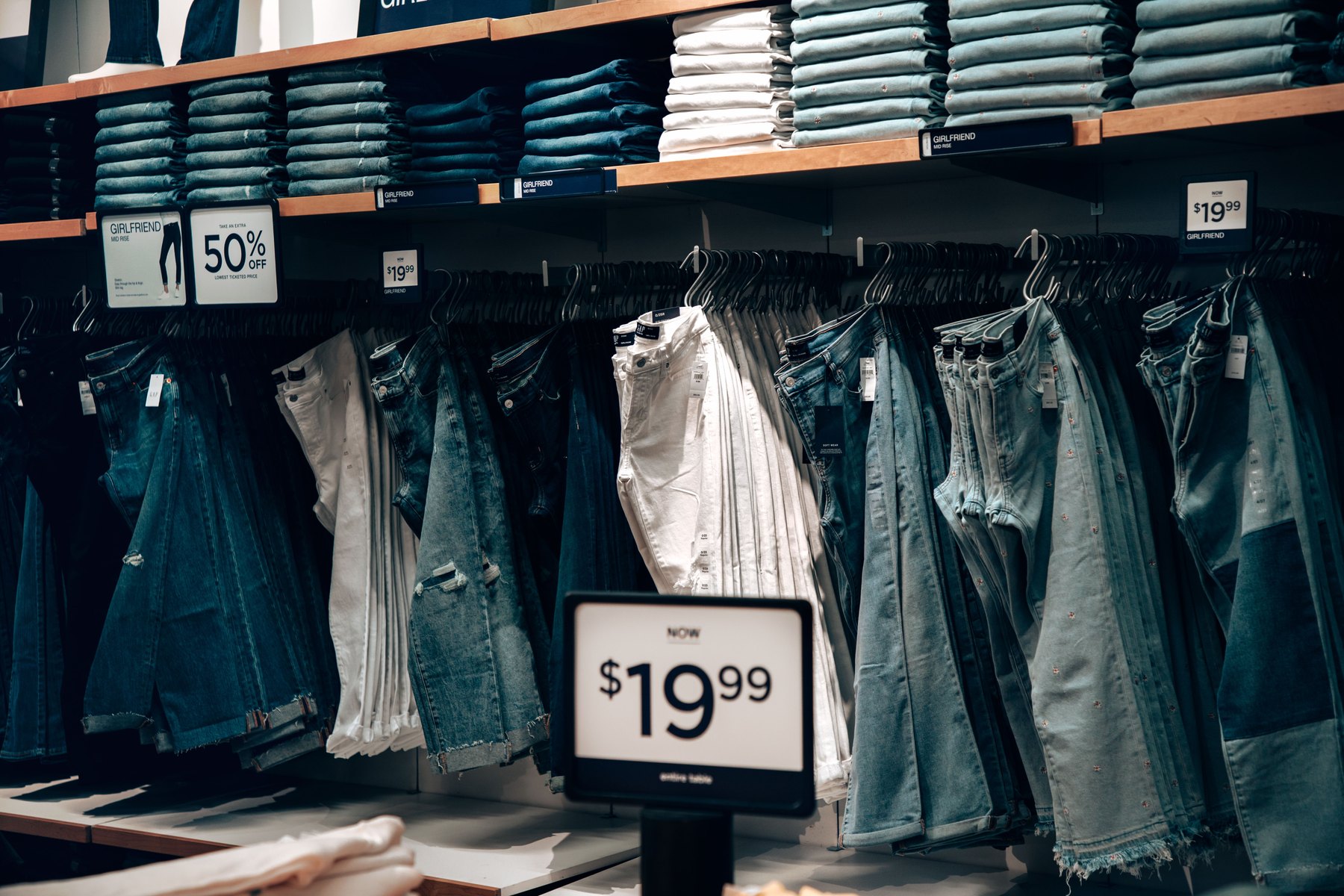
Below are categories that often show slower price growth over time, or at least offer reliable ways to keep your out-of-pocket cost steady. Your local results will vary by region and timing, so treat these as starting points for comparison shopping.
1) Generic over-the-counter medications
Store-brand pain relievers, allergy meds, and antacids often stay competitively priced because multiple manufacturers produce equivalent active ingredients. The key is comparing the active ingredient and dosage, not the brand name.
- What to do: Compare “cost per dose” and active ingredient (for example, ibuprofen 200 mg).
- Watch for: Different pill counts and “bonus” packaging that changes unit cost.
2) Eyeglasses and contact lenses (when you shop online)
Vision costs can be controlled by using your prescription and shopping across retailers. Frames and lenses have seen strong competition, and online sellers often keep entry-level prices relatively stable.
- What to do: Ask for your prescription and pupillary distance, then compare total cost with shipping and lens add-ons.
- Watch for: Upcharges for thin lenses, coatings, and returns.
3) Prepaid wireless plans
Wireless is a category where competition and technology improvements can keep the cost per gigabyte from rising as fast as other household bills. Many people can hold their monthly cost steady by switching from postpaid to prepaid or by adjusting data needs.
- What to do: Compare total monthly cost, taxes and fees, hotspot limits, and coverage in your area.
- Watch for: Promotional pricing that later increases, and deprioritization during network congestion.
4) Streaming and digital subscriptions (if you rotate)
Subscription prices do rise, but you can keep your personal spending flat by rotating services. This is “inflation-resistant” in a practical sense: you control the bundle.
- What to do: Keep one or two services at a time and cancel the rest. Re-subscribe when a show you want returns.
- Watch for: Annual plans that auto-renew and price increases mid-year.
5) Big-box staples with predictable unit costs
Household basics like rice, beans, oats, pasta, frozen vegetables, and store-brand cleaning supplies can be relatively stable when bought in larger sizes, especially at warehouse clubs or big-box stores. Even when prices rise, the unit price can remain more predictable than convenience-size purchases.
- What to do: Buy sizes you can actually use before they expire and store them properly.
- Watch for: Buying too much and wasting food, which raises your real cost.
6) Used goods and refurbished electronics
Secondhand markets can soften inflation because you are buying from individuals or refurbishers, not paying full retail. Prices can still fluctuate, but you often have more negotiating power.
- What to do: Compare refurbished with warranty vs used as-is. Check return policies.
- Watch for: Battery health, missing accessories, and counterfeit items.
7) Library and community resources
Some of the most “inflation-resistant” options are free or low-cost services: library ebooks, audiobooks, museum passes, tool libraries, and community classes. The sticker price is stable because it is publicly funded or community-supported.
- What to do: Ask your library about digital apps, passes, and lending programs.
- Watch for: Waitlists and limited availability.
Inflation-resistant items vs. inflation-resistant strategies
It is usually easier to control how you buy than to find a magic product that never increases in price. Use these strategies to make more of your spending “inflation resistant.”
Strategy A: Lock in unit costs with subscriptions you control
Some essentials (like household goods) can be bought in bulk or on a predictable schedule. The win comes from avoiding last-minute convenience purchases.
Strategy B: Substitute without sacrificing quality
If you can switch brands, sizes, or stores quickly, you can keep your spending steadier even when prices move.
Strategy C: Time purchases around predictable cycles
Many categories have seasonal discounts. You are not trying to time the economy. You are timing your own purchases.
- Winter clothing often discounts late winter.
- Electronics often discount around major retail events.
- Gym memberships may discount around New Year promotions, but check contract terms.
Inflation-resistant items checklist: how to verify a “stable price”
| Check | What to look for | Why it matters | Quick rule |
|---|---|---|---|
| Unit price | $/oz, $/count, $/sheet | Reveals shrinkflation | Buy the lowest unit price you will actually use |
| Total cost | Shipping, taxes, add-ons | Low sticker price can hide fees | Compare “out the door” totals |
| Quality and returns | Warranty, return window | Cheap items can cost more if they fail | Pay more when replacement risk is high |
| Substitutes | Comparable brands or formats | More substitutes means better pricing power for you | Keep 2 backup options |
| Price history | Past receipts, store apps, trackers | Shows what “normal” is for you | Reorder only when at or below your normal unit price |
How stable prices can help you borrow smarter
Inflation affects borrowing in two main ways: it can push interest rates higher, and it can squeeze your monthly cash flow. Stable-price categories help you build a budget with fewer surprises, which can make it easier to choose a loan payment you can actually maintain.
Use stable categories to protect your “fixed payment” commitments
Before taking on a new monthly payment (auto loan, personal loan, buy now pay later plan, or credit card balance transfer), identify which parts of your budget are most likely to jump. Then offset them by tightening categories where you can keep costs stable.
Decision rule: keep payment room for volatility
If your essentials (food, utilities, insurance) are volatile, avoid stacking too many fixed payments. A common planning approach is to leave a buffer in your monthly budget so a spike in groceries or gas does not force you into credit card debt.
Real-number examples: making your budget more inflation resistant
These scenarios show how stable-price choices can free up cash flow. The numbers are examples, not guarantees. Use your own receipts and bills to adjust.
Scenario 1: Single renter trying to avoid new credit card debt
Monthly take-home pay: $3,200
Goal: Create a buffer so price spikes do not go on a card.
| Category | Before | After | How |
|---|---|---|---|
| Groceries | $450 | $380 | Shift 25% to predictable staples and unit-price buys |
| Wireless | $85 | $45 | Compare prepaid plans and data needs |
| Subscriptions | $55 | $20 | Rotate services monthly |
| Buffer (sinking fund) | $0 | $145 | Automatic transfer after payday |
Resulting plan: The “after” budget redirects $145 per month into a buffer for irregular costs like car repairs, medical copays, or higher utility bills.
Scenario 2: Family of four planning for a replacement car in 12 months
Monthly take-home pay: $6,500
Goal: Save $6,000 for a down payment without relying on a longer loan term.
Monthly savings target: $500 (12 months x $500 = $6,000)
- Cut $120 by switching to store-brand OTC meds, toiletries, and cleaning supplies where acceptable.
- Cut $80 by reducing food waste and buying predictable staples in sizes you will use.
- Cut $100 by shopping refurbished for a needed tablet or laptop instead of buying new.
- Cut $200 by reviewing insurance deductibles and shopping around at renewal (compare coverage apples to apples).
Decision rule for the car timeline (under 1 year): Keep the down payment in a liquid account where the value does not swing. If you are using a savings account, confirm it is FDIC-insured and check current rates and terms.
Scenario 3: Paying down a $4,000 credit card balance while prices fluctuate
Monthly amount available for debt payoff: $300
Goal: Keep payments consistent by stabilizing a few spending categories.
Allocation that adds up:
- $220 to credit card payment
- $50 to a small buffer fund
- $30 to “price spike” category (gas or groceries) to reduce month-to-month surprises
Decision rule: If you are using a 0% promotional APR offer or balance transfer, compare the transfer fee, the length of the promotional period, and what the APR becomes after it ends.
Timeline decision rules: where stable prices matter most
Under 1 year
- Prioritize predictable cash flow: groceries, utilities, transportation, and subscriptions.
- Avoid locking into new monthly payments unless the budget buffer is already in place.
- Build a small emergency cushion, even if it is modest, to avoid high-interest debt for surprises.
1 to 3 years
- Use “stable price” tactics to fund sinking funds: car maintenance, medical, travel, and home repairs.
- If considering a personal loan for consolidation, compare APR, origination fees, term length, and total interest paid.
- Keep an eye on insurance renewals, which can rise faster than many other categories.
3 to 7 years
- Focus on big recurring costs: housing, transportation, childcare, and insurance.
- When financing a car, compare total cost, not just monthly payment. A longer term can lower the payment but raise total interest.
- Use stable categories to protect your ability to handle rate changes on variable-rate products.
7+ years
- Plan for categories that historically outpace inflation for many households, such as healthcare and housing in some regions.
- Build flexibility: avoid overcommitting to fixed payments that leave no room for future cost increases.
- Review credit health periodically so you have more options if you need to refinance or borrow later.
Comparison table: common ways people keep costs stable
This table is not about picking a single “best” option. It shows recognizable choices people use to make spending more predictable, plus what to compare before switching.
| Option | Best fit | What to compare | Main drawback |
|---|---|---|---|
| Costco (warehouse club) | Families and high-usage households | Membership cost, unit prices, storage, waste risk | Bulk buys can increase waste if you overbuy |
| Walmart (big-box retail) | Everyday staples and broad availability | Unit price, store-brand equivalents, pickup fees | Impulse buys can erase savings |
| Amazon (subscribe and save) | Repeat household items you know you use | Final price after discounts, cancellation ease, delivery timing | Prices can change between orders |
| Zenni Optical (online glasses) | Budget frames and backup pairs | Total cost with lens add-ons, returns, shipping time | Fit and adjustments can be harder than in-store |
| Warby Parker (glasses) | People who want try-on options and brand styling | Lens inclusions, insurance use, return policy | May cost more than lowest-cost online options |
| Mint Mobile (prepaid wireless) | People comfortable paying for multiple months upfront | Coverage, data limits, renewal pricing, taxes and fees | Upfront payment and coverage varies by area |
| T-Mobile (postpaid wireless) | People who want in-store support and bundled features | Total bill with fees, device financing terms, autopay rules | Postpaid plans can cost more than prepaid |
How to spot “stable price” traps
Shrinkflation and package redesigns
If the package looks new, re-check the net weight or count. Your best defense is unit price tracking.
Introductory pricing that resets higher
This is common with subscriptions and wireless. Put renewal dates on your calendar and review the bill before the price changes.
Financing add-ons that raise the true cost
When buying an item with a “stable” sticker price, financing can change the total cost dramatically. Compare:
- APR and whether it is fixed or variable
- Origination fees or dealer fees
- Loan term and total interest paid
- Prepayment penalties (if any)
Tools and trustworthy resources for tracking prices and protecting credit
- Check your credit reports at AnnualCreditReport.com so errors do not raise your borrowing costs.
- Learn how interest, fees, and payment allocation work with credit products at the Consumer Financial Protection Bureau (CFPB).
- For scam and deceptive pricing guidance, review alerts from the Federal Trade Commission (FTC).
- To understand deposit insurance basics for savings accounts, visit the FDIC.
Quick action plan
- Pick 10 items you buy every month and write down their unit prices.
- Choose 3 inflation-resistant items to switch to (store-brand OTC meds, staples in bulk, prepaid wireless, rotating subscriptions).
- Create one buffer line in your budget (even $25 to $150 per month) to absorb price spikes.
- Before new debt, run the payment through your budget with a cushion for volatile categories.
- Review quarterly: if unit prices rise, adjust brands, sizes, or stores instead of defaulting to credit.
Inflation-resistant items are less about finding a perfect price that never changes and more about building a system: unit pricing, substitution, and timing. When you combine those habits with a buffer, your budget can handle inflation without forcing expensive borrowing decisions.


