

Inflation Worse Under Trump or Harris? How to Think About Prices, Policy, and Your Money

Inflation worse under Trump or Harris is a question many households ask when prices feel unpredictable and budgets are tight.
Contents
36 sections
-
What inflation is and why it feels different for every household
-
Two inflation measures you will hear about
-
Inflation worse under Trump or Harris: what actually moves prices
-
1) The Federal Reserve and interest rates
-
2) Energy and global shocks
-
3) Housing supply and rent
-
4) Trade policy and tariffs
-
5) Fiscal policy: taxes, spending, and deficits
-
6) Labor supply, immigration, and productivity
-
How a Trump administration might affect inflation (mechanisms, not predictions)
-
Tariffs and trade restrictions
-
Immigration and labor supply
-
Energy policy
-
Taxes and spending
-
How a Harris administration might affect inflation (mechanisms, not predictions)
-
Targeted cost relief and subsidies
-
Housing supply and affordability initiatives
-
Regulation and competition policy
-
Taxes and spending
-
A practical way to compare inflation risk under either candidate
-
What this means for borrowers: rates, credit cards, and loan choices
-
Decision rules by timeline
-
Credit cards: the inflation trap
-
Auto loans and personal loans
-
Real number examples: how to plan when inflation is uncertain
-
Scenario 1: Renter with credit card debt
-
Scenario 2: Homeowner worried about payment shock
-
Scenario 3: Student loan borrower balancing goals
-
How to protect your finances no matter who wins
-
1) Build an inflation resistant emergency fund
-
2) Reduce high APR variable debt first
-
3) Shop big recurring bills annually
-
4) Keep your credit ready
-
5) Watch for scams during high inflation periods
-
Borrower decision matrix: what to do if inflation stays high vs cools
-
Bottom line: focus on the levers you control
But inflation is not a simple scorecard for one person or one party. Consumer prices move for many reasons: global energy markets, housing supply, interest rates set by the Federal Reserve, supply chains, immigration and labor supply, taxes, tariffs, government spending, and corporate pricing power. Presidents can influence some of these forces, but often with delays and tradeoffs.
This guide breaks down what typically drives inflation, what kinds of policies a Trump administration or a Harris administration might emphasize, and how to make practical money decisions even when the political outcome is uncertain. You will also see real number examples for budgeting, debt payoff, and savings choices.
What inflation is and why it feels different for every household
Inflation is the overall rise in prices over time. The most cited measure is the Consumer Price Index (CPI). But your personal inflation rate depends on what you buy most.
- If you rent in a fast growing city, housing costs may dominate your inflation experience.
- If you drive long distances, gasoline swings can matter more than average CPI.
- If you have young kids, groceries and childcare can feel like the whole story.
It also matters whether your income keeps up. Even moderate inflation can feel severe if wages are flat or hours are cut.
Two inflation measures you will hear about
- Headline inflation includes everything, including food and energy.
- Core inflation removes food and energy to show underlying trends.
Policymakers watch both. Households often feel headline inflation more because food and gas are frequent purchases.
Inflation worse under Trump or Harris: what actually moves prices
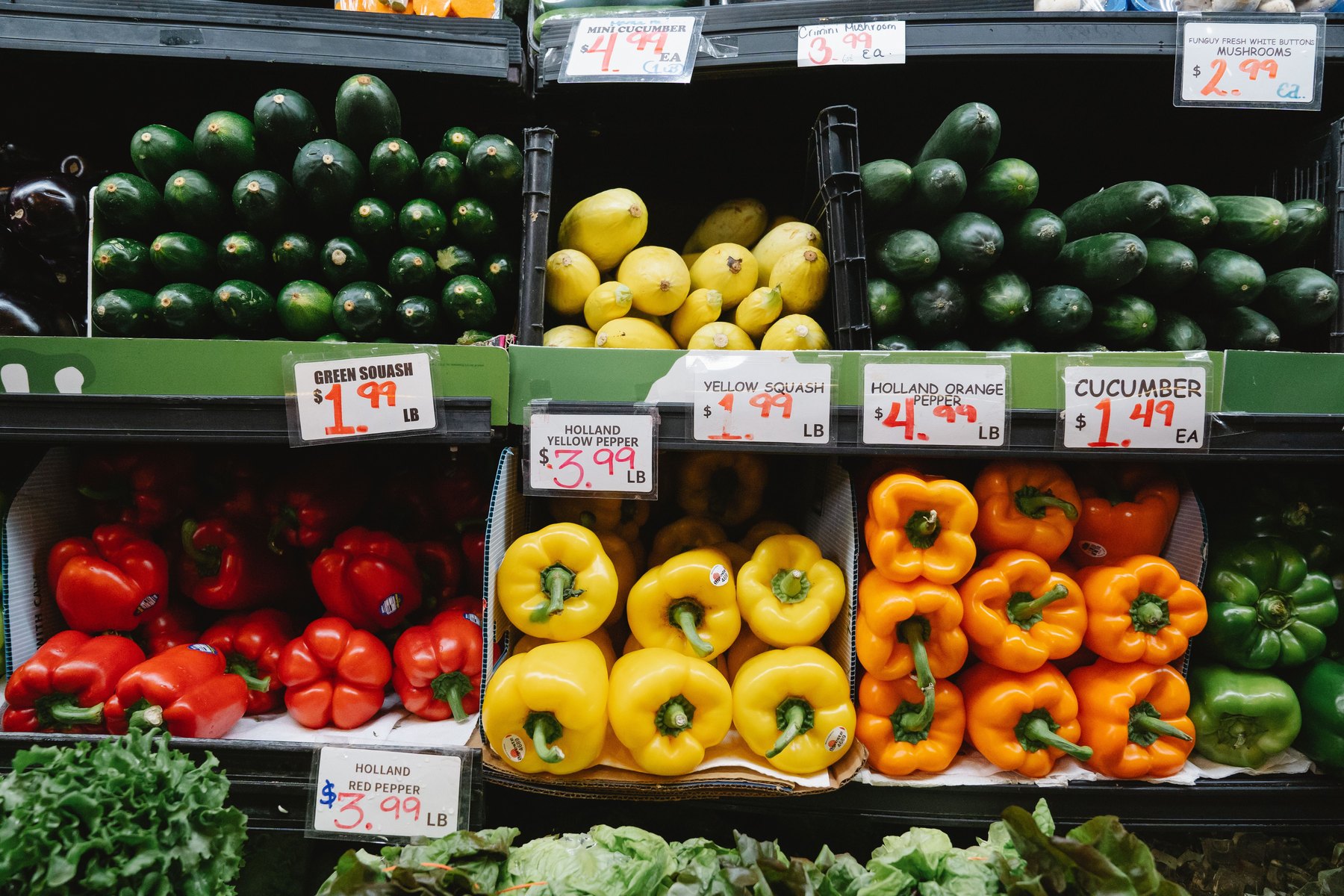
To evaluate whether inflation could be worse under Trump or Harris, it helps to separate forces that presidents can influence from forces that are mostly outside any administration’s control.
1) The Federal Reserve and interest rates
The Fed is independent and sets short term interest rates to manage inflation and employment. Higher rates usually cool demand over time, which can slow inflation, but can also raise borrowing costs for mortgages, auto loans, and credit cards.
Presidents can appoint Fed governors over time, but they do not set rates day to day. That is why inflation can rise or fall during a presidency for reasons that are not directly tied to White House policy.
2) Energy and global shocks
Oil prices are global. Wars, OPEC decisions, refinery outages, and shipping disruptions can push energy prices up or down quickly. Energy costs then flow into transportation and many goods.
3) Housing supply and rent
Housing is a major driver of inflation. Rents and owners’ equivalent rent move slowly but can stay elevated for years when supply is tight. Federal policy can influence housing through zoning incentives, tax rules, and funding, but local rules and construction capacity do most of the work.
4) Trade policy and tariffs
Tariffs can raise the price of imported goods and inputs. Sometimes companies absorb part of the cost, but tariffs often show up in consumer prices, especially for goods where imports are a large share of supply. Tariffs can also shift supply chains, which may reduce risk long term but can be inflationary during transitions.
5) Fiscal policy: taxes, spending, and deficits
Government spending and tax cuts can increase demand in the economy, which can add inflation pressure if supply cannot keep up. On the other hand, targeted spending that increases supply, such as infrastructure that eases bottlenecks, can be less inflationary over time. Timing matters: fiscal changes can take quarters or years to show up in prices.
6) Labor supply, immigration, and productivity
Wage growth can contribute to inflation if it outpaces productivity, but wages also help households keep up with prices. Policies that affect labor supply, workforce participation, and productivity can influence inflation indirectly.
| Inflation driver | How it affects prices | Typical timeline | What to watch |
|---|---|---|---|
| Fed interest rates | Higher rates cool borrowing and demand | 6 to 24 months | Fed statements, inflation expectations |
| Energy prices | Raises transport and production costs | Weeks to months | Oil and gas trends, geopolitical risk |
| Housing supply | Rent and shelter inflation stays sticky | 1 to 5 years | Vacancy rates, building permits |
| Tariffs and trade | Can raise goods prices and input costs | Months to years | Tariff announcements, import categories |
| Taxes and spending | Changes demand and investment incentives | Quarters to years | Budget bills, deficit projections |
How a Trump administration might affect inflation (mechanisms, not predictions)
Different administrations tend to emphasize different tools. Here are channels that could matter for inflation if Donald Trump were president again, without assuming any specific bill passes or any specific outcome occurs.
Tariffs and trade restrictions
Trump has supported tariffs as a negotiating tool and as protection for domestic industries. Broad or higher tariffs can be inflationary for goods that rely on imports or imported components. The size of the effect depends on which products are targeted, whether companies shift sourcing, and how much of the cost is passed to consumers.
Immigration and labor supply
Tighter immigration enforcement can reduce labor supply in certain sectors, which may push wages up in those sectors. Higher wages can help workers but can also raise service prices if businesses raise prices to cover costs. The net effect depends on productivity, labor shortages, and demand.
Energy policy
Policies that encourage domestic energy production can influence energy supply over time, but global prices still dominate. Any inflation impact depends on global demand, refinery capacity, and how quickly production responds.
Taxes and spending
Tax cuts can boost household or business spending power, which can increase demand. Whether that becomes inflationary depends on the state of the economy and whether supply expands at the same time.
How a Harris administration might affect inflation (mechanisms, not predictions)
If Kamala Harris were president, inflation channels would likely include a different mix of fiscal priorities, regulation, and targeted programs. Again, the point is the mechanism, not a guarantee.
Targeted cost relief and subsidies
Policies such as childcare support, housing assistance, or health care related subsidies can reduce out of pocket costs for some households. However, subsidies can also increase demand in constrained markets, which can push prices up unless supply expands.
Housing supply and affordability initiatives
Efforts to increase housing supply, reduce barriers to building, or expand affordable housing can reduce shelter inflation over time. The timeline is usually long because construction takes time and local zoning is a major constraint.
Regulation and competition policy
Stronger enforcement around competition or consumer protection can affect pricing behavior in some markets, but it is not a quick fix for broad inflation. Regulatory changes can also raise compliance costs in some industries, which may be passed on in prices.
Taxes and spending
Spending increases can add demand, while tax increases can reduce demand for some groups. The inflation impact depends on how policies are designed, who receives the money, and whether the economy is already running hot.
A practical way to compare inflation risk under either candidate
Instead of trying to guess a single inflation number, use a household focused checklist. Ask which categories drive your budget and which policies are most likely to touch those categories.
| Your biggest cost | What typically drives it | Policy areas that can matter | What you can do now |
|---|---|---|---|
| Rent or mortgage | Local supply, rates, insurance, taxes | Housing supply, Fed appointments indirectly | Shop insurance, improve credit, consider roommates or refi timing |
| Groceries | Commodity prices, transport, labor | Trade, immigration, competition policy | Meal plan, switch stores, use unit pricing, reduce waste |
| Gas and utilities | Global energy markets, local rates | Energy policy, infrastructure | Drive less, maintain tires, compare utility plans where available |
| Health care | Provider prices, insurance design | Health policy, subsidies, regulation | Review plan annually, use in network care, ask for cash prices |
| Childcare | Labor intensive supply constraints | Subsidies, workforce programs | Get on waitlists early, share care, use dependent care FSA if eligible |
What this means for borrowers: rates, credit cards, and loan choices
Inflation and interest rates are connected. When inflation is high, the Fed may keep rates higher, which can raise borrowing costs across many products.
Decision rules by timeline
- Under 1 year: Avoid taking on new variable rate debt if you can. If you must borrow, prioritize the lowest total cost and a payoff plan you can execute quickly.
- 1 to 3 years: Consider whether a fixed rate loan provides payment stability. Compare total interest, fees, and whether you can prepay without penalties.
- 3 to 7 years: Payment stability matters more. A slightly higher fixed rate can be worth it for predictability, but compare total cost and your job stability.
- 7+ years: For mortgages and long term loans, focus on affordability under stress. Ask: could you still pay if taxes, insurance, or utilities rise?
Credit cards: the inflation trap
Most credit cards have variable APRs tied to a benchmark. When rates rise, minimum payments can rise and more of your payment goes to interest. If you are carrying balances, your best lever is usually behavior and structure: reduce spending, increase payment, and consider a balance transfer offer only if you can pay it down during the promo period and you understand transfer fees.
Auto loans and personal loans
Auto loan rates and personal loan rates tend to move with broader interest rates and lender risk appetite. If prices are rising, lenders may tighten underwriting. Compare offers from multiple sources and focus on APR, term length, total interest, and any add ons rolled into the loan.
Real number examples: how to plan when inflation is uncertain
Below are three sample monthly budgets and action plans. These are examples to show the math and tradeoffs. Adjust the categories to match your life.
Scenario 1: Renter with credit card debt
Monthly take home pay: $3,800
Goal: Reduce exposure to rising prices and high APR debt.
- Rent and utilities: $1,650
- Groceries: $450
- Transportation: $350
- Insurance and medical: $250
- Phone and internet: $120
- Minimum debt payments: $250
- Extra debt payoff: $380
- Emergency fund savings: $200
- Other spending: $150
Total: $3,800
Decision rule: If your credit card APR is variable and high, prioritize paying it down before investing extra cash. If rent is rising fast, build a 3 to 6 month emergency fund so you can handle a move or deposit without new debt.
Scenario 2: Homeowner worried about payment shock
Monthly take home pay: $6,200
Goal: Prepare for higher insurance, taxes, and repairs even if inflation cools.
- Mortgage (principal and interest): $2,200
- Property tax and insurance escrow buffer: $300
- Utilities: $350
- Groceries: $800
- Transportation: $650
- Childcare: $900
- Retirement savings: $600
- Home repair sinking fund: $250
- Extra principal or other debt payoff: $150
Total: $6,200
Decision rule: If your housing payment is fixed but your escrow items are not, treat tax and insurance increases like inflation you can plan for. Build a buffer so you are not forced to use credit cards for home repairs.
Scenario 3: Student loan borrower balancing goals
Monthly take home pay: $4,500
Goal: Keep flexibility if policy changes affect repayment options.
- Rent and utilities: $1,500
- Groceries: $450
- Transportation: $300
- Insurance and medical: $250
- Student loan payment: $350
- Emergency fund: $300
- Retirement savings: $400
- Short term savings (car replacement): $250
- Other spending: $700
Total: $4,500
Decision rule: If you have federal student loans, review your repayment plan annually and keep documentation organized. Policy changes can affect program details, so staying current matters more than guessing headlines.
How to protect your finances no matter who wins
You cannot control inflation, but you can reduce how much it hurts you. Use these actions as a playbook.
1) Build an inflation resistant emergency fund
A common target is 3 to 12 months of essential expenses, depending on job stability and household needs. If prices are rising, your emergency fund target should rise too.
For cash you might need soon, consider FDIC insured accounts and compare yields and fees. You can verify deposit insurance basics at the FDIC.
2) Reduce high APR variable debt first
When rates are elevated, variable APR debt can become more expensive. Focus on:
- Paying more than the minimum on the highest APR balance
- Calling your card issuer to ask about hardship options if you are struggling
- Considering a balance transfer only if the math works after fees and you can pay it down before the promo ends
For help understanding credit card terms and common pitfalls, the CFPB has practical consumer resources.
3) Shop big recurring bills annually
Inflation often shows up as quiet renewal increases. Once a year, compare:
- Auto and homeowners or renters insurance
- Cell phone plans
- Internet service
- Streaming and subscriptions
Even small monthly reductions can free cash for debt payoff or savings.
4) Keep your credit ready
In uncertain rate environments, better credit can widen your options. Practical steps:
- Pay on time
- Keep credit utilization lower when possible
- Check your credit reports for errors
You can get free weekly credit reports at AnnualCreditReport.com.
5) Watch for scams during high inflation periods
When people feel squeezed, scams rise. Be cautious with offers that promise instant debt relief, guaranteed low rates, or upfront fees for loans. The FTC consumer site tracks common fraud tactics and reporting steps.
Borrower decision matrix: what to do if inflation stays high vs cools
| If inflation… | Rates likely… | Best money move | What to avoid |
|---|---|---|---|
| Stays high | Stay higher for longer | Pay down variable APR debt, build cash buffer, keep budget flexible | Long loan terms that lock in high total interest, lifestyle creep |
| Cools gradually | May fall slowly | Refinance only if total cost drops, keep paying down principal | Waiting for perfect timing while balances grow |
| Drops quickly | Could fall faster | Consider refinancing fixed loans if savings justify fees | Assuming all prices will fall, taking on new debt too quickly |
Bottom line: focus on the levers you control
Whether inflation is worse under Trump or Harris depends on a mix of policy choices, economic conditions, and global events that no president fully controls. For your household, the most reliable approach is to plan for a range of outcomes: keep a cash buffer sized to today’s prices, reduce high APR debt, shop recurring bills, and protect your credit so you have options if rates or prices move against you.
If you want a simple rule: assume your essential costs can rise again, and build a plan that still works if they do.


