

How to Invest Spare Cash in Gold

To invest spare cash in gold, start by choosing the type of gold exposure you want (physical gold, gold ETFs, gold mining stocks, or a gold IRA), then compare costs, storage, taxes, and how quickly you may need the money back.
Contents
36 sections
-
Before you buy: decide what your spare cash is for
-
Quick decision rules
-
Gold is not the same as cash
-
Ways to invest spare cash in gold
-
Physical gold: coins vs bars
-
Coins: often easier to sell, sometimes higher premiums
-
Bars: potentially lower premiums, but watch resale friction
-
Storage options and what to compare
-
Physical gold buying checklist
-
Gold ETFs and similar funds: simple access, ongoing fees
-
What to compare in a gold ETF
-
When an ETF may fit
-
Potential downsides
-
Gold mining stocks: not the same as gold
-
Consider mining stocks if
-
Watch for
-
Gold IRAs: understand the rules and total fees
-
Common fee categories to ask about
-
Rule of thumb
-
How much gold is reasonable: a risk based approach
-
Simple allocation decision rules (not personalized advice)
-
Costs that quietly reduce returns
-
Key costs to calculate
-
Example: comparing physical vs ETF on small amounts
-
Practical steps to get started (without rushing)
-
Step 1: Confirm your cash foundation
-
Step 2: Pick your gold "vehicle"
-
Step 3: Decide how you will buy
-
Step 4: Set guardrails
-
Red flags and scam prevention
-
Tax notes to know (high level)
-
Frequently asked questions
-
Is gold a good place to park emergency savings?
-
Should I buy jewelry as an investment?
-
How do I avoid overpaying for physical gold?
-
Bottom line: match gold to your goal and keep it manageable
Gold can play a role as a diversifier because it often behaves differently than stocks and bonds. But it is not a guaranteed hedge, it can be volatile, and it does not pay interest or dividends. This guide walks through practical options, decision rules, and checklists so you can match gold to your goals and risk tolerance.
Before you buy: decide what your spare cash is for
“Spare cash” can mean different things. The right gold option depends on your time horizon and whether you might need the money on short notice.
Quick decision rules
- If you do not have an emergency fund: consider building cash savings first. Gold prices can drop right when you need money.
- If you may need the money within 1 to 3 years: gold can be risky. A high yield savings account or short term Treasury options may fit better for near term needs.
- If you want long term diversification: a small allocation to gold may be easier to manage through a low cost fund rather than storing physical metal.
- If you want “no counterparty” ownership: physical coins or bars may appeal, but storage and resale spreads matter.
Gold is not the same as cash
Cash in an FDIC insured bank account has different protections than an investment. If your spare cash is part of your safety net, learn how deposit insurance works at the FDIC. Gold is an asset whose value can rise or fall, and it may be harder to sell quickly at a fair price depending on the form you own.
Ways to invest spare cash in gold
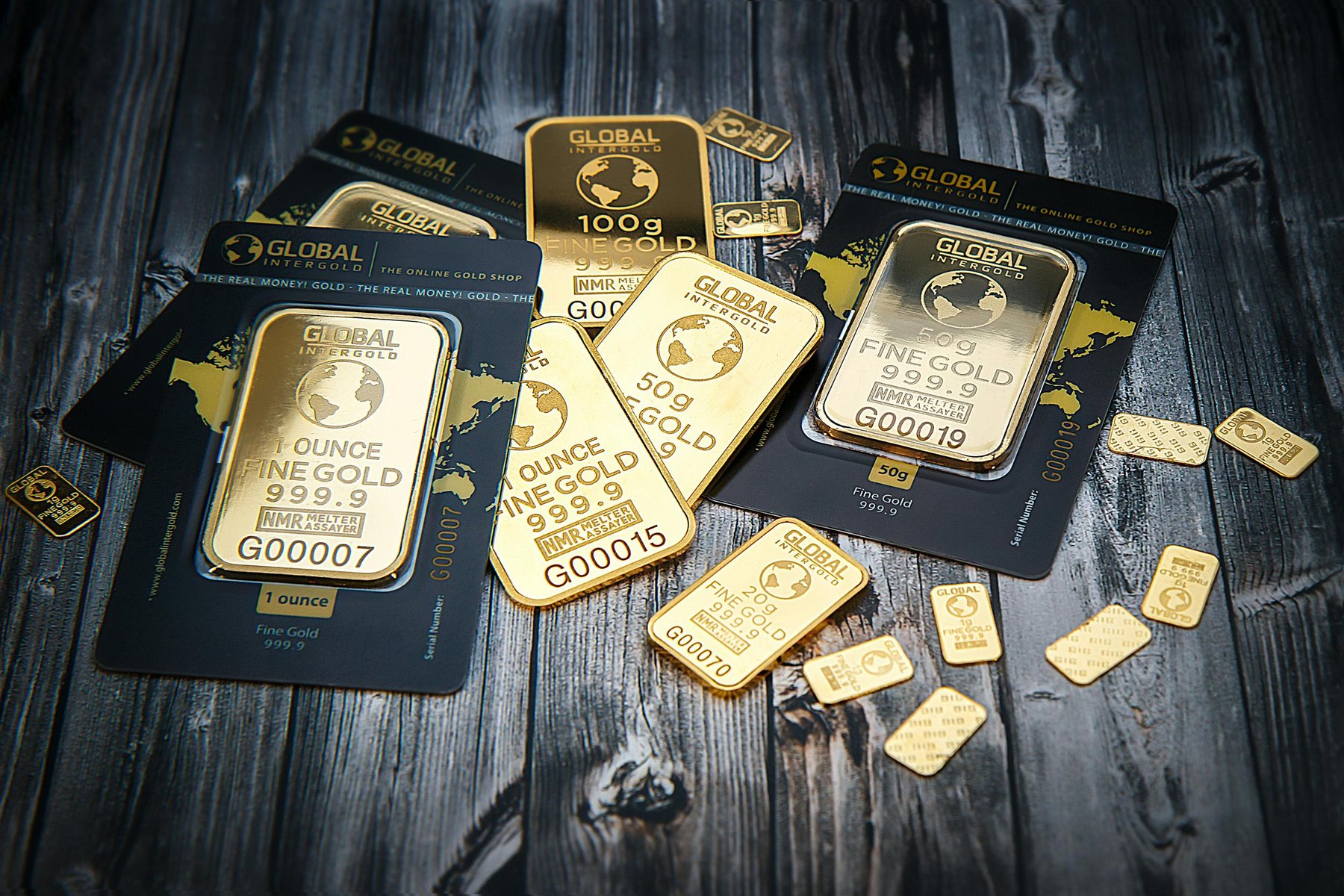
There are several common ways to get gold exposure. Each has tradeoffs in cost, convenience, and risk.
| Method | What you own | Typical costs | Liquidity | Main risks |
|---|---|---|---|---|
| Physical coins | Coins (often bullion) | Dealer premium, shipping, possible sales tax, storage | Medium | Theft, counterfeit risk, wide buy sell spreads |
| Physical bars | Bars (various sizes) | Premiums can be lower than coins, storage, assay fees on resale | Medium | Harder resale for large bars, counterfeit risk |
| Gold ETF | Shares of a fund that tracks gold | Expense ratio, brokerage trading costs | High | Market risk, tracking differences, tax treatment |
| Gold mining stocks or funds | Company shares | Trading costs, fund fees | High | Business risk, management, geopolitical risk, can diverge from gold price |
| Gold IRA (self directed) | Physical gold held by a custodian | Setup fees, annual custodian fees, storage fees, dealer spreads | Low to medium | Complex rules, higher fees, penalties for improper handling |
Physical gold: coins vs bars
Buying physical gold is straightforward in concept: you pay a dealer, receive coins or bars, and store them securely. The details are where costs and risks show up.
Coins: often easier to sell, sometimes higher premiums
Common bullion coins are widely recognized and can be easier to resell than obscure products. However, you may pay a higher premium over the spot price, especially in times of high demand.
- Pros: recognizable, divisible, easier resale in small amounts.
- Cons: premiums can be higher, risk of overpaying for “collectible” hype.
Bars: potentially lower premiums, but watch resale friction
Bars can offer lower premiums per ounce, especially at larger sizes. But larger bars can be harder to sell quickly, and buyers may require verification or an assay.
- Pros: may be cost efficient per ounce, simple exposure.
- Cons: resale may require extra steps, storage is critical.
Storage options and what to compare
Where you store physical gold affects both safety and cost.
- Home storage: convenient, but theft risk is on you. Insurance may be limited or require a rider.
- Bank safe deposit box: can reduce theft risk, but access is limited to bank hours and policies vary.
- Professional vault storage: may offer insurance and reporting, but adds ongoing fees.
Physical gold buying checklist
- Compare the premium over spot and the dealer’s buyback price. The spread is a real cost.
- Ask about shipping, insurance in transit, and return policies.
- Confirm the exact weight and purity (for example, 1 oz, 0.9999 fine).
- Plan storage before you buy. If you need insurance, price it out first.
- Be cautious with high pressure sales tactics. The FTC has guidance on avoiding scams at consumer.ftc.gov.
Gold ETFs and similar funds: simple access, ongoing fees
Gold ETFs are a common way to get gold exposure using a brokerage account. You buy shares like a stock, and the fund aims to track the price of gold (often by holding physical gold in vaults).
What to compare in a gold ETF
- Expense ratio: lower fees generally leave more of the return in your pocket over time.
- Tracking: how closely the fund follows gold’s price after fees.
- Liquidity: higher trading volume can mean tighter bid ask spreads.
- Structure and disclosures: read the prospectus so you understand what the fund holds and how it operates.
When an ETF may fit
- You want to invest small amounts regularly.
- You want easy selling and clear pricing during market hours.
- You do not want to manage storage and insurance.
Potential downsides
- You pay ongoing fees.
- You own shares of a fund, not coins in your hand.
- Taxes can be different than stock index funds depending on the product and your situation.
Gold mining stocks: not the same as gold
Mining stocks can move with gold prices, but they also depend on company execution, costs, debt levels, and political risk where mines operate. In some periods, miners outperform gold. In others, they lag or fall even if gold rises.
Consider mining stocks if
- You understand stock market risk and can tolerate volatility.
- You want potential growth exposure, not just a gold price hedge.
Watch for
- High operating costs (energy, labor) that can squeeze margins.
- Debt levels and dilution risk.
- Country and regulatory risk.
Gold IRAs: understand the rules and total fees
A gold IRA is typically a self directed IRA that holds certain precious metals. The metals must generally be held by an approved custodian and stored in an approved facility. This can be more complex and costly than buying a gold ETF in a regular IRA.
Common fee categories to ask about
- Account setup fee
- Annual custodian or administration fee
- Storage and insurance fees
- Dealer markups and buyback spreads
- Wire, shipping, or transaction fees
Rule of thumb
If the fee schedule is hard to understand, or if the sales pitch focuses on urgency, consider slowing down and getting a second opinion. For tax rules and retirement account basics, you can start at the IRS website and review IRA guidance.
How much gold is reasonable: a risk based approach
There is no universal “right” allocation. A practical approach is to treat gold as a diversifier rather than the core of your plan.
Simple allocation decision rules (not personalized advice)
- Conservative: If you dislike volatility, consider keeping gold exposure small or skipping it.
- Moderate: If you want diversification, consider a limited slice and rebalance occasionally.
- Aggressive: If you already have a diversified portfolio and understand the risks, you might choose a larger slice, but concentration risk rises.
| Your priority | Often a better fit | Why | Watch out for |
|---|---|---|---|
| Easy buying and selling | Gold ETF | Trades like a stock, clear pricing | Expense ratio, tax treatment |
| No storage hassle | Gold ETF | No physical handling | Still market risk |
| Tangible asset you control | Coins or small bars | Direct ownership | Theft risk, resale spread |
| Potential business upside | Mining stocks or mining fund | Exposure to profits, not just metal price | Company and market risk |
| Retirement account exposure to physical gold | Gold IRA | Holds metals in a retirement structure | Higher fees, strict rules |
Costs that quietly reduce returns
Gold investing costs are not always obvious. Before you commit, estimate your “all in” cost for buying, holding, and selling.
Key costs to calculate
- Spread: the difference between what you pay and what you could sell for immediately.
- Storage and insurance: especially for physical gold.
- Fund fees: ETF expense ratios compound over time.
- Taxes: rates depend on the product and your tax situation.
Example: comparing physical vs ETF on small amounts
Suppose you want to put $500 of spare cash into gold. With physical gold, a dealer premium and shipping could take a noticeable bite, and you still need a storage plan. With an ETF, you may pay a small trading cost and an annual fee, but you avoid shipping and storage. The better choice depends on your priorities, how long you plan to hold, and the total costs you can verify upfront.
Practical steps to get started (without rushing)
Step 1: Confirm your cash foundation
- Do you have high interest debt? Paying it down can be a lower risk “return,” but it depends on your rates and situation.
- Do you have an emergency fund? If not, consider building one first.
Step 2: Pick your gold “vehicle”
- If you want simplicity: consider a gold ETF in a brokerage account.
- If you want physical ownership: consider widely recognized bullion coins or small bars and plan storage.
- If you want retirement exposure: compare a gold ETF inside an IRA versus a gold IRA with physical metals, focusing on total fees and rules.
Step 3: Decide how you will buy
- Lump sum: invest once. Simple, but timing risk is higher.
- Dollar cost averaging: invest smaller amounts over time. This can reduce regret from buying right before a drop, but it does not eliminate risk.
Step 4: Set guardrails
- Choose a maximum percentage of your portfolio for gold.
- Write down why you are buying and what would make you sell.
- Plan rebalancing. For example, if gold grows beyond your target, you may trim it back.
Red flags and scam prevention
Gold attracts scams because it feels tangible and urgent. Be cautious if you hear:
- Guarantees of profit or “risk free” claims.
- Pressure to act immediately due to “limited supply.”
- Vague pricing that avoids stating the premium over spot.
- Recommendations to put most of your retirement money into gold without discussing diversification.
For general guidance on avoiding fraud and high pressure tactics, review resources from the FTC. If you are evaluating an investment account or firm, you can also look for investor education resources at the CFPB.
Tax notes to know (high level)
Taxes can vary based on whether you own physical gold, a fund, or mining stocks, and whether you hold it in a taxable account or retirement account. Because rules can be nuanced, consider checking current guidance at the IRS and, if needed, speaking with a qualified tax professional.
Frequently asked questions
Is gold a good place to park emergency savings?
Gold can be volatile and may be costly to sell quickly, especially if you own physical gold with a wide spread. Many people keep emergency funds in cash or cash like accounts instead.
Should I buy jewelry as an investment?
Jewelry often includes design and retail markups that can be hard to recover when you sell. If your goal is investment exposure, bullion coins, bars, or funds are usually easier to price and compare.
How do I avoid overpaying for physical gold?
Ask for the price relative to the current spot price, compare multiple dealers, and understand the buyback policy. A low advertised price is not enough if the dealer’s buyback price is far below spot.
Bottom line: match gold to your goal and keep it manageable
Gold can be a useful diversifier for some people, but it comes with real costs and risks. If you want convenience and liquidity, a low cost gold ETF may be the simplest route. If you value direct ownership, physical coins or small bars can work if you plan secure storage and accept wider spreads. If you are considering a gold IRA, focus on the full fee schedule and the rules for custody and storage.
Whatever path you choose, compare total costs, avoid high pressure sales, and keep your overall plan diversified.


