

Items More Expensive Inflation: What Costs More and How to Cope

Items more expensive inflation are showing up in everyday places like the grocery aisle, the gas pump, and monthly bills, and the best response is a plan that protects your cash flow.
Contents
35 sections
-
Why some prices rise faster than others
-
Items more expensive inflation: categories that often hit budgets hardest
-
Groceries and food at home
-
Rent and housing-related costs
-
Utilities (electricity, gas, water, trash)
-
Transportation (gas, car insurance, repairs)
-
Healthcare and prescriptions
-
Childcare and education-related costs
-
Insurance beyond auto (home, renters, health)
-
Dining out and services
-
Quick self-audit: find your personal inflation hotspots
-
Budget moves that work when prices rise
-
1) Rebuild your "must-pay" baseline
-
2) Use a two-layer grocery strategy
-
3) Negotiate and re-shop the "big three" bills
-
4) Add a buffer category to prevent debt
-
When inflation forces borrowing: safer decision rules
-
Borrow only for needs, not for lifestyle inflation
-
Match the loan term to the life of the expense
-
Compare total cost, not just the monthly payment
-
Avoid stacking multiple high-cost products
-
What this looks like with real numbers
-
Scenario 1: Single renter with a car, take-home pay $3,200
-
Scenario 2: Family of three, one car, take-home pay $5,800
-
Scenario 3: Two adults, homeowners, take-home pay $7,500
-
Timeline decision rules: under 1 year, 1 to 3 years, 3 to 7 years, 7+ years
-
Under 1 year
-
1 to 3 years
-
3 to 7 years
-
7+ years
-
Checklists: reduce the impact without wrecking your life
-
Inflation-proofing checklist (30 to 60 minutes)
-
Debt safety checklist (before you apply or accept credit)
-
Protect yourself from inflation-related scams and bad deals
-
Bottom line: focus on the few moves that matter most
Inflation is a broad rise in prices over time. It does not hit every product equally, and it does not hit every household the same way. If you spend a bigger share of your income on essentials like food, rent, utilities, and transportation, price jumps can feel immediate. This guide breaks down what tends to rise fastest, why it happens, and what to do next with practical checklists, decision rules, and real-number examples.
Why some prices rise faster than others
Inflation is not one single force. Different categories move for different reasons, and some are more volatile than others.
- Supply shocks: Weather events, factory shutdowns, shipping bottlenecks, and geopolitical disruptions can cut supply and push prices up.
- Energy costs: Fuel and electricity affect transportation, manufacturing, and home utility bills, so energy swings ripple through many items.
- Labor costs: When wages rise in sectors like food service, healthcare, and logistics, businesses may raise prices to cover payroll.
- Housing constraints: Limited housing supply and higher financing costs can raise rents and homeownership costs.
- Market structure: In some areas, fewer competitors can mean prices adjust upward faster.
One useful habit is to separate volatile categories (gas, some foods) from sticky categories (rent, insurance, childcare). Volatile costs may fall later. Sticky costs can stay elevated for longer and require longer-term adjustments.
Items more expensive inflation: categories that often hit budgets hardest
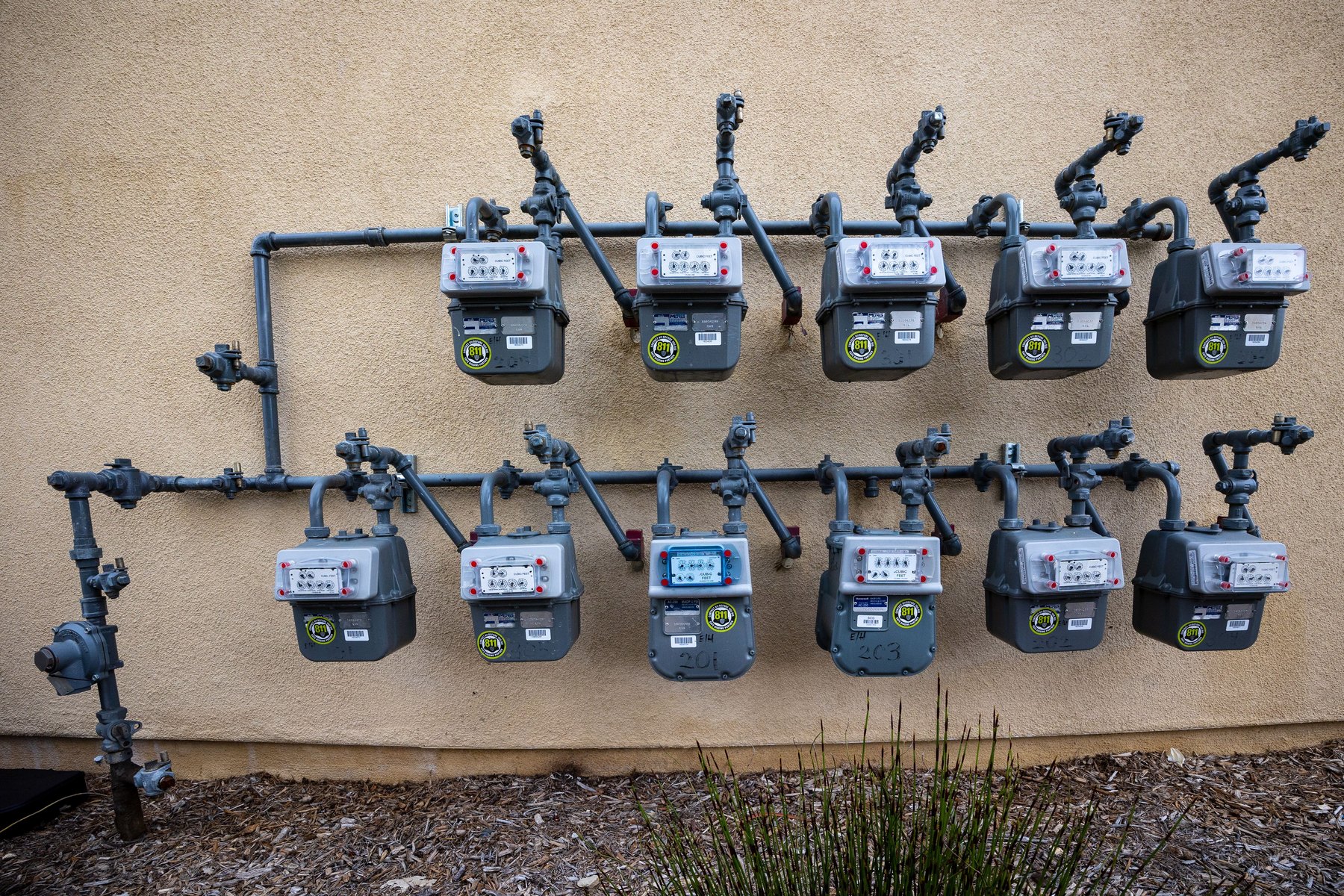
These are common areas where households notice increases quickly. Your experience will vary by region and lifestyle, but these categories are frequent pain points.
Groceries and food at home
Food prices can jump due to weather, fertilizer and feed costs, labor shortages, and transportation costs. Even if overall inflation cools, specific items can stay high if supply remains tight.
- Meat, eggs, dairy, and fresh produce can be especially sensitive to supply disruptions.
- Packaged foods can rise with higher ingredient and packaging costs.
- Store brands may increase too, but often remain cheaper than national brands.
Rent and housing-related costs
Housing is a large share of most budgets, so even moderate increases can be disruptive.
- Rent: Lease renewals can reset to market rates.
- Homeownership: Property taxes, insurance, maintenance, and HOA dues can rise even if your mortgage payment is fixed.
- Moving costs: Deposits, application fees, and moving services can add to the burden.
Utilities (electricity, gas, water, trash)
Utility bills can rise with fuel costs, infrastructure upgrades, and seasonal demand. Some regions also see higher rates due to wildfire risk or storm hardening investments.
Transportation (gas, car insurance, repairs)
Transportation inflation is not just gasoline. It includes:
- Auto insurance: Premiums can rise with repair costs, medical costs, and claim frequency.
- Repairs: Parts and labor costs can increase, especially for newer vehicles with specialized components.
- Used cars: Prices can surge when new car supply is constrained.
Healthcare and prescriptions
Healthcare costs can rise due to labor shortages, higher facility costs, and insurance plan changes. Even if your premium stays similar, deductibles, copays, and out-of-network bills can increase your out-of-pocket spending.
Childcare and education-related costs
Childcare is labor-intensive, so wage pressures can show up as higher tuition. School-related costs like supplies, fees, and activities can also creep up.
Insurance beyond auto (home, renters, health)
Insurance can rise due to higher replacement costs, more severe weather events, and reinsurance costs. Homeowners in high-risk areas may see larger jumps or fewer options.
Dining out and services
Restaurant meals, haircuts, home cleaning, and other services often rise with wages and rent. These are also areas where you may have more flexibility to cut back temporarily.
Quick self-audit: find your personal inflation hotspots
Instead of guessing, use your last 60 to 90 days of transactions to spot which categories are rising fastest for you.
- Export transactions from your bank or budgeting app.
- Group spending into: housing, food, transportation, utilities, insurance, healthcare, debt payments, and discretionary.
- Compare the last month to the average of the prior 3 months.
- Flag any category up more than 10% and any bill that increased at renewal.
| Category | What to check | Common hidden drivers | Fastest first step |
|---|---|---|---|
| Groceries | Price per unit, not package price | Shrinkflation, brand switching | Swap 5 staples to store brand |
| Rent | Renewal increase, fees | Parking, pet rent, trash fees | Ask for a longer lease or concessions |
| Utilities | Rate changes vs usage | Seasonal demand, tiered pricing | Adjust thermostat and seal drafts |
| Transportation | Insurance renewal, fuel spend | Repair inflation, mileage changes | Re-quote insurance and raise deductibles if affordable |
| Healthcare | Copays, deductibles, out-of-network | Plan changes, surprise billing risk | Use in-network providers and ask for cash price |
Budget moves that work when prices rise
When inflation squeezes your budget, the goal is to protect essentials, avoid high-cost debt, and keep a small buffer so one surprise bill does not spiral.
1) Rebuild your “must-pay” baseline
List your monthly essentials: housing, utilities, groceries, transportation to work, insurance, minimum debt payments, and required childcare. This is your baseline. If your baseline is rising, you need either more income, lower fixed costs, or both.
2) Use a two-layer grocery strategy
- Layer A: staples list (10 to 15 items you buy weekly). Track unit prices and switch brands or stores when a staple spikes.
- Layer B: flexible meals (rotate proteins and produce based on weekly sales). Build meals around what is cheapest that week.
Decision rule: If a staple’s unit price rises more than 15% and stays there for 2 shopping trips, replace it with a cheaper substitute for a month, then reassess.
3) Negotiate and re-shop the “big three” bills
These often have the biggest payoff:
- Insurance: Compare premiums, deductibles, coverage limits, and discounts. Make sure you are comparing similar coverage.
- Internet and phone: Ask for retention offers, check MVNOs, and remove add-ons you do not use.
- Subscriptions: Cancel or pause anything not used weekly.
4) Add a buffer category to prevent debt
Even $25 to $100 per month into a buffer can reduce reliance on credit cards when a bill runs high. If you are already carrying high-interest debt, you may split the buffer and extra debt payments based on your stability.
When inflation forces borrowing: safer decision rules
Borrowing can be a tool, but inflation can make repayment harder if your essentials keep rising. Use these rules to reduce risk.
Borrow only for needs, not for lifestyle inflation
Prioritize borrowing for essentials that protect income and safety, such as keeping housing stable, fixing a car needed for work, or addressing urgent medical needs.
Match the loan term to the life of the expense
- Short-term need (repair, small gap): shorter repayment can reduce total interest, but only if the payment fits your budget.
- Longer-term benefit (major home repair): a longer term may lower the monthly payment, but increases total cost.
Compare total cost, not just the monthly payment
When comparing options, look at APR, fees, repayment term, and whether the rate is fixed or variable. If you are offered a promotional rate, confirm when it ends and what the rate becomes afterward.
Avoid stacking multiple high-cost products
Using a buy now, pay later plan, plus a credit card balance, plus an overdraft fee can create a fast-moving debt problem. If you are juggling payments, simplify.
| Option | Best fit | What to compare | Main drawback |
|---|---|---|---|
| 0% intro APR credit card (examples: Chase Freedom Unlimited, Citi Simplicity, Discover it) | Paying off a known amount within the promo window | Promo length, post-promo APR, balance transfer fee | High APR after promo if not paid off |
| Credit union personal loan (examples: Navy Federal, PenFed, local credit unions) | Fixed payment for debt consolidation or a large expense | APR range, origination fee, term, prepayment penalty | Approval and pricing depend on credit and income |
| Bank personal loan (examples: Wells Fargo, U.S. Bank, Discover Personal Loans) | Borrowers who prefer a large, established institution | APR, fees, funding time, autopay discounts | May have stricter eligibility or relationship requirements |
| Home equity loan or HELOC (examples: Bank of America, TD Bank, Figure) | Homeowners funding major repairs or consolidating debt | Closing costs, variable vs fixed rate, draw period, lien position | Your home is collateral if you cannot repay |
| Buy now, pay later (examples: Affirm, Klarna, Afterpay) | Small purchases with a clear payoff plan | Fees, late policies, reporting to credit bureaus, payment schedule | Easy to overcommit across multiple plans |
| Payday loan or auto title loan | Generally a last resort after exploring alternatives | Total repayment, rollover risk, state rules | Very high cost and can trigger a debt cycle |
What this looks like with real numbers
Below are three sample monthly budgets showing how inflation can change the plan and how to respond without assuming any one solution fits everyone. Numbers are examples to illustrate tradeoffs.
Scenario 1: Single renter with a car, take-home pay $3,200
Before inflation squeeze
- Rent and fees: $1,250
- Utilities: $150
- Groceries: $350
- Gas and maintenance: $220
- Insurance (auto + renters): $160
- Minimum debt payments: $200
- Discretionary: $520
- Savings: $350
- Total: $3,200
After increases (rent +$100, groceries +$75, insurance +$40, utilities +$30)
- Rent and fees: $1,350
- Utilities: $180
- Groceries: $425
- Gas and maintenance: $220
- Insurance: $200
- Minimum debt payments: $200
- Discretionary: $355
- Savings: $270
- Total: $3,200
Decision rule: If savings drops below $200 for 2 months, cut one fixed bill (re-shop insurance or phone) before using credit cards for groceries.
Scenario 2: Family of three, one car, take-home pay $5,800
Rebalanced plan after price increases
- Mortgage or rent: $2,200
- Utilities: $320
- Groceries: $900
- Childcare: $900
- Transportation (gas, insurance, maintenance): $650
- Minimum debt payments: $350
- Discretionary: $280
- Savings and sinking funds: $200
- Total: $5,800
Decision rule: If childcare or transportation rises again, pause extra debt payoff temporarily to keep a $200 to $400 monthly buffer and avoid missed payments.
Scenario 3: Two adults, homeowners, take-home pay $7,500
Allocation to handle higher insurance and utilities while planning repairs
- Mortgage (principal, interest, taxes, insurance): $2,900
- Utilities: $450
- Groceries: $850
- Transportation: $900
- Healthcare: $450
- Minimum debt payments: $400
- Home repair sinking fund: $600
- Retirement and investing: $900
- Discretionary: $1,050
- Total: $7,500
Decision rule: If a major repair is likely within 12 months, prioritize cash savings or a sinking fund over taking on new variable-rate debt.
Timeline decision rules: under 1 year, 1 to 3 years, 3 to 7 years, 7+ years
Inflation planning is easier when you match your strategy to your time horizon.
Under 1 year
- Focus on cash flow: reduce recurring bills, build a small buffer, and avoid long-term commitments for short-term problems.
- If you must borrow, compare total repayment and fees, and prefer a payoff plan you can complete quickly.
- Keep emergency savings accessible. Verify deposit insurance limits and account ownership rules using the FDIC tool: https://www.fdic.gov/.
1 to 3 years
- Target fixed costs: housing, insurance, transportation. Small percentage changes here matter more than couponing.
- Consider refinancing decisions carefully and compare APR and closing costs. Run break-even math.
- Build sinking funds for predictable expenses (car repairs, annual premiums, medical deductibles).
3 to 7 years
- Plan for career and income growth: training, certifications, or job changes can outpace inflation more than micro-cuts.
- For large goals, avoid relying on variable debt if your budget is already tight.
7+ years
- Inflation becomes a long-run planning factor for retirement and long-term savings.
- Review insurance coverage, estate basics, and long-term debt strategy so rising costs do not force expensive borrowing later.
Checklists: reduce the impact without wrecking your life
Inflation-proofing checklist (30 to 60 minutes)
- Re-shop auto and home or renters insurance at renewal.
- Audit subscriptions and cancel 2 to 3 low-value services.
- Switch one recurring bill to annual payment only if you have the cash and the discount is real.
- Set a grocery unit-price rule for your top 10 staples.
- Create a buffer line item and automate it on payday.
Debt safety checklist (before you apply or accept credit)
- Know your credit reports and dispute errors. Get free reports at https://www.annualcreditreport.com/.
- Compare APR, fees, term length, and whether the rate is fixed or variable.
- Calculate the payment as a percent of take-home pay. Many households aim to keep total debt payments manageable relative to income, but your safe level depends on housing and stability.
- Watch for add-on products you do not need (credit insurance, unnecessary warranties).
- Have a payoff plan with dates, not just intentions.
| If you are facing… | Try this first | If that is not enough | Red flags to avoid |
|---|---|---|---|
| Higher grocery bills | Unit-price swaps, meal planning, reduce food waste | Temporary side income, adjust discretionary spending | Using cash advances for routine food spending |
| Rent increase at renewal | Negotiate lease length, ask about concessions | Roommate, relocate, increase income | Signing a lease you can only afford with overtime |
| Insurance premium jump | Re-quote, bundle carefully, adjust deductibles | Review coverage limits and vehicles, improve risk factors | Dropping required coverage without a plan |
| Utility spike | Usage audit, thermostat changes, seal leaks | Budget billing, efficiency upgrades | Ignoring shutoff notices |
| Debt payments becoming tight | Contact servicers early, request hardship options | Consolidation with clear math and stable payment | Relying on rollovers or repeated late fees |
Protect yourself from inflation-related scams and bad deals
When prices rise, scams and high-pressure sales often increase too. Be cautious with offers that promise quick fixes for debt or bills.
- Verify any debt relief or credit repair claims and avoid paying large upfront fees.
- Watch for fake “government assistance” ads that collect personal information.
- Use trusted resources for spotting scams and reporting fraud: https://consumer.ftc.gov/.
- If you are considering a financial product, learn how to compare costs and features using CFPB tools and guides: https://www.consumerfinance.gov/.
Bottom line: focus on the few moves that matter most
Inflation can make it feel like everything is getting more expensive at once. The most effective response is usually not extreme frugality. It is a targeted plan: identify your biggest rising categories, cut or renegotiate fixed costs, build a small buffer, and if borrowing is necessary, compare APR, fees, and repayment terms with a payoff plan you can realistically follow.


