

Thanksgiving Grocery Price Cuts and Inflation: How to Save Without Going Into Debt

Thanksgiving grocery price cuts inflation is the story many shoppers feel at the checkout: some holiday staples get discounted, but the total bill can still be higher than it was a few years ago.
Contents
27 sections
-
What "Thanksgiving grocery price cuts inflation" really means at the store
-
Start with a realistic Thanksgiving budget (and a simple rule)
-
Build your list from "must-haves" to "nice-to-haves"
-
Price-cut strategy: how to actually lower your total bill
-
1) Shop your pantry and freezer first
-
2) Compare unit prices, not just sale tags
-
3) Use smart swaps that keep the meal feeling complete
-
4) Split the menu with guests
-
5) Time your purchases
-
Thanksgiving grocery checklist: cut costs without cutting the meal
-
What this looks like with real numbers: three sample Thanksgiving budgets
-
Scenario A: $80 total for 6 people (about $13 per person)
-
Scenario B: $150 total for 8 people (about $19 per person)
-
Scenario C: $260 total for 10 people (about $26 per person)
-
When grocery inflation pushes you toward borrowing: options and tradeoffs
-
Decision rules before you borrow for holiday groceries
-
Protect your cash flow: a timeline-based plan
-
Under 1 year: use cash flow and sinking funds
-
1 to 3 years: build a buffer for seasonal spikes
-
3 to 7 years: strengthen emergency savings and reduce high-interest debt
-
7+ years: keep long-term goals separate from holiday spending
-
How to spot "deal traps" that raise your Thanksgiving total
-
Use store brands and price tracking like a pro
-
Keep your payment method from becoming the hidden cost
-
Quick self-check before checkout
-
Helpful resources for budgeting, credit, and avoiding scams
-
A simple plan for a lower-stress Thanksgiving
Retailers often promote turkey, potatoes, and baking basics to pull shoppers in. At the same time, prices for other items may stay elevated, and convenience foods, beverages, and last minute add-ons can quietly push your total up. The goal is not to chase every deal. It is to build a plan that lowers your total spend, protects your cash flow, and keeps you from leaning on high-interest debt.
What “Thanksgiving grocery price cuts inflation” really means at the store
Holiday pricing can feel confusing because discounts and inflation can happen at the same time. Here is how it usually plays out:
- Loss leaders: Stores discount a few headline items (often turkey or ham) to attract customers.
- Mixed inflation: Some categories cool off while others stay high due to supply, labor, packaging, or demand shifts.
- Basket effect: Even if a few items are cheaper, your full cart can cost more if you add premium sides, snacks, alcohol, or convenience foods.
- Downsizing: Packages may be smaller than prior years, so the unit price can be higher even when the sticker price looks similar.
The practical takeaway: focus on your total meal cost per person and your cost per serving, not just whether one item is “on sale.”
Start with a realistic Thanksgiving budget (and a simple rule)
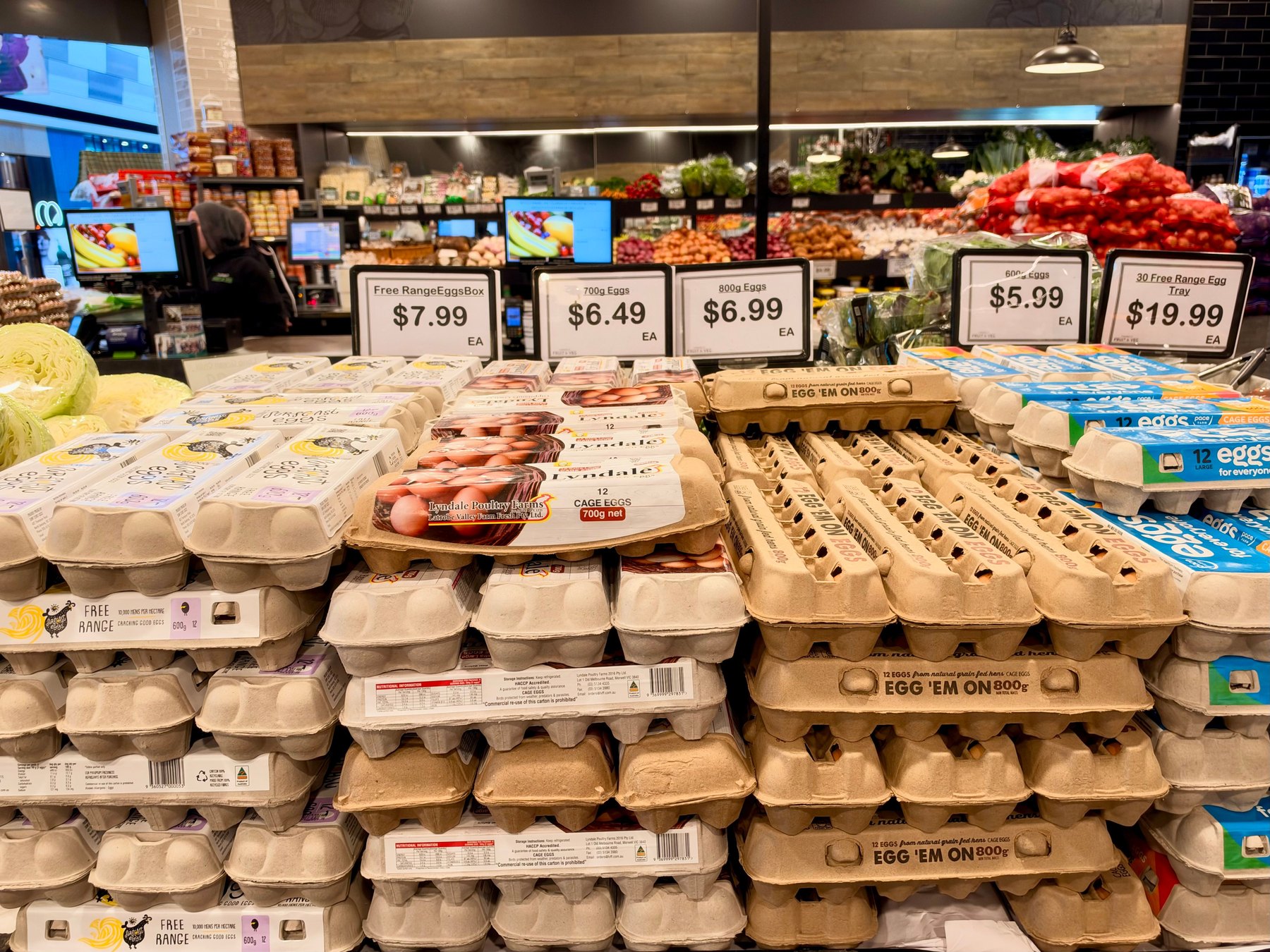
A workable holiday budget starts with two numbers: how many people you are feeding and how much cash you can spend without disrupting bills. A simple rule is to set a maximum total and a maximum per-person amount.
Example per-person targets (adjust for your household and region):
- Lean: $6 to $10 per person (potluck style, fewer extras)
- Standard: $10 to $18 per person (classic meal, a few desserts)
- Expanded: $18 to $30+ per person (apps, specialty ingredients, alcohol)
Decision rule: If you cannot pay the full grocery bill from cash you already have set aside for food and holidays, scale the menu before you consider borrowing.
Build your list from “must-haves” to “nice-to-haves”
- Must-haves: main protein, 2 to 4 sides, 1 dessert, basic beverages
- Nice-to-haves: appetizers, specialty cheeses, premium seafood, extra desserts, alcohol variety packs
- Skip or simplify: pre-cut produce, single-use gadgets, last minute impulse bakery items
Price-cut strategy: how to actually lower your total bill
Price cuts help most when you use them to anchor your plan, not to expand your cart. Use these tactics in order.
1) Shop your pantry and freezer first
Before you buy anything, list what you already have: flour, sugar, broth, spices, frozen vegetables, butter, and baking supplies. Then build recipes around those items.
2) Compare unit prices, not just sale tags
Look at price per ounce or per pound. A “family size” can be cheaper, but only if you will use it. If you will not, the cheaper unit price becomes wasted money.
3) Use smart swaps that keep the meal feeling complete
- Fresh herbs: swap to one versatile herb (like parsley) instead of three specialty bundles.
- Green bean casserole: use frozen green beans instead of fresh if cheaper.
- Pie: choose one homemade pie and one store-bought option, or do a sheet cake instead of multiple pies.
- Appetizers: do one “wow” item and one low-cost tray (popcorn mix, deviled eggs, veggie platter).
4) Split the menu with guests
Potluck does not have to feel chaotic. Assign categories: one person brings salad, one brings dessert, one brings drinks. This reduces your total spend and your prep time.
5) Time your purchases
- 2 to 3 weeks out: shelf-stable items, paper goods, frozen items if you have space
- 1 week out: turkey or ham, dairy, produce that keeps well
- 2 days out: delicate produce, bakery items, ice
Thanksgiving grocery checklist: cut costs without cutting the meal
Use this checklist to keep your cart aligned with your plan.
| Category | Cost saver | What to watch | Decision rule |
|---|---|---|---|
| Protein (turkey, ham) | Buy based on servings needed | Oversizing leads to waste | Plan 0.75 to 1.25 lb per person depending on leftovers |
| Sides | Choose 3 strong sides instead of 6 average ones | Too many ingredients increases spend | Cap sides at 3 to 5 total for most gatherings |
| Produce | Buy whole vegetables, not pre-cut | Convenience markup | If prep time is tight, pre-cut only 1 item |
| Baking | Use pantry staples and one “feature” dessert | Specialty extracts and nuts add up | Limit specialty add-ins to 2 total |
| Drinks | Offer 2 non-alcohol options | Variety packs can balloon costs | Pick water plus one batch drink (tea, cider) |
| Paper goods | Use what you have, borrow servingware | Seasonal designs cost more | Buy plain bulk only if you will use later |
What this looks like with real numbers: three sample Thanksgiving budgets
These examples show how a plan can work at different spending levels. Adjust for dietary needs, regional pricing, and how many guests bring dishes.
Scenario A: $80 total for 6 people (about $13 per person)
| Item group | Budget | Notes |
|---|---|---|
| Protein | $25 | Smaller turkey or turkey breast, watch price per lb |
| Sides | $25 | Mashed potatoes, stuffing, one veggie side |
| Dessert | $12 | One pie or boxed mix plus whipped topping |
| Drinks | $8 | Tea or cider, plus water |
| Extras | $10 | Gravy, rolls, butter, herbs |
| Total | $80 | Build menu around pantry items to stay on target |
Scenario B: $150 total for 8 people (about $19 per person)
- $45 protein (mid-size turkey plus gravy ingredients)
- $55 sides (4 sides, including one “premium” like mac and cheese)
- $25 dessert (two desserts, one homemade, one store-bought)
- $15 drinks (sparkling water plus one batch drink)
- $10 extras (paper goods, ice, last minute items)
Total: $45 + $55 + $25 + $15 + $10 = $150
Scenario C: $260 total for 10 people (about $26 per person)
- $70 protein (larger turkey or two smaller birds)
- $90 sides (5 to 6 sides, including specialty ingredients)
- $45 dessert (3 desserts or dessert plus cheese plate)
- $40 drinks (non-alcohol plus a limited alcohol selection)
- $15 extras (paper goods, ice, pantry restock)
Total: $70 + $90 + $45 + $40 + $15 = $260
When grocery inflation pushes you toward borrowing: options and tradeoffs
If the holiday bill strains your budget, the safest move is usually to cut the menu, share costs with guests, or shift the meal to a potluck. If you still need breathing room, understand how common borrowing options work and what to compare.
| Option | Best fit | What to compare | Main drawback |
|---|---|---|---|
| Credit card | Short-term gap you can pay off quickly | APR, grace period, balance transfer terms | Interest can grow fast if you carry a balance |
| Buy Now, Pay Later (Affirm, Klarna, Afterpay) | Planned purchases with clear payoff schedule | Late fees, payment schedule, return policy handling | Multiple plans can strain cash flow |
| Personal loan (banks, credit unions, online lenders) | Consolidating higher-interest balances, fixed payment | APR, origination fee, term length, total interest | Longer terms can increase total cost |
| Paycheck advance / cash advance apps (EarnIn, Dave, Brigit) | Very short-term cash timing issue | Fees, tips, subscription costs, repayment timing | Can create a cycle if used repeatedly |
| 401(k) loan (if available) | Last-resort liquidity with a repayment plan | Fees, repayment rules, job change implications | Risk to retirement progress and rules if you leave your job |
Decision rules before you borrow for holiday groceries
- If you cannot pay it off within 1 to 2 billing cycles, treat it as a debt plan problem, not a holiday problem.
- If the payment would cause you to miss rent, mortgage, utilities, or minimum debt payments, reduce the meal cost instead.
- If you already carry revolving debt, prioritize lowering the total grocery bill and avoid adding new monthly payments.
Protect your cash flow: a timeline-based plan
Holiday spending is short-term, but the financial impact can last months if it becomes debt. Use timeline rules to decide where the money should come from.
Under 1 year: use cash flow and sinking funds
- Create a “holiday groceries” category and fund it weekly.
- Use store loyalty discounts and coupons, but only for items on your list.
- If needed, reduce discretionary spending for 2 to 4 weeks (dining out, subscriptions, impulse shopping).
1 to 3 years: build a buffer for seasonal spikes
- Aim for a small seasonal buffer that covers holidays, car repairs, and school costs.
- If you use a credit card for rewards, pay it off monthly to avoid interest that can erase rewards value.
3 to 7 years: strengthen emergency savings and reduce high-interest debt
- Work toward 3 to 6 months of essential expenses in an FDIC-insured savings account.
- Pay down high-interest balances so holiday spending does not trigger a debt spiral.
7+ years: keep long-term goals separate from holiday spending
- Avoid pulling from retirement accounts for short-term expenses when possible.
- Automate retirement contributions and treat holiday budgets as a separate, smaller system.
How to spot “deal traps” that raise your Thanksgiving total
- Bulk you will not use: A low unit price is not a deal if half goes to waste.
- Premium upgrades: Specialty cheeses, charcuterie, and extra desserts can double your total quickly.
- One-stop shopping bias: Buying everything at one store is convenient, but it can cost more. If you do not want multiple stops, focus on a tighter list.
- Last-minute runs: Quick trips often lead to impulse buys. Keep a “backup plan” list (frozen pie, boxed stuffing, canned gravy) to avoid emergency spending.
Use store brands and price tracking like a pro
Store brands can be a straightforward way to lower costs on staples such as flour, sugar, broth, canned vegetables, and dairy. For price tracking, you can:
- Save digital receipts and compare your total year over year.
- Track a short list of 10 items that drive your holiday cost (protein, butter, eggs, potatoes, bread, pie ingredients).
- Set a “walk-away price” for your protein. If it is above your threshold, switch to a smaller bird, turkey parts, or a different main.
Keep your payment method from becoming the hidden cost
How you pay matters as much as what you buy.
- Debit or cash: Helps you stay within a hard limit.
- Credit card: Can be fine if you pay in full. If you carry a balance, interest can outweigh discounts and rewards.
- BNPL: Works best when it replaces, not adds to, other monthly obligations. Keep the number of active plans low.
Quick self-check before checkout
- Is anything in the cart not on the list?
- Did you add extra snacks, drinks, or “backup desserts”?
- Will you realistically use leftovers, or should you size down?
- If you are using credit, do you have a payoff date on your calendar?
Helpful resources for budgeting, credit, and avoiding scams
- Budgeting and money tools from the CFPB: https://www.consumerfinance.gov/consumer-tools/budgeting/
- Credit reports and how to get them: https://www.annualcreditreport.com/
- FDIC basics on deposit insurance (for savings buffers): https://www.fdic.gov/resources/deposit-insurance/
A simple plan for a lower-stress Thanksgiving
Thanksgiving grocery price cuts can help, but the biggest savings usually come from planning your menu, controlling add-ons, and choosing a payment method that does not create months of interest. Set a per-person budget, shop your pantry first, buy based on servings, and keep a short list of “nice-to-haves” that you only add if you come in under budget.
If inflation is still squeezing your household, a smaller menu, a potluck split, and a clear spending cap can protect both your holiday and your finances.


