

Thematic ETFs: How to Invest in Market Trends

Thematic ETFs can be a simple way to invest in market trends like clean energy, artificial intelligence, cybersecurity, or genomics without picking individual stocks. Instead of buying one company and hoping it becomes the winner, a thematic exchange traded fund bundles many companies tied to a single “theme” and trades like a stock. That convenience is real, but so are the tradeoffs: themes can be crowded, volatile, and expensive compared with broad index funds.
Contents
34 sections
-
What thematic ETFs are (and what they are not)
-
How thematic ETFs are built
-
Index based vs actively managed
-
Common screening methods
-
Weighting and concentration
-
thematic ETFs: when they can make sense
-
When thematic ETFs are often a poor fit
-
What to compare before buying a thematic ETF
-
Named examples: popular thematic ETFs and what to compare
-
Decision rules by timeline
-
Under 1 year
-
1 to 3 years
-
3 to 7 years
-
7+ years
-
What this looks like with real numbers
-
Scenario 1: $10,000 starter portfolio, long horizon
-
Scenario 2: $50,000 invested, moderate risk, multiple goals
-
Scenario 3: $200,000 invested, aggressive, 7+ year horizon
-
Risk management: how to keep themes from taking over your plan
-
Use position sizing caps
-
Rebalance on a schedule
-
Avoid doubling up unknowingly
-
Watch liquidity and trading costs
-
Theme quality test: a quick checklist
-
Taxes and account placement
-
How thematic ETFs relate to borrowing and debt decisions
-
Practical steps to buy and monitor a thematic ETF
-
Step 1: Pick your core first
-
Step 2: Choose one theme and define your thesis
-
Step 3: Compare 2 to 3 funds for the same theme
-
Step 4: Set rules before you buy
-
Step 5: Monitor the right things
-
Helpful resources for investors
-
Bottom line
This guide explains how thematic ETFs work, how to judge whether a theme is investable, what to compare before you buy, and what it looks like with real numbers. You will also get decision rules by timeline and a checklist to help you avoid common mistakes.
What thematic ETFs are (and what they are not)
A thematic ETF is a fund that invests in companies expected to benefit from a long term trend. The trend might be technological (AI, robotics), demographic (aging populations), environmental (clean energy), or behavioral (e commerce, digital payments).
What makes a thematic ETF different from other ETFs is the organizing principle:
- Broad market ETFs track the overall market (for example, a total US stock market fund).
- Sector ETFs focus on one sector like technology or healthcare.
- Factor ETFs target characteristics like value, quality, or low volatility.
- Thematic ETFs cut across sectors and countries to chase a narrative or trend.
Because themes can overlap with sectors, a thematic ETF may end up concentrated in a small set of industries. For example, many “AI” funds hold large positions in mega cap technology companies plus semiconductor firms. That can be fine if you understand the exposure you are buying and how it fits with the rest of your portfolio.
How thematic ETFs are built
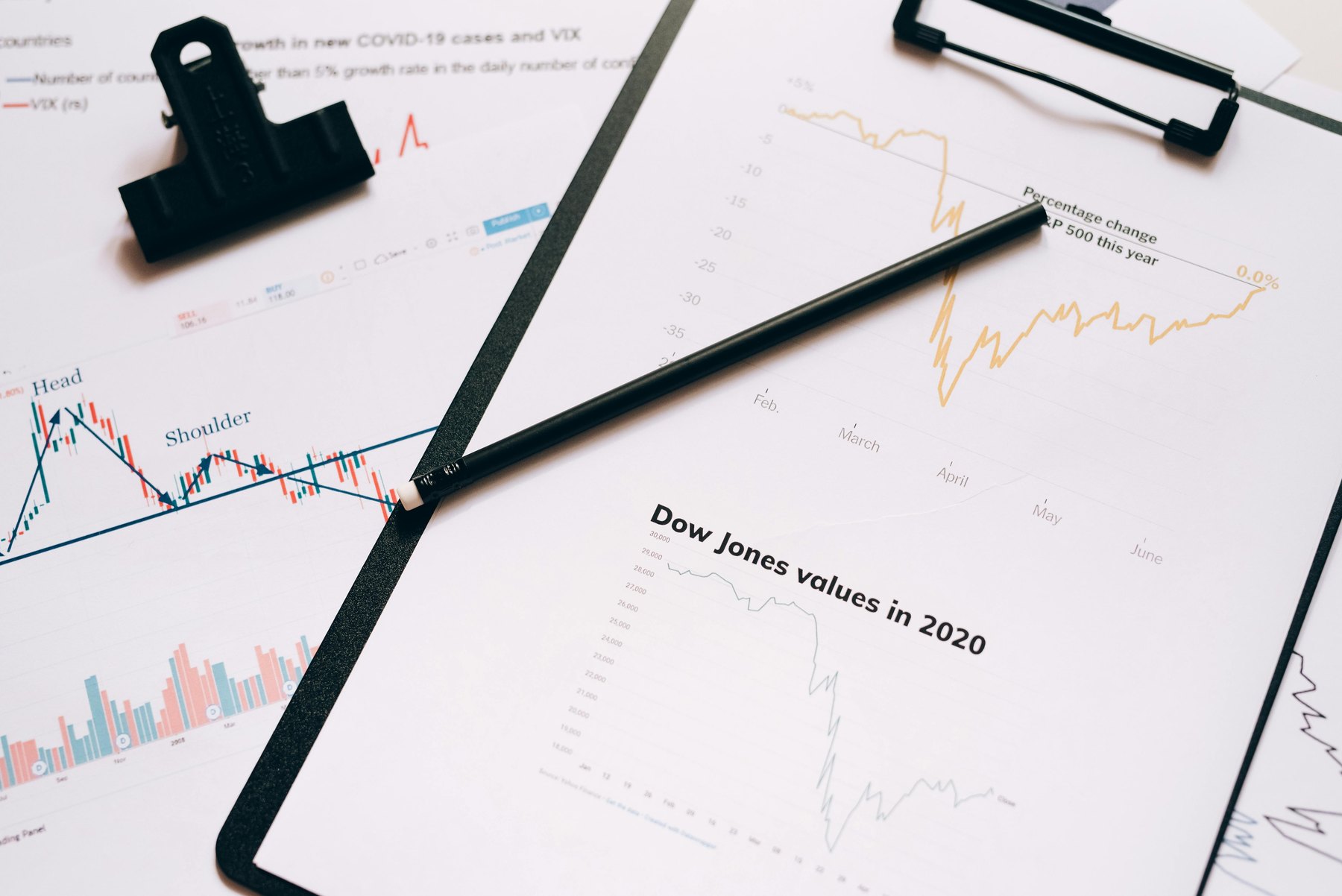
Two thematic ETFs can share a theme name but behave very differently. Before investing, look at how the fund defines the theme and how it selects holdings.
Index based vs actively managed
- Index based thematic ETFs follow a published index methodology. This can make holdings and rules easier to understand.
- Actively managed thematic ETFs rely on a manager’s judgment to pick companies. This can adapt faster, but it also adds manager risk and may increase turnover and taxes in a taxable account.
Common screening methods
- Revenue exposure screens: companies must earn a certain percentage of revenue from the theme.
- Keyword and classification screens: companies are included based on business descriptions and industry tags.
- Pure play vs broad exposure: some funds hold “pure play” smaller firms, while others include large diversified companies.
Weighting and concentration
Many thematic ETFs are equal weighted or modified market cap weighted. Equal weighting can increase exposure to smaller companies and raise volatility. Modified market cap weighting can still lead to heavy concentration in a few names. Always check:
- Top 10 holdings percentage
- Number of holdings
- Country and sector breakdown
- Market cap mix (large, mid, small)
thematic ETFs: when they can make sense
Thematic investing is easiest to justify when you treat it as a satellite position around a diversified core. Here are situations where thematic ETFs can be a reasonable tool:
- You want targeted exposure to a trend, but you do not want to research and monitor individual stocks.
- You already have a diversified core in broad stock and bond funds, and you are adding a small tilt.
- You can hold through volatility and avoid panic selling when the theme falls out of favor.
- You have a clear thesis and time horizon, such as 7+ years, and you can explain why the theme is not already fully priced in.
When thematic ETFs are often a poor fit
- You need the money soon (down payment, tuition, emergency fund). Themes can drop sharply and stay down for years.
- You are chasing recent performance. Many themes attract inflows after big runs, which can set up disappointing future returns.
- You are using them as your main portfolio. Concentration risk can become your biggest risk.
- You do not understand what is inside. If you cannot name the main holdings and risks, you may be buying a label, not exposure.
What to compare before buying a thematic ETF
Use this checklist to compare funds that claim to cover the same trend.
| What to check | Why it matters | Quick rule of thumb |
|---|---|---|
| Expense ratio | Higher fees create a higher hurdle to outperform. | All else equal, prefer lower cost. |
| Index or strategy definition | “Theme” can be broad marketing or a strict rule set. | Look for clear inclusion rules and holdings that match the story. |
| Holdings overlap with what you already own | You may be doubling down on the same mega caps. | Compare top holdings against your total market or S&P 500 fund. |
| Concentration (top 10 %) | A few stocks can drive most outcomes. | Higher concentration means higher single stock risk. |
| Liquidity (trading volume and bid ask spread) | Thin trading can raise your trading costs. | Use limit orders if spreads look wide. |
| Turnover | High turnover can increase taxes in taxable accounts. | Lower turnover is often simpler for long term holding. |
| Underlying holdings quality | Some themes include unprofitable or highly leveraged firms. | Scan for balance sheet risk and profitability mix. |
Named examples: popular thematic ETFs and what to compare
Below are recognizable thematic ETFs investors often research. These are examples, not a ranked list. Availability, holdings, and costs can change, so verify the current prospectus and fund pages before investing.
| Option | Best fit | What to compare | Main drawback |
|---|---|---|---|
| ARK Innovation ETF (ARKK) | Investors seeking aggressive, disruptive tech exposure | Top holdings, turnover, concentration, expense ratio | Can be highly volatile and concentrated |
| Global X Robotics & Artificial Intelligence ETF (BOTZ) | Robotics and automation theme across countries | Country exposure, industrial vs tech mix, fees | Theme overlap with industrials and semiconductors |
| iShares Global Clean Energy ETF (ICLN) | Clean energy and renewables exposure | Utility vs equipment mix, regional weights, fees | Policy sensitivity and cyclical drawdowns |
| First Trust Nasdaq Cybersecurity ETF (CIBR) | Cybersecurity focused equity exposure | Holdings overlap with tech funds, valuation risk, fees | Can be tech heavy and rate sensitive |
| Global X Lithium & Battery Tech ETF (LIT) | Battery supply chain and materials exposure | Materials vs manufacturers mix, commodity sensitivity | Commodity price swings can dominate returns |
| iShares Genomics Immunology and Healthcare ETF (IDNA) | Biotech and genomics tilt | Profitability mix, small cap exposure, fees | High clinical and regulatory risk |
Decision rules by timeline
Time horizon is one of the simplest ways to decide whether a thematic ETF belongs in your plan and how much risk to take.
Under 1 year
- For money you need soon, thematic ETFs are usually a mismatch because a short drawdown can derail your goal.
- Consider keeping near term funds in cash like a high yield savings account or short term instruments where principal stability is the priority.
1 to 3 years
- If the goal date is firm, keep most of the money in lower volatility options and limit theme exposure to a small percentage, if any.
- Use a rule like: only invest what you could leave untouched if the theme drops significantly.
3 to 7 years
- This is the earliest window where a small thematic slice may be reasonable if you can rebalance and stay invested.
- Consider a cap such as 5% to 10% of your stock allocation for a single theme, depending on risk tolerance and overlap.
7+ years
- Long horizons can better absorb theme cycles. You still want diversification, but you have more time for a thesis to play out.
- Consider spreading across multiple themes rather than betting heavily on one, and rebalance back to targets annually.
What this looks like with real numbers
Below are sample allocations to show how thematic ETFs might fit as a satellite. These are illustrations to help you think in dollars. Adjust for your income stability, debt, and goal dates.
Scenario 1: $10,000 starter portfolio, long horizon
- $7,500 in a broad US stock market ETF
- $1,500 in a broad international stock ETF
- $1,000 in one thematic ETF (10% of total)
Decision rule: if the thematic ETF doubles and becomes 18% to 20% of the portfolio, rebalance by selling some and adding to the core.
Scenario 2: $50,000 invested, moderate risk, multiple goals
- $30,000 in diversified stock ETFs (US and international)
- $15,000 in bond ETFs or cash like instruments for stability
- $5,000 split across two themes ($2,500 each)
Decision rule: keep total thematic exposure at 10% of the portfolio, and limit any single theme to 5%.
Scenario 3: $200,000 invested, aggressive, 7+ year horizon
- $140,000 in diversified stock ETFs
- $40,000 in diversified bonds or cash equivalents
- $20,000 in thematic ETFs across four themes ($5,000 each)
Decision rule: if one theme becomes highly correlated with your core (for example, it is mostly mega cap tech you already own), reduce it and diversify into a theme with different drivers.
Risk management: how to keep themes from taking over your plan
Use position sizing caps
A simple guardrail is to cap thematic ETFs at 0% to 20% of your stock allocation, depending on your risk tolerance. Many long term investors keep it closer to 5% to 10% total across all themes.
Rebalance on a schedule
Pick a rule you can follow without emotion:
- Calendar rule: rebalance once or twice per year.
- Band rule: rebalance when a theme drifts more than 25% above or below its target weight.
Avoid doubling up unknowingly
Before buying, compare the thematic ETF’s top holdings with your existing funds. If your core fund already owns a lot of the same companies, your “theme” may just be extra concentration in what you already have.
Watch liquidity and trading costs
Some niche thematic ETFs trade lightly. If you see a wide bid ask spread, consider using a limit order and trading during normal market hours when liquidity is often better.
Theme quality test: a quick checklist
Not every trend makes a good investment theme. Use these questions to pressure test the idea.
| Question | What a stronger answer looks like | Red flag |
|---|---|---|
| Is the theme measurable? | Clear revenue exposure or business activity criteria | Mostly marketing labels and vague inclusion rules |
| Is there a diversified set of beneficiaries? | Multiple industries and business models can win | Only a handful of companies plausibly benefit |
| Is the theme already crowded? | Valuations and expectations still leave room for surprises | Everyone is talking about it and prices reflect perfection |
| Can you hold through a drawdown? | You can stay invested for years if needed | You would likely sell after a 30% to 50% drop |
| Does it fit your goal timeline? | Money is truly long term | You need the money for a near term goal |
Taxes and account placement
Where you hold a thematic ETF can affect your after tax results.
- Taxable brokerage accounts: ETFs are often tax efficient, but high turnover strategies can still distribute gains. Also consider capital gains taxes if you sell after a run up.
- Tax advantaged accounts (401(k), IRA, Roth IRA): these accounts can reduce the impact of annual taxes on distributions, but your plan menu may not offer thematic ETFs.
If you are choosing between similar funds, lower turnover and clearer index rules can be easier to manage in taxable accounts.
How thematic ETFs relate to borrowing and debt decisions
It can be tempting to invest in a hot theme while carrying high interest debt. A practical way to compare is to look at your debt APR versus the uncertain expected return of a volatile theme.
- If you have high APR credit card debt, paying it down can be a more reliable “return” than taking concentrated market risk.
- If you are considering borrowing to invest in thematic ETFs, stress test what happens if the theme drops sharply while you still owe the loan balance.
For help understanding credit costs and borrowing basics, the CFPB has consumer friendly resources at consumerfinance.gov.
Practical steps to buy and monitor a thematic ETF
Step 1: Pick your core first
Decide what percentage of your portfolio is in broad stock and bond exposure. Themes should usually come after you have a diversified base.
Step 2: Choose one theme and define your thesis
Write one sentence on why the theme should grow and one sentence on what could go wrong. If you cannot explain both, keep the position small.
Step 3: Compare 2 to 3 funds for the same theme
Check expense ratio, holdings, concentration, and overlap with your existing funds. Read the fund’s objective and holdings list.
Step 4: Set rules before you buy
- Target allocation (example: 5% of portfolio)
- Rebalancing schedule (example: every January)
- Sell rule (example: only if your thesis breaks, not because price fell)
Step 5: Monitor the right things
- Holdings drift: did the fund change what it owns?
- Concentration: did the top holdings become too dominant?
- Costs: did the expense ratio change?
- Overlap: did your overall portfolio become too tech heavy or too correlated?
Helpful resources for investors
- Investor education and avoiding fraud: FTC consumer advice
- Researching funds and understanding fees: Investor.gov
- Checking your credit before major borrowing decisions: AnnualCreditReport.com
Bottom line
Thematic ETFs offer a convenient way to express a view on a trend, but convenience can hide concentration, higher fees, and hype risk. If you use them, treat them as a small satellite allocation, compare what is inside the fund, and set rebalancing rules in advance. The goal is to participate in long term trends without letting a single narrative determine your financial outcome.


