

Trading Halt Stop Stock Market Crash

Trading halt stop stock market crash is a phrase people search when markets turn chaotic and headlines mention “circuit breakers,” “halts,” or “paused trading.” A trading halt is a temporary pause in buying and selling for a stock, an exchange, or the whole market. It is designed to slow things down so prices can update more orderly, news can be digested, and trading systems can keep up.
Contents
26 sections
-
What a trading halt is and what it is not
-
Trading halt stop stock market crash: why exchanges use circuit breakers
-
Common types of trading halts (with plain-English triggers)
-
1) Market-wide circuit breakers
-
2) Volatility halts for individual stocks and ETFs (LULD)
-
3) News pending and regulatory halts
-
4) Order imbalance and reopening auctions
-
5) Broker or platform restrictions (not an exchange halt)
-
What happens to your orders during a halt
-
Decision rules: what to do before, during, and after a halt
-
Before a halt (prevention checklist)
-
During a halt (in-the-moment checklist)
-
After trading resumes (post-halt checklist)
-
How halts can affect your finances beyond investing
-
Real-number examples: building a buffer so you are not forced to sell
-
Example 1: $5,000 cash cushion for a renter
-
Example 2: $20,000 for a household with a car loan and variable income
-
Example 3: $100,000 split between near-term needs and long-term investing
-
Timeline rules for money you might need (under 1 year to 7+ years)
-
Risk checklist: are you vulnerable to a halt-driven "forced sale"?
-
Named examples: where you might see halt information and how to verify it
-
Quick comparison: broker platform features to compare during halts
-
If you need cash during a crash: borrowing options to compare carefully
-
Common sources of short-term liquidity
-
Where to learn more (authoritative sources)
-
Key takeaways
Halts can feel scary because you cannot always trade when you want to. But understanding what triggers them, how long they can last, and what happens to orders can help you avoid costly mistakes like panic-selling at the reopen or placing the wrong order type.
What a trading halt is and what it is not
A trading halt is a temporary suspension of trading. Depending on the situation, it might apply to:
- One stock or ETF (for example, a company pending major news).
- A group of securities (for example, volatility rules affecting many names at once).
- The entire market (for example, broad market circuit breakers).
A halt is not the same as a market “closing forever,” and it does not automatically mean a crash will continue. It is simply a pause. Prices can still gap up or down when trading resumes, and liquidity can be thin at the reopen.
Trading halt stop stock market crash: why exchanges use circuit breakers
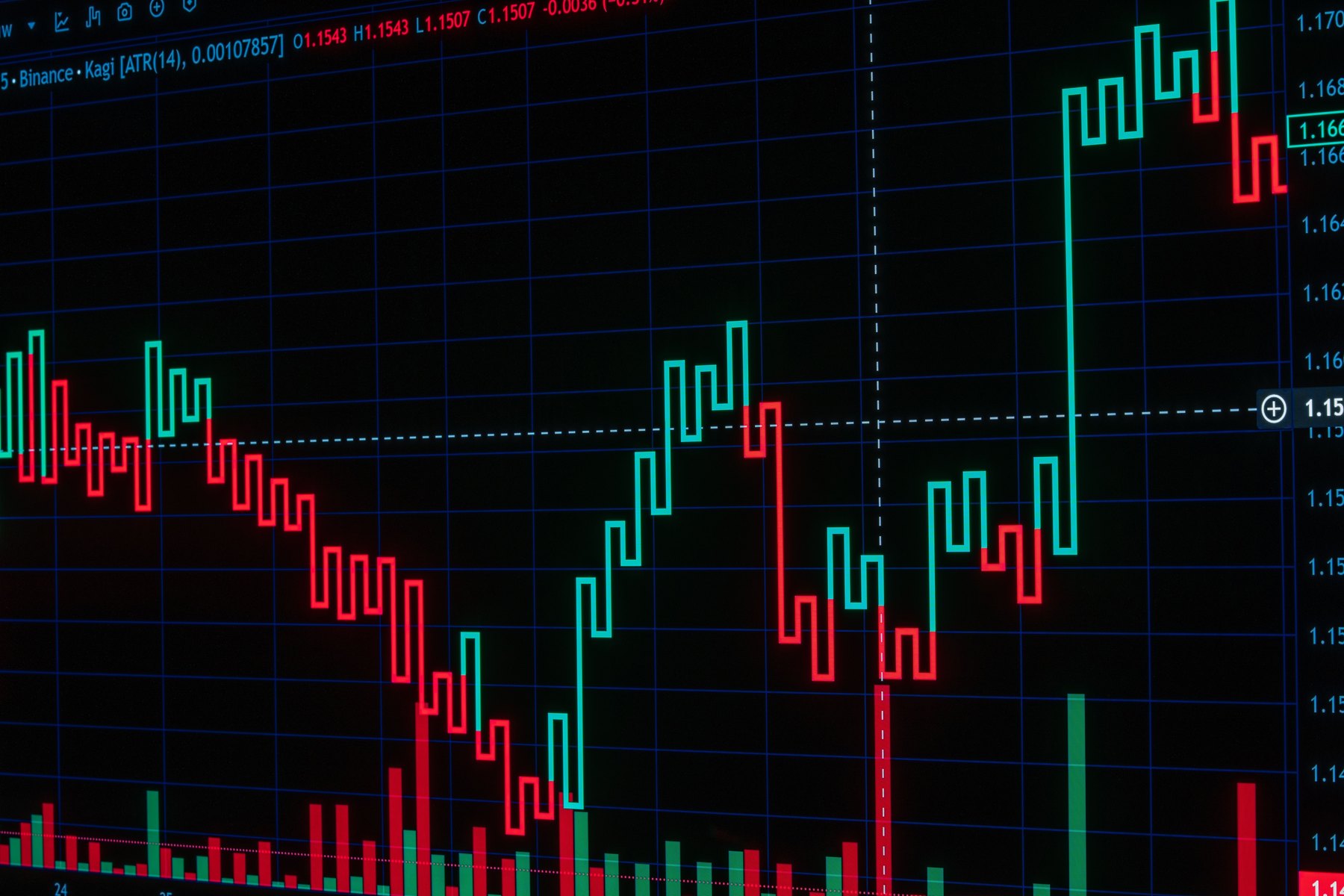
When prices move too fast, trading can become disorderly. Circuit breakers and volatility halts aim to reduce the chance of:
- Extreme price swings caused by panic rather than fundamentals.
- Bad prints where trades occur at prices far from the true market.
- Technology strain on exchanges and broker systems during heavy volume.
- Information gaps when major news hits and not everyone has processed it.
In practice, halts can also concentrate risk: if you are over-leveraged or need to raise cash quickly, a pause can limit your options until trading resumes.
Common types of trading halts (with plain-English triggers)
1) Market-wide circuit breakers
U.S. exchanges can pause the entire market if broad indexes fall quickly. The exact thresholds and rules can change over time, so it is smart to verify current levels with the exchange or regulator. The key idea is that large, rapid declines can trigger a temporary pause.
2) Volatility halts for individual stocks and ETFs (LULD)
Limit Up Limit Down (LULD) rules are designed to prevent trades from occurring outside a price band during extreme volatility. If a stock cannot trade within the band for a set period, it can be halted briefly.
3) News pending and regulatory halts
A company may be halted if material news is expected or just released, such as earnings, a merger announcement, bankruptcy filings, or a major investigation. The goal is to give the market time to absorb information.
4) Order imbalance and reopening auctions
Sometimes trading pauses around the open or close due to large imbalances between buy and sell orders. Exchanges may extend an auction to find a more stable opening price.
5) Broker or platform restrictions (not an exchange halt)
Separately from exchange halts, a brokerage may restrict certain order types, increase margin requirements, or limit trading in specific securities due to risk controls. That is not the same as an exchange-imposed halt, but it can feel similar from a user’s perspective.
What happens to your orders during a halt
Rules vary by exchange and broker, but these are common outcomes:
- Market orders may execute at the reopen at whatever price is available, which can be far from the last trade.
- Limit orders generally remain queued, but only execute if the reopen price reaches your limit.
- Stop orders may trigger when trading resumes and can become market orders depending on how your broker handles them.
- Options can behave differently. Options on a halted stock may also be halted or become illiquid.
If you are unsure, check your broker’s help center for “trade halts,” “LULD,” and “order handling.” During volatile periods, consider using limit orders more often than market orders to control execution price.
Decision rules: what to do before, during, and after a halt
Before a halt (prevention checklist)
- Know your time horizon: money needed soon should not be exposed to high-volatility positions.
- Reduce forced-selling risk: avoid using margin if a sudden drop would trigger a margin call.
- Use position sizing: a single stock should not be able to derail your plan.
- Prefer limit orders when trading volatile names.
- Keep a cash buffer so you are not forced to sell during a halt or reopen gap.
During a halt (in-the-moment checklist)
- Confirm the halt type: exchange halt vs broker restriction. Look for official exchange notices.
- Do not assume the reopen price: it can gap sharply.
- Review open orders: cancel or replace risky market orders if your broker allows it.
- Check your margin status: a reopen gap can change your equity quickly.
- Look for verified news: company filings, exchange notices, and reputable outlets.
After trading resumes (post-halt checklist)
- Expect wide spreads and fast price moves in the first minutes.
- Scale decisions: consider smaller trades rather than one large order.
- Re-check your plan: if your thesis changed, decide based on facts, not the halt itself.
- Document what happened: order type, execution, and lessons for next time.
How halts can affect your finances beyond investing
Even if you are not an active trader, a sharp market drop and trading halts can spill into day-to-day money decisions:
- Emergency fund pressure: if investments are down, you may not want to sell to cover a bill.
- Credit utilization: people sometimes lean on credit cards during volatility, which can raise utilization and potentially affect credit scores.
- Loan timing: if you plan to apply for a mortgage or auto loan, big account swings can complicate documentation and down payment planning.
One practical move is to separate “must-pay” money from market risk so a market event does not force you into expensive borrowing.
Real-number examples: building a buffer so you are not forced to sell
Below are sample allocations that show what “not forced to sell during a halt or crash” can look like in dollars. These are examples, not one-size-fits-all plans. The right mix depends on job stability, debt payments, and how soon you need the money.
Example 1: $5,000 cash cushion for a renter
| Bucket | Goal | Amount | Where it might sit |
|---|---|---|---|
| Immediate bills | Rent, utilities, groceries | $1,500 | Checking |
| Emergency reserve | Job or health surprise | $3,000 | FDIC-insured savings |
| Volatility buffer | Car repair, travel, deductible | $500 | Savings or money market deposit |
Total: $5,000.
Example 2: $20,000 for a household with a car loan and variable income
| Bucket | Time horizon | Amount | Decision rule |
|---|---|---|---|
| Monthly operating cash | 0 to 1 month | $4,000 | Keep enough to avoid overdrafts and late fees |
| Emergency fund | 3 to 6 months of essentials | $12,000 | Increase toward 6 months if income is uneven |
| Planned expenses | 3 to 12 months | $4,000 | Keep out of stocks if you will spend it soon |
Total: $20,000.
Example 3: $100,000 split between near-term needs and long-term investing
| Bucket | Purpose | Amount | Notes |
|---|---|---|---|
| Cash and cash equivalents | Sleep-at-night money | $25,000 | Often held in insured deposits; verify FDIC coverage limits |
| Near-term goals | 1 to 3 years | $15,000 | Consider lower-volatility options if the money is needed soon |
| Long-term investments | 7+ years | $60,000 | Can tolerate market drops better if you will not need to sell |
Total: $100,000.
Timeline rules for money you might need (under 1 year to 7+ years)
- Under 1 year: prioritize stability and access. If a market halt would block you from paying a bill, it is too risky for this bucket.
- 1 to 3 years: keep risk moderate. You may not have time to recover from a sharp drop right before you need the money.
- 3 to 7 years: a blended approach can make sense. You can take some volatility, but plan for drawdowns.
- 7+ years: you can generally tolerate more market risk because you have time to ride out downturns, assuming you are diversified and not forced to sell.
Risk checklist: are you vulnerable to a halt-driven “forced sale”?
| Risk factor | Why it matters in a halt or crash | Simple mitigation |
|---|---|---|
| Using margin | Price gaps can trigger margin calls when trading resumes | Lower leverage; keep extra cash; know your broker’s rules |
| Concentrated single-stock position | One halt can freeze a large portion of your portfolio | Diversify; cap position size |
| Money needed soon invested in stocks | You may have to sell at a bad time | Match investments to timeline buckets |
| Relying on credit cards for emergencies | High utilization can raise costs and reduce flexibility | Build an emergency fund; consider a lower-rate backup line if eligible |
| Only market orders | Reopen prices can be far from expectations | Use limit orders when volatility is high |
Named examples: where you might see halt information and how to verify it
If you are trying to confirm whether a security is halted and why, start with official exchange sources and then check how your broker handles orders. Here are recognizable places investors often use:
- NYSE and Nasdaq halt notices and trading status pages.
- Cboe (for certain listings and market data).
- Broker platforms such as Fidelity, Charles Schwab, E*TRADE, Interactive Brokers, and Robinhood for order status and restrictions.
Use these as comparison points. Brokers can differ on order routing, how they treat stop orders, and what they allow during volatile events.
Quick comparison: broker platform features to compare during halts
| Option | Best fit | What to compare | Main drawback |
|---|---|---|---|
| Fidelity | Long-term investors who want robust tools | Order types, execution quality reporting, customer support access | Tools can feel complex for beginners |
| Charles Schwab | Investors who value research and service | Trading platform features, order handling, education resources | Some advanced features may require setup |
| E*TRADE | Active traders who want flexible platforms | Order controls, options tools, mobile vs desktop experience | Interface choices can be overwhelming |
| Interactive Brokers | Experienced traders focused on pricing and access | Margin rules, risk controls, global market access | Steeper learning curve |
| Robinhood | Beginners who want a simple app experience | Order types available, disclosures, how restrictions are communicated | Fewer advanced controls for fast markets |
If you need cash during a crash: borrowing options to compare carefully
Sometimes the real problem during a market halt is not investing. It is cash flow. If you face an urgent expense, compare borrowing options by APR, fees, repayment term, and what happens if you cannot pay on time.
Common sources of short-term liquidity
- 0% APR credit card promo (if you qualify): can help spread costs, but watch deferred interest terms and the post-promo APR.
- Personal loan: fixed payments and term; compare origination fees and prepayment policies.
- HELOC: may offer lower rates for homeowners, but your home is collateral and rates can be variable.
- 401(k) loan (if allowed): avoids a credit check in many plans, but can create job-change risk and opportunity cost.
Where to learn more (authoritative sources)
- Consumer Financial Protection Bureau (CFPB) for guidance on credit, debt, and financial products.
- Federal Trade Commission (FTC) Consumer Advice for avoiding scams that often spike during market turmoil.
- FDIC to understand deposit insurance basics and how coverage works.
- AnnualCreditReport.com to check your credit reports, which can matter if you need to borrow during a downturn.
Key takeaways
- Trading halts are temporary pauses meant to manage extreme volatility or major news.
- Order type matters. Market orders can fill at unexpected prices after a halt.
- The best protection is planning: keep near-term money out of high-volatility assets and maintain a cash buffer.
- If you need cash during a crash, compare borrowing options by total cost and repayment risk, not speed alone.
If you want, share whether you are investing for the short term or long term and whether you are using margin. That changes which checklist items matter most.


