

How Trump Could Impact Gold Prices

Trump impact on gold prices is usually driven less by speeches and more by how markets expect policy to change inflation, interest rates, the dollar, and global risk.
Contents
29 sections
-
Why politics can move gold in the first place
-
Trump impact on gold prices: the 5 main policy channels
-
1) Inflation and fiscal policy expectations
-
2) The Federal Reserve reaction function
-
3) Trade policy and tariffs
-
4) US dollar strength and capital flows
-
5) Geopolitical risk and safe-haven demand
-
Scenario map: what could happen to gold under different outcomes
-
Gold is not one thing: choose the exposure that matches your goal
-
Checklist: match the tool to the job
-
What this looks like with real numbers: 3 sample allocations
-
Allocation example 1: $10,000 starter portfolio, cautious
-
Allocation example 2: $50,000 balanced investor, inflation-aware
-
Allocation example 3: $200,000 near-retiree, volatility-sensitive
-
Timeline decision rules: under 1 year, 1 to 3, 3 to 7, and 7+ years
-
Under 1 year
-
1 to 3 years
-
3 to 7 years
-
7+ years
-
How gold connects to debt and borrowing decisions
-
Priority order when money is tight
-
Credit and identity steps that help in any market
-
Practical "watch list" for tracking gold drivers
-
Common mistakes to avoid when politics heats up
-
1) Treating gold like a guaranteed hedge
-
2) Overconcentrating based on one headline
-
3) Ignoring costs and taxes
-
4) Using debt to buy volatile assets
-
A simple decision framework
Gold can behave like an inflation hedge, a crisis hedge, and sometimes a momentum trade. That means politics can matter, but not in a simple one direction way. In some periods, gold rises when investors worry about inflation or instability. In others, gold falls when real interest rates rise or the US dollar strengthens.
This guide breaks down the main channels through which a Trump administration or Trump-related election outcomes could influence gold, how to think in scenarios, and how to make practical money decisions with real numbers.
Why politics can move gold in the first place
Gold is priced globally and tends to react to a few big variables:
- Real interest rates (interest rates minus inflation). Higher real rates can make non-yielding gold less attractive.
- US dollar strength. A stronger dollar can pressure gold prices because gold is often priced in dollars.
- Inflation expectations. If investors expect inflation to run hotter, gold sometimes benefits.
- Risk sentiment. Geopolitical stress or recession fears can increase demand for perceived safe havens.
- Central bank buying. Some central banks increase gold reserves for diversification.
Political leadership can influence each variable indirectly through fiscal policy, trade policy, regulation, and foreign policy. The market often moves on expectations before policies are fully implemented.
Trump impact on gold prices: the 5 main policy channels
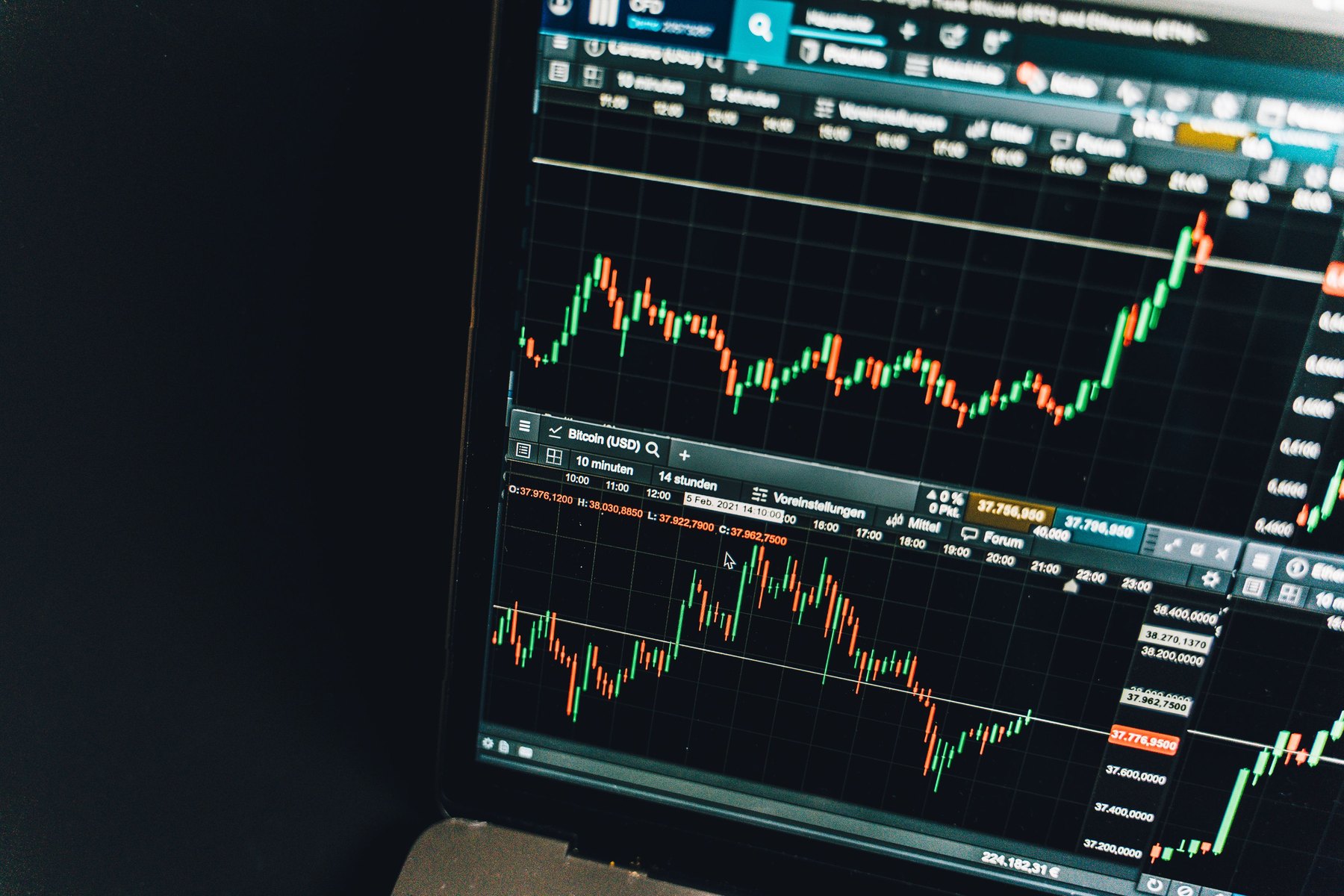
Below are the most common ways markets connect Trump-era policy expectations to gold. Any one channel can dominate at different times.
1) Inflation and fiscal policy expectations
If investors expect larger deficits, tax changes, or spending shifts that increase demand in the economy, inflation expectations can rise. Gold sometimes responds positively to higher inflation expectations, especially if interest rates do not rise as fast.
Decision rule: If you think inflation will stay elevated and real rates will not rise much, gold may act more like an inflation hedge. If you think the central bank will keep real rates high, gold may struggle even if inflation is a concern.
2) The Federal Reserve reaction function
The Fed is independent, but markets still price how policy might evolve under different administrations. If markets expect tighter monetary policy (higher rates for longer), that can raise real yields and pressure gold. If markets expect easier policy or faster cuts, that can support gold.
What to watch: real yields on Treasury Inflation-Protected Securities (TIPS) and Fed communications. You can track broad rate and inflation data from the Federal Reserve Economic Data portal and other public sources, but the key is direction, not day-to-day noise.
3) Trade policy and tariffs
Tariffs can raise the price of imported goods and disrupt supply chains. That can push inflation higher in the short run, while also slowing growth if costs rise broadly. Gold can react to either inflation fears or growth fears, but the dollar and interest rates often decide the final direction.
Practical takeaway: If tariff headlines increase volatility, gold can benefit as a risk hedge. But if tariffs strengthen the dollar or lead to higher real rates, gold can face headwinds.
4) US dollar strength and capital flows
Gold often moves inversely to the dollar. Policies that attract capital into US assets, or that increase confidence in US growth, can strengthen the dollar and weigh on gold. Policies that raise concerns about debt sustainability or geopolitical risk can weaken the dollar and support gold.
What to watch: the US Dollar Index (DXY), Treasury yields, and global risk indicators. You do not need to trade these, but they help explain why gold moves.
5) Geopolitical risk and safe-haven demand
Foreign policy shifts can change perceived geopolitical risk. In periods of heightened uncertainty, investors sometimes increase allocations to gold, Treasury bonds, or cash. Gold can benefit if investors want diversification away from financial assets.
However, safe-haven flows can also go to the dollar. In some crises, both gold and the dollar rise. In others, the dollar rises and gold falls. Context matters.
Scenario map: what could happen to gold under different outcomes
No one can know the path of policy, inflation, or the Fed. A useful approach is to think in scenarios and decide what you will do before volatility hits.
| Scenario | What changes | Likely market reaction | Possible gold response |
|---|---|---|---|
| Higher inflation expectations, real rates steady | Fiscal expansion or tariff-driven price pressure | Inflation breakevens rise, rates do not keep up | Gold may rise as an inflation hedge |
| Fed stays tight, real rates rise | Markets price higher-for-longer policy | Real yields up, dollar firm | Gold may fall or lag |
| Growth scare or recession risk | Trade shock or financial tightening | Risk assets weaken, rate cuts expected | Gold may rise if real yields fall |
| Geopolitical escalation | Higher global uncertainty | Volatility up, safe-haven demand | Gold may rise, but dollar strength can offset |
| Dollar surge | Capital flows to US assets | DXY up, global liquidity tightens | Gold may face pressure |
Gold is not one thing: choose the exposure that matches your goal
Before you react to political headlines, decide what role gold should play in your finances. Common goals include diversification, inflation hedging, and short-term trading. The product you choose changes your costs and risks.
| Option | Best fit | What to compare | Main drawback |
|---|---|---|---|
| Physical gold (coins or bars) | Long-term holders who want direct ownership | Dealer spread, storage, insurance, liquidity | Higher transaction costs and storage risk |
| SPDR Gold Shares (GLD) | Convenient brokerage access to gold price exposure | Expense ratio, bid-ask spread, tax treatment | Ongoing fees and no direct possession |
| iShares Gold Trust (IAU) | Lower-cost ETF alternative for many investors | Expense ratio, liquidity, tracking | Still subject to market and fee drag |
| Aberdeen Standard Physical Gold Shares ETF (SGOL) | Investors who care about vaulting details | Custody, expense ratio, trading volume | May have lower liquidity than larger ETFs |
| Gold miners ETF (VanEck Gold Miners ETF – GDX) | Higher-risk, higher-volatility gold-linked exposure | Holdings, fees, sensitivity to energy and labor costs | Company risks can dominate gold price moves |
| Gold futures or options (CME contracts) | Advanced traders managing short-term risk | Margin requirements, contract size, rollover costs | Leverage can magnify losses quickly |
Checklist: match the tool to the job
- If you want portfolio diversification, a low-cost gold ETF may be simpler than storing physical metal.
- If you want disaster insurance, consider what you would actually do with physical gold in an emergency and how you would store it.
- If you want short-term hedging, define the risk you are hedging (stocks, inflation surprise, currency risk) and the time window.
- If you are tempted by leverage, set a maximum loss you can tolerate before placing a trade.
What this looks like with real numbers: 3 sample allocations
Gold is often used as a small slice of a broader plan, not the whole plan. The examples below are illustrations you can adapt. They are designed to add up correctly and show tradeoffs.
Allocation example 1: $10,000 starter portfolio, cautious
- $6,000 in a diversified stock index fund
- $3,500 in high-quality bonds or a bond index fund
- $500 in gold (5%) via an ETF like IAU or GLD
Decision rule: If gold grows above 7% of the portfolio, consider rebalancing back to 5%. If it falls below 3%, decide whether you still want the hedge or whether you are comfortable letting it drift.
Allocation example 2: $50,000 balanced investor, inflation-aware
- $30,000 stocks
- $15,000 bonds (could include some TIPS depending on your goals)
- $2,500 gold ETF (5%)
- $2,500 cash for near-term needs
Decision rule: If your main worry is inflation, compare adding TIPS versus increasing gold. TIPS are designed to adjust with inflation, while gold can be more sentiment-driven.
Allocation example 3: $200,000 near-retiree, volatility-sensitive
- $90,000 stocks
- $90,000 bonds and cash equivalents
- $20,000 gold (10%)
Decision rule: If you rely on the portfolio for spending soon, prioritize liquidity and drawdown control. A 0% to 10% gold range is common in many diversified approaches, but the right level depends on how much volatility you can tolerate and what other hedges you already hold.
Timeline decision rules: under 1 year, 1 to 3, 3 to 7, and 7+ years
Under 1 year
- Gold can swing sharply around elections, Fed meetings, and geopolitical events.
- If you need the money soon, prioritize cash and short-term instruments over volatile assets.
- Use gold only if you can tolerate a meaningful short-term drop without changing your plan.
1 to 3 years
- Gold can help diversify, but it is not reliable for a specific goal date.
- Consider a small allocation and a clear rebalancing rule.
- If you are saving for a down payment, compare the risk of gold volatility versus the certainty of insured deposits.
3 to 7 years
- This is a window where diversification can matter, but you still need a plan for drawdowns.
- Gold may play a supporting role alongside stocks and bonds.
- Rebalance annually or when allocations drift beyond set bands.
7+ years
- Long horizons can absorb volatility, but gold still has long flat periods.
- Focus on total portfolio construction, costs, and taxes.
- Consider whether your inflation hedge is better expressed through a mix of assets (stocks, TIPS, real assets) rather than only gold.
How gold connects to debt and borrowing decisions
Even though this article is about gold prices, many readers are making decisions about loans, credit cards, or refinancing during volatile periods. Political uncertainty can tempt people to speculate. A practical approach is to protect your balance sheet first.
Priority order when money is tight
| Priority | Action | Why it matters | Rule of thumb |
|---|---|---|---|
| 1 | Build an emergency fund | Prevents high-cost borrowing during shocks | Target 3 to 6 months of essential expenses |
| 2 | Pay down high-interest debt | Guaranteed interest savings are hard to beat | Focus on credit cards and payday-style debt first |
| 3 | Stabilize your credit profile | Better credit can expand options and lower costs | Pay on time, keep utilization lower when possible |
| 4 | Invest for long-term goals | Compounding works over time | Use diversified, low-cost building blocks |
| 5 | Add small diversifiers like gold | Can reduce portfolio swings for some investors | Often a single-digit percentage allocation |
Credit and identity steps that help in any market
- Check your credit reports for errors at AnnualCreditReport.com.
- If you are dealing with debt collection or credit reporting disputes, use the tools at the Consumer Financial Protection Bureau.
- For identity theft recovery steps, see the FTC consumer guidance.
Practical “watch list” for tracking gold drivers
If you want to follow the Trump related narrative without getting lost in headlines, track a short list of indicators weekly or monthly.
- Real yields: TIPS yields and the direction of real rates.
- Inflation expectations: breakeven inflation rates.
- US dollar trend: broad dollar strength versus major currencies.
- Volatility: equity volatility and credit spreads.
- Policy signals: tariff proposals, fiscal negotiations, and major geopolitical developments.
If you are holding significant cash while you decide, review deposit insurance basics at the FDIC so you understand coverage limits and account ownership categories.
Common mistakes to avoid when politics heats up
1) Treating gold like a guaranteed hedge
Gold can hedge some risks, but it can also drop during periods when you expect it to rise, especially if real rates climb or the dollar strengthens.
2) Overconcentrating based on one headline
Election cycles create fast narratives. A better approach is to set an allocation range (for example, 0% to 10%) and rebalance rather than chase moves.
3) Ignoring costs and taxes
Physical gold has spreads, storage, and insurance. ETFs have expense ratios and trading spreads. Some gold products can have different tax treatment than stock index funds. Compare total costs before choosing an approach.
4) Using debt to buy volatile assets
Borrowing to buy gold can magnify losses if prices fall or if your borrowing costs rise. If you are already carrying high-interest debt, paying it down can be a more predictable improvement to your finances than adding a volatile position.
A simple decision framework
- Step 1: Define the purpose. Inflation hedge, crisis hedge, or diversification.
- Step 2: Choose a size. Pick a target percentage and a maximum percentage.
- Step 3: Pick the vehicle. Physical gold, gold ETF, miners, or none.
- Step 4: Set rules. Rebalance schedule and what would make you reduce risk.
- Step 5: Stress test. Ask: what if gold drops 20% while stocks also drop?
Political outcomes can influence gold, but the most durable approach is to build a plan that works across multiple scenarios. If Trump-related policies raise inflation expectations while real rates stay contained, gold could benefit. If real rates rise or the dollar strengthens, gold could lag. Your best edge is not predicting the next headline, but choosing an exposure size and strategy you can stick with through volatility.


