

What Stocks Hedge Funds Bought: How to Read Filings and Use the Data Wisely

What stocks hedge funds bought is a popular question because hedge funds have research budgets and access to management teams that most investors do not.
Contents
37 sections
-
Where the data comes from: 13F filings (and what they miss)
-
Key limitations you should know
-
What stocks hedge funds bought: how to interpret "buying" vs "owning"
-
Common interpretations
-
Decision rule: treat "new position" differently than "top holding"
-
How to find hedge fund holdings (free and paid tools)
-
A practical workflow: turn 13F data into a watchlist
-
Step 1: Pick a small set of managers to track
-
Step 2: Filter for meaningful changes
-
Step 3: Ask "why now?" using public clues
-
Step 4: Stress test the idea against your own constraints
-
Risk checklist: when following hedge fund buys can backfire
-
Real-number examples: how to use hedge fund ideas without derailing your plan
-
Scenario A: $10,000 to invest, moderate risk, long-term focus
-
Scenario B: $25,000, higher risk tolerance, wants a "satellite" sleeve
-
Scenario C: $50,000, conservative, prioritizes near-term goals
-
Timeline decision rules: when hedge fund ideas make sense
-
Under 1 year
-
1 to 3 years
-
3 to 7 years
-
7+ years
-
How to evaluate a stock you saw in hedge fund filings
-
Company fundamentals
-
Valuation and expectations
-
Portfolio fit rules (simple and practical)
-
Common "hedge fund bought it" themes and what to watch for
-
Activist or turnaround situations
-
Event-driven trades (mergers, spinoffs)
-
High-growth compounders
-
Protecting your broader finances while investing
-
Quick personal finance order of operations
-
FAQ: quick answers about hedge fund stock buying
-
Do hedge funds outperform the market?
-
Is it legal to copy hedge fund trades?
-
How often should I check 13F filings?
-
What is a reasonable way to start?
-
Bottom line
But the public data you can see is incomplete and delayed, so the real skill is learning how to interpret filings, separate signal from noise, and decide whether an idea fits your goals, time horizon, and risk tolerance. This guide shows where the data comes from, how to read it, and how to turn it into a practical watchlist without copying trades blindly.
Where the data comes from: 13F filings (and what they miss)
Most “hedge fund buying” headlines come from SEC Form 13F. Large investment managers (generally those with at least $100 million in qualifying assets) file a report of certain U.S. equity holdings each quarter. You can use 13F data to see positions and position sizes as of the quarter end.
Key limitations you should know
- Time lag: Filings are typically due up to 45 days after quarter end. A fund can buy and sell in the meantime.
- Not a full portfolio: 13F generally covers U.S.-listed equities and certain options. It does not fully show bonds, commodities, many foreign holdings, or cash.
- Short positions are not shown: A fund might own a stock but hedge it with shorts or derivatives you cannot see.
- Options can be confusing: You may see call or put positions, but not the full strategy.
- Window dressing is possible: Some managers may adjust holdings near quarter end.
To see the original filings, you can use the SEC’s EDGAR database. Start here: SEC EDGAR Search.
What stocks hedge funds bought: how to interpret “buying” vs “owning”
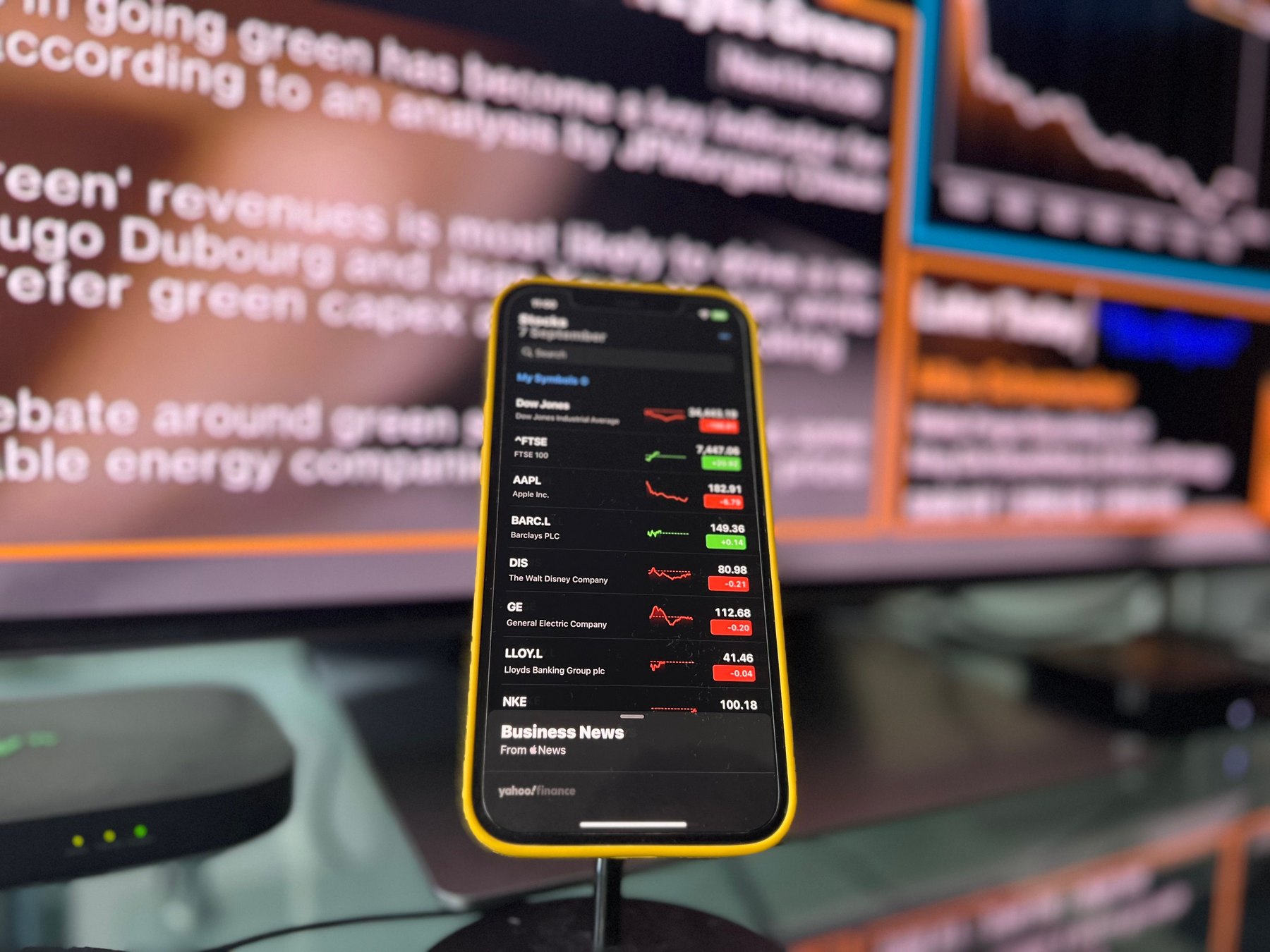
When an article says a hedge fund “bought” a stock, it might mean one of several things. Your first step is to clarify what the data actually indicates.
Common interpretations
- New position: The stock appears in the fund’s 13F for the first time.
- Added to an existing position: Share count increased versus the prior quarter.
- High-conviction holding: The position is a large percentage of the fund’s reported 13F portfolio.
- Many funds bought the same stock: “Crowded” ownership can amplify both upside and downside.
Decision rule: treat “new position” differently than “top holding”
- If it is a new, small position, it may be exploratory and not a high-confidence bet.
- If it is a top 5 holding, it may reflect higher conviction, but also higher portfolio concentration risk.
How to find hedge fund holdings (free and paid tools)
You can research hedge fund holdings directly from filings or through data platforms that organize the information. Here are recognizable options investors commonly use, along with what to compare.
| Option | Best fit | What to compare | Main drawback |
|---|---|---|---|
| SEC EDGAR (13F filings) | DIY investors who want source data | Manager name, filing date, holdings table, share counts | Not user-friendly, no analytics |
| WhaleWisdom | Quick screening of 13F changes | Position changes, new buys, top holdings, manager profiles | Some features are paid; data still delayed |
| Fintel | Investors who want alerts and ownership views | Institutional ownership, 13F changes, insider data | Paywall for deeper tools; can encourage overtrading |
| TipRanks | People who want simplified dashboards | Institutional activity summaries, analyst coverage, news | Summaries can hide nuance; verify in filings |
| Bloomberg Terminal | Professionals needing comprehensive data | Holdings, factor exposure, peer comparisons, real-time tools | Very expensive for most individuals |
| FactSet | Professionals and institutions | Ownership, estimates, portfolio analytics | Expensive; access usually through employers |
Even if you use a third-party platform, it is smart to spot-check the underlying filing for context.
A practical workflow: turn 13F data into a watchlist
Instead of copying trades, use hedge fund activity as an idea generator. Here is a repeatable process.
Step 1: Pick a small set of managers to track
Choose 5 to 15 managers with styles you understand (for example, value focused, growth focused, sector specialists). Tracking too many creates noise.
Step 2: Filter for meaningful changes
- New positions that are at least a meaningful size (for example, not a tiny placeholder).
- Adds to existing positions that are already large holdings.
- Multiple respected managers buying the same company in the same quarter.
Step 3: Ask “why now?” using public clues
- Did earnings or guidance change?
- Is there a merger, spinoff, or restructuring?
- Is the company doing buybacks or issuing shares?
- Did the valuation compress or expand versus its history?
Step 4: Stress test the idea against your own constraints
- Can you hold through a 30% to 50% drawdown without selling at the worst time?
- Do you need the money within 1 to 3 years?
- Would a single stock position exceed your diversification limits?
Risk checklist: when following hedge fund buys can backfire
Hedge funds can be wrong, early, or hedged in ways you cannot see. Use this checklist before acting on any “smart money” headline.
| Risk | What it looks like | Why it matters | Simple mitigation |
|---|---|---|---|
| Reporting delay | You buy after the fund already sold | You may be late to the trade | Use 13F as a watchlist, not a signal to buy today |
| Hidden hedges | Fund is long stock but short sector or index | Your risk exposure differs from the fund’s | Assume you are taking more directional risk than they are |
| Crowded trade | Many funds own the same name | Exits can be painful in a downturn | Limit position size and avoid leverage |
| Concentration | One stock dominates your portfolio | Single-company risk can derail goals | Cap any single stock at a set percentage |
| Liquidity | Small-cap stock with wide bid-ask spreads | Harder to exit at a fair price | Prefer liquid names or use limit orders |
| Narrative over data | Buying because “hedge funds bought it” | Weak thesis leads to panic selling | Write a 3-bullet thesis and a sell rule before buying |
Real-number examples: how to use hedge fund ideas without derailing your plan
Below are three sample allocations that show how hedge fund-inspired picks might fit into a broader financial plan. These are examples, not templates. The right mix depends on your emergency fund needs, debt costs, and timeline.
Scenario A: $10,000 to invest, moderate risk, long-term focus
- $6,500 in diversified index funds (broad U.S. or global exposure)
- $2,000 in a bond fund or cash-like holdings for stability
- $1,000 in 1 to 3 “hedge fund idea” stocks (split into smaller positions)
- $500 kept in cash for flexibility (or to average in over time)
Total: $10,000
Scenario B: $25,000, higher risk tolerance, wants a “satellite” sleeve
- $15,000 in diversified index funds
- $5,000 in sector ETFs that match your conviction (for example, tech, healthcare, energy)
- $3,000 in hedge fund-inspired single stocks (for example, 6 positions of $500)
- $2,000 in cash for opportunities and to reduce forced selling
Total: $25,000
Scenario C: $50,000, conservative, prioritizes near-term goals
- $30,000 in cash or cash equivalents (for example, high-yield savings or Treasury bills, depending on access and taxes)
- $18,000 in diversified index funds (smaller equity exposure)
- $2,000 in hedge fund-inspired ideas (kept small to limit downside)
Total: $50,000
Timeline decision rules: when hedge fund ideas make sense
Time horizon is one of the simplest ways to decide how much risk you can take with any stock idea.
Under 1 year
- Priority: capital preservation and liquidity.
- Rule of thumb: avoid relying on single-stock ideas for money you need soon.
- Common fit: cash, Treasury bills, or insured deposits where appropriate.
1 to 3 years
- Priority: reduce the chance of needing to sell after a market drop.
- Rule of thumb: keep any hedge fund-inspired stock sleeve small (often 0% to 10% depending on your risk tolerance).
- Focus: diversified funds first, then a limited watchlist of stocks.
3 to 7 years
- Priority: balance growth and volatility.
- Rule of thumb: if you use single stocks, diversify across several names and sectors and set position caps.
- Focus: thesis quality, valuation discipline, and staying power.
7+ years
- Priority: long-term compounding and behavior management.
- Rule of thumb: you can consider a larger “satellite” sleeve, but only if you can hold through multi-year drawdowns.
- Focus: avoid leverage, avoid concentration, and rebalance periodically.
How to evaluate a stock you saw in hedge fund filings
Once you have a candidate, use a simple scorecard. You do not need a complex model to avoid the biggest mistakes.
Company fundamentals
- Business model: How does it make money, and what could disrupt it?
- Financial health: Look at debt levels, cash flow, and whether profits are consistent.
- Competitive position: What is the moat, if any?
Valuation and expectations
- Compare valuation to its own history and to peers.
- Identify what has to go right for the stock to perform well.
- Watch for “priced for perfection” situations where small disappointments can hurt.
Portfolio fit rules (simple and practical)
- Position size cap: Decide a maximum per stock (for example, 1% to 5% of your portfolio depending on diversification).
- Sector cap: Avoid stacking too many correlated bets.
- Exit rule: Define what would make you sell (thesis break, valuation extreme, or better opportunity).
Common “hedge fund bought it” themes and what to watch for
Hedge funds often cluster around certain types of opportunities. Knowing the pattern helps you ask better questions.
Activist or turnaround situations
- What to watch: management changes, cost cuts, asset sales, buybacks.
- Risk: timelines can slip, and outcomes can be binary.
Event-driven trades (mergers, spinoffs)
- What to watch: deal terms, regulatory risk, financing conditions.
- Risk: deal breaks can cause sharp drops.
High-growth compounders
- What to watch: revenue growth quality, margins, customer concentration.
- Risk: valuation sensitivity to interest rates and sentiment.
Protecting your broader finances while investing
Even though this topic is about stocks, your borrowing and cash decisions can matter more than picking the perfect ticker. If you are carrying high-interest debt, the guaranteed cost of interest can be a bigger drag than market uncertainty.
Quick personal finance order of operations
- Build an emergency fund sized to your situation (often 3 to 12 months of essential expenses).
- Review high-interest debt and prioritize paydown where it meaningfully improves cash flow.
- Check your credit reports for errors that could raise borrowing costs.
- Only then decide how much to allocate to higher-volatility investments.
You can get free weekly credit reports (availability can change) at AnnualCreditReport.com. For guidance on credit and borrowing basics, the CFPB has practical resources at consumerfinance.gov.
FAQ: quick answers about hedge fund stock buying
Do hedge funds outperform the market?
Some do for certain periods, many do not after fees, and results vary widely by strategy and time frame. Public 13F data alone cannot tell you the full performance picture.
Is it legal to copy hedge fund trades?
Using public filings is legal. The challenge is that filings are delayed and incomplete, so “copying” can create different risks than the fund is taking.
How often should I check 13F filings?
Quarterly is usually enough for most individuals. Checking too frequently can lead to reactive decisions based on old information.
What is a reasonable way to start?
Pick a few managers, pull their latest filings, and create a watchlist of 10 to 20 companies. Then research each company like you would if you had never heard of the hedge fund.
Bottom line
Knowing what stocks hedge funds bought can be useful for generating ideas, spotting themes, and finding companies worth researching. The most practical approach is to treat 13F data as a starting point, apply clear position sizing rules, and match any stock exposure to your timeline and overall financial stability.


