

IRS Stimulus Checks Recovery Credit: How to Claim Missing Payments

IRS stimulus checks recovery credit is the tax credit process the IRS used to help eligible people claim missing Economic Impact Payments by filing a federal tax return. If you did not receive a stimulus payment you qualified for, or you received less than you qualified for, the recovery credit was the way to reconcile what you got with what you were eligible to receive.
Contents
27 sections
-
What the IRS stimulus checks recovery credit is
-
How it worked in plain English
-
Which tax years mattered
-
IRS stimulus checks recovery credit eligibility basics
-
Common situations where people were eligible for more
-
How to check whether the IRS sent your stimulus payment
-
Step 1: Look for IRS letters (if you still have them)
-
Step 2: Check your IRS online account
-
Step 3: Review your bank statements and mail records
-
Step 4: Pull your tax transcript if needed
-
How to claim missing stimulus money (practical decision rules)
-
Decision rule 1: You did not file a return for 2020 or 2021
-
Decision rule 2: You filed, but you did not claim the credit and should have
-
Decision rule 3: You claimed the credit, but the IRS adjusted it
-
Documents and information checklist
-
Common mistakes that cause delays or smaller credits
-
What it looks like with real numbers
-
Scenario A: New baby in 2021, missing part of the third payment
-
Scenario B: Income dropped in 2020, eligible for more than the IRS estimated
-
Scenario C: Payment issued but never received
-
If you are counting on the money: smart ways to plan around timing
-
Decision rules by timeline
-
Three sample allocations (using a hypothetical $1,400 recovery credit)
-
Options if you need cash before your tax situation is resolved
-
How to screen for risky short-term cash products
-
Protect yourself from stimulus and tax refund scams
-
Quick action checklist
This topic can feel confusing because the stimulus payments were sent in different rounds, eligibility changed, and many people moved, changed banks, had a child, or had income changes between years. The good news is that you can usually figure out what happened by checking IRS records and your own tax documents, then taking the right next step.
What the IRS stimulus checks recovery credit is
The recovery credit refers to the Recovery Rebate Credit, which was claimed on a federal income tax return to account for stimulus payments (Economic Impact Payments) that were not received or were received in a smaller amount than allowed under the law for that tax year.
How it worked in plain English
- The IRS sent advance payments (stimulus checks or direct deposits) based on information it had at the time, often from a prior year tax return.
- If your situation changed (new dependent, lower income, new filing status) you might have been eligible for more than you received.
- You could claim the difference as a credit when you filed your tax return for the relevant year.
Which tax years mattered
Stimulus payments were tied to specific tax years. The Recovery Rebate Credit was primarily claimed on:
- 2020 tax return for the first and second Economic Impact Payments.
- 2021 tax return for the third Economic Impact Payment.
If you are unsure which payment you missed, start by identifying which year the missing amount relates to, then confirm what the IRS shows as issued.
IRS stimulus checks recovery credit eligibility basics
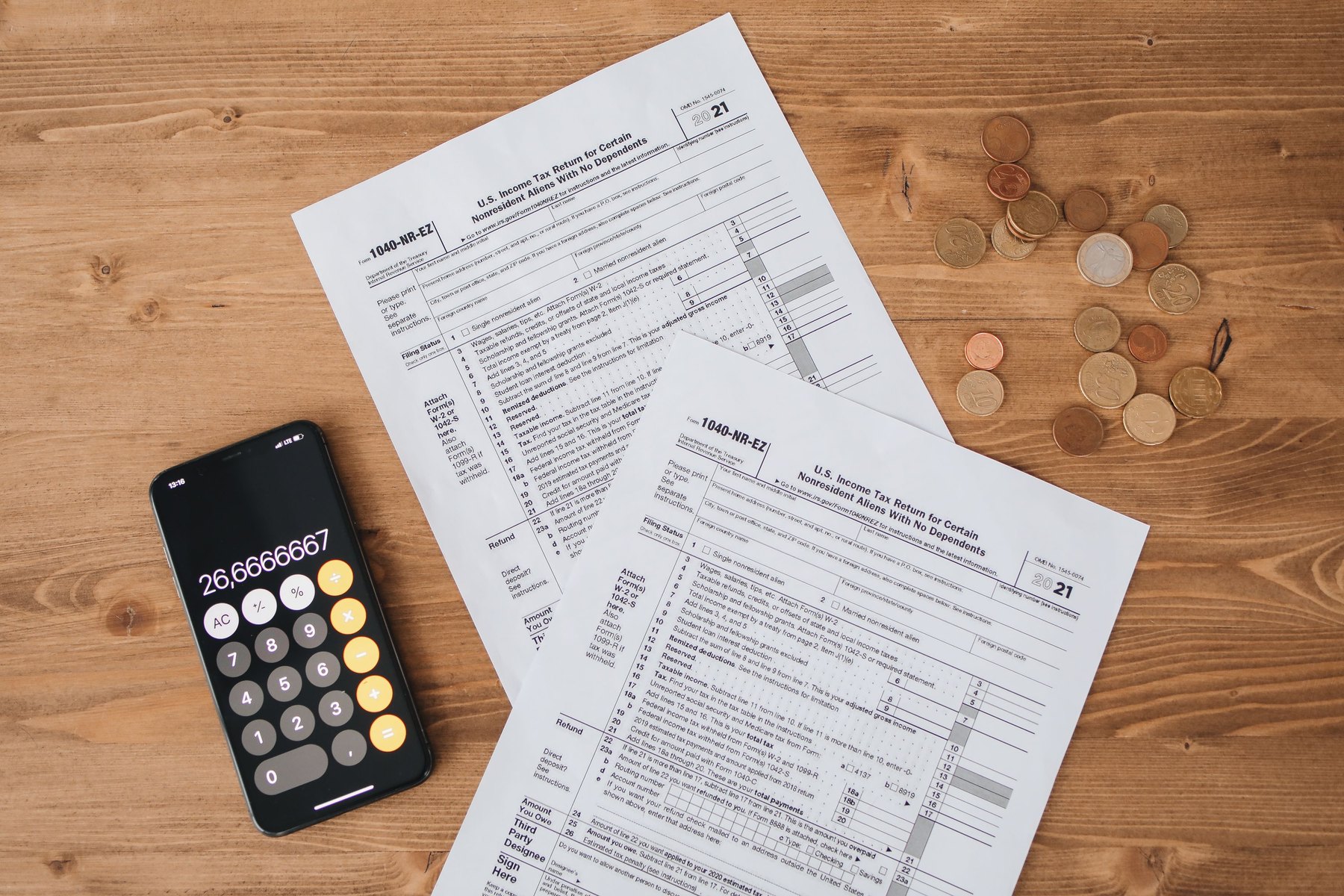
Eligibility depended on the specific stimulus round and your tax situation for that year. In general, the IRS looked at factors like:
- Filing status (single, married filing jointly, head of household)
- Adjusted gross income (AGI) and phaseouts
- Number of qualifying dependents
- Valid Social Security number rules (varied by round)
- Whether you could be claimed as a dependent by someone else
Common situations where people were eligible for more
- You had a baby or added a dependent in 2020 or 2021.
- Your income dropped compared with the prior year the IRS used to estimate eligibility.
- You were claimed as a dependent in a prior year but were not a dependent for the credit year.
- You did not file a return previously, so the IRS had limited information to send an advance payment.
- Your payment was issued but returned (wrong address) or deposited to a closed bank account.
How to check whether the IRS sent your stimulus payment
Before you file or amend anything, confirm what the IRS records show. This helps you avoid claiming an amount you already received, which can delay processing.
Step 1: Look for IRS letters (if you still have them)
The IRS sent letters summarizing stimulus amounts. If you kept your mail, these letters can be the fastest way to confirm what the IRS says it issued.
Step 2: Check your IRS online account
You can view payment information and tax records in your IRS online account. Start here:
Step 3: Review your bank statements and mail records
- Search bank deposits for “IRS TREAS” or similar descriptions around the stimulus dates.
- If you received a paper check or debit card, check whether it was cashed or activated.
- If you moved, check whether mail forwarding was active at the time.
Step 4: Pull your tax transcript if needed
Tax transcripts can show credits and payments posted to your account. You can request transcripts here:
How to claim missing stimulus money (practical decision rules)
Your next step depends on whether you filed a return for the relevant year and whether you claimed the credit already.
Decision rule 1: You did not file a return for 2020 or 2021
- If you were required to file, file the missing return.
- If you were not required to file, you may still need to file to claim a refundable credit.
Gather your income documents (W-2, 1099s) and any IRS letters you have, then use tax software or a qualified preparer to file the correct year return.
Decision rule 2: You filed, but you did not claim the credit and should have
You may need to amend the return for that year if the credit was missed. Amending is commonly done on Form 1040-X for individuals. Confirm the IRS guidance for the year you are amending and keep copies of what you send.
Decision rule 3: You claimed the credit, but the IRS adjusted it
If the IRS changed the amount, it is often because IRS records show a payment was already issued. Compare:
- What you claimed on the return
- What the IRS shows as issued in your online account or transcript
- Whether you actually received and cashed the payment
If you believe a payment was issued but you never received it, you may need to request a payment trace through the IRS process for that year.
Documents and information checklist
Having the right documents reduces errors and speeds up troubleshooting.
| Item | Why it matters | Where to find it |
|---|---|---|
| IRS online account payment info | Shows what the IRS says was issued | IRS website |
| Tax return for 2020 and or 2021 | Shows whether the credit was claimed | Your records or tax software |
| W-2 and 1099 forms | Needed to file or amend accurately | Employer, payer, payroll portal |
| Bank statements | Confirms whether deposits arrived | Your bank portal |
| Dependent information (names, SSNs) | Impacts eligibility and amounts | Social Security cards, prior returns |
| IRS notices or letters | Explains adjustments or requests | Your mail, IRS account |
Common mistakes that cause delays or smaller credits
- Using the wrong stimulus amount. People sometimes enter what they expected, not what the IRS shows as issued.
- Mixing up tax years. The first two payments relate to 2020, the third relates to 2021.
- Dependent conflicts. If two returns claim the same dependent, the IRS may adjust credits.
- Incorrect SSNs or names. Mismatches can slow processing.
- Address and bank changes. Payments can be returned or rejected if information is outdated.
What it looks like with real numbers
Exact stimulus amounts and phaseouts varied by round, so the most reliable approach is to confirm what the IRS shows as issued and then calculate the difference for your tax year return. Here are realistic scenarios showing how the recovery credit logic works.
Scenario A: New baby in 2021, missing part of the third payment
Jordan and Sam filed jointly. The IRS issued their third stimulus based on their prior return before their baby was born. They later file their 2021 return and include the new dependent.
- IRS shows issued: $2,800 (for two adults)
- Eligibility on 2021 return: $4,200 (two adults plus one qualifying child, assuming they meet income rules)
- Potential Recovery Rebate Credit on 2021 return: $1,400 difference
Scenario B: Income dropped in 2020, eligible for more than the IRS estimated
Taylor had higher income in 2019, then lost hours in 2020. The IRS used 2019 to estimate the first payment, resulting in a smaller advance payment. When Taylor files the 2020 return, the lower 2020 income increases eligibility.
- IRS shows issued: partial payment based on 2019
- Eligibility on 2020 return: higher amount based on 2020 AGI
- Recovery Rebate Credit: the difference between eligibility and issued amount
Scenario C: Payment issued but never received
Casey moved and the IRS mailed a check to an old address. IRS records show the payment was issued, but Casey never received it.
- Next step is usually not to claim the credit again blindly.
- Instead, confirm issuance in the IRS account and follow the IRS process for a payment trace for that year.
If you are counting on the money: smart ways to plan around timing
Recovery credits are tied to tax processing, which can take time, especially if a return is amended or flagged for review. If you are budgeting while you wait, use a plan that reduces late fees and high-interest debt.
Decision rules by timeline
- Under 1 year: Prioritize rent, utilities, food, transportation, and minimum debt payments. Avoid taking on new high-cost debt based only on an expected refund.
- 1 to 3 years: If you have credit card balances, compare options like a lower APR card, a credit union personal loan, or a nonprofit debt management plan. Compare total cost, not just the monthly payment.
- 3 to 7 years: Focus on stabilizing cash flow and building an emergency fund of about 3 to 6 months of essential expenses if feasible.
- 7+ years: Consider longer-term goals like retirement contributions and paying down long-term debt, balancing interest rates and job stability.
Three sample allocations (using a hypothetical $1,400 recovery credit)
These examples show how someone might allocate a recovery credit depending on their situation. Adjust the numbers to match your bills and interest rates.
| Scenario | Allocation | Why this mix can work |
|---|---|---|
| Behind on essentials | $900 past-due rent or utilities + $300 groceries and gas + $200 minimum debt payments = $1,400 | Reduces late fees, shutoff risk, and immediate stress |
| High-interest credit card balance | $1,000 extra card payment + $300 emergency fund + $100 transportation buffer = $1,400 | Targets expensive interest while keeping some cash on hand |
| Stable bills, low debt | $700 emergency fund + $500 car repair sinking fund + $200 retirement contribution or savings goal = $1,400 | Builds resilience and reduces future borrowing needs |
Options if you need cash before your tax situation is resolved
If you are short on cash while sorting out a missing stimulus payment, focus on options that minimize fees and long-term cost. The best choice depends on your credit, income stability, and how quickly you can repay.
| Option | Best fit | What to compare | Main drawback |
|---|---|---|---|
| Payment plan with landlord or utility provider | Temporary hardship, behind on essentials | Late fees, shutoff policies, written terms | May still require a lump sum or strict deadlines |
| Credit union small-dollar loan (example: local credit unions) | Steady income, need a modest amount | APR, fees, term length, eligibility rules | May require membership and underwriting |
| 0% intro APR credit card (examples: Chase, Citi, Discover cards) | Good credit, can repay before promo ends | Promo length, balance transfer fee, post-promo APR | Approval not guaranteed; can be costly if balance remains |
| Personal loan from a bank or online lender (examples: Wells Fargo, SoFi, Marcus) | Need fixed payments and a set payoff date | APR range, origination fee, term, prepayment policy | Interest cost; may be harder with lower credit |
| Nonprofit credit counseling and debt management plan | Multiple debts, struggling to keep up | Monthly fee, creditor concessions, timeline | Requires consistent payments; not instant cash |
How to screen for risky short-term cash products
- Be cautious with products that require access to your bank account and charge repeated fees for extensions.
- Compare the total repayment amount, not just the fee per $100 borrowed.
- If a lender will not clearly show APR, fees, and repayment schedule, pause and compare alternatives.
Protect yourself from stimulus and tax refund scams
Stimulus-related scams often use urgency and impersonation. A few practical rules can help you avoid losing money or personal data.
- Do not share your IRS login, one-time passcodes, or full bank credentials with anyone.
- Be skeptical of texts or emails claiming you must “confirm” your stimulus to receive it.
- Use official sites to check status and transcripts.
Helpful resources:
Quick action checklist
- Log in to your IRS online account and confirm what was issued for the relevant year.
- Compare IRS records to your bank statements and tax return.
- If you did not file for 2020 or 2021 and you may be eligible, prepare and file the correct year return.
- If you filed but missed the credit, determine whether an amended return is needed.
- If the IRS shows a payment was issued but you did not receive it, look into the IRS payment trace process.
- While waiting, prioritize essentials and compare lower-cost borrowing options if you need short-term cash.
If you want, share which year you think you missed (2020 or 2021), whether you filed that year, and whether the IRS online account shows a payment issued. I can help you map the most likely next step and what documents to gather.


