

Best Banks for Students to Compare Before You Choose

The best banks for students are the ones that keep fees low, make it easy to access cash, and fit how you manage money day to day. Instead of picking based on a campus table or a friend’s referral, compare a few banks side by side using the same checklist: monthly fees, overdraft rules, ATM access, mobile features, and how easy it is to deposit checks or cash.
Contents
29 sections
-
What students should compare before opening an account
-
1) Monthly service fees and minimums
-
2) Overdraft policies and fees
-
3) ATM access and out-of-network fees
-
4) Deposits, transfers, and getting paid
-
5) Mobile app and account controls
-
6) FDIC or NCUA insurance
-
Best banks for students: named options to compare
-
How to use the table
-
Student banking checklist: fees and features that matter most
-
What this looks like with real numbers: 3 student budget setups
-
Scenario A: Commuter student with part-time job (monthly income $1,200)
-
Scenario B: On-campus student with financial aid refund (monthly average $2,000)
-
Scenario C: Intern with higher income in summer (monthly income $3,500)
-
Decision rules by timeline: under 1 year, 1 to 3 years, 3 to 7 years, 7+ years
-
Under 1 year (study abroad, certificate program, first year away from home)
-
1 to 3 years (most of college)
-
3 to 7 years (graduation to early career)
-
7+ years (long-term primary banking relationship)
-
How to compare student accounts in 20 minutes
-
Common student banking mistakes (and better defaults)
-
Mistake: Keeping everything in checking
-
Mistake: Ignoring deposit holds
-
Mistake: Paying frequent ATM fees
-
Mistake: Not monitoring your credit while you build it
-
Opening an account: documents and setup steps
-
If you are using student loans, connect banking to your borrowing plan
-
Quick pick framework: choose 2 accounts, not 1
-
Bottom line: compare the boring stuff first
This guide walks through what to compare, which well-known banks and credit unions are commonly considered by students, and what the numbers can look like with real budgets. You will also get decision rules for different timelines, like a one-year program vs a four-year degree, and tables you can use to narrow your choices.
What students should compare before opening an account
Most students are choosing a checking account first, then adding savings. The goal is simple: avoid surprise fees and make money access reliable.
1) Monthly service fees and minimums
Many student checking accounts advertise “no monthly fee,” but the fine print can include age limits, enrollment requirements, or a fee that starts after graduation. Look for:
- No monthly maintenance fee, or a clear way to waive it (for example, direct deposit or a minimum balance).
- How long the student status lasts and what happens when it ends.
- Whether savings accounts have their own monthly fees or minimum balance rules.
2) Overdraft policies and fees
Overdraft is one of the fastest ways students lose money to fees. Compare:
- Overdraft fee amount and how many fees can be charged per day.
- Whether the bank offers a “decline” setting for debit card purchases when funds are not available.
- Grace periods, low-balance alerts, and whether transfers from savings can cover transactions (and what that costs).
Decision rule: If your balance often runs under $100, prioritize banks with strong low-balance alerts and flexible overdraft settings. A slightly smaller ATM network can be cheaper than frequent overdraft fees.
3) ATM access and out-of-network fees
Students often use ATMs near campus, work, and home. Compare:
- Number of in-network ATMs near your campus and where you live during breaks.
- Out-of-network ATM fees charged by your bank, plus the ATM operator fee.
- Any ATM fee reimbursements and the limits (for example, up to a certain amount per month).
4) Deposits, transfers, and getting paid
- Direct deposit setup and timing (paychecks, work-study, internships).
- Mobile check deposit limits and hold times.
- Cash deposit options if you get tips or cash payments.
- Transfer options to savings and external banks (ACH transfers, Zelle availability, wire fees).
5) Mobile app and account controls
For many students, the app matters as much as the branch. Look for:
- Instant balance notifications and customizable alerts.
- Card controls (freeze card, set travel notices, manage digital wallets).
- Budgeting tools and transaction categorization.
- Customer support hours and chat options.
6) FDIC or NCUA insurance
Make sure your deposits are protected. Banks are typically insured by the FDIC and credit unions by the NCUA, generally up to $250,000 per depositor, per institution, for each account ownership category. You can learn more at the FDIC.
Best banks for students: named options to compare
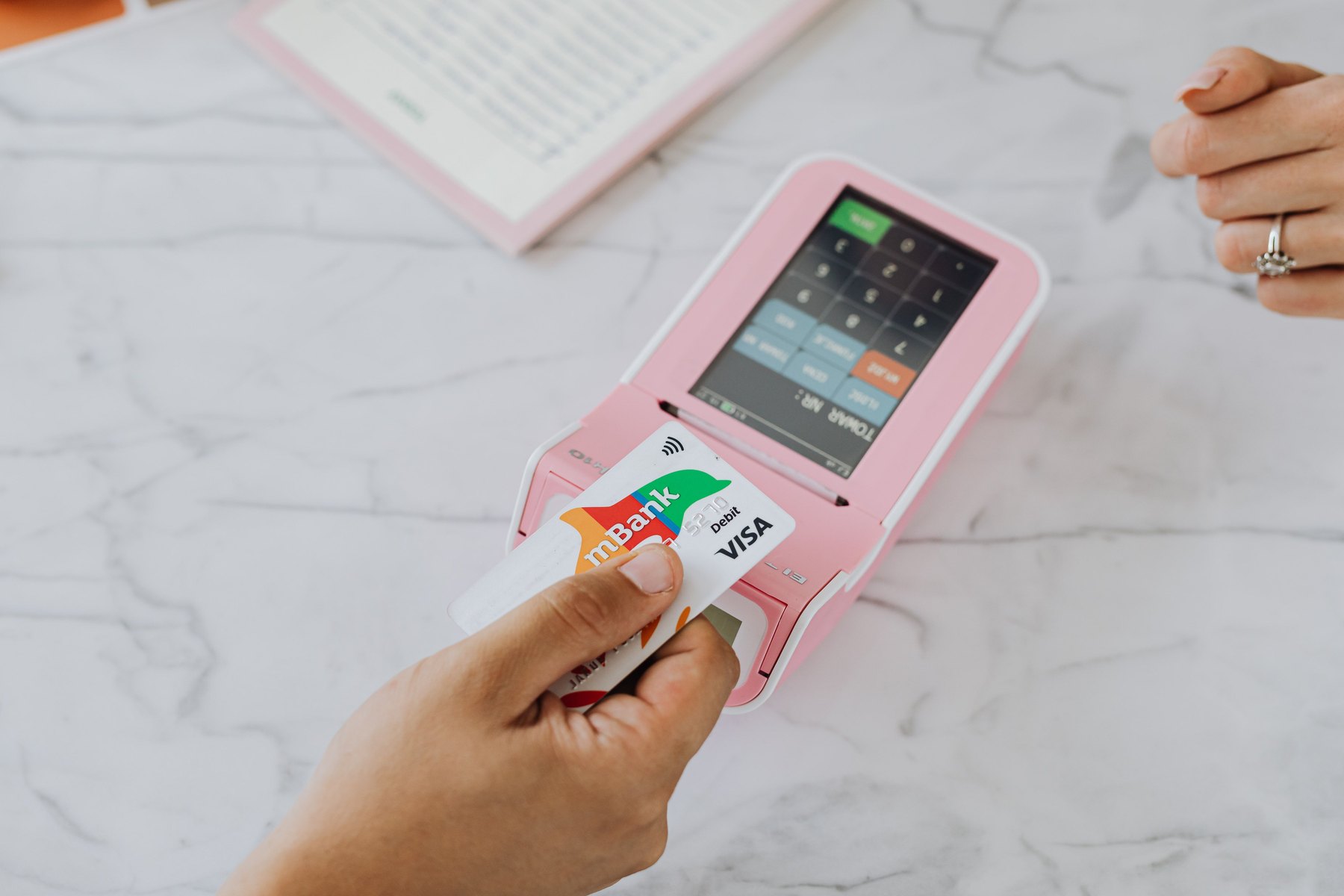
Below are recognizable options students often consider. Treat these as starting points to compare features and fees in your area, since availability and account terms can change. If you already have a bank, use the same comparison columns to see whether switching is worth it.
| Option | Best fit | What to compare | Main drawback to watch |
|---|---|---|---|
| Chase (College Checking) | Students who want many branches and ATMs | Student eligibility window, monthly fee after it ends, ATM access near campus | Fees can apply if requirements are not met |
| Bank of America (Advantage Banking student options) | Students who want a large national bank and strong digital tools | How student waivers work, minimum balance rules, overdraft settings | Out-of-network ATM and account fees can add up |
| Wells Fargo (student checking options) | Students who prefer in-person help and a big footprint | Monthly fee waiver rules, overdraft fee structure, branch availability | Fee policies vary by account type and can change after student period |
| Capital One (360 Checking) | Students comfortable with online-first banking | Cash deposit options, ATM network, overdraft choices | Fewer branches depending on your city |
| Discover Bank (online checking) | Students who want an online account with simple fee structure | ATM network, cash deposit limitations, transfer tools | Cash deposits can be harder without local partners |
| Ally Bank (online checking and savings) | Students focused on savings tools and online banking | ATM reimbursement limits, overdraft settings, savings APY (check current APY) | No branches for in-person cash deposits |
| Local credit union (NCUA insured) | Students who want community-based service and potentially lower fees | Membership eligibility, shared branching, ATM co-op access, overdraft options | App features and ATM reach vary widely |
How to use the table
- Pick 3 options that match your lifestyle (branch-heavy, online-first, or credit union).
- Pull the fee schedule for each account and highlight: monthly fee, overdraft fee, out-of-network ATM fee, wire fee.
- Search “ATM near me” for each bank around campus, your job, and home.
- Test the app reviews for your phone model and OS version, but rely more on the bank’s published features than star ratings.
Student banking checklist: fees and features that matter most
Use this checklist when you compare accounts. If you cannot find an item quickly on a bank’s website, that is a signal to slow down and read the fee schedule.
| Category | What to look for | Why it matters | Quick decision rule |
|---|---|---|---|
| Monthly fees | $0 monthly fee or easy waiver | Small monthly fees add up fast on a student budget | If waiver requires a high balance, skip it |
| Overdraft | Clear settings, low-balance alerts, reasonable fees | Overdraft fees can exceed the purchase amount | If you are new to budgeting, prioritize controls over perks |
| ATM network | ATMs near campus and home, low out-of-network fees | Frequent ATM fees can rival a monthly maintenance fee | If you withdraw cash weekly, ATM access is top 3 |
| Deposits | Mobile deposit, cash deposit options, hold times | Delays can cause accidental overdrafts | If you get paid in cash, avoid banks with no cash deposit path |
| Savings | No monthly fee, competitive APY (check current APY) | Helps you build a buffer for books and emergencies | If savings has a fee, keep shopping |
| Customer support | Hours, chat, phone, dispute process | Lost cards and fraud need fast help | If support is limited, keep a backup payment method |
What this looks like with real numbers: 3 student budget setups
Choosing a bank is easier when you know what your cash flow looks like. Below are three sample monthly allocations that add up correctly. Use them to decide how much you need in checking vs savings, and how sensitive you are to fees.
Scenario A: Commuter student with part-time job (monthly income $1,200)
- Checking for bills and daily spending: $900
- Savings for emergencies: $200
- Sinking fund for car repairs and school supplies: $100
Total: $1,200
Banking priorities: low overdraft risk, strong alerts, easy cash access. If you are frequently near a specific ATM network, that can matter more than a slightly higher savings APY.
Scenario B: On-campus student with financial aid refund (monthly average $2,000)
- Checking for rent, meal plan gaps, utilities: $1,400
- Savings for next semester books and fees: $400
- Emergency fund starter: $200
Total: $2,000
Banking priorities: predictable transfers to savings, mobile deposit, and a clear plan for where the refund sits until bills are due. If your refund arrives in a lump sum, ask about deposit holds and how quickly funds become available.
Scenario C: Intern with higher income in summer (monthly income $3,500)
- Checking for fixed costs and spending: $2,200
- High-yield savings for next semester and moving costs: $900
- Emergency fund: $400
Total: $3,500
Banking priorities: easy transfers to savings, strong fraud protection, and a plan to separate “spend” money from “next semester” money. If you travel for internships, consider banks with broad ATM access or ATM fee reimbursements.
Decision rules by timeline: under 1 year, 1 to 3 years, 3 to 7 years, 7+ years
Under 1 year (study abroad, certificate program, first year away from home)
- Prioritize: fee-free checking, easy card replacement, strong mobile controls.
- Keep savings simple: one savings account for a buffer.
- Decision rule: if you might switch schools or move, avoid accounts that require in-person visits for routine tasks.
1 to 3 years (most of college)
- Prioritize: low fees, reliable ATM access, and a savings account you actually use.
- Set up: automatic transfer after each paycheck, even $10 to $25.
- Decision rule: if your bank’s student waiver ends mid-degree, compare what the account costs after the waiver.
3 to 7 years (graduation to early career)
- Prioritize: direct deposit features, bill pay, and a savings APY worth checking (verify current APY).
- Consider: a second account at a different institution as a backup if you travel or relocate.
- Decision rule: if you will need a car loan or apartment soon, focus on clean account history and avoiding overdrafts rather than chasing perks.
7+ years (long-term primary banking relationship)
- Prioritize: overall ecosystem fit – checking, savings, credit card, and customer support quality.
- Consider: whether you want local branches long-term, or prefer online banking.
- Decision rule: choose the setup that you can keep fee-free with your expected income and balances.
How to compare student accounts in 20 minutes
- List your top 3 needs: cash deposits, branch access, ATM access, or app tools.
- Download fee schedules: search each bank’s “fee schedule” or “personal account fees.”
- Circle these four fees: monthly maintenance, overdraft, out-of-network ATM, wire transfer.
- Check ATM coverage: map ATMs near campus and your off-campus housing.
- Verify student eligibility: age range, enrollment proof, and when the account converts.
- Plan your overdraft setting: decide whether you want transactions declined or covered, and how you will avoid negative balances.
Common student banking mistakes (and better defaults)
Mistake: Keeping everything in checking
Better default: keep a small buffer in checking and move the rest to savings. Even $200 to $500 in savings can reduce overdraft risk when a bill hits early.
Mistake: Ignoring deposit holds
Better default: ask how long mobile deposits take to clear and keep a cushion until you know the timing. A hold can cause a payment to bounce or trigger fees.
Mistake: Paying frequent ATM fees
Better default: pick one bank with convenient ATMs or a clear reimbursement policy. If you pay $3 to $6 per withdrawal and do it weekly, that can be $12 to $24 per month.
Mistake: Not monitoring your credit while you build it
Better default: check your credit reports regularly for accuracy, especially if you are opening your first accounts. You can get free copies at AnnualCreditReport.com. If you see errors, the CFPB has guidance on disputing issues.
Opening an account: documents and setup steps
Most banks and credit unions ask for similar information. Having it ready can speed up the process online or in person.
| Item | Examples | Why it is needed | Tip |
|---|---|---|---|
| Government ID | Driver’s license, state ID, passport | Identity verification | Make sure it is not expired |
| Social Security number or ITIN | SSN card not always required, number is | Tax reporting and identity checks | Use official documents, not screenshots |
| Proof of address | Lease, utility bill, school housing letter | Account records and verification | Use your current campus address if you receive mail there |
| Student status (if required) | Student ID, acceptance letter, enrollment verification | Qualifying for student account terms | Ask when the account converts after graduation |
| Opening deposit | Transfer from another bank, cash, check | Funding the account | Confirm minimum opening deposit and any hold times |
If you are using student loans, connect banking to your borrowing plan
If you borrow for school, your bank choice can support better habits: separating loan refund money from spending money, scheduling rent and tuition payments, and tracking due dates.
- If you receive a refund, consider keeping “next month bills” in checking and moving the rest to savings so it is harder to spend accidentally.
- Set calendar reminders for tuition deadlines and rent, and turn on low-balance alerts.
- For federal student aid information and repayment basics, use Federal Student Aid.
Quick pick framework: choose 2 accounts, not 1
Many students do well with a simple two-account setup:
- Checking: for bills and daily spending, with the best ATM access and lowest fee risk.
- Savings: for emergencies and upcoming school costs, ideally with no monthly fee and a competitive APY (check current APY).
Decision rule: if your checking account charges fees unless you keep a high balance, consider pairing a fee-free checking option with a separate savings account that is easy to transfer to and from.
Bottom line: compare the boring stuff first
Perks like sign-up bonuses and branded student cards can be tempting, but the long-term cost usually comes down to fees, overdraft rules, and access. Start with the comparison table above, verify the current fee schedule, and pick the account that matches how you actually get paid and spend money during the school year and breaks.


