

Best Pickup Trucks to Compare Before You Choose

The best pickup trucks to compare are the ones that match how you actually drive, haul, tow, and pay for your vehicle. A truck that looks perfect on paper can get expensive fast if you choose the wrong cab, bed, engine, or trim for your needs. This guide walks through the major pickup options, what they are best at, and how to compare total cost, not just the sticker price.
Contents
34 sections
-
Start with your use case: work, weekend, or both
-
Quick decision rules
-
Know the key terms that change capability
-
Best pickup trucks to compare (named options)
-
Full-size vs midsize vs heavy-duty: pick the class first
-
Midsize pickups
-
Full-size half-ton pickups
-
Heavy-duty pickups
-
How to compare total cost of ownership before you finance
-
Costs that commonly surprise truck buyers
-
Financing a pickup: compare offers the right way
-
Where to compare financing (named examples)
-
What to compare in each loan offer
-
Payment versus total interest: a simple rule
-
What this looks like with real numbers
-
Scenario 1: New full-size truck with a moderate down payment
-
Scenario 2: Used midsize truck to keep total cost lower
-
Scenario 3: Heavy towing needs, but budget pressure
-
Trim levels and packages: where shoppers overpay
-
High-value features for many buyers
-
Features to buy only if you will use them
-
Test drive checklist: compare trucks like a pro
-
Buying steps that can lower borrowing risk
-
1) Set a total monthly vehicle budget
-
2) Shop financing before you shop the truck
-
3) Compare out-the-door prices across dealers
-
4) Protect your credit while rate shopping
-
5) Understand add-ons before signing
-
Timeline-based decision rules: how long will you keep the truck?
-
Under 1 year
-
1 to 3 years
-
3 to 7 years
-
7+ years
-
Bottom line: build a shortlist, then compare the exact configuration
Because trucks are often financed for several years, your choice affects more than monthly payments. Fuel, insurance, maintenance, tires, registration, and depreciation can matter as much as the loan terms. Use the checklists and tables below to narrow your shortlist and bring the right questions to dealers, banks, or credit unions.
Start with your use case: work, weekend, or both
Before you compare brands, define how you will use the truck most weeks. This prevents overbuying capability you rarely use or underbuying and paying later for upgrades or trade-ins.
Quick decision rules
- Mostly commuting and errands: prioritize fuel economy, ride comfort, safety tech, and a manageable size for parking.
- Frequent towing: prioritize payload and tow ratings for your exact configuration, plus cooling packages, axle ratio options, and trailer brake controller availability.
- Jobsite hauling: prioritize payload, bed length, durable interior materials, and upfit options.
- Off-road and rural roads: prioritize ground clearance, 4WD system, tires, skid plates, and approach angles.
- Family road trips: prioritize rear-seat space, car seat fit, and driver-assist features.
Know the key terms that change capability
- Cab size: regular cab, extended cab, crew cab. Crew cabs usually cost more and can reduce bed length.
- Bed length: short beds are easier to park, long beds are better for materials and some towing setups.
- Payload: how much weight the truck can carry in the cab and bed, including passengers, tools, and tongue weight from a trailer.
- Towing capacity: varies widely by engine, axle ratio, drivetrain, and packages. Do not rely on a single headline number.
- GVWR and GAWR: weight limits that matter for safety and compliance. Check the door jamb sticker on the exact truck.
Best pickup trucks to compare (named options)
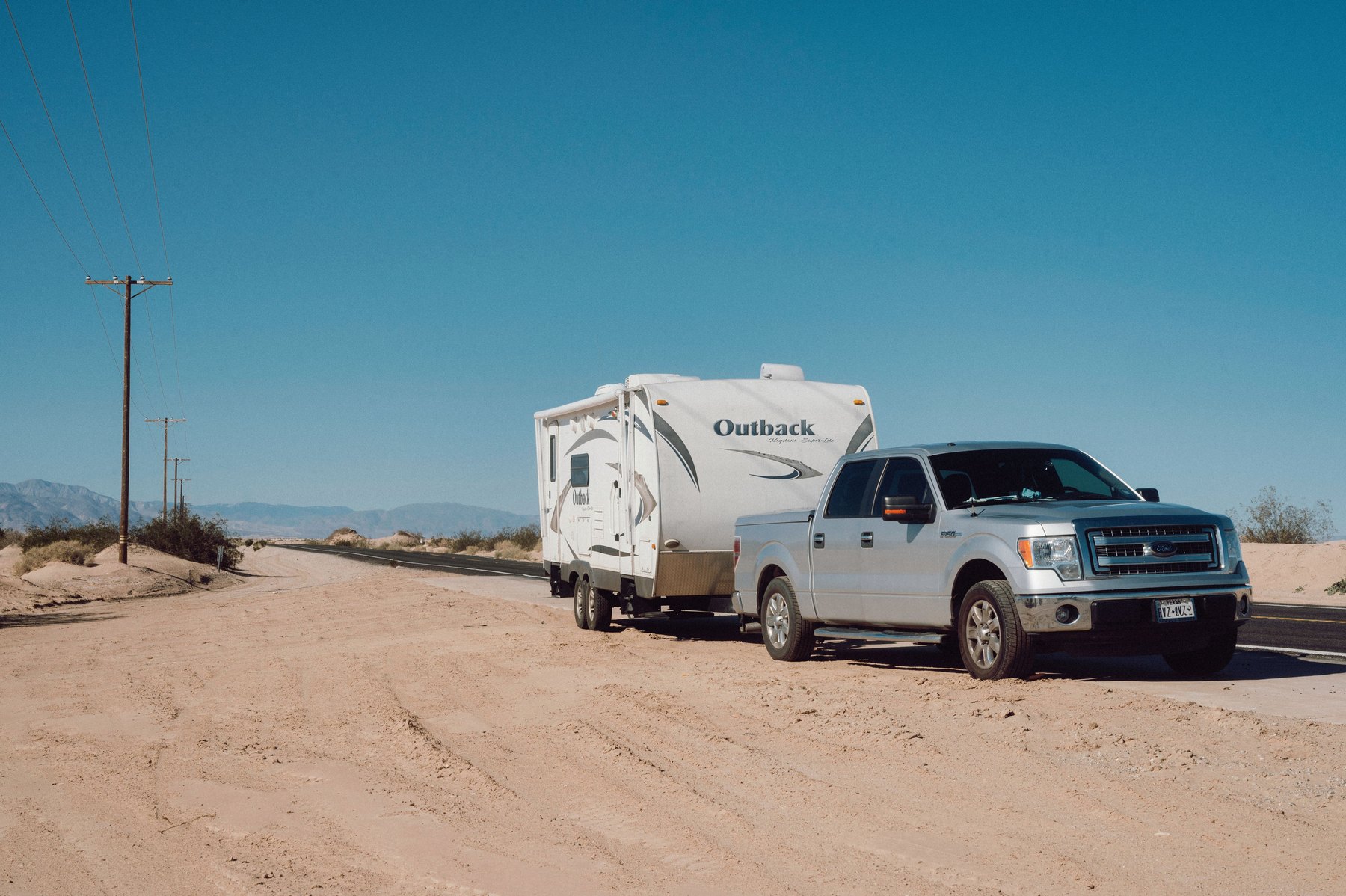
Below are widely recognized pickups that shoppers commonly cross-shop. Treat these as examples to compare side by side based on your needs, budget, and availability in your area.
| Option | Best fit | What to compare | Main drawback to watch |
|---|---|---|---|
| Ford F-150 | Broad mix of work and family use | Engine choices, tow packages, trim pricing, insurance | Popular trims can be pricey and hard to find |
| Chevrolet Silverado 1500 | Comfort plus capability, many configurations | Cab and bed combos, tech packages, fuel economy by engine | Options add up quickly at higher trims |
| Ram 1500 | Ride comfort and interior features | Suspension setup, payload by trim, warranty details | Payload can vary a lot depending on configuration |
| Toyota Tundra | Long-term ownership focus | Powertrain, resale trends, dealer pricing in your region | Fuel economy and pricing can be less competitive in some trims |
| Nissan Titan | Simpler lineup for half-ton shoppers | Standard features vs price, incentives, dealer support | Smaller market and fewer configurations |
| GMC Sierra 1500 | Premium feel with similar bones to Silverado | Trim differences, towing tech, total out-the-door cost | Premium trims can push payments higher |
| Toyota Tacoma | Midsize for daily driving and light towing | Cab space, bed utility, off-road packages | Can feel tight for families and long trips |
| Ford Ranger | Midsize with strong towing for its class | Payload, towing package details, ride quality | Feature availability varies by trim |
| Chevrolet Colorado | Midsize versatility for mixed use | Bed options, tech, fuel economy, pricing | Higher trims can approach full-size pricing |
| Honda Ridgeline | Mostly on-road comfort with occasional hauling | Cab comfort, bed trunk utility, AWD system | Not ideal for heavy towing or extreme off-road use |
Full-size vs midsize vs heavy-duty: pick the class first
Many shoppers compare trucks across classes without realizing how much that changes cost and day-to-day usability.
Midsize pickups
Examples: Toyota Tacoma, Ford Ranger, Chevrolet Colorado. Midsize trucks can be easier to park, often cost less, and may be enough for light towing, home projects, and outdoor gear. Compare rear-seat space and payload carefully because these can be limiting for families and work loads.
Full-size half-ton pickups
Examples: Ford F-150, Ram 1500, Chevrolet Silverado 1500, GMC Sierra 1500, Toyota Tundra, Nissan Titan. Half-tons offer the widest range of configurations. They can be comfortable daily drivers, but costs can rise with larger engines, 4WD, and premium trims.
Heavy-duty pickups
Examples: Ford Super Duty (F-250/F-350), Chevrolet Silverado HD, GMC Sierra HD, Ram Heavy Duty. These are for frequent heavy towing and payload needs. They often cost more to buy, fuel, and maintain. If you tow only a few times a year, a properly configured half-ton may be a better financial fit.
How to compare total cost of ownership before you finance
Two trucks with the same monthly payment can have very different total costs. Use this section to compare the full budget impact.
Costs that commonly surprise truck buyers
- Fuel: engine choice, tire size, and lift kits can change real-world MPG.
- Insurance: higher trims and newer models can raise premiums.
- Tires: larger all-terrain tires can be expensive and wear faster.
- Maintenance: heavy towing can increase service frequency.
- Accessories: tonneau cover, bed liner, running boards, hitch, brake controller, and toolboxes add up.
- Depreciation: some configurations hold value better than others, but local demand matters.
| Cost item | What to ask or check | Why it matters | How to control it |
|---|---|---|---|
| Out-the-door price | Itemized buyer order with taxes and fees | Prevents payment-only shopping | Negotiate total price, compare dealers, consider trims |
| APR and term | APR, term length, total finance charge | Long terms can cost more overall | Shop lenders, improve credit, larger down payment |
| Insurance | Quotes for the exact VIN if possible | Can change monthly budget significantly | Compare insurers, adjust deductibles, bundle if it fits |
| Fuel | Real-world MPG reports, your commute miles | Ongoing cost for years | Choose engine wisely, keep tires properly inflated |
| Towing and hauling gear | Hitch class, brake controller, payload sticker | Safety and capability depend on equipment | Buy the right package upfront when possible |
| Warranty and service | Coverage terms, service intervals, dealer pricing | Predictability of repair costs | Follow maintenance schedule, compare service shops |
Financing a pickup: compare offers the right way
Truck loans are usually secured auto loans. Your credit score, income, debt-to-income ratio, down payment, and the vehicle details can affect the APR and terms you are offered. A good comparison focuses on the full cost of borrowing and the flexibility of the loan.
Where to compare financing (named examples)
- Banks: Wells Fargo, Bank of America, Chase (availability and programs vary).
- Credit unions: Navy Federal Credit Union, PenFed Credit Union, local credit unions in your state.
- Online lenders and marketplaces: Capital One Auto Navigator, LightStream (Truist), AutoPay.
- Dealer financing: manufacturer captive lenders like Ford Credit, Toyota Financial Services, GM Financial, Stellantis Financial (programs vary by model and region).
What to compare in each loan offer
- APR: the interest rate plus certain fees expressed as a yearly rate.
- Term length: common terms range from 36 to 84 months. Longer terms can lower the payment but may increase total interest and keep you upside down longer.
- Down payment: a larger down payment can reduce the amount financed and may improve offer terms.
- Fees: origination fees (if any), document fees, and any lender-specific charges.
- Prepayment policy: whether you can pay extra without penalties.
- Required coverage: lenders typically require comprehensive and collision coverage.
Payment versus total interest: a simple rule
If you are choosing between two terms, compare both the monthly payment and the total interest paid over the full term. If the longer term is the only way the payment fits, consider whether a less expensive trim, a used truck, or a larger down payment would reduce risk.
What this looks like with real numbers
Below are simplified examples to show how truck choice and financing decisions can change your budget. These are not quotes. Taxes, fees, APR, and insurance vary by location and borrower profile, so plug in your own numbers.
Scenario 1: New full-size truck with a moderate down payment
- Out-the-door price: $55,000
- Down payment: $10,000
- Amount financed: $45,000
- Term: 72 months
- APR: check current offers from banks, credit unions, and dealer programs
Decision rule: If the payment only works at 72 to 84 months, run a second comparison with a lower trim or a lightly used model to see if you can shorten the term without stretching your budget.
Scenario 2: Used midsize truck to keep total cost lower
- Out-the-door price: $33,000
- Down payment: $6,000
- Amount financed: $27,000
- Term: 60 months
Decision rule: If you plan to keep the truck 5+ years, prioritize condition, maintenance history, and the right configuration over small differences in monthly payment.
Scenario 3: Heavy towing needs, but budget pressure
- Out-the-door price: $68,000
- Down payment: $15,000
- Amount financed: $53,000
- Term: 72 months
Decision rule: If you truly need heavy-duty capability, compare the cost of the right truck against alternatives like renting a heavy-duty truck for occasional towing, paying for delivery, or using a trailer service. For frequent towing, buying the correct capacity can reduce wear and safety risk.
Trim levels and packages: where shoppers overpay
Trims bundle features, and packages can change capability. The most expensive trim is not always the best value for your needs.
High-value features for many buyers
- Tow package: integrated trailer brake controller, upgraded cooling, hitch and wiring.
- Safety tech: blind spot monitoring, automatic emergency braking, adaptive cruise control.
- Bed utility: spray-in bed liner, tie-downs, bed lighting, power outlets.
Features to buy only if you will use them
- Oversized wheels and aggressive tires that reduce ride comfort or MPG.
- Luxury interiors that raise insurance and replacement costs.
- Off-road packages if you rarely leave pavement.
Test drive checklist: compare trucks like a pro
- Drive on rough roads and at highway speeds to check ride, wind noise, and steering feel.
- Test parking and tight turns. A full-size crew cab can feel very different from a midsize.
- Check rear seat comfort, car seat anchors, and door opening size.
- Measure bed height and reach. Loading comfort matters if you haul often.
- Confirm the door sticker payload on the exact truck you are buying.
- If towing, ask for the specific tow rating for that VIN and configuration.
Buying steps that can lower borrowing risk
1) Set a total monthly vehicle budget
Include loan payment, insurance, fuel, and a maintenance buffer. Many buyers focus only on the payment and then feel squeezed by insurance and fuel costs.
2) Shop financing before you shop the truck
Getting preapproved from a bank or credit union can give you a baseline to compare against dealer financing. Compare APR, term, and total interest, not just the monthly payment.
3) Compare out-the-door prices across dealers
Ask for an itemized out-the-door quote that includes taxes and fees. This makes it easier to compare offers fairly.
4) Protect your credit while rate shopping
Check your credit reports for errors before you apply. You can get your free credit reports at AnnualCreditReport.com. If you find issues, the CFPB has resources on credit reporting and auto loans.
5) Understand add-ons before signing
Products like extended warranties, GAP coverage, and service plans can be useful for some budgets and ownership plans, but they also increase the amount financed. Ask for the price of each add-on, whether it is optional, and how it affects your monthly payment and total loan cost. The FTC has practical guidance on shopping and avoiding common sales pressure tactics.
Timeline-based decision rules: how long will you keep the truck?
Your ownership timeline affects whether a new or used truck makes more sense and how aggressive you should be with the loan term.
Under 1 year
- Prioritize flexibility. A long loan on a new truck can be risky if you sell quickly.
- Consider a used truck with slower depreciation, or delay the purchase if possible.
1 to 3 years
- Keep the loan term conservative when you can. Being upside down can limit your options.
- Focus on resale-friendly configurations in your region (popular cab and bed combos).
3 to 7 years
- Match the truck to your routine. Paying extra for capability you rarely use tends to feel wasteful over time.
- A 48 to 72 month term may balance payment and total interest for many budgets, but compare offers.
7+ years
- Prioritize reliability, maintenance history (for used), and practical features over luxury trims.
- Plan for wear items like tires, brakes, and suspension, especially if you tow or haul often.
Bottom line: build a shortlist, then compare the exact configuration
Start by choosing the right class (midsize, half-ton, heavy-duty), then narrow to a few models like the Ford F-150, Ram 1500, Chevrolet Silverado 1500, GMC Sierra 1500, Toyota Tundra, Toyota Tacoma, Ford Ranger, or Chevrolet Colorado. From there, compare the exact cab, bed, engine, and packages you will buy. Finally, compare financing offers by APR, term, fees, and total interest so the truck fits your budget for the full life of the loan.
For more on auto loan basics and shopping tips, explore the auto loan resources at the CFPB auto loans hub.


