

Best Electric Cars to Compare Before You Choose

The best electric cars are the ones that fit your daily driving, charging access, and monthly budget, not just the ones with the biggest range number. Before you choose, it helps to compare a short list side by side and run the numbers the way a lender and your household budget will feel them: purchase price, taxes and fees, insurance, charging costs, and how long you plan to keep the car.
Contents
25 sections
-
What to compare before you test drive
-
1) Real world range and your driving pattern
-
2) Charging: home setup, public network, and time
-
3) Total cost: not just the sticker price
-
4) Incentives and eligibility
-
5) Resale value and how long you will keep it
-
Best electric cars to compare before you choose
-
How to use the list
-
Financing an EV: what changes compared to a gas car
-
APR, term length, and total interest
-
Down payment and trade in strategy
-
Leasing vs buying for EVs
-
What would this look like with real numbers?
-
Example assumptions you can swap out
-
Sample allocation 1: Budget focused commuter
-
Sample allocation 2: Family SUV with home charging install
-
Sample allocation 3: Higher income road tripper minimizing payment shock
-
Timeline decision rules: when to buy, lease, or wait
-
Under 1 year
-
1 to 3 years
-
3 to 7 years
-
7+ years
-
EV shopping checklist you can bring to the dealer
-
Protect your credit while you shop for financing
-
How to narrow to the right EV in 30 minutes
This guide walks through what to compare, which popular EVs are worth cross shopping, and how to think about financing and total cost without assuming any specific deal, incentive, or approval outcome.
What to compare before you test drive
EV shopping is easier when you decide your “must haves” first, then compare models that meet them. Use these categories to narrow your list.
1) Real world range and your driving pattern
- Daily miles: If you drive 20 to 40 miles a day, you may not need the longest range EV. If you drive 80+ miles daily or do frequent road trips, range and fast charging matter more.
- Weather and speed: Cold temperatures, high speeds, and heavy loads can reduce range. Plan a buffer instead of buying based on a best case number.
- Battery size vs efficiency: Some EVs go far on smaller batteries because they are efficient. That can reduce charging time and sometimes cost.
2) Charging: home setup, public network, and time
- Home charging: A 240V Level 2 setup can be a major convenience. If you rent or cannot install charging, public charging availability becomes a top priority.
- Fast charging speed: Compare peak charging rate and how quickly the car adds miles in 10 to 20 minutes, not just the peak number.
- Connector type and access: Check what connector the vehicle uses and whether it can access the fast charging stations you rely on in your area.
3) Total cost: not just the sticker price
- Out the door cost: Price plus sales tax, registration, dealer fees, and any add ons.
- Insurance: EV insurance can vary widely by model and repair costs. Get quotes before you commit.
- Charging and electricity rates: Your cost per mile depends on local electricity prices and whether you can charge off peak.
- Maintenance and tires: EVs often have fewer routine services, but tires can wear faster on heavier, high torque vehicles.
4) Incentives and eligibility
Some buyers may qualify for federal, state, or utility incentives, but eligibility can depend on income, vehicle rules, and where the car is assembled or sold. Verify current rules before you rely on any incentive in your budget. For federal tax topics, the IRS is a good starting point: https://www.irs.gov/.
5) Resale value and how long you will keep it
If you plan to keep the car 7+ years, resale value may matter less than reliability, warranty coverage, and battery health. If you plan to trade in within 3 to 5 years, depreciation can be a bigger part of your total cost.
| Category | What to check | Why it matters | Quick decision rule |
|---|---|---|---|
| Range | EPA range, winter range reports, your commute | Reduces charging stress and trip planning | Target 2x your typical day plus buffer |
| Charging | Home Level 2 feasibility, fast charge curve, connector | Time and convenience | If you cannot charge at home, prioritize network access |
| Cost | Out the door price, insurance quotes, electricity rate | Monthly affordability | Keep total car costs within your budget cap |
| Space | Rear seat, cargo, roof racks, towing rating | Daily usability | Bring your car seat, stroller, or gear to the test drive |
| Warranty | Battery and powertrain coverage, exclusions | Limits big repair risk | Compare battery warranty terms across models |
Best electric cars to compare before you choose
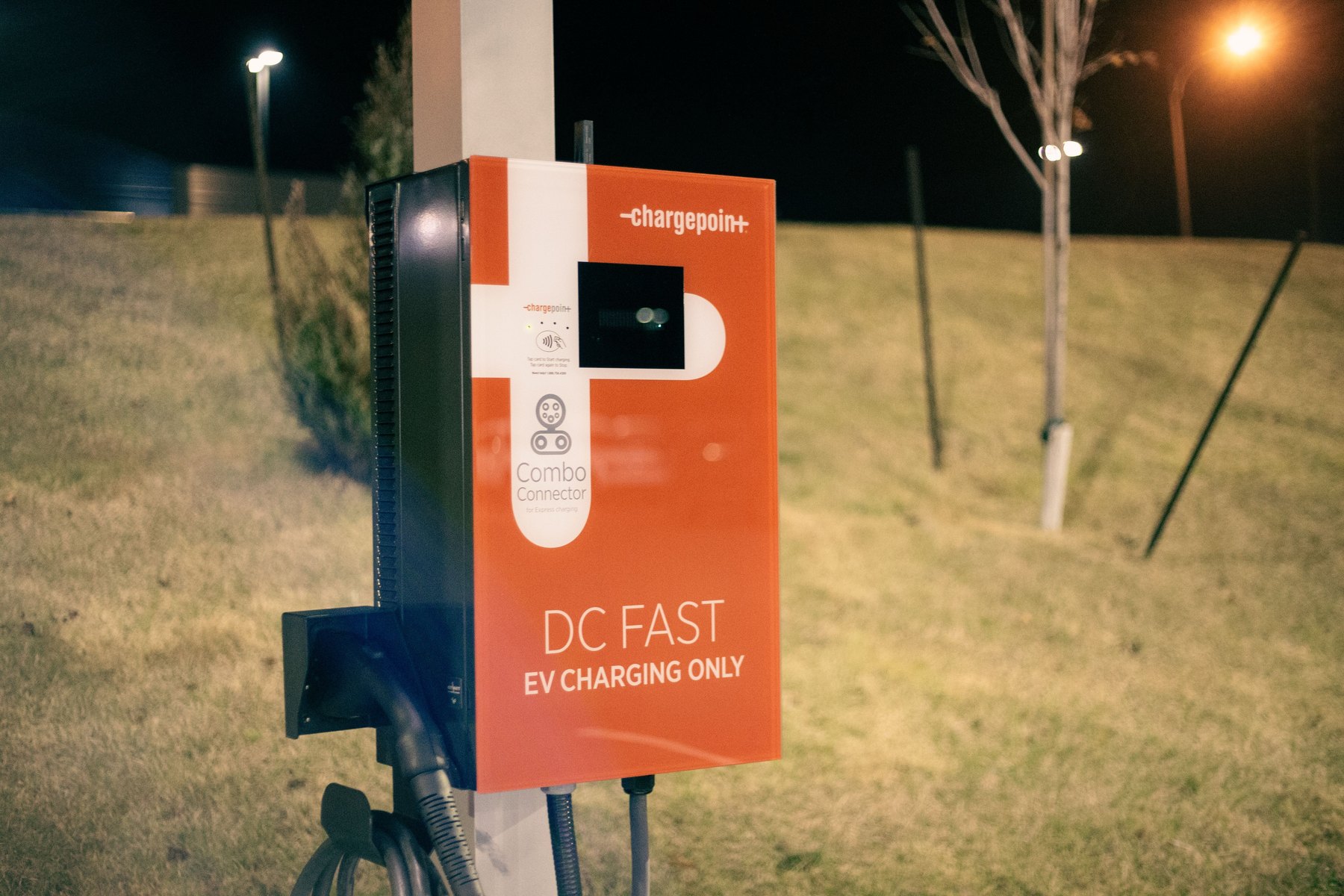
Below are well known EVs that many shoppers cross shop. Availability, trims, and charging access can vary by region, so treat these as a starting list to compare rather than a universal ranking.
| Option | Best fit | What to compare | Main drawback to watch |
|---|---|---|---|
| Tesla Model 3 | Commuters who want strong charging access and efficiency | Trim range, insurance quotes, driver assist features, charging access in your area | Ride and cabin preferences vary, and repair and insurance costs can be higher for some drivers |
| Tesla Model Y | Small family SUV needs with lots of cargo space | Third party cargo measurements, tire costs, insurance, trim differences | Price and insurance can stretch budgets, and ride comfort is subjective |
| Hyundai Ioniq 5 | Drivers who want fast charging capable road trips and a roomy cabin | Charging curve, dealer pricing, warranty terms, trim features | Dealer markups or limited inventory can affect affordability |
| Kia EV6 | Sportier feel with fast charging capability | Trim pricing, range by wheel size, insurance, cargo needs | Some trims trade range for performance and larger wheels |
| Ford Mustang Mach E | Drivers who want a familiar SUV shape and broad dealer service network | Trim range, charging speed, dealer fees, software features | Charging speed and efficiency can vary by trim |
| Volkswagen ID.4 | Value focused shoppers who want a practical compact SUV | Incentive eligibility, trim differences, cargo space, charging access | Performance and charging speed may feel modest compared to some rivals |
| Chevrolet Equinox EV | Shoppers comparing newer mainstream EV SUVs | Real world range reports, dealer availability, trim pricing, charging speed | Newer models can have limited inventory and evolving trim lineups |
| Nissan Ariya | Comfort oriented drivers who want a quiet ride | Trim range, charging speed, interior features, pricing | Charging speed and value can depend heavily on trim and incentives |
How to use the list
- Pick 3 models that match your charging reality (home charging vs public).
- Compare two trims per model: one “budget” trim and one “want” trim. Many payment surprises come from trim jumps.
- Get insurance quotes for the exact trims you are considering.
Financing an EV: what changes compared to a gas car
Financing basics are the same, but EV shoppers often face bigger price swings by trim and incentives. Focus on the parts you can control: down payment, loan term, and total amount financed.
APR, term length, and total interest
- APR: Your annual percentage rate depends on credit, income, loan amount, term, and lender policies. Compare offers from banks, credit unions, and online lenders.
- Term: Longer terms can lower the monthly payment but may increase total interest and keep you upside down longer.
- Amount financed: Rolling taxes, fees, add ons, and negative equity into the loan increases the balance and can raise risk.
Down payment and trade in strategy
- Down payment: A larger down payment can reduce the loan amount and may improve affordability.
- Trade in: If you owe more than your trade is worth, ask for a payoff quote and compare it to your trade value. Rolling negative equity into a new loan can make payments harder to manage.
Leasing vs buying for EVs
Leasing can lower the payment and shift resale risk, but it can also include mileage limits and fees. Buying can make sense if you plan to keep the car longer and want flexibility. Compare the total cost over the time you expect to drive the car, not just the monthly payment.
What would this look like with real numbers?
Below are simplified examples to help you pressure test affordability. These are not quotes and do not include every possible fee or incentive. Use them as a template for your own numbers.
Example assumptions you can swap out
- Vehicle price (before tax and fees): varies by model and trim
- Sales tax and fees: depends on your state and dealer
- APR: depends on your credit and lender
- Term: 48 to 84 months are common in the market, but shorter terms reduce total interest
Sample allocation 1: Budget focused commuter
- EV out the door cost: $38,000
- Down payment: $8,000
- Trade equity: $2,000
- Amount financed: $28,000
- Cash left in savings after down payment (starting from $15,000): $7,000
Decision rule: If $7,000 is less than 3 months of expenses for your household, consider a smaller down payment, a less expensive trim, or waiting until your savings buffer is stronger.
Sample allocation 2: Family SUV with home charging install
- EV out the door cost: $52,000
- Home charging install estimate: $1,800
- Total project cost: $53,800
- Down payment: $10,000
- Amount financed: $43,800
Decision rule: If adding the charger pushes your emergency fund below 3 to 6 months of expenses, price the install first and decide whether Level 1 charging or workplace charging can bridge the gap.
Sample allocation 3: Higher income road tripper minimizing payment shock
- EV out the door cost: $60,000
- Down payment: $20,000
- Amount financed: $40,000
- Extra monthly principal plan: $150 per month (if your lender allows)
Decision rule: If you can comfortably pay extra principal, compare the total interest difference between a shorter term and a longer term with extra payments. Choose the option that fits your cash flow without relying on perfect consistency.
Timeline decision rules: when to buy, lease, or wait
Your timeline changes which risks matter most.
Under 1 year
- If you may move, change jobs, or cannot install charging yet, consider waiting or leasing only if the mileage and fees fit your situation.
- Keep cash flexible for deposits, moving costs, or repairs on your current car.
1 to 3 years
- If you expect a near term life change (new baby, longer commute), prioritize a model that fits the next phase, not just today.
- Compare total cost of ownership over 36 months including insurance and charging.
3 to 7 years
- Buying often becomes easier to justify when you plan to keep the car through the steepest depreciation years.
- Prioritize warranty coverage, battery health reputation, and service access.
7+ years
- Focus on long term reliability, battery warranty terms, and how the vehicle fits your household long term.
- Budget for tires and potential out of warranty repairs later in ownership.
EV shopping checklist you can bring to the dealer
- Get insurance quotes for each model and trim you are considering.
- Confirm home charging feasibility: panel capacity, parking access, and install estimates.
- Map your top 3 frequent routes and identify reliable fast chargers along them.
- Ask for an out the door price in writing that includes all fees.
- Compare loan offers by APR, term, total financed amount, and any lender fees.
- Review warranty coverage for battery and powertrain and what is excluded.
| Cost or risk item | What to ask or check | Why it can surprise buyers |
|---|---|---|
| Dealer add ons | Request a line item list and remove unwanted products | Add ons can increase the amount financed and monthly payment |
| Charging install | Get 1 to 3 electrician quotes and check permit needs | Older panels or long cable runs can raise costs |
| Insurance premium | Quote the exact VIN or trim when possible | Premiums can differ significantly by model and repair costs |
| Negative equity | Compare trade value to payoff amount | Rolling it into a new loan increases balance and risk |
| Public charging pricing | Check local station rates and idle fees | Public charging can cost more than home charging |
Protect your credit while you shop for financing
If you plan to apply for an auto loan, it helps to know where your credit stands first and to keep your application window organized.
- Check your credit reports: You can get free copies at https://www.annualcreditreport.com/ and dispute errors if needed.
- Compare offers: Ask lenders for a loan estimate with APR, term, and any fees. Focus on the total cost, not only the monthly payment.
- Watch add ons and pricing: The Consumer Financial Protection Bureau has resources on auto loans and borrower rights: https://www.consumerfinance.gov/.
- Avoid scams: If an offer sounds too good or pressures you to act immediately, review common red flags at the FTC: https://consumer.ftc.gov/.
How to narrow to the right EV in 30 minutes
If you feel overwhelmed by options, use this quick filter:
- Charging reality: If you can charge at home, you can consider more models. If you cannot, prioritize the models that best match the fast charging network you will actually use.
- Budget cap: Set a maximum out the door price and a maximum monthly payment that still leaves room for savings and other bills.
- Pick your body style: Sedan, compact SUV, or larger SUV. Do not cross shop everything.
- Choose 3 finalists: For many shoppers, a practical trio to compare is Tesla Model Y vs Hyundai Ioniq 5 vs Ford Mustang Mach E, or Tesla Model 3 vs Kia EV6 vs Volkswagen ID.4 depending on size needs.
- Test drive with your routine in mind: Try your typical parking, child seat setup, and visibility checks. Then run the insurance and financing numbers before you sign.
When you compare EVs this way, you are more likely to end up with a car that fits your life and a payment you can live with, even if prices, incentives, and rates change over time.


