

Best Electric SUVs to Compare Before You Choose

The best electric SUVs can look similar on a spec sheet, but the “right” one often comes down to how you drive, where you charge, and how you plan to pay for it. This guide walks through practical comparisons you can make before you commit, including range and charging basics, real-world ownership costs, and how to think about financing versus leasing.
Contents
25 sections
-
What matters most when comparing electric SUVs
-
1) Charging access: home, work, and road trips
-
2) Range: think in "usable miles," not maximum miles
-
3) Space and comfort: cargo, car seats, and ride quality
-
4) Driver-assist and safety tech
-
5) Total cost: payment, insurance, electricity, and depreciation
-
Best electric SUVs to compare before you choose
-
How to test-drive and compare EVs in a way that saves money
-
EV test-drive checklist (bring this with you)
-
Decision rule: choose range based on your longest normal week
-
Financing an electric SUV: what to compare before you sign
-
Key loan terms to compare
-
Lease vs buy: a practical decision rule
-
What the numbers look like with real dollars
-
Charging costs and home setup: estimate before you buy
-
Home charging decision rule
-
Budgeting for an EV SUV by timeline
-
Under 1 year
-
1 to 3 years
-
3 to 7 years
-
7+ years
-
Paperwork and prep: what you may need to close the deal
-
How to protect your credit while shopping
-
Quick shortlist method: pick 3 models, then compare these 10 items
-
Bottom line: choose the EV SUV that fits your driving and your budget
What matters most when comparing electric SUVs
Start with your use case, then work outward to features and price. EV marketing tends to spotlight range, but for many households, charging access and monthly payment matter more than an extra 30 miles of EPA range.
1) Charging access: home, work, and road trips
- Home charging: If you can install Level 2 charging (often 240V), you may care less about ultra-fast DC charging speed.
- Apartment or street parking: Public charging reliability and network coverage becomes a primary factor.
- Road trips: Look at fast-charging curve, not just “peak kW.” A vehicle that holds a strong charge rate from 10% to 60% can feel faster than one with a higher peak that drops quickly.
2) Range: think in “usable miles,” not maximum miles
EPA range is a helpful baseline, but real-world range can vary with speed, temperature, tires, and cabin heating. A practical rule is to plan around 70% to 85% of rated range for worst-case conditions (cold weather highway driving) and closer to 85% to 100% for mild conditions and mixed driving.
3) Space and comfort: cargo, car seats, and ride quality
Electric SUVs vary widely in interior packaging. Two models with similar exterior size can have very different rear-seat legroom and cargo volume. If you use car seats, bring one to a test drive and check:
- Second-row door opening and seat height
- LATCH access and tether points
- Rear-facing clearance behind the front seats
- Cargo floor height and stroller fit
4) Driver-assist and safety tech
Many EVs include advanced driver-assist features, but the details matter: what’s standard versus optional, whether features require a subscription, and how the system behaves on your typical roads. Compare:
- Adaptive cruise and lane centering performance
- Blind-spot monitoring and rear cross-traffic alerts
- Parking cameras and 360-degree view availability
- Ongoing software updates and any paid packages
5) Total cost: payment, insurance, electricity, and depreciation
Two EVs with similar sticker prices can have very different monthly costs. Before you choose, get insurance quotes, estimate charging costs, and consider how long you plan to keep the vehicle.
| Cost category | What to gather | Why it matters | Quick check |
|---|---|---|---|
| Monthly payment | Purchase price, down payment, APR, term | Biggest cash-flow driver | Keep total auto costs under a comfortable % of take-home pay |
| Insurance | Quotes for the exact trim | Can vary a lot by model and repair costs | Get at least 2 to 3 quotes |
| Charging | Electric rate per kWh, miles per kWh | Home rates can be far cheaper than public fast charging | Ask your utility about EV time-of-use plans |
| Maintenance and tires | Tire prices, service intervals | EVs can be heavier and wear tires faster | Check tire size and replacement cost |
| Depreciation | Used prices for 2 to 4 year old models | Impacts long-term cost and trade-in value | Compare resale trends, not hype |
Best electric SUVs to compare before you choose
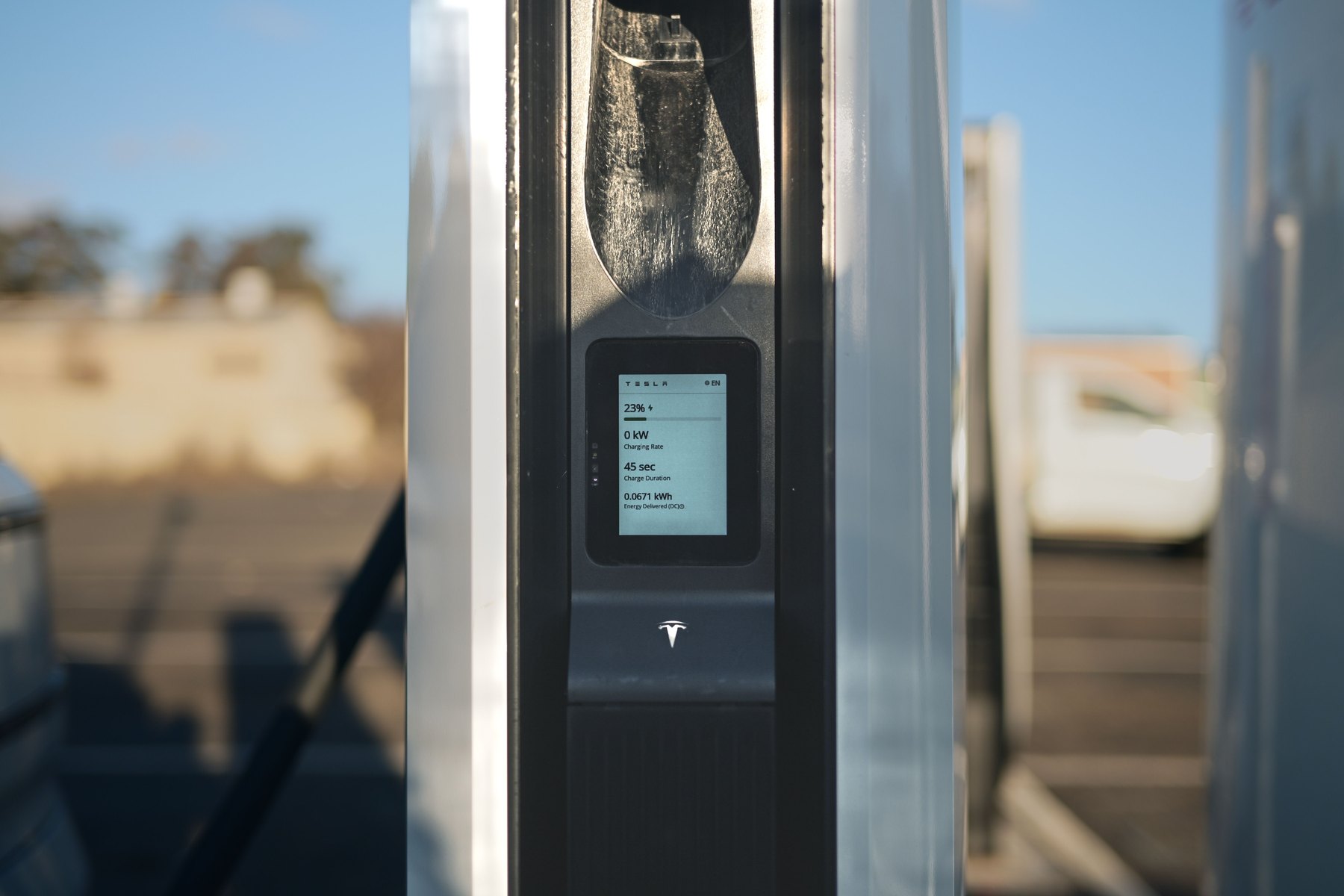
Below are recognizable electric SUV options across price points. Availability, trims, incentives, and charging access can change, so treat these as a starting shortlist and verify current specs and pricing for your area.
| Option | Best fit | What to compare | Main drawback to watch |
|---|---|---|---|
| Tesla Model Y | Drivers who want strong charging access and efficiency | Real-world highway range, insurance cost, feature pricing | Ride quality and cabin noise may vary by preference |
| Hyundai Ioniq 5 | Fast-charging focused buyers and comfortable daily driving | Charging curve, trim differences, warranty coverage | Some trims and options can be hard to find |
| Kia EV6 | Sportier feel with strong charging performance | Efficiency at highway speeds, tire costs, cargo layout | Rear visibility and cargo shape may not suit everyone |
| Ford Mustang Mach-E | Balanced SUV feel with familiar controls and dealer support | Trim pricing, charging network options, software features | Charging speed and efficiency can vary by trim |
| Volkswagen ID.4 | Value-minded shoppers who want a practical compact SUV | Standard features, cargo space, real-world range | Infotainment and controls may be polarizing |
| Chevrolet Equinox EV | Shoppers targeting a lower entry price in a mainstream SUV | Trim availability, charging speed, dealer markups | Early demand can affect pricing and availability |
| Cadillac Lyriq | Comfort and premium feel without going full-size | Lease deals, charging performance, tech packages | Higher insurance and repair costs may apply |
| BMW iX | Luxury buyers prioritizing performance and tech | Lease terms, warranty, tire and wheel replacement costs | High purchase price and expensive options |
How to test-drive and compare EVs in a way that saves money
A short test drive can hide the things that affect long-term satisfaction and cost. Use a repeatable process so you can compare models fairly.
EV test-drive checklist (bring this with you)
- Drive your real route: Include highway speeds, rough pavement, and a parking maneuver.
- Check visibility: Rear window size, mirror coverage, camera clarity at night.
- Try one-pedal driving: Confirm you like the feel and whether it can be adjusted.
- Measure cargo: Bring a stroller, suitcase, or your typical gear.
- Confirm charging port location: Think about your garage layout and public charger parking.
- Ask about charging equipment: What comes with the car, what costs extra, and recommended home setup.
- Get an insurance quote: Use the VIN for the exact trim if possible.
Decision rule: choose range based on your longest normal week
Instead of buying the maximum range you can afford, size range to your routine:
- Mostly local driving with home charging: A lower-range trim can be fine if it covers your longest day with buffer.
- Frequent long commutes without home charging: Prioritize range and charging speed, plus reliable public charging near work.
- Regular road trips: Prioritize fast-charging performance and network access, then range.
Financing an electric SUV: what to compare before you sign
EV financing works like any auto loan, but the numbers can move quickly based on incentives, dealer fees, and whether you choose a longer term to manage the payment. Focus on the total cost and the flexibility you need.
Key loan terms to compare
- APR: Your interest rate. Compare offers from banks, credit unions, and dealer-arranged financing.
- Loan term: Longer terms can lower the payment but increase total interest and can raise the risk of owing more than the car is worth.
- Down payment: More down reduces the amount financed and can improve affordability.
- Fees: Ask for an itemized list of dealer fees and lender fees.
- Prepayment policy: Many auto loans have no prepayment penalty, but confirm in writing.
Lease vs buy: a practical decision rule
- Leasing can fit if you want a predictable term, may want newer tech sooner, or prefer lower commitment. Compare money factor (or equivalent APR), mileage limits, and wear-and-tear rules.
- Buying can fit if you plan to keep the SUV for many years, drive high miles, or want to avoid lease restrictions. Compare total interest cost and expected depreciation.
What the numbers look like with real dollars
Below are sample budgets to help you pressure-test affordability. These are illustrations, not quotes. Your actual payment depends on vehicle price, taxes, fees, down payment, APR, and term.
| Scenario | Vehicle price | Down payment | Amount financed | Why this can work | Tradeoff to consider |
|---|---|---|---|---|---|
| Budget-focused compact EV SUV | $38,000 | $7,600 (20%) | $30,400 | Lower loan balance can reduce interest and risk | May require flexibility on trims and availability |
| Mainstream family EV SUV | $50,000 | $10,000 | $40,000 | Balances space and features with manageable down payment | Insurance and tire costs can be higher than expected |
| Premium EV SUV | $75,000 | $15,000 | $60,000 | More comfort and performance, often strong lease options | Depreciation and repair costs can be significant |
Charging costs and home setup: estimate before you buy
Charging cost is usually measured in cents per kWh. Your cost per mile depends on your electricity rate and your vehicle efficiency (miles per kWh). You can estimate your monthly charging cost with three inputs:
- Monthly miles (example: 1,000 miles)
- Efficiency (example: 3.0 miles per kWh)
- Electric rate (example: $0.15 per kWh at home)
Example math: 1,000 miles ÷ 3.0 miles per kWh = about 333 kWh. 333 kWh × $0.15 = about $50 per month for home charging. If you rely on public fast charging, your per-kWh cost can be higher, so your monthly total may rise.
Home charging decision rule
- If you drive under 30 miles per day and can charge overnight, slower charging may be workable depending on your outlet access.
- If you drive 30 to 80 miles per day, a Level 2 setup often improves convenience and reduces reliance on public charging.
- If you drive 80+ miles per day or have back-to-back long days, prioritize reliable Level 2 access and a vehicle with efficient highway performance.
Budgeting for an EV SUV by timeline
Your timeline affects how much payment risk you can take and whether leasing makes sense.
Under 1 year
- Focus on building a down payment and improving credit where possible.
- Get preapproved with a bank or credit union so you can compare dealer financing offers.
- Price out home charging installation and include it in your cash plan.
1 to 3 years
- Consider whether a shorter loan term fits your budget to reduce total interest.
- Compare new versus lightly used EV SUVs, but verify battery warranty coverage and charging compatibility.
- Plan for tires and insurance increases, not just energy savings.
3 to 7 years
- Buying often becomes more attractive if you plan to keep the vehicle well past the loan payoff.
- Prioritize comfort, seat durability, and a charging setup you can live with long-term.
- Choose a payment that still leaves room for other goals like emergency savings and retirement contributions.
7+ years
- Focus on long-term reliability signals: warranty terms, service network, and real-world owner costs.
- Consider simpler trims if you want fewer tech features to maintain over time.
- Plan for eventual battery capacity loss by buying more range than your minimum need.
Paperwork and prep: what you may need to close the deal
Being organized can help you compare offers and avoid surprises in the finance office.
| Item | Why it’s requested | Tips |
|---|---|---|
| Driver’s license and proof of insurance | Identity and coverage verification | Ask your insurer for a quote on the exact trim before you commit |
| Proof of income | Loan underwriting | Bring recent pay stubs or equivalent documentation |
| Proof of residence | Verification and registration needs | Utility bill or lease agreement may work |
| Trade-in title or payoff info | To value and transfer ownership | Request a payoff quote from your current lender |
| Preapproval details | To compare financing offers | Compare APR, term, and total financed amount line by line |
How to protect your credit while shopping
Auto shopping can involve multiple credit checks. A few steps can help you stay organized and spot issues early.
- Review your credit reports before you shop so you can correct errors and understand where you stand.
- Keep a list of offers with APR, term, fees, and total amount financed so you can compare apples to apples.
- Ask lenders how they handle multiple inquiries during a shopping window.
You can get your credit reports at AnnualCreditReport.com. For guidance on auto loans and borrower rights, see the Consumer Financial Protection Bureau and the Federal Trade Commission.
Quick shortlist method: pick 3 models, then compare these 10 items
If you feel overwhelmed, narrow to three EV SUVs and compare only the factors that drive cost and daily convenience.
- Home charging feasibility and install cost estimate
- Real-world range for your climate and commute
- Fast-charging performance for road trips
- Insurance quote for the exact trim
- Out-the-door price including fees
- APR and term options from at least two sources
- Warranty coverage (vehicle and battery)
- Seat comfort and car-seat fit
- Cargo space for your weekly needs
- Software features and any subscriptions
Bottom line: choose the EV SUV that fits your driving and your budget
The best electric SUVs are the ones that match your charging reality, your space needs, and a payment you can sustain. Build a shortlist with models like the Tesla Model Y, Hyundai Ioniq 5, Kia EV6, Ford Mustang Mach-E, Volkswagen ID.4, and Chevrolet Equinox EV, then compare total monthly costs and charging convenience before you decide.
If you want to dig deeper into financing basics and avoiding common pitfalls, the CFPB’s auto loan resources are a strong starting point: https://www.consumerfinance.gov/consumer-tools/auto-loans/. You can also review general money and credit guidance at the FDIC.


