

BNPL Physical Cards for Everyday Shopping: How They Work and What to Watch

BNPL physical cards are a way to use buy now, pay later at regular stores that do not offer BNPL at checkout, often by paying with a virtual or plastic card tied to a BNPL app.
Contents
19 sections
-
How BNPL physical cards work in everyday shopping
-
BNPL physical cards: when they make sense
-
Comparing BNPL card options (named examples)
-
Costs and risks to check before you tap
-
What this looks like with real numbers
-
Scenario 1: A planned $240 purchase on pay-in-4
-
Scenario 2: Stacking plans without noticing
-
Scenario 3: Choosing between BNPL monthly plan vs paying in full
-
Simple decision rules by timeline
-
How to use a BNPL physical card safely in a weekly budget
-
Step 1: Set a BNPL spending cap
-
Step 2: Match due dates to paydays
-
Step 3: Use one tracking method
-
Step 4: Plan for returns
-
BNPL vs credit cards vs debit: a quick comparison
-
How to evaluate a BNPL provider before you sign up
-
If you are already juggling multiple BNPL plans
-
Where to learn more and check your credit
-
Bottom line: a practical way to decide
Instead of selecting a pay-in-4 plan online, you tap, swipe, or add a card to your mobile wallet and the BNPL provider may split eligible purchases into installments. For some shoppers, that convenience can help smooth cash flow. For others, it can make it easier to overspend or juggle too many due dates. This guide breaks down how these cards work, where they fit, and how to compare major options.
How BNPL physical cards work in everyday shopping
A BNPL physical card is typically connected to an account in a BNPL app. You use it like a debit or credit card at in-store terminals or online. Depending on the provider and your settings, the purchase may be:
- Paid in full (like a normal card transaction), or
- Converted into installments (for example, pay-in-4 or monthly payments) if the purchase qualifies and you choose a plan.
Key moving parts to understand before you rely on one for groceries, gas, or back-to-school shopping:
- Eligibility rules: Some purchases, merchants, or categories may be excluded. Minimum purchase amounts are common.
- Funding and repayment: Payments may be pulled from a linked debit card, bank account, or sometimes a credit card (varies by provider).
- Timing: Many plans require a down payment at purchase, with the rest due every 2 weeks or monthly.
- Fees and interest: Some plans are interest-free if paid on time, while others can charge interest or late fees. Check the current terms in the app.
- Returns and disputes: You may still owe installments while a return is processing. Refund timing can matter.
BNPL physical cards: when they make sense
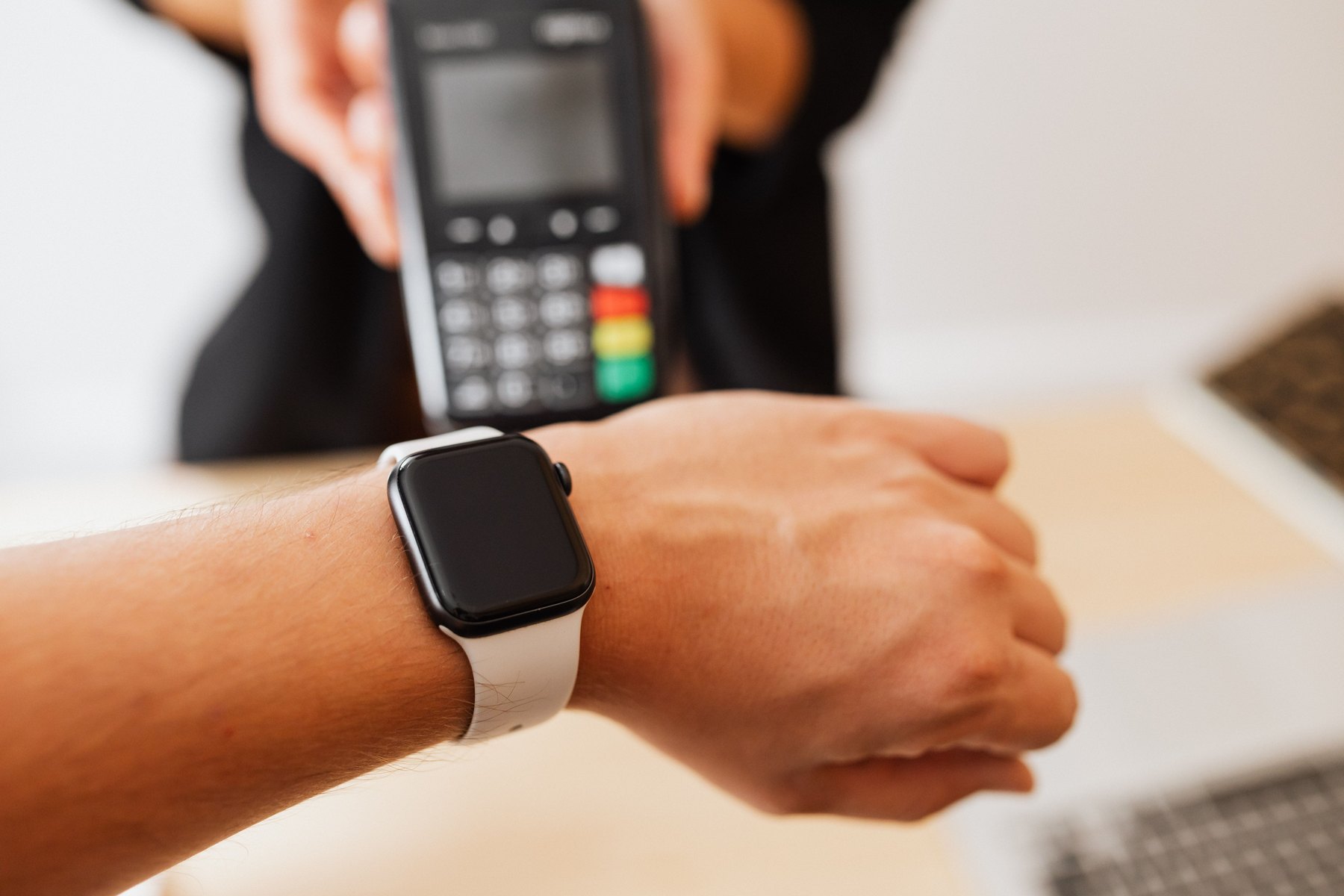
These cards can be useful when you want installment flexibility in places that do not have a BNPL button at checkout. Common situations include:
- Predictable, planned purchases like a $200 pair of work shoes or a $300 car repair part.
- Short-term cash flow gaps when you can clearly see the next paychecks and the due dates line up.
- Budgeting a large seasonal expense like school supplies or holiday gifts, if you keep the number of active plans low.
They tend to be a poor fit when you are already behind on bills, you are frequently overdrafting, or you are using BNPL to cover essentials you cannot afford. In those cases, the convenience can turn into stacked payments that crowd out rent, utilities, or minimum debt payments.
Comparing BNPL card options (named examples)
BNPL features change often, including availability, fees, and how purchases are split. Use the table below as a starting point and verify current terms inside each app before you apply or activate a card.
| Option | Best fit | What to compare | Main drawback |
|---|---|---|---|
| Klarna Card | Shoppers who want in-store flexibility and app-based installment choices | Eligible purchase rules, repayment schedule options, late fee policy, return handling | Easy to start multiple plans and lose track of due dates |
| Afterpay (in-store via app and digital card where available) | Pay-in-4 users who want a simple, short schedule | In-store availability, spending limits, late fee caps, merchant/category exclusions | Short repayment cadence can strain tight budgets |
| Affirm (virtual card for eligible purchases) | People comparing longer monthly plans for larger purchases | APR ranges, term length, total cost, prepayment policy, credit check approach | Some plans charge interest, raising total cost |
| Zip (digital card where available) | Users who want pay-in-4 at broader merchants | Per-transaction fees, late fees, repayment timing, eligibility by merchant | Fees can add up on smaller purchases |
| PayPal Pay Later (Pay in 4 and Pay Monthly, where available) | People already using PayPal who want BNPL at checkout and sometimes in-app | Where it works, plan types, dispute process, late fee policy, account integration | Coverage varies by merchant and transaction type |
Decision rule: if you cannot clearly compare the total cost and the exact due dates before you confirm the plan, pause and choose a payment method with clearer terms.
Costs and risks to check before you tap
BNPL can look cheaper than a credit card, but the real risk is usually cash flow and stacking obligations. Use this checklist before using a BNPL card for everyday shopping.
| Item to check | Why it matters | Quick test |
|---|---|---|
| Late fees and grace periods | One missed payment can trigger fees and restrict future use | Can you set autopay and still keep a cash buffer in checking? |
| Interest or APR on longer plans | Interest increases the total cost, sometimes above alternatives | Compare total repayment to a 0% promo credit card you already have |
| Down payment required | Upfront cash reduces flexibility and can cause overdrafts | Would the down payment push your account below your minimum cushion? |
| Return and refund timing | You may owe payments while waiting for a refund to post | Do you have funds to cover installments for 1 to 2 billing cycles? |
| Merchant and category exclusions | Some everyday categories may not qualify for installments | Test with a small purchase first and confirm how it posts |
| Credit reporting and collections policies | Missed payments may be sent to collections and could affect credit depending on provider | Read the provider FAQ on reporting and what happens after missed payments |
What this looks like with real numbers
The biggest practical question is not whether installments are available. It is whether the installments fit your pay cycle without crowding out essentials. Below are three example budgets showing how a BNPL card purchase can fit or fail.
Scenario 1: A planned $240 purchase on pay-in-4
You buy $240 of school supplies and shoes. The plan splits into 4 payments of $60 every 2 weeks (exact schedules vary).
- Today: $60
- In 2 weeks: $60
- In 4 weeks: $60
- In 6 weeks: $60
Rule of thumb: if your checking account cannot handle the first payment plus a $100 to $300 cushion (or your typical cushion), the plan is likely too tight.
Scenario 2: Stacking plans without noticing
You use a BNPL physical card for three everyday purchases in the same month:
- $180 groceries (4 payments of $45)
- $120 gas and transit (4 payments of $30)
- $300 household item (4 payments of $75)
Your biweekly BNPL obligations can overlap. In the first two weeks you might owe: $45 + $30 + $75 = $150, plus whatever new purchases you make. If your free cash after rent, utilities, and minimum debt payments is only $100 per pay period, you are likely to miss a payment or rely on overdrafts.
Scenario 3: Choosing between BNPL monthly plan vs paying in full
You need a $600 laptop for work. You have $900 in savings and can save $200 per month.
- Pay in full: Savings drop from $900 to $300. If your emergency cushion target is $1,200, this creates risk.
- Monthly BNPL plan: If offered, you might pay around $100 to $200 per month depending on term length and whether interest applies. You keep more cash on hand but must protect the due dates.
Decision rule: if paying in full would drop you below your minimum emergency cushion, a short, clearly affordable installment plan can be reasonable. If the plan charges interest, compare the total cost to other options like delaying the purchase, buying used, or using a 0% promotional credit card you already have (if you can pay it off before the promo ends).
Simple decision rules by timeline
BNPL is a short-term tool. Use timeline rules to avoid turning everyday shopping into long-term debt.
- Under 1 year: BNPL can fit for planned purchases if payments are aligned with paydays and you keep active plans to a small number (for many people, 1 to 3 at a time).
- 1 to 3 years: If you are repeatedly financing essentials, focus on stabilizing cash flow. Consider building a starter emergency fund and reviewing recurring bills. BNPL is usually a symptom, not a fix.
- 3 to 7 years: Prioritize reducing high-interest debt and improving credit health. A BNPL card should not be your main way to manage spending.
- 7+ years: Long-term goals are better served by consistent saving and controlled credit use. If BNPL is still frequent, revisit budgeting and spending triggers.
How to use a BNPL physical card safely in a weekly budget
Step 1: Set a BNPL spending cap
Pick a cap based on your leftover cash after essentials. Example: if you have $250 per month after rent, utilities, groceries, and minimum debt payments, you might cap BNPL payments at $50 to $100 per month so you still have room for surprises.
Step 2: Match due dates to paydays
If you are paid every other Friday, choose plans where payments pull shortly after payday. If you cannot control the schedule, keep the purchase small or pay in full.
Step 3: Use one tracking method
- Add every installment due date to your calendar the moment you check out.
- Or keep a simple note: total remaining BNPL balance and next due date.
- Or create a separate checking sub-account (if your bank offers it) and transfer the next payment amount right away.
Step 4: Plan for returns
If you buy clothing or items you might return, keep enough cash to cover at least the next installment while the refund processes. This reduces the chance of late fees due to timing.
BNPL vs credit cards vs debit: a quick comparison
BNPL cards sit between debit and credit cards. Here is a practical way to compare them for everyday shopping.
| Payment method | Best for | What to watch | Good rule |
|---|---|---|---|
| Debit card | Essentials and routine spending you can cover today | Overdraft risk, weaker cushion if your balance is low | If you cannot pay today, pause the purchase |
| Credit card | Rewards, protections, and flexible repayment if you pay in full | High interest if you carry a balance | Only charge what you can pay off by the due date |
| BNPL physical card | Planned purchases where installments clearly fit your pay cycle | Multiple overlapping plans, late fees, interest on longer terms | Keep active plans limited and track due dates in one place |
How to evaluate a BNPL provider before you sign up
Use this quick comparison checklist when reviewing Klarna, Afterpay, Affirm, Zip, PayPal Pay Later, or any similar provider:
- Total cost: Is there interest? Are there per-transaction fees? What are late fees?
- Repayment schedule: Pay-in-4 every 2 weeks vs monthly. Which matches your income?
- Spending limits: How are limits set and can they change?
- Autopay controls: Can you choose the funding source and get reminders?
- Disputes and returns: How do they handle merchant disputes and refunds?
- Credit impact: Do they report to credit bureaus for certain products? What happens if you miss payments?
If you are already juggling multiple BNPL plans
If you have several installment plans running, focus on reducing complexity first:
- List every plan: remaining balance, next due date, and payment amount.
- Stop starting new plans until you are back to a manageable number.
- Prioritize essentials: rent, utilities, food, transportation, insurance.
- Consider paying off the smallest plan if it frees up a due date and reduces mental load.
If you are seeing late fees or overdrafts, it may help to review your rights and options for dealing with billing problems and debt collection. The Consumer Financial Protection Bureau and the FTC have practical resources.
Where to learn more and check your credit
- Consumer Financial Protection Bureau (CFPB) for guidance on consumer financial products and complaints.
- Federal Trade Commission (FTC) Consumer Advice for shopping, refunds, and avoiding scams.
- AnnualCreditReport.com to review your credit reports from the major bureaus.
Bottom line: a practical way to decide
A BNPL physical card can be a convenient tool for planned purchases when the schedule is clear, the fees are low, and the payments fit your paydays with room to spare. Before you use one for everyday shopping, compare providers on total cost, repayment timing, and how they handle late payments and returns. If you find yourself using BNPL for essentials or stacking plans, treat that as a signal to tighten the budget and reduce payment obligations before adding another card to your wallet.


