

How and Where to Buy Dogecoin (DOGE)

To buy Dogecoin, you typically choose a crypto exchange or app, fund your account, place an order, and then decide whether to keep DOGE on the platform or move it to a wallet you control.
Contents
37 sections
-
What you need before you buy
-
Basic checklist
-
Where to buy Dogecoin: exchanges, broker apps, and more
-
Centralized crypto exchanges
-
Broker-style investing apps
-
Payment apps
-
Crypto ATMs
-
Buy Dogecoin: step-by-step process
-
Step 1: Pick a platform and compare total cost
-
Step 2: Create your account and secure it
-
Step 3: Fund the account
-
Step 4: Place an order (market vs limit)
-
Step 5: Decide where to store DOGE
-
Comparison table: popular places to buy DOGE
-
Real-number budgeting examples: what buying DOGE can look like
-
Example 1: $500 available for investing this month
-
Example 2: $2,000 tax refund or bonus
-
Example 3: $10,000 savings and you want some crypto exposure
-
Timeline decision rules: when DOGE fits and when it does not
-
Under 1 year
-
1 to 3 years
-
3 to 7 years
-
7+ years
-
Fees and hidden costs to watch
-
Common cost categories
-
Storage options: exchange vs hot wallet vs hardware wallet
-
Keeping DOGE on an exchange
-
Hot wallet (software wallet)
-
Hardware wallet (cold storage)
-
How to avoid common mistakes when buying DOGE
-
Use a small test transfer
-
Do not borrow to buy a volatile asset
-
Watch for scams and fake support
-
Keep records for taxes
-
How DOGE purchases can affect your broader finances
-
Quick decision checklist before you buy
-
Bottom line
What you need before you buy
Getting set up is usually quick, but the details matter because fees, order types, and storage choices can change your total cost and risk.
Basic checklist
- Identity verification: Many platforms require a government ID and sometimes a selfie.
- Funding method: Bank transfer (often lower cost), debit card (often faster, sometimes higher fees), or wire.
- Plan for storage: Decide whether you will keep DOGE on the exchange or transfer to a self-custody wallet.
- Security setup: Use a unique password and enable two-factor authentication (2FA) with an authenticator app when available.
| Item | Why it matters | What to look for |
|---|---|---|
| Fees | Small percentages add up, especially on frequent buys | Trading fee schedule, deposit and withdrawal fees, spread |
| Order types | Market orders can fill at worse prices in fast markets | Limit orders, recurring buys, price alerts |
| Withdrawals | You may want to move DOGE to your own wallet | Whether DOGE withdrawals are supported, network fees, minimums |
| Security | Account takeovers and phishing are common risks | 2FA, withdrawal whitelists, device management, login alerts |
| Availability | Some platforms limit features by state or country | Verify your location and supported payment methods |
Where to buy Dogecoin: exchanges, broker apps, and more
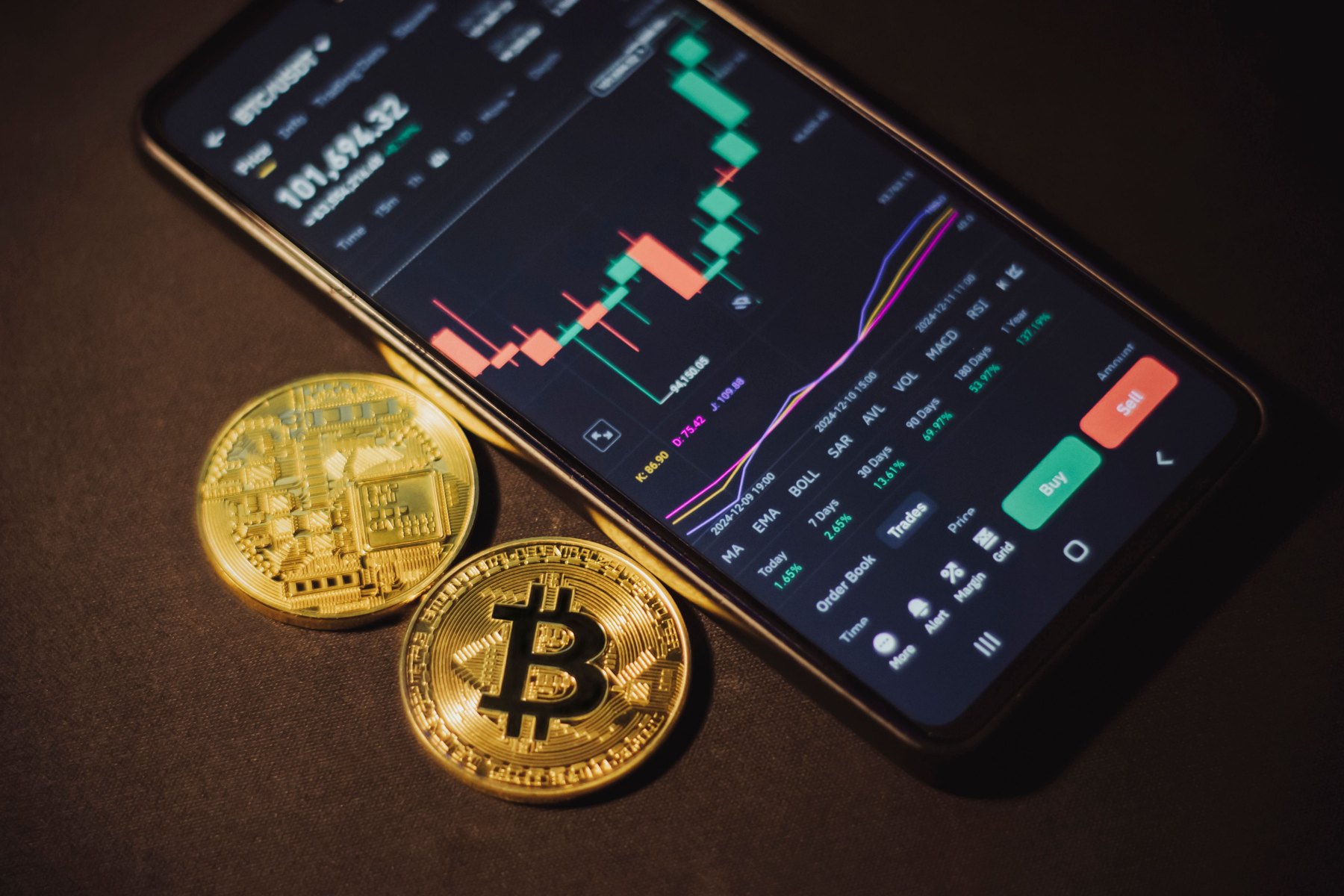
You can buy DOGE in a few common ways. The best fit depends on how hands-on you want to be, whether you care about advanced order types, and whether you plan to transfer coins to a wallet.
Centralized crypto exchanges
Exchanges often offer more trading tools and potentially lower trading fees than simple broker-style apps, especially if you use limit orders and bank transfers. Examples that commonly list DOGE include Coinbase, Kraken, Binance.US (availability varies), Crypto.com, and Gemini (availability varies by region).
Broker-style investing apps
Some apps make buying crypto feel like buying stocks. They can be convenient, but you should confirm whether you can withdraw DOGE to an external wallet and how the app earns money (trading fee vs spread). Examples include Robinhood and Webull (features vary by jurisdiction).
Payment apps
Some payment apps offer crypto purchases, but coin selection and transfer features can be limited. If you want the option to move DOGE off-platform, verify that withdrawals are supported for DOGE specifically.
Crypto ATMs
Some crypto ATMs sell certain coins, but fees can be high and availability varies. If you use an ATM, confirm total fees before you complete the transaction and double-check the wallet address you are sending to.
Buy Dogecoin: step-by-step process
Step 1: Pick a platform and compare total cost
When people compare platforms, they often focus only on the headline trading fee. Your all-in cost can also include the spread (the difference between buy and sell prices), deposit fees, and withdrawal fees.
- If you want more price control: look for limit orders.
- If you want simplicity: a broker-style app may be easier, but confirm spreads and withdrawal options.
- If you plan to self-custody: confirm DOGE withdrawals, minimum withdrawal amounts, and any account holds after deposits.
Step 2: Create your account and secure it
- Use a long, unique password stored in a password manager.
- Enable 2FA with an authenticator app when possible.
- Turn on withdrawal address allowlists or whitelists if offered.
- Be cautious with links and QR codes. Phishing pages can look identical to real login screens.
For identity theft prevention and recovery steps, the FTC has practical guidance at https://consumer.ftc.gov/.
Step 3: Fund the account
Funding method affects both speed and cost.
- Bank transfer (ACH): often lower cost, but funds may take time to clear. Some platforms restrict withdrawals until deposits settle.
- Debit card: faster, but often higher fees.
- Wire transfer: can be fast for large amounts, but your bank may charge a wire fee.
Step 4: Place an order (market vs limit)
- Market order: buys immediately at the best available price. In volatile moments, the fill price can be higher than expected.
- Limit order: you set the maximum price you are willing to pay. The trade may not execute if the market never reaches your limit.
Decision rule: If you care about the exact price and can wait, consider a limit order. If you prioritize speed and the amount is small relative to your budget, a market order may be acceptable.
Step 5: Decide where to store DOGE
You generally have two storage paths:
- Custodial (on the platform): convenient for trading, but you rely on the platform’s security and policies.
- Self-custody (your wallet): you control the private keys, but you are responsible for backups and avoiding mistakes.
If you choose self-custody, test with a small transfer first. Confirm the address carefully and keep your recovery phrase offline. A wrong address or lost recovery phrase can mean permanent loss.
Comparison table: popular places to buy DOGE
Availability, fees, and features change over time and can vary by state. Use the table as a starting point and verify current details on each platform.
| Option | Best fit | What to compare | Main drawback |
|---|---|---|---|
| Coinbase | Beginners who want a well-known interface | Trading fees vs spread, DOGE withdrawals, recurring buy costs | Fees can be higher depending on product and order type |
| Kraken | Users who want more trading tools | Fee tiers, limit orders, withdrawal fees, funding options | Interface can feel complex for first-time buyers |
| Binance.US | Fee-sensitive traders where available | State availability, fee schedule, DOGE withdrawals, ACH limits | Not available in all states and features can vary |
| Crypto.com | Mobile-first users and app ecosystem fans | Spread, card fees, withdrawal minimums, staking or rewards terms | Costs can be harder to estimate due to spread |
| Robinhood | People who want a simple trading experience | Whether DOGE transfers are supported in your region, spreads | Fewer advanced crypto tools than some exchanges |
| Gemini | Users who value a regulated exchange experience | Fee schedule, DOGE availability, withdrawal fees, order types | Coin availability and features can vary by location |
Real-number budgeting examples: what buying DOGE can look like
DOGE is volatile, so many buyers limit it to a small slice of their overall finances. The examples below show how someone might allocate money while keeping essentials funded first. Adjust the numbers to your income, expenses, and debt obligations.
Example 1: $500 available for investing this month
- $350 to a broad, diversified long-term bucket (for example, retirement or index fund investing)
- $100 to cash savings (emergency fund or upcoming bills)
- $50 to DOGE as a high-volatility bucket
Total: $350 + $100 + $50 = $500
Decision rule: If you would feel pressured to sell during a price drop, keep the DOGE slice smaller or skip it until your cash buffer is stronger.
Example 2: $2,000 tax refund or bonus
- $1,200 to an emergency fund (or to reach 3 to 6 months of essential expenses over time)
- $600 to high-interest debt payoff (credit cards or personal loans with high APR)
- $200 to DOGE
Total: $1,200 + $600 + $200 = $2,000
Decision rule: If you have credit card balances at a high APR, paying those down can be a lower-risk use of money than adding to a speculative asset.
Example 3: $10,000 savings and you want some crypto exposure
- $7,000 kept in cash savings for near-term needs and emergencies
- $2,500 in a longer-term diversified investment bucket
- $500 in DOGE
Total: $7,000 + $2,500 + $500 = $10,000
Decision rule: Consider keeping volatile assets at 0% to 20% of investable money depending on your risk tolerance, and keep money needed soon out of high-volatility positions.
Timeline decision rules: when DOGE fits and when it does not
Time horizon can help you decide how much volatility you can accept.
Under 1 year
- Prioritize cash for rent, utilities, insurance, and planned purchases.
- If you buy DOGE, consider keeping it small enough that a large drop would not disrupt your plans.
1 to 3 years
- Keep most money for known goals in safer, more liquid places.
- If you want exposure, consider smaller recurring buys instead of a single lump sum.
3 to 7 years
- You may have more flexibility to tolerate volatility, but diversification still matters.
- Set a written rule for how much you will allocate and when you will rebalance.
7+ years
- Long horizons can help with volatility, but DOGE is still speculative.
- Consider a cap (for example, 1% to 5% of your total portfolio) if you want exposure without letting one asset dominate outcomes.
Fees and hidden costs to watch
Two people can buy the same amount of DOGE and pay very different total costs depending on how they place the trade.
Common cost categories
- Trading fee: a stated percentage or flat fee per trade.
- Spread: the difference between the quoted buy and sell price. This can be larger in fast markets.
- Deposit fee: sometimes charged for card purchases or certain funding methods.
- Withdrawal fee: charged when moving DOGE off the platform. Also consider network fees.
| Cost or risk | Quick test | How to reduce it |
|---|---|---|
| Wide spread | Compare the quoted buy price to the current market price | Use limit orders; compare platforms at the same moment |
| High card fees | Check the fee shown before confirming | Use bank transfer if available and acceptable for your timeline |
| Withdrawal limits or holds | Read funding and withdrawal policy pages | Plan ahead; avoid last-minute transfers |
| Tax complexity | Do you have many small trades and transfers? | Keep records; consider fewer transactions |
| Security threats | Are you using 2FA and a password manager? | Enable 2FA, use withdrawal allowlists, beware phishing |
Storage options: exchange vs hot wallet vs hardware wallet
Keeping DOGE on an exchange
This is simplest. It can make sense for small amounts or if you trade frequently. The tradeoff is counterparty risk: you rely on the platform’s controls and your account security.
Hot wallet (software wallet)
A hot wallet is an app on your phone or computer. It can be a good middle ground for moderate amounts if you want control and the ability to send and receive DOGE. The tradeoff is exposure to malware, SIM swap risks, and device loss if you do not back up properly.
Hardware wallet (cold storage)
A hardware wallet stores keys offline and can reduce certain online risks. It can be a fit for larger balances you plan to hold long term. The tradeoff is cost, setup complexity, and the need to protect your recovery phrase.
How to avoid common mistakes when buying DOGE
Use a small test transfer
If you move DOGE to a wallet, send a small amount first, confirm it arrives, then transfer the rest.
Do not borrow to buy a volatile asset
Buying DOGE with borrowed money can amplify losses if the price drops while interest accrues. If you are already carrying high-interest debt, compare the certainty of interest costs to the uncertainty of crypto returns.
Watch for scams and fake support
Scammers often impersonate customer support on social media. Use official help channels and never share your recovery phrase. The FTC’s scam resources can help you spot common patterns: https://consumer.ftc.gov/scams.
Keep records for taxes
Crypto sales and trades can be taxable events. Save trade confirmations and track cost basis, especially if you move coins between platforms. For general tax guidance, see the IRS virtual currency page: https://www.irs.gov/businesses/small-businesses-self-employed/virtual-currencies.
How DOGE purchases can affect your broader finances
Even if you are not taking out a loan, your cash flow still matters. A DOGE purchase that reduces your ability to pay bills on time can indirectly hurt your credit if it leads to late payments. If you are rebuilding credit, it can help to monitor your credit reports for accuracy. You can get free weekly reports at https://www.annualcreditreport.com/.
Quick decision checklist before you buy
- Do you have at least a starter emergency fund and a plan for near-term bills?
- Are you avoiding high-interest debt to fund the purchase?
- Did you compare total cost (fees + spread + withdrawal fees), not just the headline fee?
- Will you use a limit order if price matters?
- Do you know where you will store DOGE and how you will back up access?
- Do you have a written rule for position size and what would make you sell or rebalance?
Bottom line
Buying DOGE is straightforward, but the platform you choose, the order type you use, and how you store your coins can make a meaningful difference in cost and risk. Compare a few well-known exchanges and apps, start with an amount that fits your budget, and set up security and recordkeeping before you place your first trade.


