

6 Daily Habits That Enhance Home Security

Daily home security habits can make your home harder to target, reduce costly losses, and help you spot problems before they turn into emergencies.
Contents
34 sections
-
Why daily habits matter for your budget and safety
-
Habit 1: Do a 60-second "lock and close" sweep
-
What to check (quick checklist)
-
Decision rule: build a trigger
-
Money angle
-
Habit 2: Make your home look occupied (even when it is not)
-
Daily actions that help
-
Package theft routine
-
Habit 3: Use "layered security" at the door every day
-
Daily home security habits at entry points
-
Quick upgrade checks you can do in under 2 minutes
-
When to consider a bigger fix
-
Habit 4: Keep valuables and documents "grab-safe" and trackable
-
Daily document and valuables routine
-
Home inventory in 15 minutes
-
Identity theft prevention tie-in
-
Habit 5: Manage "digital doors" like passwords, Wi-Fi, and alerts
-
Daily and weekly digital habits
-
Decision rule: what to do when you get an alert
-
Credit monitoring habit that pairs well
-
Habit 6: Do a daily "outside scan" for weak spots
-
What to look for
-
Simple routine: pair it with an existing habit
-
Daily home security habits: a 7-day starter plan
-
Budgeting for security: what it looks like with real numbers
-
Scenario A: $25 per month (ultra-basic)
-
Scenario B: $75 per month (balanced)
-
Scenario C: $150 per month (security plus resilience)
-
Decision rules by timeline (how to prioritize spending)
-
Insurance and documentation habits that can reduce financial stress later
-
What to do monthly
-
Common mistakes to avoid
-
When a security issue could affect your credit
-
Putting it all together
Home security is not only about alarms and cameras. It is also about small, repeatable actions that limit opportunity. Many of these habits cost little or nothing, and they can also support your finances by lowering the odds of theft, property damage, and surprise repair bills.
Why daily habits matter for your budget and safety
Most security upgrades are one time purchases, but habits are what keep those upgrades working. A door lock does not help if it is not used. A camera does not help if the app notifications are off. A garage door is not protective if it is left open while you run inside.
From a money perspective, better security can help you:
- Avoid replacing stolen items and paying deductibles.
- Reduce the chance of identity theft that can lead to fraudulent accounts and credit headaches.
- Prevent small maintenance issues from becoming expensive repairs.
- Document valuables and home condition, which can make insurance claims smoother if something happens.
Habit 1: Do a 60-second “lock and close” sweep
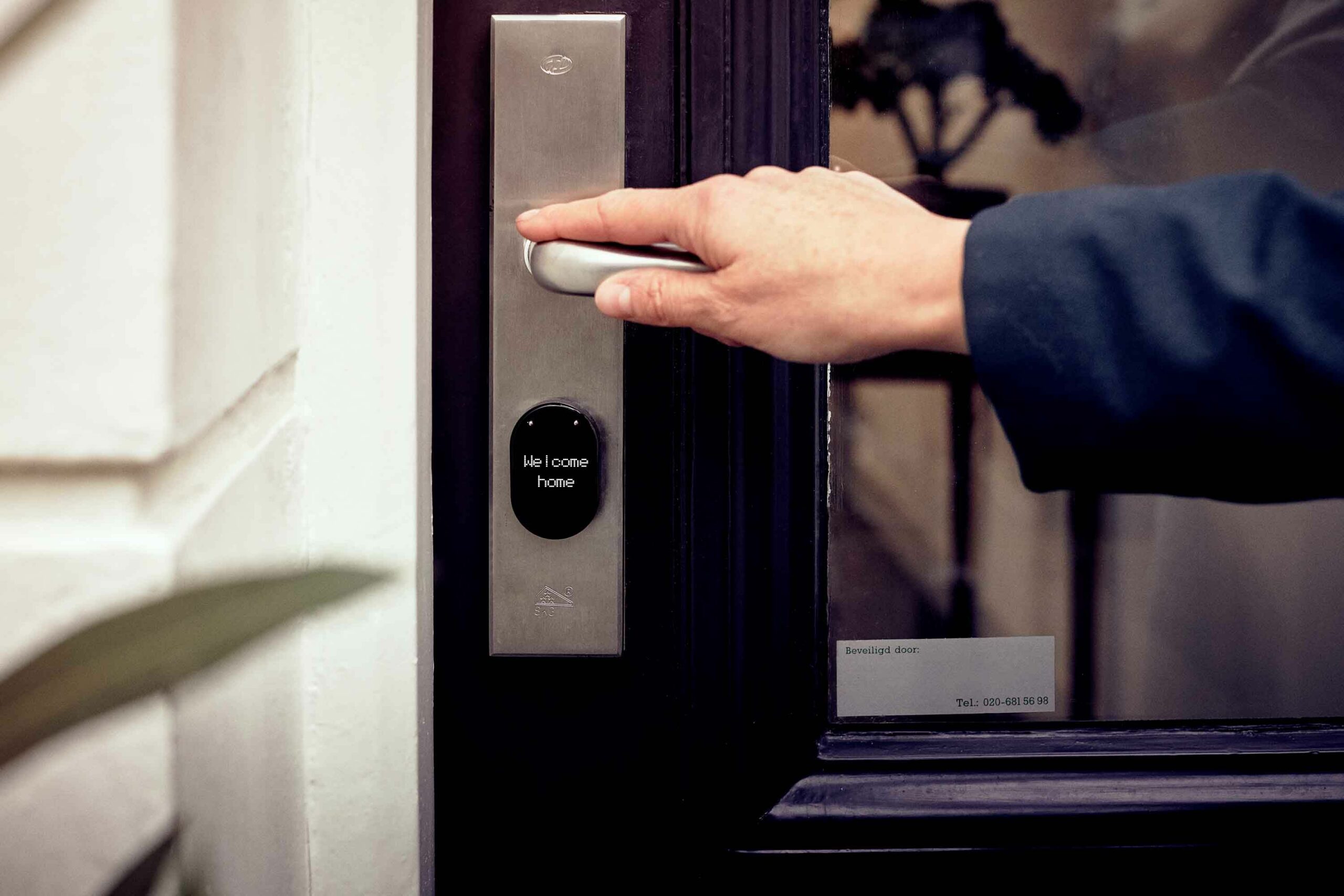
This is the simplest daily routine with the biggest payoff: every time you leave and every night before bed, do a quick sweep of the main entry points.
What to check (quick checklist)
- Front door locked (deadbolt engaged)
- Back door locked
- Sliding door locked and secured (pin or bar if you use one)
- Garage door closed
- Ground-floor windows closed and latched
- Spare key not hidden in obvious places (doormat, planter, fake rock)
Decision rule: build a trigger
Habits stick when they have a trigger. Pick one:
- Trigger A: You touch your car keys – you do the sweep.
- Trigger B: You turn off the living room lights – you do the sweep.
- Trigger C: You set your phone on the charger – you do the sweep.
Money angle
Locking up consistently is a low-effort way to reduce the odds of a loss that could force you to dip into savings, put expenses on a credit card, or take out a personal loan to replace essentials.
Habit 2: Make your home look occupied (even when it is not)
Many break-ins are crimes of opportunity. A home that looks empty can be more tempting. Your goal is to create normal-looking activity patterns.
Daily actions that help
- Use lights on timers or smart schedules for at least one visible room.
- Bring packages inside quickly, or ask a neighbor to grab them if you are away.
- Do not leave the same blinds position every day if you are gone for long stretches.
- Park in the driveway when possible (or vary parking patterns).
Package theft routine
If you get deliveries often, set a daily delivery check time (for example, 4:30 p.m.). If you live in an area with frequent package theft, consider using pickup lockers or requiring signatures for higher-value items.
| Situation | Daily habit | Why it helps | Low-cost tool |
|---|---|---|---|
| Workday away from home | Schedule 1 to 2 lights to turn on at dusk | Creates predictable “someone is home” cues | Plug-in timer or smart bulb |
| Frequent deliveries | Bring packages inside within 2 hours | Reduces porch theft window | Delivery alerts on phone |
| Evening errands | Leave one light on while out | Discourages opportunistic entry | LED bulb (low energy use) |
| Vacation or multi-day trip | Hold mail or ask neighbor to collect it | Prevents “nobody is home” signals | USPS hold mail request |
Habit 3: Use “layered security” at the door every day
Layered security means you use more than one barrier. If one layer fails, another still slows entry and increases the chance someone gives up.
Daily home security habits at entry points
- Lock the deadbolt, not just the knob lock.
- Keep the door frame area clear so you can see damage or tampering.
- At night, use exterior lighting (motion lights or scheduled lights).
- Do not buzz in unknown visitors if you live in a building with controlled access.
Quick upgrade checks you can do in under 2 minutes
- Confirm strike plate screws are tight (loose screws can weaken the door).
- Test the deadbolt throw (it should extend smoothly without sticking).
- Check that the door fully latches without needing to pull or lift it.
When to consider a bigger fix
If your door does not latch properly, the frame is cracked, or the deadbolt sticks, put it on your near-term to-do list. Security issues often overlap with maintenance issues that can get more expensive if ignored.
Habit 4: Keep valuables and documents “grab-safe” and trackable
Security is not only preventing entry. It is also reducing the impact if something happens. A daily or weekly routine for valuables can save time and money later.
Daily document and valuables routine
- Put wallets, keys, and purses in the same spot when you get home.
- Do not leave laptops visible near windows.
- Store passports, Social Security cards, and birth certificates in a secure place.
- Back up important files (photos of receipts, serial numbers, home inventory).
Home inventory in 15 minutes
Once a month, take a quick video walkthrough of your home and open closets and drawers where higher-value items are stored. Save it to a secure cloud folder. This can help with insurance documentation if you ever need it.
Identity theft prevention tie-in
Stolen mail and documents can lead to identity theft. If you suspect identity theft, the FTC has step-by-step recovery guidance at consumer.ftc.gov.
| Item | Best daily storage spot | Tracking tip | Why it matters financially |
|---|---|---|---|
| Wallet and keys | Out of sight near entry | Use a consistent “drop zone” | Reduces loss, replacement costs, and lockout calls |
| Laptop and tablet | Not visible from windows | Record serial numbers | Replacement can be expensive and disrupt work |
| Passports and vital records | Locked drawer or safe | Scan copies to encrypted storage | Helps prevent identity misuse and speeds replacement |
| Checkbook and spare checks | Locked location | Consider online bill pay instead | Reduces fraud risk and account headaches |
Habit 5: Manage “digital doors” like passwords, Wi-Fi, and alerts
Physical security and financial security overlap. If someone gets into your Wi-Fi or smart home accounts, they may be able to disable devices, view cameras, or access personal data.
Daily and weekly digital habits
- Turn on app notifications for doorbell cameras, alarms, and smart locks.
- Use unique passwords for your router, security apps, and email.
- Enable multi-factor authentication where available.
- Review device alerts once a day, even if you do not act on them.
Decision rule: what to do when you get an alert
- If you see an unknown login or device – change the password immediately and sign out of other sessions.
- If a camera goes offline unexpectedly – check power and Wi-Fi, then review account access.
- If you get repeated motion alerts at odd hours – adjust sensitivity and confirm exterior lighting works.
Credit monitoring habit that pairs well
Check your credit reports periodically to spot accounts you do not recognize. You can request free credit reports at AnnualCreditReport.com.
Habit 6: Do a daily “outside scan” for weak spots
A quick exterior scan helps you catch problems early: broken gates, burned-out bulbs, overgrown shrubs, and open windows. It also helps you notice unfamiliar vehicles or repeated foot traffic.
What to look for
- Exterior lights working (especially near doors and garage)
- Landscaping not blocking sight lines to doors and windows
- Fence and gate latches closing properly
- No ladders or tools left out that could help someone reach a window
- Trash and boxes that advertise expensive purchases are broken down and not left visible
Simple routine: pair it with an existing habit
Do the outside scan when you take out the trash, get the mail, or walk a pet. The goal is consistency, not perfection.
Daily home security habits: a 7-day starter plan
If you try to change everything at once, it is easy to quit. Use this one-week plan to build momentum.
| Day | Habit to focus on | What “done” looks like | Time needed |
|---|---|---|---|
| Day 1 | Lock and close sweep | Sweep before bed | 1 minute |
| Day 2 | Make home look occupied | Set one light schedule or timer | 5 to 10 minutes |
| Day 3 | Layered door security | Deadbolt every time, test latch | 2 minutes |
| Day 4 | Valuables routine | Create a drop zone and clear window views | 10 minutes |
| Day 5 | Digital doors | Turn on alerts, enable MFA where possible | 10 to 20 minutes |
| Day 6 | Outside scan | Walk exterior and note 1 fix | 3 minutes |
| Day 7 | Review and simplify | Pick 3 habits you will keep daily | 5 minutes |
Budgeting for security: what it looks like with real numbers
You do not need to spend a lot to improve security, but it helps to plan. Below are sample monthly allocations you can adapt. These examples are not prescriptions. They show how to fit security into a budget without relying on debt.
Scenario A: $25 per month (ultra-basic)
- $10 – replacement batteries for devices and flashlights (average over time)
- $10 – lighting (timers, bulbs, or small upgrades over time)
- $5 – document protection (folder, small lockbox savings)
Total: $25
Scenario B: $75 per month (balanced)
- $25 – smart lighting or motion lighting upgrades (spread over months)
- $25 – basic camera or doorbell savings fund
- $15 – home maintenance items that support security (latches, screws, weatherstripping)
- $10 – identity protection basics (secure storage, shredding supplies)
Total: $75
Scenario C: $150 per month (security plus resilience)
- $60 – security system or monitoring budget (if you choose a plan)
- $40 – home hardening fund (better locks, door reinforcement, window locks)
- $30 – emergency preparedness items (smoke/CO detectors, fire extinguisher, first aid)
- $20 – deductible buffer savings (set aside for insurance deductibles)
Total: $150
Decision rules by timeline (how to prioritize spending)
- Under 1 year: Focus on habits and low-cost fixes first (locks, lighting, trimming landscaping). Build a small buffer for deductibles and urgent repairs.
- 1 to 3 years: Consider mid-cost upgrades that reduce risk (door reinforcement, better exterior lighting, basic cameras). Compare ongoing subscription costs versus self-monitoring.
- 3 to 7 years: Plan larger improvements that also support property value and durability (fencing repairs, exterior doors, garage door upgrades). Budget for maintenance so security does not degrade.
- 7+ years: Think in systems: roof and exterior integrity, full lighting plan, and updated smart home security with strong account controls. Reassess insurance coverage as your assets change.
Insurance and documentation habits that can reduce financial stress later
Good habits can also make it easier to recover financially after a loss.
What to do monthly
- Update your home inventory (quick video plus photos of high-value items).
- Save receipts for major purchases, or store email receipts in a dedicated folder.
- Review your insurance deductibles and coverage limits so you know what you would pay out of pocket.
For general guidance on insurance and financial products, you can explore consumer resources at consumerfinance.gov.
Common mistakes to avoid
- Relying on one tool. A camera alone is not a lock. A lock alone does not help if you leave windows open.
- Ignoring small maintenance issues. A sticking door or broken light can become a bigger problem and a bigger bill.
- Posting travel plans in real time. If you share trips on social media, consider posting after you return.
- Leaving packaging visible. Break down boxes for TVs, computers, and other high-value items.
- Weak passwords on security apps. Treat these accounts like financial accounts.
When a security issue could affect your credit
Some home security incidents can spill into your financial life, especially if mail, IDs, or devices are stolen. If you notice suspicious accounts or charges, act quickly: review your credit reports, contact the companies involved, and follow identity theft recovery steps. The FTC’s identity theft hub is a practical starting point: consumer.ftc.gov/features/identity-theft.
Putting it all together
The best security routines are the ones you actually do. Start with a lock and close sweep, add occupancy cues, and then layer in digital hygiene and an outside scan. Over time, these daily habits can reduce the odds of a costly loss and help you feel more in control of your home and your budget.


