

Dash Cam Advantages

Dash cam advantages show up fastest when something goes wrong on the road and you need clear proof, fast decisions, and fewer expensive surprises.
Contents
23 sections
-
Why dash cam footage can protect your wallet
-
Common expensive situations a dash cam can clarify
-
Dash cam advantages for insurance claims and disputes
-
How footage can help in a claim
-
What a dash cam usually cannot do
-
Financial decision: when a dash cam is worth the cost
-
Simple decision rules
-
What this looks like with real numbers
-
Feature checklist: what to compare before you buy
-
Cost and risk checklist before installing
-
Named dash cam options to compare (examples)
-
Decision rule: front only vs front and rear
-
How dash cams can affect borrowing and car related costs
-
1) Avoiding surprise cash needs after a crash
-
2) Supporting accurate repair decisions
-
3) Theft and fraud documentation
-
Privacy, consent, and data handling: practical steps
-
Practical rules that reduce headaches
-
Installation choices and hidden costs
-
DIY vs professional installation
-
Ongoing maintenance checklist
-
Quick buyer worksheet: choose a dash cam in 10 minutes
-
Bottom line: the most valuable advantages are evidence and speed
A dash cam is a small camera that records what happens in front of your car, and sometimes inside the cabin and behind the vehicle. While it is a driving gadget, it can also affect your finances because it can help you document crashes, reduce time spent arguing about fault, and support claims when you are dealing with insurers, repair shops, or even identity and fraud issues tied to vehicle theft.
Why dash cam footage can protect your wallet
Many money problems after a crash come from uncertainty: who caused it, what exactly happened, and whether the damage matches the story. A dash cam does not prevent accidents, but it can reduce the cost of confusion.
Common expensive situations a dash cam can clarify
- Disputed fault – If another driver claims you ran a red light or changed lanes unsafely, video can help establish the timeline.
- Hit and run – A camera may capture the vehicle, plate, or identifying details.
- Fraudulent crash claims – Some scams involve staged collisions or exaggerated damage. Footage can help you contest inaccurate statements.
- Parking lot damage – With parking mode, some cameras record impacts while parked.
- Road hazards – Debris, potholes, or falling cargo can cause damage that is hard to prove later.
When you can document what happened, you may be able to move faster through repairs and claims. That can matter if you are paying for a rental car, missing work, or facing a deductible you did not expect.
Dash cam advantages for insurance claims and disputes
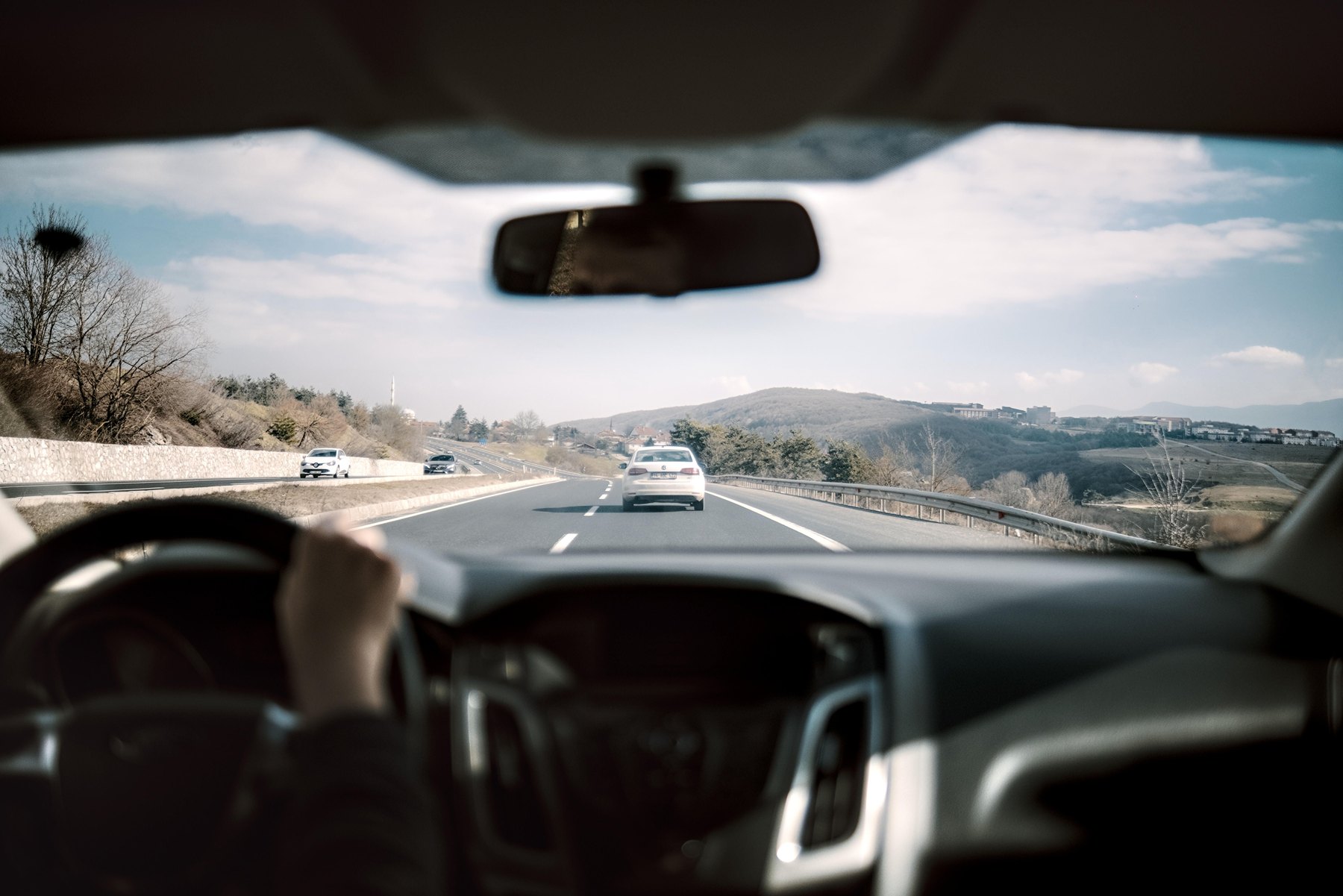
Insurance is a major household cost, and claims are where the paperwork and stress pile up. Dash cam footage can help you tell a consistent story and back it up with time stamped evidence.
How footage can help in a claim
- Clearer documentation – Video can complement photos of damage, the police report, and witness statements.
- Faster resolution – When facts are easier to confirm, disputes may be simpler to resolve.
- Better accuracy – Footage can help confirm speed, lane position, signal timing, and road conditions.
What a dash cam usually cannot do
- Guarantee an insurer outcome – Insurers still review all evidence, policy terms, and state rules.
- Replace safe driving – A camera does not reduce risk by itself.
- Capture everything – Glare, weather, night driving, and camera angle can limit usefulness.
If you are in a crash, you can also use consumer resources to understand claim rights and complaint options. The Consumer Financial Protection Bureau has insurance related complaint information and general consumer guidance at consumerfinance.gov. For scam awareness and reporting, the FTC has practical resources at consumer.ftc.gov.
Financial decision: when a dash cam is worth the cost
A dash cam is an upfront purchase plus small ongoing costs like memory cards and occasional replacements. The question is not whether it is cheap, but whether it reduces your risk of a large unexpected cost.
Simple decision rules
- Buy sooner if you drive daily, commute in heavy traffic, park on the street, or drive for work.
- Consider waiting if you rarely drive, always park in a private garage, and your budget is tight.
- Prioritize reliability over extras if you are buying mainly for claims evidence.
What this looks like with real numbers
Prices vary by features and brand, so treat these as planning ranges and check current prices before buying.
- Scenario A: Tight budget, basic protection
You can set aside $120 total: $80 for a basic front camera, $20 for a high endurance microSD card, $20 for a simple mount or hardwire kit if needed. Total: $120. - Scenario B: Balanced setup for most drivers
Budget $250 total: $160 for a front camera with good night performance, $50 for a rear camera add on or bundle difference, $30 for a high endurance card, $10 for cable clips or accessories. Total: $250. - Scenario C: Higher coverage, parking mode focus
Budget $450 total: $300 for a front and rear kit with parking mode, $80 for professional installation or a quality hardwire kit, $40 for two high endurance cards, $30 for a battery pack or voltage cutoff accessory if required. Total: $450.
To decide, compare the dash cam cost to the size of a typical financial hit you want to avoid: a deductible, a few days of rental car costs, missed work time, or a disputed claim that drags on. You are not trying to predict a payout. You are trying to reduce the chance that a lack of evidence becomes expensive.
Feature checklist: what to compare before you buy
Most buyers focus on video resolution, but the money saving value often comes from reliability and usability. If the camera fails, corrupts files, or is too hard to retrieve footage quickly, it may not help when you need it.
| Feature | Why it matters | What to look for | Common tradeoff |
|---|---|---|---|
| Image quality | Helps identify plates, signals, and lane position | Good daytime and night footage, wide dynamic range | Higher resolution can mean larger files |
| Field of view | Captures more of the scene | Wide but not overly distorted | Too wide can reduce detail |
| GPS and speed stamp | Adds context to the timeline | Optional overlay, accurate GPS lock | Some drivers prefer not to record speed |
| Parking mode | Useful for hit and runs while parked | Impact detection, buffered recording | May require hardwiring or battery protection |
| Storage reliability | Prevents missing or corrupted footage | High endurance microSD, loop recording | Cards wear out and need replacement |
| Ease of exporting video | Speeds up claims and police reports | Wi Fi app that works, simple file access | Apps vary in quality and support |
Cost and risk checklist before installing
- Confirm your state rules on windshield mounting and driver visibility.
- Plan for a high endurance memory card and replace it periodically.
- Decide whether you want audio recording on or off.
- If using parking mode, use a voltage cutoff or professional install to reduce battery drain risk.
- Test footage at night and in rain within the return window.
Named dash cam options to compare (examples)
There is no single best dash cam for everyone. The right choice depends on your driving patterns, whether you need rear coverage, and how much you value parking mode and easy exports. Below are recognizable options to compare. Verify current features, pricing, and availability before buying.
| Option | Best fit | What to compare | Main drawback |
|---|---|---|---|
| Garmin Dash Cam series | Drivers who want a compact, simple camera | Video clarity, app export, GPS features | Smaller size can mean smaller screen |
| Nextbase dash cams | Drivers who want an easy interface and accessories | Ease of use, mounting system, rear camera support | Model lineup can be confusing |
| Viofo (A series) | Value focused buyers who still want strong video | Night footage, capacitor vs battery, parking mode options | Setup can take more tinkering |
| BlackVue | Drivers who want premium features and cloud options | Cloud connectivity, parking mode, reliability | Higher total cost, subscriptions for some features |
| Thinkware | Parking mode heavy use and advanced driver alerts | Impact detection, power management, rear camera quality | May require hardwiring for best results |
| Vantrue | Drivers considering cabin recording for rideshare | Interior camera performance, IR night vision, storage | Interior recording raises privacy considerations |
Decision rule: front only vs front and rear
- Front only can be enough if your main concern is intersection crashes and you want the lowest cost.
- Front and rear is often worth it if you worry about rear end collisions, tailgating disputes, or hit and runs.
How dash cams can affect borrowing and car related costs
A dash cam is not a loan product, but it can influence costs that affect your budget and your need to borrow.
1) Avoiding surprise cash needs after a crash
After an accident, you may face immediate costs: towing, a deductible, a rental car, or time off work. If the situation is disputed, those costs can linger. Footage can help you document events quickly, which may reduce the chance you need to put expenses on a high interest credit card while waiting for answers.
2) Supporting accurate repair decisions
Video can help you remember details that matter to a repair shop or insurer, like whether the impact was minor or severe, or whether airbags deployed. This can reduce back and forth and help you avoid paying for unnecessary work. Still, always review estimates and ask for an itemized breakdown.
3) Theft and fraud documentation
If your car is stolen or broken into, a dash cam with parking mode may capture activity around the vehicle. If you deal with identity theft or fraudulent accounts after a theft, you can also monitor your credit reports. You can get free credit reports at AnnualCreditReport.com.
Privacy, consent, and data handling: practical steps
Recording video can create privacy issues, especially with interior cameras or audio. Handling footage responsibly is part of the real world cost of ownership.
Practical rules that reduce headaches
- Know your state rules for audio recording and windshield mounting.
- Tell passengers if you record audio or the cabin, especially for rideshare or carpool situations.
- Lock important clips right after an incident so loop recording does not overwrite them.
- Back up key files to a secure location you control.
- Limit sharing – Post only what you need, and avoid sharing personal details publicly.
Installation choices and hidden costs
Many dash cams are easy to install, but certain setups can add cost or risk if done poorly.
DIY vs professional installation
- DIY can work well for a front camera powered by a 12V outlet. It is usually the lowest cost approach.
- Professional install can be worth it if you want a clean look, front and rear wiring, or reliable parking mode with a hardwire kit.
Ongoing maintenance checklist
- Format the memory card on the schedule recommended by the manufacturer.
- Replace memory cards when they show errors or after heavy use.
- Check the camera angle after windshield replacements or interior cleaning.
- Update firmware if the brand provides stability updates.
Quick buyer worksheet: choose a dash cam in 10 minutes
Use this worksheet to narrow options without getting stuck in specs.
| Your situation | Minimum setup | Nice to have | Skip for now |
|---|---|---|---|
| Mostly daytime driving, garage parking | Front camera, reliable card | GPS stamp | Parking mode |
| Night driving, street parking | Strong night footage, parking mode | Rear camera | Cloud features |
| Rideshare or frequent passengers | Front camera, clear audio rules | Interior camera with IR | Speed overlay if you prefer not to record it |
| Long commute in heavy traffic | Front and rear coverage | Easy Wi Fi exports | Extra driver alerts that you will ignore |
Bottom line: the most valuable advantages are evidence and speed
The biggest dash cam advantages are not flashy features. They are the ability to document what happened, reduce disputes, and move faster through stressful and potentially expensive situations. If you buy one, focus on dependable recording, easy exports, and a setup that fits your driving and parking routine. Then test it, maintain it, and store important clips securely.
For more consumer protection and scam reporting resources related to vehicle purchases, repairs, and fraud, review the FTC guidance at consumer.ftc.gov. For broader consumer finance help and complaint tools, visit consumerfinance.gov. If a theft leads to concerns about new accounts or identity misuse, check your reports through AnnualCreditReport.com. For general banking safety information and deposit insurance basics, see the FDIC at fdic.gov.


