

De Minimis Exemption Shopping Effects: What It Means for Prices, Taxes, and Your Budget

De minimis exemption shopping effects show up when small cross border purchases enter a country with little or no duty and fewer customs steps, changing the final price you pay and how you shop.
Contents
27 sections
-
What is a de minimis exemption and why shoppers notice it
-
De minimis exemption shopping effects on your final price
-
The four cost buckets that change most
-
Why two identical carts can cost different amounts
-
Quick decision rule: compare "landed cost," not "item price"
-
How marketplaces and sellers design around thresholds
-
Real world shopping scenarios with numbers
-
Scenario 1: Small electronics accessory order
-
Scenario 2: Clothing haul that risks crossing a threshold
-
Scenario 3: A higher value item where returns matter
-
Comparison table: common shopping options and how de minimis plays in
-
Checklist: how to estimate your landed cost before you click buy
-
How this connects to personal finance and borrowing decisions
-
Decision rules if you might finance the purchase
-
Timeline based decision rules (under 1 year to 7+ years)
-
Three sample monthly budget allocations for cross border shopping
-
Allocation A: Light shopper (total $60 per month)
-
Allocation B: Moderate shopper (total $150 per month)
-
Allocation C: Heavy shopper or family household (total $300 per month)
-
Common pitfalls that make "cheap imports" expensive
-
1) Carrier processing or brokerage fees
-
2) Returns that cost more than the item
-
3) Warranty gaps and compatibility issues
-
4) Order splitting that complicates disputes
-
How to shop smarter near a de minimis threshold
-
Where to verify rules and protect yourself as a shopper
-
Bottom line: use thresholds as a planning tool, not a guarantee
In plain terms, a de minimis threshold is a value limit under which a shipment may qualify for simplified entry and reduced or waived duties and taxes. The details vary by country, product category, and shipping method. For shoppers, it can feel like a discount. For merchants and marketplaces, it can shape pricing, shipping strategies, and return policies. For governments, it affects tax collection and enforcement.
This guide explains how de minimis rules can influence your total cost, how to compare checkout prices more accurately, and how to avoid common surprises like carrier fees, returns friction, and warranty gaps.
What is a de minimis exemption and why shoppers notice it
A de minimis exemption is a policy that allows low value shipments to clear customs with reduced paperwork and, in some cases, reduced or waived duties and taxes. The goal is often to reduce administrative costs for customs agencies and speed up processing for small parcels.
Shoppers notice it because it can change:
- Checkout pricing – some sellers price items to land under the threshold.
- Delivery speed – simplified clearance can reduce delays, but not always.
- Whether you pay extra on delivery – duties, VAT, GST, or brokerage may still apply depending on rules.
- Return and warranty experience – cross border returns can be costly even when the original shipment was cheap.
Important nuance: “duty free” does not always mean “tax free.” Some countries may still collect consumption taxes even on low value imports, or they may require marketplaces to collect tax at checkout.
De minimis exemption shopping effects on your final price
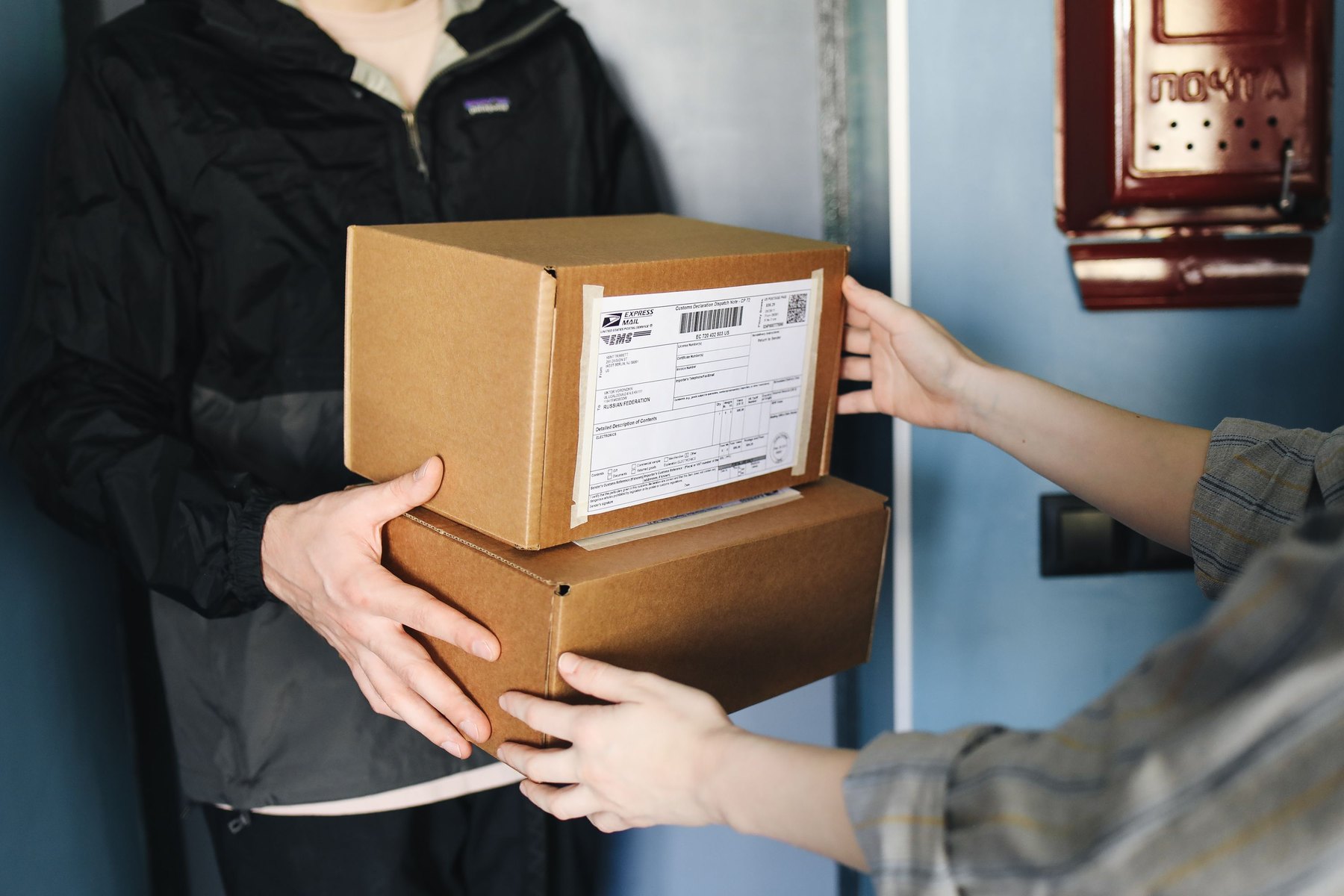
To understand de minimis exemption shopping effects, focus on the difference between the sticker price and the landed cost. Landed cost is what you pay in total after shipping, taxes, duties, and carrier handling fees.
The four cost buckets that change most
- Item price – sellers may price at $49 instead of $52 to stay under a threshold, or split orders into multiple parcels.
- Shipping – “free shipping” may be built into the item price, or shipping may jump when you consolidate items.
- Border charges – duties and import taxes may be reduced or waived under a threshold, but rules vary.
- Carrier fees – some carriers charge brokerage or processing fees when they advance taxes or handle customs paperwork.
Why two identical carts can cost different amounts
Even if two shoppers buy the same item, their total can differ because of:
- Different shipping methods (postal vs express courier).
- Different seller fulfillment locations (domestic warehouse vs overseas).
- Different customs classification of the product.
- Different marketplace tax collection practices.
Quick decision rule: compare “landed cost,” not “item price”
Before you buy, try to answer these questions:
- Is tax collected at checkout? If yes, what type (sales tax, VAT, GST)?
- Will the carrier collect anything on delivery (duties, taxes, brokerage)?
- Is the order likely to be split into multiple packages?
- What is the return shipping cost if the item is wrong or defective?
How marketplaces and sellers design around thresholds
De minimis thresholds can shape how sellers list, ship, and bundle products. Here are common patterns you may see while shopping:
- Price points just under the threshold – items clustered at $19.99, $39.99, or similar levels.
- Order splitting – a cart may ship as multiple parcels to keep each package under a threshold. This can reduce border charges but may increase packaging waste and complicate returns.
- Consolidation services – some sellers offer consolidation to reduce shipping, but consolidation can push the declared value over the threshold.
- Delivered duty paid (DDP) offers – some merchants collect estimated duties and taxes at checkout. This can reduce delivery surprises, but you still want to compare total cost and understand refund policies if charges are overestimated.
Real world shopping scenarios with numbers
Because thresholds and tax rules differ by country and product type, the examples below focus on a budgeting approach: you set a “border cost buffer” and choose a shipping strategy based on how sensitive you are to surprise fees.
Scenario 1: Small electronics accessory order
You want a $38 phone accessory from an overseas marketplace. Shipping is $6. The listing says taxes may be collected at checkout.
- Base cost: $38
- Shipping: $6
- Border buffer (5% to 15%): $2 to $7
Budgeted total: $46 to $51. If the marketplace collects tax at checkout, your delivered cost may be close to the high end. If not, you may pay on delivery depending on your country and carrier.
Decision rule: If you cannot tolerate a surprise $10 to $20 fee, choose a seller or shipping option that clearly states taxes are included or uses a delivered duty paid approach.
Scenario 2: Clothing haul that risks crossing a threshold
You plan to buy three items: $28, $27, and $26. Shipping is $10 for the whole order.
- Cart subtotal: $81
- Shipping: $10
- Budgeted border buffer (10% to 25%): $9 to $23
Budgeted total: $100 to $114.
Decision rule: If your country has a low threshold, splitting into two orders might reduce border charges but could increase shipping. Compare:
- One shipment: $81 + $10 + buffer
- Two shipments: ($55 + shipping1) + ($26 + shipping2) + buffer
Pick the option with the lower expected total and the simpler return path.
Scenario 3: A higher value item where returns matter
You want a $240 pair of headphones from an overseas seller because the domestic price is $290. Shipping is $15.
- Base cost: $240
- Shipping: $15
- Border buffer (15% to 35%): $38 to $89
- Return buffer: $20 to $60 (international return label or postage)
Budgeted total: $313 to $404.
Decision rule: When the item is expensive or likely to be returned, the “cheap” cross border price can disappear. If warranty support and easy returns are important, compare the domestic option even if the sticker price is higher.
Comparison table: common shopping options and how de minimis plays in
| Option | Best fit | What to compare | Main drawback |
|---|---|---|---|
| Amazon (cross border listings) | Fast delivery and clearer checkout totals | Whether taxes and import fees are estimated at checkout, return policy, seller location | Some items still have import fees or third party return friction |
| eBay (international sellers) | Unique items and used goods | Shipping method, buyer protection terms, whether taxes are collected at checkout | Condition risk and variable seller quality |
| AliExpress | Low cost small items where timing is flexible | Taxes at checkout, shipping speed tiers, dispute window | Longer shipping times and more variable product quality |
| Temu | Low priced household and novelty items | Minimum order rules, shipping promises, return logistics | Quality consistency and brand warranty limitations |
| SHEIN | Trend clothing with frequent promotions | Sizing reviews, return costs, taxes collected at checkout | Fit uncertainty can make returns more likely |
| Walmart Marketplace (third party imports) | Shoppers who want a familiar checkout | Seller origin, shipping timeline, return handling | Third party listings can vary widely |
Checklist: how to estimate your landed cost before you click buy
Use this checklist to reduce surprises. It is especially useful when your cart value is near a threshold.
| Item to check | Where to find it | Why it matters |
|---|---|---|
| Seller location and fulfillment warehouse | Product page, shipping details | Domestic fulfillment may avoid border charges and simplify returns |
| Taxes collected at checkout | Cart summary, order total | If taxes are collected upfront, delivery fees may be less likely |
| Shipping method (postal vs courier) | Shipping options | Courier shipments may have different processing fees than postal shipments |
| Return shipping cost and window | Return policy page | A low price is less helpful if returns are expensive or difficult |
| Warranty coverage and service location | Manufacturer site, listing details | Some warranties are region limited or require shipping abroad |
| Order splitting and partial shipments | Checkout notes, tracking updates | Multiple parcels can change fees, delivery dates, and return complexity |
How this connects to personal finance and borrowing decisions
Shopping policies can influence your cash flow, especially if you use credit cards, buy now pay later, or short term financing for large purchases. The key is to avoid financing a purchase based on the lowest possible sticker price when the delivered cost could be higher.
Decision rules if you might finance the purchase
- If the delivered cost is uncertain, do not borrow up to your limit. Leave room for taxes, fees, and return shipping.
- Compare APR and fees across payment methods. A 0% promo can be helpful if you can pay it off in time, but missed payments or deferred interest structures can raise costs.
- Match the repayment timeline to the item life. Financing a short lived item over a long term can strain your budget.
Timeline based decision rules (under 1 year to 7+ years)
- Under 1 year: Keep purchases flexible. Prefer payment methods that do not lock you into long repayment. Build a 10% to 25% buffer for border charges on cross border orders.
- 1 to 3 years: For durable goods, prioritize warranty and return logistics. A slightly higher domestic price can be competitive when you include service and returns.
- 3 to 7 years: For big ticket items, focus on total cost of ownership. Repairs, parts, and support matter more than small duty differences.
- 7+ years: For items you expect to keep a long time, buy for reliability and support first. The de minimis advantage is usually small compared to maintenance and replacement costs.
Three sample monthly budget allocations for cross border shopping
If you regularly buy from overseas marketplaces, a simple way to manage uncertainty is to create a dedicated “import shopping” category with a buffer. Here are three sample allocations that add up correctly and you can adjust to your income and spending style.
Allocation A: Light shopper (total $60 per month)
- $35 planned purchases
- $10 shipping upgrades when needed
- $10 border cost buffer (taxes, duties, carrier fees)
- $5 return and replacement buffer
Allocation B: Moderate shopper (total $150 per month)
- $95 planned purchases
- $20 shipping
- $25 border cost buffer
- $10 returns and warranty shipping buffer
Allocation C: Heavy shopper or family household (total $300 per month)
- $190 planned purchases
- $40 shipping and consolidation choices
- $50 border cost buffer
- $20 returns, replacements, and sizing mistakes
Decision rule: If you repeatedly spend the buffer, treat it as a signal that your true landed costs are higher than you expect. Either lower the planned purchase amount or shift to sellers that include taxes at checkout.
Common pitfalls that make “cheap imports” expensive
1) Carrier processing or brokerage fees
Even when duties are low, a carrier may charge a processing fee for handling customs or advancing taxes. This is more likely with certain express courier shipments. If you see a surprise invoice, ask the carrier for an itemized breakdown.
2) Returns that cost more than the item
A $12 item is not a bargain if return shipping is $18. Before buying, look for local return addresses, prepaid labels, or clear refund rules for defective items.
3) Warranty gaps and compatibility issues
Electronics can have region specific warranties, plugs, voltage requirements, or cellular band limitations. Check the manufacturer support page before buying.
4) Order splitting that complicates disputes
If a cart ships in multiple parcels, you may receive partial deliveries over time. Keep tracking numbers and screenshots of the order details until everything arrives and you have tested the items.
How to shop smarter near a de minimis threshold
- Build a buffer: Use 10% to 25% as a starting point when you cannot confirm taxes and fees upfront.
- Prefer clear totals: If a marketplace shows taxes at checkout, it may reduce delivery surprises.
- Test with a small order first: Before a large haul, try one low cost item to see how shipping times and fees work in your area.
- Keep documentation: Save receipts, order confirmations, and tracking for returns and disputes.
- Compare domestic alternatives: Include shipping, taxes, return costs, and warranty value, not just sticker price.
Where to verify rules and protect yourself as a shopper
Because import thresholds and tax collection practices can change, use authoritative sources for current guidance and consumer protections:
- FTC consumer guidance for online shopping tips, scams, and dispute steps.
- Consumer Financial Protection Bureau (CFPB) for information on credit cards, billing errors, and payment disputes.
- AnnualCreditReport.com to check your credit reports if shopping related credit issues arise.
- FDIC for basics on bank accounts and funds availability if you are managing cash flow around large purchases.
Bottom line: use thresholds as a planning tool, not a guarantee
De minimis thresholds can lower friction for small parcels, but they do not eliminate all costs. The most reliable way to benefit from de minimis exemption shopping effects is to compare landed cost, choose shipping and sellers with clear tax handling, and budget for returns and fees. When you do that, you can decide when cross border deals are truly cheaper and when a domestic purchase is the better value for your budget.


