

Debit Card Fraud: What to Do Step by Step

Debit card fraud what to do starts with acting fast: lock your card, contact your bank, and document everything so you can limit losses and restore access to your money.
Contents
39 sections
-
First 10 minutes: contain the damage
-
1) Lock or freeze the card
-
2) Check recent transactions and your balance
-
3) Change passwords and enable two factor authentication
-
4) Move essential payments to a backup method
-
Debit card fraud what to do when you call your bank
-
What to request on the call
-
What to say (simple script)
-
PIN based fraud and ATM withdrawals
-
Know your rights and typical timelines
-
Why speed matters
-
Where to learn the official rules
-
Document everything: your fraud file checklist
-
Handling bills and cash flow while your money is tied up
-
Decision rules for the next 7 days
-
What this looks like with real numbers (3 sample plans)
-
Scenario A: You have a small emergency buffer
-
Scenario B: You can shift spending to a credit card temporarily
-
Scenario C: Family help plus strict triage
-
Common fraud patterns and how to respond
-
1) Card number stolen (online or in store)
-
2) Account takeover (someone accessed your banking login)
-
3) Peer to peer payment scams
-
4) ATM skimming
-
Comparison: ways to protect yourself after debit card fraud
-
Should you freeze your credit too?
-
Check your credit reports
-
Prevent repeat fraud: a practical hardening checklist
-
Account and device steps
-
Spending and ATM habits
-
If your bank denies the dispute: escalation steps
-
1) Ask for the reason in writing and provide more details
-
2) File a complaint if you believe the process was handled incorrectly
-
Quick reference: what to do in order
-
FAQ
-
Will I get my money back after debit card fraud?
-
Should I close my checking account?
-
What if the fraud started with a text or email?
-
How can I reduce the risk of overdrafts during a dispute?
Debit card fraud can feel worse than credit card fraud because the money often comes straight out of your checking account. That can trigger overdrafts, missed bills, and a stressful scramble to cover essentials. The good news is there is a clear playbook to follow. This guide walks you through immediate steps, what to say when you call, how disputes and timelines usually work, and how to prevent repeat fraud.
First 10 minutes: contain the damage
Your goal in the first few minutes is to stop new transactions and preserve evidence.
1) Lock or freeze the card
Open your bank app and use the “lock card” or “freeze card” feature if available. If you cannot access the app, call the number on the back of your card or the bank’s official website. Avoid calling numbers from texts or emails that might be part of the scam.
2) Check recent transactions and your balance
Look for:
- Unauthorized purchases (including small “test” charges)
- ATM withdrawals you did not make
- Cash App, Zelle, Venmo, PayPal, or other transfers you did not authorize
- Pending transactions that have not posted yet
Take screenshots or write down the date, merchant, amount, and whether it is pending or posted.
3) Change passwords and enable two factor authentication
If you suspect account takeover (someone logged in as you), change your online banking password immediately and turn on two factor authentication. If you reused that password anywhere else, change it there too, starting with your email account.
4) Move essential payments to a backup method
If your debit card is used for recurring bills (streaming, phone, subscriptions), switch those to a credit card or another payment method so you do not get hit with late fees while your bank issues a new card.
Debit card fraud what to do when you call your bank
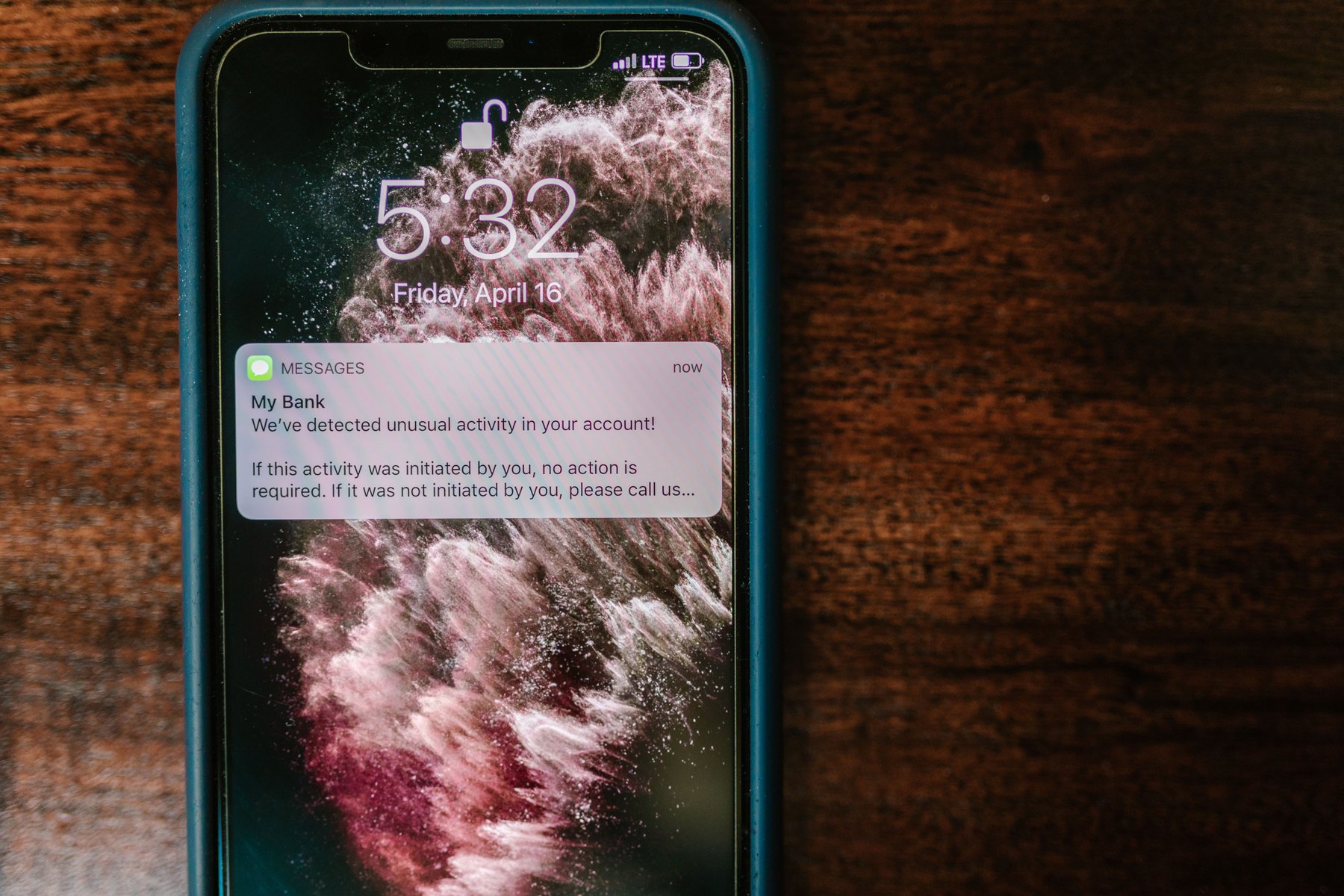
When you contact your bank, you are doing three things: reporting fraud, disputing transactions, and protecting your account going forward.
What to request on the call
- Confirm the card is locked and request a replacement card with a new number.
- Ask the bank to review recent transactions and identify any related pending items.
- Start a dispute for each unauthorized transaction and ask for the case or claim number.
- Ask whether the bank can stop payment on pending transactions.
- Ask whether overdraft fees or returned payment fees can be reversed if they were caused by the fraud.
- Ask what documentation they need and the deadline to submit it.
What to say (simple script)
You can keep it short:
- “I am reporting unauthorized debit card transactions. Please lock the card, issue a replacement, and open disputes for these charges.”
- “These transactions are not mine. I did not authorize them and I did not share my PIN.”
- “Please tell me the claim number and what you need from me to complete the investigation.”
PIN based fraud and ATM withdrawals
If the fraud involves ATM withdrawals, your bank will likely ask about your PIN. Be truthful. If you wrote your PIN on the card or shared it, your protections may be weaker. If you did not share it, say so clearly and ask what steps the bank will take to investigate.
Know your rights and typical timelines
Debit card protections can depend on how quickly you report the issue and whether the transaction is a card purchase or an electronic fund transfer. Many banks follow federal rules for error resolution on electronic transfers. Reporting quickly matters.
Why speed matters
The sooner you report, the easier it can be to stop pending transactions and reduce the chance of additional losses. If you wait, you may also face higher liability under certain circumstances.
Where to learn the official rules
For plain language explanations and complaint options, see the Consumer Financial Protection Bureau at consumerfinance.gov. For identity theft steps and recovery plans, see the FTC at consumer.ftc.gov.
Document everything: your fraud file checklist
Good documentation helps you move faster if the bank asks follow up questions or if you need to escalate.
| Item to save | What to include | Why it matters |
|---|---|---|
| Transaction list | Date, amount, merchant, pending vs posted | Helps the bank match disputes to specific items |
| Screenshots | Account activity, alerts, messages | Shows what you saw and when you saw it |
| Call log | Date, time, agent name, case number | Useful if you need to follow up or escalate |
| Police report (if needed) | Report number and jurisdiction | Sometimes required for larger losses or identity theft |
| Identity theft report | FTC IdentityTheft.gov steps and reference | Creates a standardized record for creditors and banks |
Handling bills and cash flow while your money is tied up
Debit card fraud can create a short term cash crunch. The goal is to keep essentials paid without stacking expensive fees.
Decision rules for the next 7 days
- Protect essentials first: rent or mortgage, utilities, food, transportation, insurance.
- Pause non essentials: subscriptions, shopping, optional travel.
- Avoid high cost borrowing if possible: payday loans and high fee cash advances can create longer term problems.
- Ask for fee waivers: if fraud caused overdrafts or late fees, ask your bank and billers about reversals.
What this looks like with real numbers (3 sample plans)
Assume $1,200 is missing from your checking account and you have bills due before the bank finishes its review. Here are three ways people often bridge the gap, depending on what resources they have.
Scenario A: You have a small emergency buffer
- $700 from savings to cover rent shortfall
- $250 for groceries and gas
- $150 to keep utilities and phone current
- $100 kept as a cushion for unexpected charges
Total: $1,200
Scenario B: You can shift spending to a credit card temporarily
- $500 paid from checking toward rent (partial)
- $450 groceries and gas on a credit card
- $150 utilities on a credit card
- $100 minimum payments on other bills to avoid late fees
Total: $1,200
Scenario C: Family help plus strict triage
- $600 borrowed from family for rent and utilities
- $300 groceries and gas (reduced spending)
- $200 minimum payments on required bills
- $100 held for transportation or medication
Total: $1,200
If you borrow from family or use a credit card, write down a repayment plan. For example, repaying $100 per week for 6 weeks is clearer than “when I can.”
Common fraud patterns and how to respond
1) Card number stolen (online or in store)
Signs: unauthorized purchases, often starting with small charges. Response: lock the card, dispute transactions, replace the card number, and review where the card was used recently.
2) Account takeover (someone accessed your banking login)
Signs: password changed, new payees added, alerts disabled, transfers initiated. Response: change passwords, enable two factor authentication, ask the bank to review profile changes, and consider changing your email password first.
3) Peer to peer payment scams
Signs: money sent via Zelle, Cash App, Venmo, or similar. Response: report immediately in the app and to your bank. Protections can differ from card purchase disputes, especially if you authorized the transfer but were tricked. Save chat logs and screenshots.
4) ATM skimming
Signs: ATM withdrawals you did not make, often after using a specific ATM. Response: report to the bank, replace the card, change PIN, and avoid isolated ATMs. Use bank owned ATMs when possible.
Comparison: ways to protect yourself after debit card fraud
No single tool fits everyone. You can combine options based on how you use your checking account and how much friction you can tolerate.
| Option | Best fit | What to compare | Main drawback |
|---|---|---|---|
| Keep debit card locked when not in use (bank app feature) | People who rarely use debit | How fast lock and unlock works, alert settings | Can interrupt legitimate purchases if you forget to unlock |
| Use a credit card for everyday purchases (Visa, Mastercard, Amex, Discover) | Those who can pay in full monthly | APR, fees, rewards, fraud protections, dispute process | Interest costs if you carry a balance |
| Virtual card numbers (example: Capital One Eno, Citi Virtual Account Numbers) | Frequent online shoppers | Where it works, browser support, merchant controls | Not available with every bank or card |
| Mobile wallet tokenization (Apple Pay, Google Pay, Samsung Wallet) | In store tap to pay users | Device compatibility, merchant acceptance, lock screen security | Not all merchants accept tap to pay |
| Account alerts (bank text or push notifications) | Anyone with a checking account | Real time alerts, thresholds, merchant info detail | Alert fatigue if set too broadly |
| Separate bill pay account plus spending account | People who want stronger compartmentalization | Transfer speed, fees, minimum balance rules | More accounts to manage |
Should you freeze your credit too?
Debit card fraud does not always mean identity theft, but it can. If you see signs like new accounts you did not open, mail about unfamiliar credit, or a bank login takeover, consider a credit freeze with the major credit bureaus. A freeze can make it harder for someone to open new credit in your name.
Check your credit reports
You can get free credit reports at AnnualCreditReport.com. Review for new accounts, hard inquiries, and address changes you did not make.
Prevent repeat fraud: a practical hardening checklist
After the immediate crisis, take an hour to reduce the chance of a repeat incident.
Account and device steps
- Change your online banking password and email password.
- Turn on two factor authentication for banking and email.
- Remove unknown devices from your bank login settings if the bank offers that view.
- Update your phone and computer operating systems.
- Run a malware scan if you clicked a suspicious link or installed unknown software.
Spending and ATM habits
- Use tap to pay or a mobile wallet when available.
- Avoid random ATMs in tourist areas, bars, or convenience stores if you can.
- Set transaction alerts for any purchase over $1 or $10.
- Keep a small buffer in checking and store extra cash in savings to reduce overdraft risk.
If your bank denies the dispute: escalation steps
Sometimes a bank may decide a transaction was authorized or that evidence is insufficient. If that happens, you still have options.
1) Ask for the reason in writing and provide more details
Request the specific reason for denial and what documentation could change the outcome. Provide any extra evidence you have, such as travel records showing you were not near the ATM or receipts showing your card was in your possession.
2) File a complaint if you believe the process was handled incorrectly
If you cannot resolve it directly, you can submit a complaint through the CFPB at consumerfinance.gov/complaint. Keep your case number and timeline handy.
Quick reference: what to do in order
| Timeframe | Action | Goal |
|---|---|---|
| Now | Lock card, review transactions, change banking password | Stop new fraud and secure access |
| Today | Call bank, open disputes, request replacement card, save case number | Start the formal resolution process |
| Next 24 to 48 hours | Move essential bills to backup payment method, set alerts | Avoid late fees and catch repeat attempts |
| This week | Review credit reports if identity theft signs appear | Catch new account fraud early |
| Ongoing | Use safer payment habits, keep checking buffer, monitor statements | Lower the chance and impact of future fraud |
FAQ
Will I get my money back after debit card fraud?
It depends on the facts of the case, how quickly you report it, and the type of transaction. Reporting quickly and providing clear documentation can help the bank investigate and resolve the claim.
Should I close my checking account?
If the fraud appears limited to the card number, replacing the card and updating security settings may be enough. If you suspect account takeover or repeated unauthorized transfers, ask your bank whether closing the account and opening a new one is the safer option.
What if the fraud started with a text or email?
Do not click further links. Save the message, then contact your bank using the official phone number or website. If you shared personal information, change passwords and consider monitoring your credit reports.
How can I reduce the risk of overdrafts during a dispute?
Keep a small buffer in checking, move non essential subscriptions off debit, and consider using a credit card for daily purchases if you can pay the balance on time. Also ask your bank about overdraft settings and alerts.
Debit card fraud is stressful, but a fast, organized response can reduce the damage. Lock the card, report and dispute quickly, keep a clean paper trail, and tighten your account security so the same thief cannot try again.


