

Dollar Scholar 2 Dollar Bills: Are They Rare and Worth Money?

Dollar Scholar 2 Dollar Bills Rare is a common search because many people find a $2 bill and wonder if it is a collectible or just unusual pocket change. The truth is that most $2 bills are not rare, but certain years, series, and printing details can make some worth more than face value. This guide explains what “rare” really means in $2 bill collecting, how to check your bill step by step, and how to handle selling, storing, or using the money without getting scammed.
Contents
29 sections
-
What "rare" means for $2 bills
-
Common vs. collectible
-
Why you do not see them often
-
Dollar Scholar 2 Dollar Bills Rare: quick checklist to spot a potentially valuable note
-
How to identify your $2 bill in 5 minutes
-
1) Find the series year and type
-
2) Check the seal color and issuing bank
-
3) Evaluate condition honestly
-
4) Look for "fancy" serial numbers
-
5) Check for a star note
-
Are 1976 $2 bills rare?
-
Where to research value without getting misled
-
Decision rules for pricing research
-
Safe ways to sell or trade a $2 bill
-
How to avoid common selling problems
-
What to do if you think you found a counterfeit or altered note
-
Real-number scenarios: keep it, sell it, or use it
-
Scenario 1: You found 1 bill in a drawer
-
Scenario 2: You have a stack from a gift or bank withdrawal
-
Scenario 3: You inherited a small currency lot
-
Money allocation examples if you sell a valuable note
-
Allocation A: Small windfall, build a buffer (total $250)
-
Allocation B: Medium windfall, reduce high-interest debt first (total $1,000)
-
Allocation C: Larger windfall, split by goals (total $5,000)
-
Decision rules by timeline: when to keep cash vs. invest
-
When grading might make sense and when it usually does not
-
A practical rule of thumb
-
Recordkeeping and taxes if you sell collectibles
-
Bottom line: most $2 bills are spendable, some are collectible
What “rare” means for $2 bills
A $2 bill can feel rare because you do not see it often in daily spending. But scarcity in circulation is different from rarity in the collector market. Collectors usually pay extra for bills that are hard to find in a specific condition or with a specific feature.
Common vs. collectible
- Common: Many modern $2 bills (especially from the 1976 series and later) exist in large numbers. They may be uncommon in your wallet, but not scarce overall.
- Collectible: Older notes, certain star notes, low serial numbers, printing errors, and high grade condition can increase value.
Why you do not see them often
- Banks may not stock them unless requested.
- People keep them as novelties, which reduces circulation.
- Some businesses are unfamiliar with them, so people avoid spending them.
Dollar Scholar 2 Dollar Bills Rare: quick checklist to spot a potentially valuable note
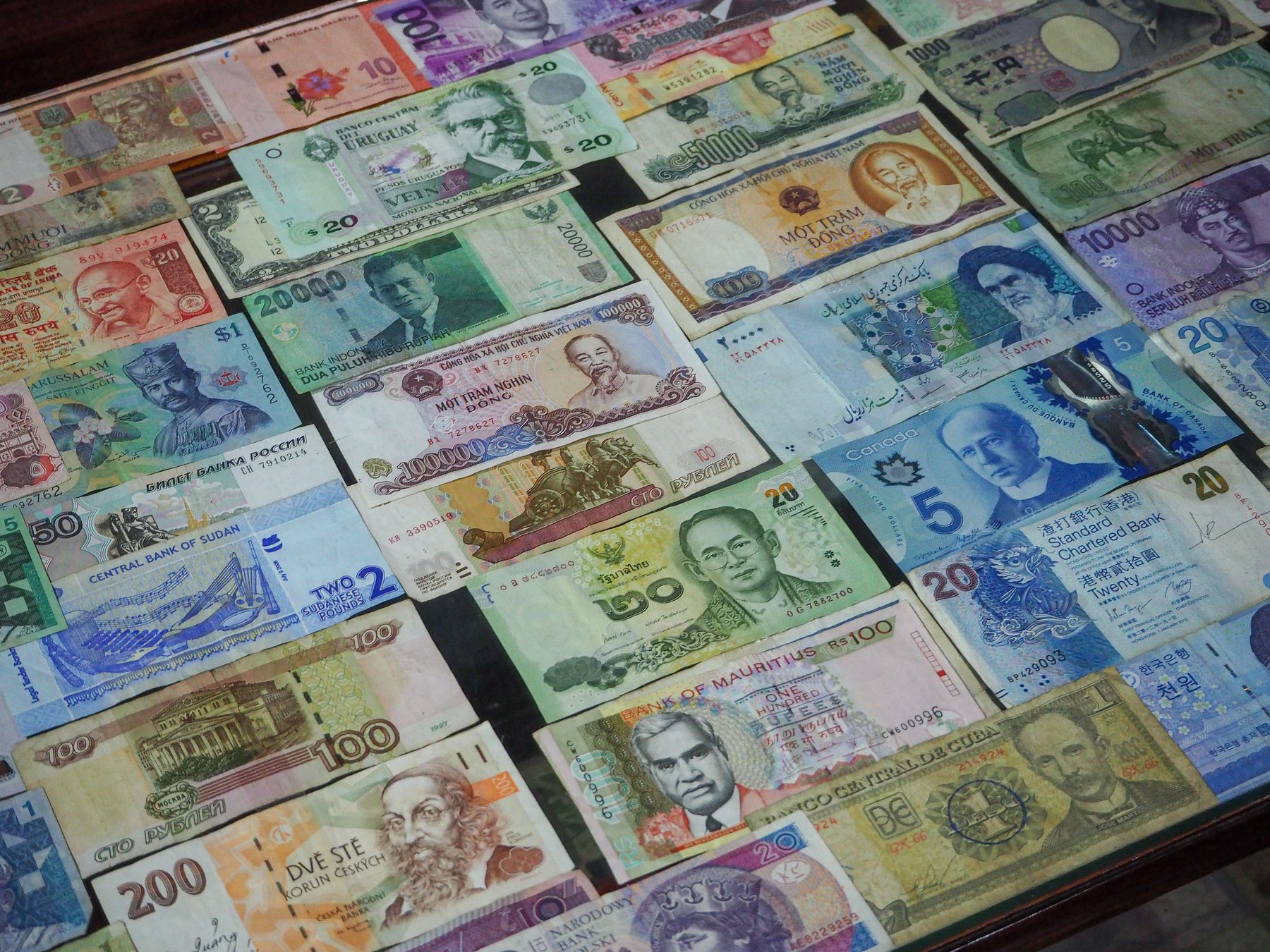
Use this fast screen before you spend a $2 bill. If you hit multiple “yes” answers, it may be worth a closer look.
| Check | What to look for | Why it can matter | What to do next |
|---|---|---|---|
| Series year | Older series (especially pre-1976) | Older notes can be scarcer, especially in high grade | Search the series and seal type, then compare sold listings |
| Condition | Crisp, no folds, no stains, sharp corners | Grade heavily affects collector value | Store flat in a sleeve and avoid handling |
| Serial number | Low numbers, repeaters, radars, solids | Fancy serials can bring premiums | Photograph clearly and research “fancy serial number” types |
| Star note | A star at the end of the serial number | Replacement notes can be scarcer depending on print run | Check star note databases and compare recent sales |
| Errors | Misprints, off-center, ink smears, mismatched serials | True errors can be valuable, but many “oddities” are damage | Get an in-person opinion from a reputable dealer |
How to identify your $2 bill in 5 minutes
You can learn a lot with a careful look and a phone camera. Work through these steps in order.
1) Find the series year and type
Look for the “Series” date on the front of the bill. Many people find 1976 notes because that was the first modern reintroduction of the $2 Federal Reserve Note design. Older $2 notes exist, including United States Notes (with a red seal) and earlier designs, but they are less common to stumble upon.
2) Check the seal color and issuing bank
- Green seal: Federal Reserve Note (modern standard).
- Red seal: United States Note (older type). These can attract more collector interest, especially in strong condition.
Federal Reserve Notes also show a letter and the name of a Federal Reserve Bank. This usually does not make a bill rare by itself, but it is part of identification.
3) Evaluate condition honestly
Condition is a big driver of value. A bill that has been folded, carried, or written on is typically worth face value to most collectors unless it has another standout feature (like a major error or a fancy serial).
Quick self-check:
- Are there folds across the center?
- Are corners rounded or sharp?
- Any stains, tears, tape, or writing?
- Does it feel crisp or soft?
4) Look for “fancy” serial numbers
Collectors may pay premiums for certain patterns, especially in high grade. Examples include:
- Low serial: like 00000025
- Radar: reads the same forward and backward, like 12344321
- Repeater: like 45454545
- Solid: like 77777777
- Ladder: like 12345678
5) Check for a star note
If the serial number ends with a star, it is a replacement note. Some star notes are common and some are scarcer depending on the print run. Scarcity and condition both matter, so a star alone does not guarantee a premium.
Are 1976 $2 bills rare?
Many people assume 1976 $2 bills are rare because they were tied to the Bicentennial theme on the reverse. In reality, large quantities were printed and many were saved as keepsakes. As a result, a typical circulated 1976 $2 bill is often worth face value. Higher value tends to come from:
- Uncirculated condition
- Star notes with smaller print runs
- Fancy serial numbers
- Genuine printing errors
If you have a 1976 note, treat it as potentially collectible only after you check condition and serial features.
Where to research value without getting misled
Online listings can be confusing because asking prices are not the same as sold prices. A realistic approach is to triangulate value using multiple sources and focus on completed sales for similar condition.
Decision rules for pricing research
- Use sold listings, not active listings.
- Match the series, seal type, star status, and condition as closely as possible.
- If your bill is circulated, compare it to circulated examples, not graded “gem” notes.
- If you suspect an error, compare to verified error notes and consider an in-person evaluation.
Safe ways to sell or trade a $2 bill
If your bill looks promising, you have several ways to sell. Each has tradeoffs in fees, speed, and risk.
| Option | Best fit | What to compare | Main drawback |
|---|---|---|---|
| Local coin shop (dealer) | Quick sale, in-person evaluation | Offer vs. estimated retail, dealer reputation | Dealer needs margin, so offers may be lower than retail |
| eBay | Broad buyer pool for fancy serials and star notes | Fees, shipping/insurance, sold comps | Scams, returns, and time spent listing |
| Heritage Auctions | Higher-end notes, graded currency | Seller fees, minimum consignment, timing | Not ideal for low-value notes |
| Stack’s Bowers | Collectible currency with strong provenance or grade | Consignment terms, buyer premium impact | Longer timeline and not for everyday notes |
| Facebook Marketplace or Craigslist | Local cash sale for low-stakes items | Meeting safety, price comps, payment method | Higher personal safety and counterfeit risk |
| Coin shows | Multiple offers in one day | Dealer bids, show rules, authentication options | Travel time and pressure to sell quickly |
How to avoid common selling problems
- Do not clean or “improve” the bill. Cleaning can reduce collector value.
- Use protective storage. A currency sleeve helps prevent corner and surface damage.
- Photograph clearly. Front and back, plus close-ups of serial number and any suspected error.
- Be cautious with payment methods. For online sales, follow platform rules and document shipping with tracking and insurance when appropriate.
What to do if you think you found a counterfeit or altered note
Counterfeit $2 bills are less common than counterfeit $100s, but they can exist. Altered notes also happen, such as fake “errors” created after printing. If something seems off:
- Compare it to a known genuine bill of similar type.
- Ask a bank to examine it, or consult a reputable coin and currency dealer.
- Learn basic U.S. currency security features from the U.S. government resources and consumer protection agencies.
Helpful references:
- FTC consumer guidance for avoiding scams and fraud tactics.
- CFPB resources for handling disputes and financial fraud concerns.
Real-number scenarios: keep it, sell it, or use it
A $2 bill is small money for most budgets, but collections can add up. Here are realistic scenarios that show what decisions look like with real numbers.
Scenario 1: You found 1 bill in a drawer
- You have: 1 circulated $2 bill.
- Likely outcome: Often face value unless it has a standout serial, star, or error.
- Practical move: If it is ordinary, you can spend it or keep it as a novelty. If it has a fancy serial, store it and research sold listings.
Scenario 2: You have a stack from a gift or bank withdrawal
Say you have $100 in $2 bills (50 notes). Your options depend on whether you are collecting or just holding cash.
- Option A: Spend them gradually for fun, keep the cash flow simple.
- Option B: Sort for features first (star notes, fancy serials), then deposit or spend the rest.
- Option C: If you want to keep cash accessible, consider depositing and moving funds to an FDIC-insured account.
To learn how deposit insurance works and what is covered, see the FDIC.
Scenario 3: You inherited a small currency lot
Assume you inherited $400 face value in $2 bills plus a few older notes. A simple sorting plan:
- Separate by seal color (green vs. red).
- Separate by series year.
- Pull out star notes and fancy serials.
- Set aside the best condition notes for potential grading or auction.
- For the rest, decide whether to keep, sell locally, or deposit.
Money allocation examples if you sell a valuable note
If you do sell a note for more than face value, the next question is what to do with the cash. Below are three sample allocations that add up correctly. Adjust the numbers to your own priorities and timeline.
Allocation A: Small windfall, build a buffer (total $250)
- $150 to an emergency fund
- $50 to pay down a credit card balance
- $50 to a sinking fund for a near-term bill (car registration, school fees)
Allocation B: Medium windfall, reduce high-interest debt first (total $1,000)
- $700 toward highest APR credit card
- $200 to emergency fund
- $100 for a planned expense you would otherwise finance
Allocation C: Larger windfall, split by goals (total $5,000)
- $2,000 emergency fund (aiming for 3 to 12 months of expenses over time)
- $2,000 to pay down high-interest debt or build a payoff buffer
- $1,000 to short-term savings for a known goal within 12 months
Decision rules by timeline: when to keep cash vs. invest
If selling collectibles turns into a hobby or side income, you may periodically have extra cash. A simple timeline framework can help you decide where the money belongs.
| Time horizon | Primary goal | Commonly used places to hold money | Key risk to watch |
|---|---|---|---|
| Under 1 year | Stability and access | Checking, savings, money market deposit account (check current APY) | Spending it unintentionally, fees, low yield |
| 1 to 3 years | Preserve principal with some yield | High-yield savings, CDs (verify early withdrawal penalties) | Locking funds too long, inflation |
| 3 to 7 years | Balance growth and risk | Mix of savings and diversified investments depending on risk tolerance | Market swings if invested too aggressively |
| 7+ years | Long-term growth | Diversified long-term investing approach aligned to goals | Selling during downturns, poor diversification |
When grading might make sense and when it usually does not
Professional grading can help establish authenticity and condition for higher-value notes, especially for auction sales. But grading costs money and takes time, so it is usually not worth it for ordinary circulated $2 bills.
A practical rule of thumb
- Consider grading if the note appears high grade and you see consistent sold prices that are meaningfully higher than the grading and shipping costs.
- Skip grading if it is circulated and common, or if the only “value” evidence is high asking prices with few sold examples.
Recordkeeping and taxes if you sell collectibles
If you sell currency for a profit, keep basic records: what you sold, when you acquired it (if known), what you paid (if anything), and your selling fees and shipping costs. Tax treatment can vary based on your situation and whether it is a hobby or business activity, so it helps to keep clean documentation. For general tax information and recordkeeping guidance, see the IRS.
Bottom line: most $2 bills are spendable, some are collectible
Most $2 bills you find are not rare in the collector sense, even if they are uncommon in everyday use. The bills most likely to be worth extra are those with strong condition, star status with scarcer runs, fancy serial numbers, older types like red seals, or verified printing errors. Use the checklists and tables above to screen your note, research sold prices carefully, and choose a selling method that fits your risk tolerance and timeline.
If you are also organizing your broader finances while you sort through cash, it can help to check your credit reports regularly through AnnualCreditReport.com, especially before applying for any credit or refinancing.


