

Dollar Scholar Money Tips Traveling Abroad

Dollar Scholar money tips traveling abroad start with a simple goal: keep more of your money by reducing avoidable fees, planning for surprises, and using the right mix of cards and cash.
Contents
34 sections
-
Set your travel budget in your home currency first
-
A simple budget formula
-
Example: 10-day trip with real numbers
-
Dollar Scholar money tips traveling abroad for banking and cards
-
Use the right card for the right job
-
Foreign transaction fees: what to look for
-
Decision rule: credit vs debit abroad
-
Compare travel money options (named examples)
-
Quick checklist before choosing an option
-
Know the hidden costs: exchange rates, DCC, and ATM traps
-
Avoid dynamic currency conversion (DCC)
-
ATM fees can stack
-
Use this ATM decision rule
-
Build a "travel money stack" (3 sample allocations)
-
Allocation A: $1,500 budget for a 7-day city trip (card-friendly)
-
Allocation B: $3,000 budget for a 14-day mixed trip (some cash-heavy areas)
-
Allocation C: $6,000 budget for a 21-day family trip (higher buffer)
-
Where to physically keep it
-
Timeline decision rules: how far ahead to prep your money
-
Under 1 year (most trips)
-
1 to 3 years (big trip planning)
-
3 to 7 years (long runway goals)
-
7+ years (dream travel as part of a bigger plan)
-
Borrowing for travel: when it might help and what to watch
-
Common ways people finance travel
-
Decision rule: if you borrow, match the payoff to the trip
-
Protect your accounts from fraud and travel disruptions
-
Before you leave
-
If something goes wrong
-
Travel insurance and medical costs: plan for the expensive surprises
-
Smart cash handling: how much to exchange and when
-
Cash planning example
-
Cost and risk checklist you can use on every trip
-
Putting it all together: a simple travel money plan
Travel costs can rise fast because of exchange rates, foreign transaction fees, ATM charges, and last minute changes. The best approach is to build a travel money system before you leave, then follow a few rules while you are on the road.
Set your travel budget in your home currency first
Start with a total trip budget in your home currency, then convert to a daily target. This helps you decide what you can afford before exchange rates and local pricing confuse the picture.
A simple budget formula
- Fixed costs: flights, lodging, travel insurance, visas, rail passes.
- Daily variable costs: food, local transit, activities, tips.
- Buffer: 10% to 20% for surprises like medical visits, rebooking, or lost items.
Example: 10-day trip with real numbers
- Flights: $650
- Lodging: $1,200
- Transit and activities: $500
- Food: $450
- Buffer (15% of $2,800): $420
Total trip budget: $3,220. Your daily target for variable spending (food + transit + activities) is $95 per day ($950 divided by 10), while fixed costs are already handled.
Dollar Scholar money tips traveling abroad for banking and cards
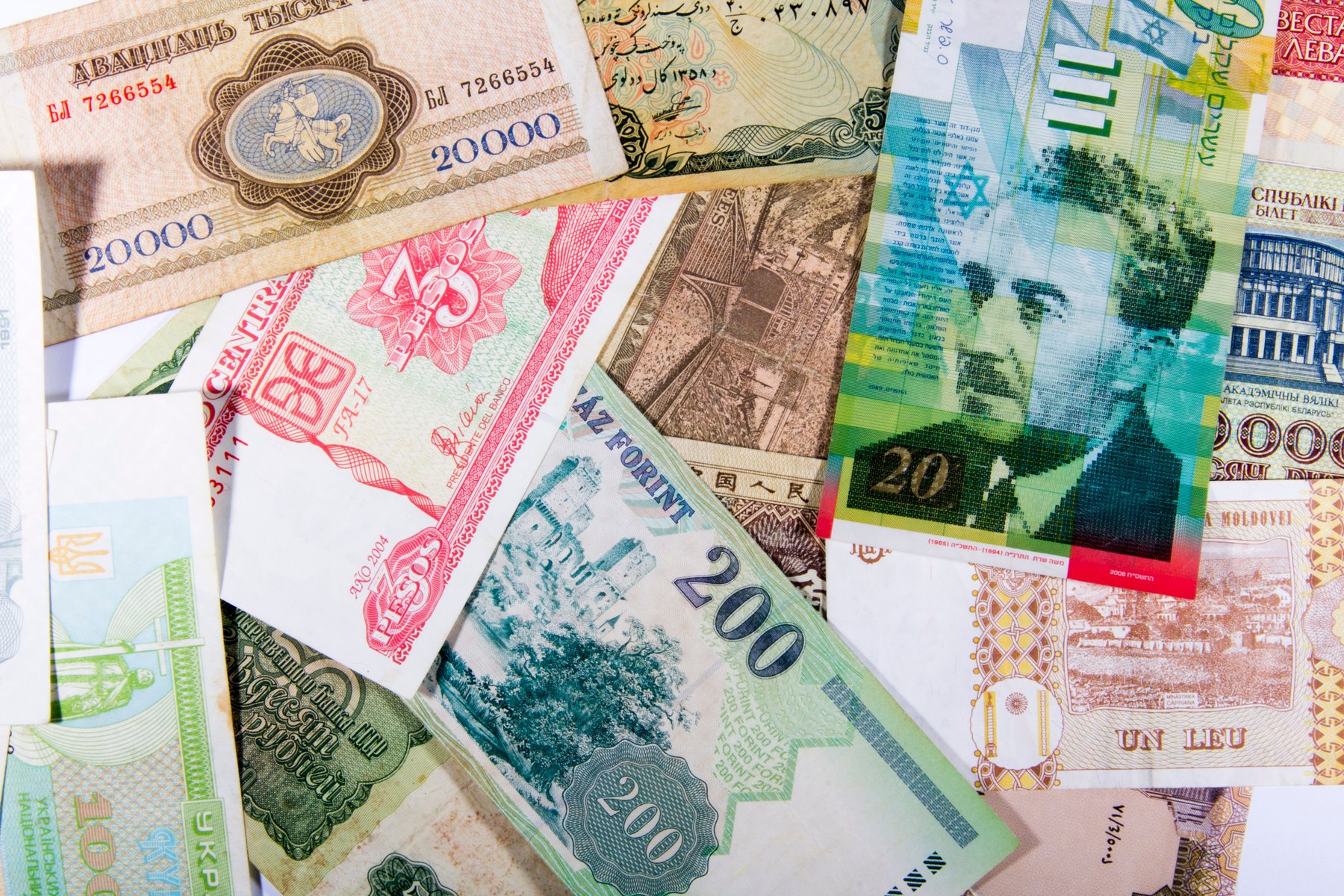
Your payment setup matters as much as your budget. A few small choices can reduce fees and lower the risk of being stranded without access to funds.
Use the right card for the right job
- Credit card: Often best for hotels, car rentals, and larger purchases because of stronger dispute rights and less need to carry cash.
- Debit card: Best for ATM withdrawals, ideally from a checking account that refunds ATM fees or charges low fees.
- Cash: Useful for tips, small vendors, and places that do not take cards.
Foreign transaction fees: what to look for
Many cards charge a foreign transaction fee (commonly around 1% to 3%) on purchases processed outside your home country. Some cards waive it. Before you travel, check:
- Your credit card terms for foreign transaction fees.
- Your debit card and bank policy for international ATM fees.
- Whether your bank adds a currency conversion markup.
Decision rule: credit vs debit abroad
- If a merchant accepts cards and you can pay in the local currency, use a credit card with no foreign transaction fee if you have one.
- Use debit mainly for planned ATM withdrawals, not for frequent small purchases that could trigger extra fees.
- Avoid using a credit card for cash advances unless it is an emergency. Cash advances can start interest immediately and may include extra fees.
Compare travel money options (named examples)
No single bank or card is best for everyone. Use the table below as a starting point and compare eligibility, fees, ATM access, and how you prefer to manage money.
| Option | Best fit | What to compare | Main drawback |
|---|---|---|---|
| Charles Schwab Bank High Yield Investor Checking | Frequent travelers who use ATMs | ATM fee reimbursements, FX rate used, account requirements | May require opening a linked brokerage account |
| Capital One credit cards (no foreign transaction fee on many cards) | Card-first travelers | Foreign transaction fee policy, rewards value, travel protections | Approval depends on credit and product eligibility |
| Chase credit cards (many travel cards waive foreign transaction fees) | Travel rewards users | Annual fee, points value, insurance benefits, fee policies | Some cards have annual fees and stricter approvals |
| Wise (multi-currency account and debit card) | People managing multiple currencies | Conversion fees, supported currencies, card availability | Not a full replacement for every banking need |
| Revolut (app-based multi-currency account) | App-based budgeting and currency exchange | Plan fees, exchange limits, weekend markups, ATM limits | Fees and limits vary by plan and location |
| PayPal | Online purchases and certain bookings | Currency conversion rate, merchant acceptance, dispute process | Conversion can be costly if you accept PayPal’s rate |
Quick checklist before choosing an option
- Foreign transaction fees on purchases: yes or no?
- ATM fees: your bank fee, ATM operator fee, and whether reimbursements apply.
- Exchange rate handling: does it use network rates (Visa/Mastercard) or add a markup?
- Customer support: 24/7 access and how to replace a lost card abroad.
- Security controls: app-based card lock, travel notices, transaction alerts.
Know the hidden costs: exchange rates, DCC, and ATM traps
Avoid dynamic currency conversion (DCC)
Some terminals ask if you want to pay in your home currency. This is dynamic currency conversion, and it often comes with a worse exchange rate. A practical rule: choose the local currency when paying by card.
ATM fees can stack
International ATM withdrawals can include:
- A fee from your bank.
- A fee from the ATM operator.
- A currency conversion markup.
To reduce fees, withdraw larger amounts less often, but balance that with the risk of carrying too much cash.
Use this ATM decision rule
- If you will need cash for the next 3 to 5 days, withdraw once instead of daily.
- Prefer bank-affiliated ATMs in well-lit, secure locations.
- Decline conversion offers at the ATM and proceed in local currency when possible.
Build a “travel money stack” (3 sample allocations)
A travel money stack is how you split your trip funds across payment methods so one problem does not ruin the trip. Below are three sample allocations that add up correctly. Adjust based on destination, safety, and how card-friendly the country is.
Allocation A: $1,500 budget for a 7-day city trip (card-friendly)
- Credit card spending plan: $1,050
- Debit card cash withdrawals (planned): $350
- Emergency cash (kept separate): $100
Total: $1,500
Allocation B: $3,000 budget for a 14-day mixed trip (some cash-heavy areas)
- Credit card spending plan: $1,800
- Debit card cash withdrawals (planned): $900
- Emergency cash: $300
Total: $3,000
Allocation C: $6,000 budget for a 21-day family trip (higher buffer)
- Credit card spending plan: $3,600
- Debit card cash withdrawals (planned): $1,800
- Emergency cash: $600
Total: $6,000
Where to physically keep it
- Carry one card and some cash on you.
- Keep a backup card and some emergency cash separate (hotel safe or hidden compartment).
- Store card issuer phone numbers offline in case your phone is lost.
Timeline decision rules: how far ahead to prep your money
Travel planning has a timeline. Use these rules to decide what to do when.
Under 1 year (most trips)
- Keep trip funds in an FDIC-insured savings account or checking account where you can access cash quickly.
- If you are considering a new credit card for travel, compare fees, foreign transaction fees, and benefits early enough to receive the card and test it.
- Set up alerts for transactions and low balances.
1 to 3 years (big trip planning)
- Automate monthly savings into a high-yield savings account and track progress.
- Consider separating travel savings from your main emergency fund so you do not accidentally spend it.
3 to 7 years (long runway goals)
- Prioritize building a stable emergency fund first (often 3 to 6 months of expenses, depending on income stability).
- If you invest for long-term goals, keep travel money that you will need within a few years in safer, more liquid accounts rather than volatile investments.
7+ years (dream travel as part of a bigger plan)
- Align travel goals with retirement and other priorities. A dedicated “travel sinking fund” can help you save without disrupting long-term investing.
- Review credit health annually so you have more options later for cards and financing if needed.
Borrowing for travel: when it might help and what to watch
Paying for travel with debt can be expensive, but some people consider borrowing to spread costs. If you are thinking about it, focus on total cost and repayment speed.
Common ways people finance travel
- Credit card: convenient, but interest can be high if you carry a balance.
- 0% intro APR credit card: can reduce interest for a limited period if you qualify and pay on time, but balance transfer fees or deferred interest are possible depending on the product.
- Personal loan: fixed payments and term, but APR depends on credit, income, and lender policies.
- Buy now, pay later (BNPL): may be offered for flights or bookings, but late fees and payment schedules can create stress.
| Financing method | Best for | What to compare | Key risk |
|---|---|---|---|
| Paying in full (cash flow) | Most travelers | Opportunity cost, keeping emergency fund intact | Overdrawing savings if you under-budget |
| Credit card balance paid monthly | Rewards and protections | Foreign transaction fees, rewards, travel protections | Interest if you carry a balance |
| 0% intro APR card (if eligible) | Short payoff plans | Intro period length, fees, post-intro APR | High APR after promo if not paid off |
| Personal loan | Fixed repayment preference | APR, origination fee, term, total interest | Longer payoff can increase total cost |
| BNPL | Small, short-term splits | Late fees, autopay rules, refund handling | Missed payments and stacking plans |
Decision rule: if you borrow, match the payoff to the trip
- If you cannot reasonably pay it off within a few months, consider scaling back the trip or extending your saving timeline.
- Compare the total repayment amount, not just the monthly payment.
- Keep room in your budget for normal bills after you return.
Protect your accounts from fraud and travel disruptions
Travel increases the odds of card holds, fraud flags, and lost wallets. A few steps can reduce stress.
Before you leave
- Turn on transaction alerts for every card you plan to use.
- Confirm your bank has your current phone number and email.
- Set a travel notice if your issuer still uses them (some monitor automatically).
- Save issuer phone numbers outside your phone contacts (written or stored offline).
- Check your credit reports for errors that could affect new credit applications. You can get free reports at AnnualCreditReport.com.
If something goes wrong
- Lock the card in the issuer app if available, then call to report it.
- Review recent transactions and dispute unauthorized charges promptly.
- For identity theft recovery steps, use the FTC’s guidance at consumer.ftc.gov.
Travel insurance and medical costs: plan for the expensive surprises
Medical care abroad can be unpredictable in cost, and your domestic health insurance may not cover you outside your country. If you are considering travel insurance, compare what is covered, exclusions, deductibles, and how claims work.
- Trip cancellation/interruption: helps if you must cancel for covered reasons.
- Medical and evacuation: can matter most for international trips.
- Rental car coverage: may overlap with your credit card benefits or personal auto policy.
For general consumer guidance on financial products and dispute rights, the CFPB is a useful resource: consumerfinance.gov.
Smart cash handling: how much to exchange and when
Exchanging too much cash at the airport can be costly, but arriving with zero local currency can be inconvenient. A balanced approach:
- Bring a small amount of local currency for arrival needs (transit, tips, small food purchases).
- Use an ATM for the rest, in larger withdrawals.
- Avoid exchanging cash at high-fee kiosks unless it is your only option.
Cash planning example
If you expect to spend about $40 per day in cash for 10 days, that is $400 total. You might:
- Arrive with the equivalent of $60 to $100 in local currency.
- Withdraw the equivalent of $150 to $200 twice during the trip.
Cost and risk checklist you can use on every trip
| Item | What to do | Why it matters |
|---|---|---|
| Foreign transaction fees | Confirm which cards charge them and plan to use low-fee options | Reduces silent percentage costs on every purchase |
| DCC prompts | Always choose local currency at checkout | Avoids poor exchange rates |
| ATM strategy | Use bank ATMs, withdraw less often, decline conversion | Limits stacked fees and conversion markups |
| Backup access | Carry a second card stored separately | Prevents being stranded if a card is lost or blocked |
| Account alerts | Enable real-time notifications | Catches fraud quickly |
| Emergency buffer | Add 10% to 20% to your budget | Helps absorb disruptions without high-cost borrowing |
Putting it all together: a simple travel money plan
- Two weeks before: confirm fees, set alerts, check card expiration dates, and plan your cash needs.
- One week before: move trip money into the account you will use, and test your cards and PINs.
- Travel day: carry one card and some cash, store backups separately, and keep issuer numbers accessible.
- During the trip: pay in local currency, withdraw cash strategically, and review transactions every few days.
- After you return: reconcile spending vs budget, pay down any balances quickly, and save notes for next time.
If you want to double-check whether your deposits are protected while you travel, you can review FDIC coverage basics at fdic.gov.

