

Down Payments Record High: What Redfin’s Data Could Mean for Homebuyers

Down Payments Record High Redfin is a headline that can feel discouraging if you are trying to buy a home, but it can also be a useful signal to plan your cash, loan strategy, and timeline more deliberately.
Contents
28 sections
-
What "record high down payments" usually means in practice
-
Down Payments Record High Redfin: what to do as a buyer
-
Step 1: Separate "cash to close" from "cash to stay safe"
-
Step 2: Decide what you are optimizing for
-
Step 3: Run a "payment stress test"
-
How much down payment do you really need? Common ranges
-
Real number scenarios: what "record high" could look like for you
-
Scenario A: $450,000 home, buyer has $60,000 saved
-
Scenario B: $350,000 home, buyer has $35,000 saved
-
Scenario C: $600,000 home, buyer has $180,000 saved
-
When a bigger down payment helps, and when it can hurt
-
Timeline decision rules: under 1 year, 1 to 3 years, 3 to 7 years, 7+ years
-
Under 1 year
-
1 to 3 years
-
3 to 7 years
-
7+ years
-
How to compare mortgage offers when down payments are rising
-
Mortgage offer comparison checklist
-
Ways buyers try to cope with higher down payments
-
1) Down payment assistance programs
-
2) Gifts from family
-
3) Seller concessions
-
4) Buying down the rate versus putting more down
-
5) Adjusting the target home price
-
Documents and prep: what lenders commonly ask for
-
Red flags to avoid when trying to "catch up" to higher down payments
-
A simple decision matrix: choose a down payment range
-
Bottom line: use the headline as a planning tool
When down payments rise, it usually reflects a mix of higher home prices, higher mortgage rates, tougher affordability, and buyers using larger cash buffers to compete. The practical question is not whether you can match the “typical” down payment in a report. It is whether your down payment choice supports a payment you can handle, keeps you financially stable after closing, and fits your time horizon.
What “record high down payments” usually means in practice
Down payment statistics are typically reported as either a dollar amount, a percentage of the purchase price, or both. A “record high” can happen even if buyers are not choosing a higher percentage, simply because prices are higher. It can also happen because some buyers are putting more down to reduce monthly payments when rates are elevated.
Common forces that push down payments higher include:
- Higher home prices – the same percentage requires more cash.
- Higher mortgage rates – buyers may put more down to lower the loan amount and payment.
- More equity from prior homes – repeat buyers can roll proceeds into the next purchase.
- Competition – larger down payments can make offers look stronger, even when financing is still used.
- Credit tightening – some borrowers may need more down to qualify or to get better pricing.
None of these automatically mean you should drain savings to “keep up.” A larger down payment can reduce interest costs and payment size, but it can also leave you house rich and cash poor.
Down Payments Record High Redfin: what to do as a buyer
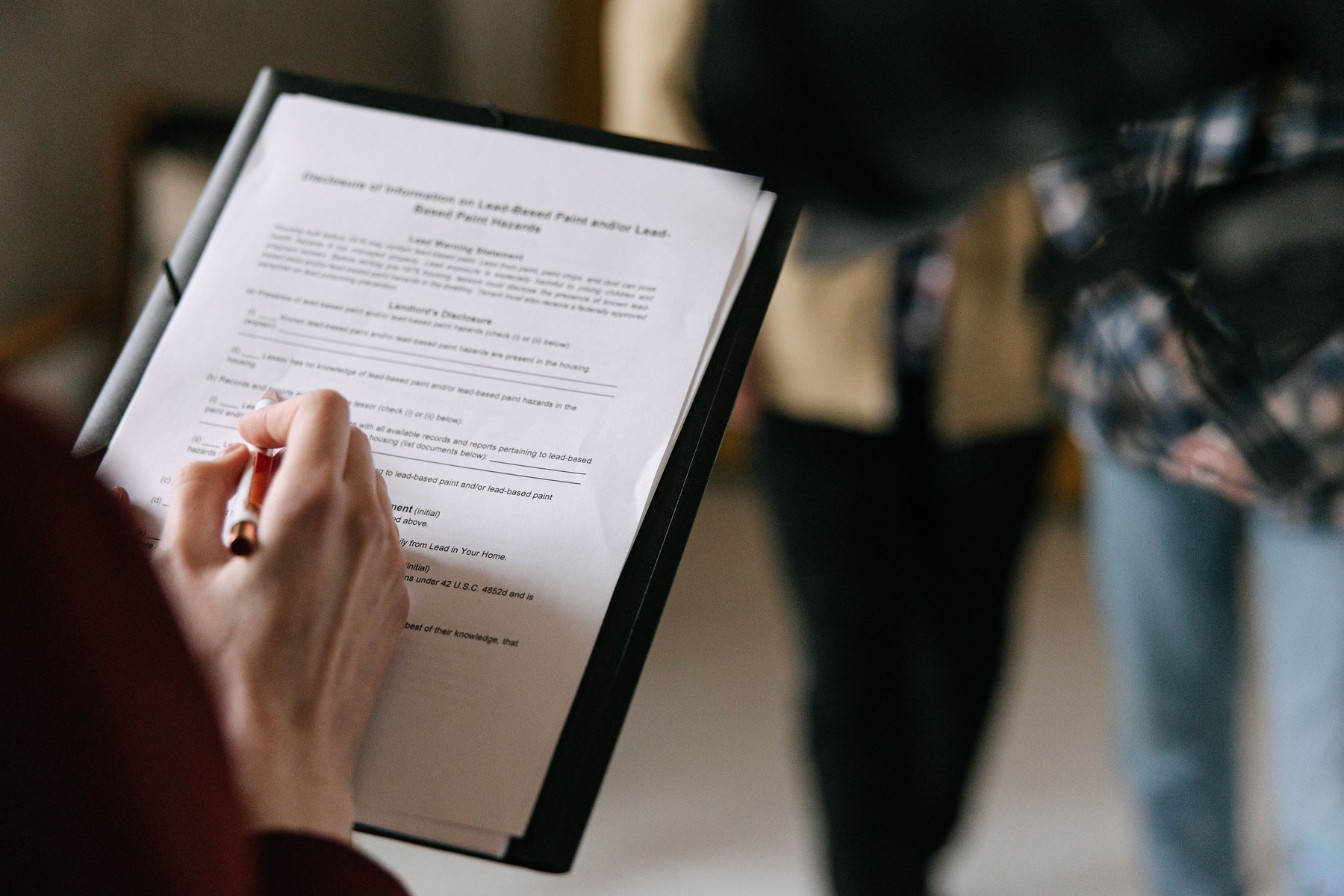
If you are seeing Down Payments Record High Redfin in the news, use it as a checklist prompt. Your goal is to choose a down payment that balances affordability, risk, and opportunity cost.
Step 1: Separate “cash to close” from “cash to stay safe”
Many buyers focus on the down payment and forget the rest of the cash needs. A safer plan treats your savings as two buckets:
- Cash to close: down payment, closing costs, prepaid items (taxes, insurance), moving, and immediate repairs.
- Cash to stay safe: emergency fund, job transition buffer, and a home maintenance reserve.
A common rule of thumb is 3 to 12 months of essential expenses in an emergency fund, depending on income stability and household needs. Homeowners also often plan for ongoing maintenance, which can be lumpy in the first year.
Step 2: Decide what you are optimizing for
Down payment decisions are easier when you pick a primary objective:
- Lowest monthly payment: consider a larger down payment, but keep reserves.
- Lowest cash outlay today: consider low down payment programs, but budget for mortgage insurance and a higher payment.
- Fastest path to owning: a smaller down payment may get you in sooner, but only if the payment is sustainable.
- Flexibility: keep more cash liquid, especially if your job or location may change.
Step 3: Run a “payment stress test”
Before choosing a down payment, test your budget against realistic scenarios:
- Mortgage payment at today’s rate quote (principal and interest).
- Property taxes and homeowners insurance.
- HOA dues if applicable.
- Utilities and commuting changes.
- A repair reserve line item.
If the payment only works when everything goes perfectly, a higher down payment might help, or the purchase price may need to come down.
How much down payment do you really need? Common ranges
Many buyers hear “20% down” as a universal rule. In reality, minimum down payments vary by loan type, credit profile, property type, and occupancy. Here are common ranges you may see:
| Loan type | Typical minimum down payment | Best fit | Key tradeoff to watch |
|---|---|---|---|
| Conventional (conforming) | Often 3% to 5% for eligible first time buyers | Borrowers with solid credit and stable income | Private mortgage insurance (PMI) may apply under 20% |
| FHA | Often 3.5% with qualifying credit | Buyers with lower down payment and moderate credit | Mortgage insurance costs can be significant |
| VA | Often 0% for eligible borrowers | Qualified veterans, service members, some spouses | Funding fee may apply, and eligibility rules matter |
| USDA | Often 0% for eligible rural areas and income limits | Buyers in eligible locations meeting program rules | Upfront and annual fees may apply |
| Jumbo | Often 10% to 20%+ | Higher price homes above conforming limits | Stricter underwriting and larger reserves may be required |
Minimums are not guarantees. Lenders can have overlays, and your rate and costs can change with down payment size, credit score, and debt to income ratio. Ask for multiple scenarios in writing so you can compare total monthly payment and total cash to close.
Real number scenarios: what “record high” could look like for you
Below are three sample allocations to show how buyers might divide savings between down payment, closing costs, and reserves. These are examples, not targets. Your numbers will depend on local taxes, insurance, HOA, and lender fees.
Scenario A: $450,000 home, buyer has $60,000 saved
- Down payment: $31,500 (7%)
- Estimated closing costs and prepaids: $13,500 (varies widely by area and loan)
- Emergency fund after closing: $12,000
- Moving and initial repairs: $3,000
Total: $31,500 + $13,500 + $12,000 + $3,000 = $60,000
Decision rule: If keeping a 3 to 6 month emergency fund is hard at 10% down, consider 5% to 8% down and focus on a payment you can handle.
Scenario B: $350,000 home, buyer has $35,000 saved
- Down payment: $12,250 (3.5%)
- Estimated closing costs and prepaids: $12,000
- Emergency fund after closing: $9,000
- Moving and initial repairs: $1,750
Total: $12,250 + $12,000 + $9,000 + $1,750 = $35,000
Decision rule: If your cash is tight, ask your lender what costs can be covered by seller concessions (when allowed) and compare the APR and payment impact.
Scenario C: $600,000 home, buyer has $180,000 saved
- Down payment: $120,000 (20%)
- Estimated closing costs and prepaids: $18,000
- Emergency fund after closing: $36,000
- Moving and initial repairs: $6,000
Total: $120,000 + $18,000 + $36,000 + $6,000 = $180,000
Decision rule: If you can put 20% down and still keep 6 to 12 months of reserves, you may have more flexibility to shop lenders and negotiate closing timelines.
When a bigger down payment helps, and when it can hurt
| Choice | Potential upside | Potential downside | Good sign it fits |
|---|---|---|---|
| Higher down payment (15% to 25%+) | Lower monthly payment, lower interest paid over time, may avoid PMI | Less liquidity for emergencies, repairs, or job changes | You still have a strong emergency fund and repair buffer after closing |
| Moderate down payment (5% to 15%) | Balances payment reduction with keeping cash reserves | PMI likely until enough equity is reached | Payment is comfortable and you can handle a surprise expense |
| Low or zero down payment (0% to 5%) | Faster path to purchase, preserves cash | Higher payment, mortgage insurance or fees, less initial equity | Income is stable, debt is low, and you keep reserves |
Timeline decision rules: under 1 year, 1 to 3 years, 3 to 7 years, 7+ years
Down payment planning is partly a time horizon problem. The shorter your timeline, the more you may prioritize liquidity and certainty.
Under 1 year
- Focus on cash stability: down payment fund, closing costs, and reserves.
- Avoid taking new debt that could change your debt to income ratio.
- Keep your down payment savings in low risk places where principal is stable, such as an FDIC insured savings account or money market deposit account. Verify coverage limits and ownership categories at FDIC.gov.
1 to 3 years
- Build a larger buffer for price and rate changes.
- Improve credit to expand loan options and pricing. Check your credit reports at AnnualCreditReport.com.
- Consider whether paying down high interest debt improves your mortgage qualification more than increasing the down payment.
3 to 7 years
- Balance saving for a down payment with retirement contributions and other goals.
- Plan for life changes: children, job moves, caregiving, or a second income risk.
- Start comparing neighborhoods, taxes, and insurance costs early, since these can matter as much as the loan.
7+ years
- Think in terms of long run affordability and total cost of ownership, not just the down payment.
- Prioritize a sustainable payment and a home you can maintain.
- Consider how much flexibility you want to keep for future opportunities.
How to compare mortgage offers when down payments are rising
When rates and down payments are both in the news, it is easy to fixate on one number. A better approach is to compare offers using a consistent set of inputs.
Mortgage offer comparison checklist
- APR (not just the interest rate) to capture certain fees.
- Total monthly payment including PMI or mortgage insurance, taxes, and insurance estimates.
- Upfront costs: lender fees, points, third party fees, and prepaids.
- Rate lock terms: lock length, extension costs, and float down policy if offered.
- PMI details: monthly cost, how cancellation works, and what equity threshold applies.
- Prepayment penalty: many mortgages do not have one, but confirm.
If you are unsure how to read a Loan Estimate, the Consumer Financial Protection Bureau has clear explanations and tools at consumerfinance.gov.
Ways buyers try to cope with higher down payments
Some strategies can help, but each has tradeoffs. Consider these options and compare the total cost and risk.
1) Down payment assistance programs
State and local housing finance agencies, cities, and nonprofits may offer grants or second loans for eligible buyers. These programs often have income limits, purchase price limits, and homebuyer education requirements. Ask how the assistance affects your interest rate, monthly payment, and resale rules.
2) Gifts from family
Many loan programs allow gift funds, but lenders typically require documentation and a gift letter. Confirm the rules early so you do not create last minute underwriting issues.
3) Seller concessions
In some markets, sellers may contribute toward closing costs. This can reduce cash needed at closing, but it may be negotiated into the price. Your loan type may cap concessions, so verify limits with your lender.
4) Buying down the rate versus putting more down
Paying points to reduce the interest rate can lower the payment, similar to a bigger down payment. The best choice depends on how long you expect to keep the mortgage. Ask for a break even calculation and compare scenarios.
5) Adjusting the target home price
If the payment is tight, lowering the purchase price can help more than stretching for a bigger down payment. This is often the cleanest way to reduce risk.
Documents and prep: what lenders commonly ask for
Being organized can speed up underwriting and reduce surprises, especially if you are using gifts or assistance.
| Category | Examples | Why it matters |
|---|---|---|
| Income | Pay stubs, W-2s, tax returns (if self employed), offer letter | Verifies stable income and calculates debt to income ratio |
| Assets | Bank statements, retirement statements, proof of gift funds | Confirms down payment source and reserves |
| Debt and credit | Authorization for credit pull, explanations for recent inquiries | Impacts pricing and eligibility |
| Housing | Lease history, landlord contact, homeowners insurance quote | Supports payment history and final monthly cost estimate |
| Identity | ID, Social Security number, residency documentation if needed | Required for verification and compliance |
Red flags to avoid when trying to “catch up” to higher down payments
- Draining emergency savings to hit an arbitrary down payment percentage.
- Taking on new debt for furniture, renovations, or cars right before closing.
- Using unverified funds that cannot be documented, which can delay or derail underwriting.
- Ignoring total monthly cost by focusing only on the mortgage principal and interest.
- Overestimating future income or assuming refinancing will be available on a specific timeline.
If you run into suspicious ads or pressure tactics while shopping for housing or financing, the FTC’s consumer guidance can help you spot common scams at consumer.ftc.gov.
A simple decision matrix: choose a down payment range
Use this as a starting point for conversations with lenders and your own budget review.
| Your situation | Down payment range to explore | What to compare | Main drawback to plan for |
|---|---|---|---|
| Stable job, strong savings, want lowest payment | 15% to 25%+ | Payment difference vs keeping more cash, PMI avoided or reduced | Liquidity risk if repairs or income changes happen |
| First time buyer, moderate savings, want balance | 5% to 15% | PMI cost, APR, cash to close, reserves requirement | Higher monthly payment than 20% down |
| Eligible for VA or USDA, want to preserve cash | 0% to 5% | Program fees, total payment, property eligibility rules | Less initial equity and potentially higher fees |
| High debt payments, tight monthly budget | Consider smaller down plus debt payoff, or lower price | Debt to income impact, payment stress test results | May need more time to qualify comfortably |
Bottom line: use the headline as a planning tool
Down payment records can reflect market conditions more than personal necessity. The best down payment for you is the one that supports a manageable monthly payment, leaves enough cash for life and home surprises, and fits your timeline. Ask for multiple loan scenarios, compare APR and total monthly cost, and keep your reserves intact so homeownership is sustainable after the closing day.


