

End of Year Money to Do List

Your end of year money to do list is a simple way to close out the year with fewer surprises and a clearer plan for the next one.
Contents
26 sections
-
Start with a 30-minute money snapshot
-
Quick checklist
-
End of year money to do list: the 12 must-do moves
-
1) Check your credit reports for errors
-
2) Review your debt interest rates and pick a payoff priority
-
3) Decide if consolidating or refinancing is worth comparing
-
4) Build a realistic emergency fund target
-
5) Put your savings in the right place (and confirm FDIC coverage)
-
6) Run a subscription and recurring bill audit
-
7) Set up autopay and alerts to avoid late fees
-
8) Review your withholding and estimated taxes
-
9) Make a year-end donation plan you can sustain
-
10) Check insurance deductibles and coverage limits
-
11) Plan big purchases by timeline (so you borrow less)
-
12) Protect yourself from fraud and identity theft
-
What this looks like with real numbers: 3 sample end-of-year plans
-
Scenario A: $2,000 year-end cash boost with credit card debt
-
Scenario B: $5,000 year-end bonus with no revolving debt
-
Scenario C: $12,000 saved, planning a home down payment in 3 years
-
A simple decision matrix for next-year priorities
-
Optional: Compare common tools for budgeting and tracking
-
Two-week end-of-year schedule (so it actually gets done)
-
Weekend 1: Clean up and stabilize
-
Weekend 2: Plan next year
-
End-of-year documents to gather (and where to store them)
-
Wrap-up: your next best step
Think of this as a reset: you review what happened, fix what is off track, and set up systems that make next year easier. The best part is you do not need perfect budgeting skills. You just need a few focused checks and a couple of decisions.
Start with a 30-minute money snapshot
Before you change anything, capture where you are right now. This prevents guesswork and helps you prioritize.
Quick checklist
- Cash: total checking and savings balances.
- Debt: balances, interest rates, minimum payments, and due dates for credit cards, auto loans, student loans, personal loans, buy now pay later plans, and any medical bills.
- Credit: your credit score range (if you have it) and any recent changes.
- Income: take-home pay per month and any irregular income.
- Fixed bills: rent or mortgage, utilities, insurance, subscriptions, childcare, and commuting.
Decision rule: If you cannot list your debts with rates and due dates in one place, do that first. It is the foundation for every other step.
End of year money to do list: the 12 must-do moves
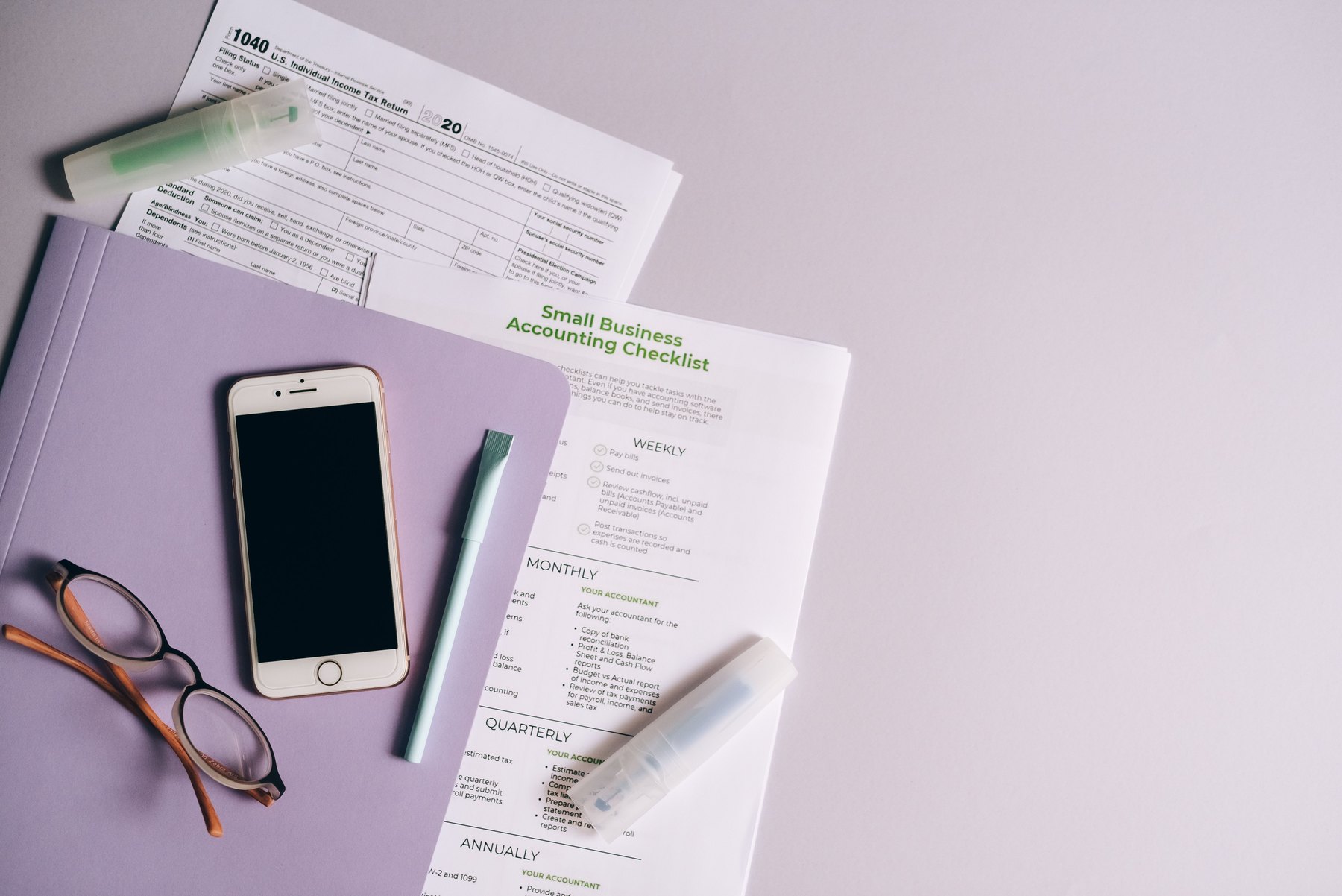
Use the sections below as a checklist. You do not have to do all 12 in one day. Many people spread them over two weekends.
1) Check your credit reports for errors
Errors can raise borrowing costs or cause loan applications to take longer. Look for wrong balances, accounts that are not yours, duplicate accounts, or incorrect late payments.
- Pull your reports at AnnualCreditReport.com.
- Dispute inaccuracies with the credit bureau and the company reporting the information.
- Save screenshots or PDFs for your records.
Decision rule: If you plan to apply for a mortgage, auto loan, or refinance in the next 3 to 6 months, check reports now so you have time to correct issues.
2) Review your debt interest rates and pick a payoff priority
End of year is a good time to choose a clear strategy for next year. Two common approaches:
- Avalanche: pay extra toward the highest APR first to reduce interest cost over time.
- Snowball: pay extra toward the smallest balance first to build momentum.
Either can work. The key is picking one and automating it.
| Debt type | Typical APR range (varies) | Priority clues | What to do this week |
|---|---|---|---|
| Credit cards | Often high | High APR, revolving balance | List each card APR and minimum. Choose a target card for extra payments. |
| Personal loans | Low to high | Fixed term, may have origination fees | Check payoff amount and whether extra payments reduce interest. |
| Auto loans | Low to moderate | Depreciating asset, fixed payment | Verify due date and whether biweekly payments help you stay ahead. |
| Student loans | Often moderate | Federal protections may apply | Confirm servicer, repayment plan, and whether autopay discount is available. |
3) Decide if consolidating or refinancing is worth comparing
Consolidation or refinancing can simplify payments or change your interest rate, but it can also extend your repayment timeline or add fees. Compare offers carefully.
What to compare: APR, total interest paid, fees, repayment term, monthly payment, and whether the loan is secured or unsecured.
Decision rule: If you can lower APR without extending the term too much and fees are reasonable, it may be worth exploring. If a lower payment comes mostly from a much longer term, you may pay more overall.
4) Build a realistic emergency fund target
A common guideline is 3 to 12 months of essential expenses, but your number depends on job stability, household size, and how predictable your income is.
- More stable income: consider 3 to 6 months.
- Variable income or single income household: consider 6 to 12 months.
Decision rule: If you carry high-interest credit card debt, you can still build a starter emergency fund (for example, one month of essentials) while focusing extra cash on high APR balances.
5) Put your savings in the right place (and confirm FDIC coverage)
For money you may need soon, prioritize safety and liquidity. Many people use a high-yield savings account or money market deposit account. Confirm whether your bank is insured and how coverage works.
- Learn how deposit insurance works at the FDIC.
- Check whether your account is a deposit account (FDIC insured at banks) versus an investment product.
6) Run a subscription and recurring bill audit
Recurring charges are easy to ignore. End of year is a natural time to cancel, downgrade, or negotiate.
- Export the last 2 to 3 months of transactions.
- Sort by merchant and highlight recurring charges.
- Cancel anything you did not use in the last 60 days.
Decision rule: If a subscription costs more than one hour of your take-home pay per month and you rarely use it, it is a strong candidate to cut.
7) Set up autopay and alerts to avoid late fees
Late payments can trigger fees and may hurt your credit if they become delinquent. Autopay for minimums plus reminders for statement dates can reduce mistakes.
- Autopay at least the minimum on every loan and credit card.
- Set calendar alerts for statement dates and due dates.
- Keep a small buffer in checking to prevent overdrafts.
8) Review your withholding and estimated taxes
If you owed a lot at tax time last year or got a very large refund, your withholding may be off. Adjusting can help smooth cash flow.
- Gather your most recent pay stub and last year’s tax return.
- If you are self-employed or have side income, review estimated tax payments.
- Use IRS tools and guidance at IRS.gov.
Decision rule: If you have a major life change (new job, marriage, divorce, new child, or big side income), revisit withholding sooner rather than later.
9) Make a year-end donation plan you can sustain
If you donate, set a number that fits your budget and choose organizations you have researched. Keep receipts and confirmation emails for your records.
Decision rule: If donating causes you to miss minimum debt payments or rent, reduce the amount and revisit after you stabilize cash flow.
10) Check insurance deductibles and coverage limits
Many plans reset at the new year. Review your auto, renters or homeowners, and health insurance choices during open enrollment if available.
- Confirm deductibles and out-of-pocket maximums.
- Compare premium changes and coverage changes.
- Update beneficiaries where applicable.
11) Plan big purchases by timeline (so you borrow less)
End of year is a good time to list next year’s big expenses: car repairs, travel, tuition, moving, appliances, or a home down payment. Match each goal to a time horizon and a savings approach.
| Time horizon | Primary goal | Common place to keep funds | Key rule |
|---|---|---|---|
| Under 1 year | Known bills, small emergency buffer | Checking or high-yield savings | Prioritize liquidity and stability over returns. |
| 1 to 3 years | Car replacement, moving, wedding | High-yield savings, CDs (check terms) | Avoid taking market risk with money you cannot delay using. |
| 3 to 7 years | Home down payment, career change fund | Mix of savings and conservative investments | Consider a blended approach if flexibility is high. |
| 7+ years | Retirement, long-term wealth building | Retirement accounts and diversified investments | Focus on consistent contributions and costs. |
12) Protect yourself from fraud and identity theft
Scammers often target people during the holidays and tax season. Tighten your accounts now.
- Turn on two-factor authentication for banking and email.
- Change weak passwords and use a password manager.
- Learn current scam patterns at consumer.ftc.gov.
- If you are dealing with debt collectors or credit issues, review resources at consumerfinance.gov.
What this looks like with real numbers: 3 sample end-of-year plans
Below are three sample allocations. They are not one-size-fits-all, but they show how to turn priorities into specific dollar moves. Adjust the categories to match your life.
Scenario A: $2,000 year-end cash boost with credit card debt
Profile: You have $4,500 on a credit card and a small emergency fund. You want to reduce interest costs but avoid going back into debt for surprises.
- $500 to starter emergency fund (aiming for one month of essential expenses over time)
- $1,300 extra payment toward highest APR credit card
- $200 to catch up on a past-due bill or build a checking buffer
Decision rule: If your emergency fund is $0, consider funding a small buffer first, then focus extra dollars on high APR debt.
Scenario B: $5,000 year-end bonus with no revolving debt
Profile: You pay credit cards in full, have stable income, and want to prepare for next year’s expenses.
- $2,000 to emergency fund (to move toward 3 to 6 months of essentials)
- $1,500 to a 12-month sinking fund (car repairs, travel, gifts)
- $1,000 to retirement contributions (if eligible and within limits)
- $500 to a specific goal (new laptop, certification, or moving fund)
Decision rule: If you expect a large purchase within 12 months, prioritize cash savings over taking on new debt.
Scenario C: $12,000 saved, planning a home down payment in 3 years
Profile: You want to keep momentum without risking money you may need for a down payment.
- $4,000 emergency fund (keep in high-yield savings)
- $6,000 down payment fund (high-yield savings or CDs, depending on flexibility and terms)
- $2,000 long-term investing bucket (only if you can delay the home purchase if markets drop)
Decision rule: If your home timeline is firm, keep most of the down payment in stable, liquid accounts. If your timeline is flexible, a small portion may be invested, but only if you can tolerate volatility.
A simple decision matrix for next-year priorities
If you are not sure what to tackle first, use this matrix. Start at the top and work down.
| If this is true… | Do this next | Why it matters | Common mistake to avoid |
|---|---|---|---|
| You miss due dates or get late fees | Set autopay for minimums and alerts | Late fees and credit damage can be costly | Autopaying without keeping a checking buffer |
| You have high APR credit card balances | Pick avalanche or snowball and automate extra payments | High APR debt can grow quickly | Spreading extra payments across many debts with no plan |
| You have $0 emergency fund | Build a starter buffer, then attack high APR debt | Prevents new debt from surprises | Trying to save too much too fast and giving up |
| You expect a big expense within 12 months | Create a sinking fund with a monthly target | Reduces need for last-minute borrowing | Relying on credit cards as the plan |
| You plan to borrow soon (car, home, refinance) | Check credit reports and reduce utilization | Credit profile can affect APR and options | Opening new accounts right before applying |
Optional: Compare common tools for budgeting and tracking
You do not need a specific app, but the right tool can make your plan stick. Here are recognizable options to compare based on features and cost. Verify current pricing and availability.
| Option | Best fit | What to compare | Main drawback |
|---|---|---|---|
| YNAB (You Need A Budget) | Hands-on budgeters who want a clear plan for every dollar | Method, learning curve, subscription cost | Can feel intense if you want a lighter approach |
| Rocket Money | People focused on subscriptions and bill negotiation tools | Cancellation features, fees, premium tier details | Some features require paid plan |
| Empower Personal Dashboard | Net worth tracking and investment overview | Account linking, reporting, optional advisory services | Budgeting features may be less detailed than dedicated apps |
| Monarch Money | Households that want shared budgeting and modern UI | Collaboration, categories, subscription cost | Paid subscription |
| EveryDollar | Simple monthly budgeting, zero-based style | Free vs paid features, bank sync options | Some automation requires paid version |
Two-week end-of-year schedule (so it actually gets done)
Weekend 1: Clean up and stabilize
- Pull credit reports and flag errors.
- List all debts with APR, balance, due date.
- Set autopay for minimums and add alerts.
- Cancel or downgrade 2 to 5 recurring charges.
Weekend 2: Plan next year
- Set emergency fund target and choose where it will live.
- Create 1 to 3 sinking funds for known expenses.
- Review withholding and estimated taxes if needed.
- Pick one debt payoff strategy and automate extra payments.
End-of-year documents to gather (and where to store them)
Having documents in one place saves time during tax season and when you apply for credit.
- Pay stubs and year-end income forms (W-2, 1099s)
- Loan statements (student loans, auto, mortgage, personal loans)
- Credit card year-end summaries
- Bank statements for the last 2 to 3 months
- Insurance declarations pages
- Receipts for major deductible expenses (if applicable)
Decision rule: Store digital copies in an encrypted folder or secure cloud storage, and keep a short list of account logins in a secure password manager.
Wrap-up: your next best step
If you only do three things from this list, make them these: (1) pull your credit reports, (2) automate minimum payments and alerts, and (3) pick a single debt or savings priority for January. Those moves reduce stress quickly and make the rest of your plan easier to follow through on.


