

Factors That Influence Money Habits

Factors that influence money habits show up in everyday choices like how often you check your balance, whether you pay bills on time, and how you use credit. Money habits are not just about willpower. They are shaped by your income, your environment, your past experiences, your goals, and even how your accounts are set up. The good news is that once you understand what is driving your behavior, you can design systems that make better choices easier.
Contents
27 sections
-
What money habits are (and why they matter)
-
Factors that influence money habits
-
1) Income stability and cash flow timing
-
2) Family norms and early experiences
-
3) Financial literacy and product complexity
-
4) Behavioral psychology and decision fatigue
-
5) Social pressure and lifestyle expectations
-
6) Access to financial tools and friction
-
7) Credit history and borrowing options
-
8) Stress, health, and major life events
-
How money habits affect borrowing and debt costs
-
Borrowing decision checklist (quick screen)
-
What better money habits look like with real numbers
-
Scenario 1: Net income $3,000 per month
-
Scenario 2: Net income $4,500 per month with variable side income
-
Scenario 3: Net income $2,400 per month and rebuilding
-
Timeline decision rules for saving vs paying debt
-
Practical ways to reshape money habits
-
Use the "one change at a time" method
-
Build a bill-paying system that matches your pay cycle
-
Make spending harder and saving easier
-
Use a simple debt payoff rule
-
Money habit checklists you can use today
-
Monthly money review checklist (20 minutes)
-
Loan shopping checklist (when borrowing is necessary)
-
Where to learn more and protect your money habits
-
Putting it all together: a simple plan for the next 30 days
This guide breaks down the biggest influences on money habits and gives you practical tools to improve them. You will find examples with real numbers, decision rules you can apply right away, and checklists to help you change one small behavior at a time without relying on motivation alone.
What money habits are (and why they matter)
Money habits are repeated behaviors that affect your financial life, such as:
- Spending patterns (impulse buys, subscriptions, dining out)
- Saving routines (automatic transfers, emergency fund building)
- Bill payment behaviors (late fees, autopay, reminders)
- Borrowing choices (credit card use, loan shopping, repayment strategy)
- Planning behaviors (budgeting, tracking, reviewing statements)
Small habits compound. Paying a bill late once might cost a fee. Repeating it can lead to higher interest costs, credit score impacts, and stress. On the other hand, one strong habit like automating savings can steadily build a buffer that reduces the need for high-cost debt.
Factors that influence money habits
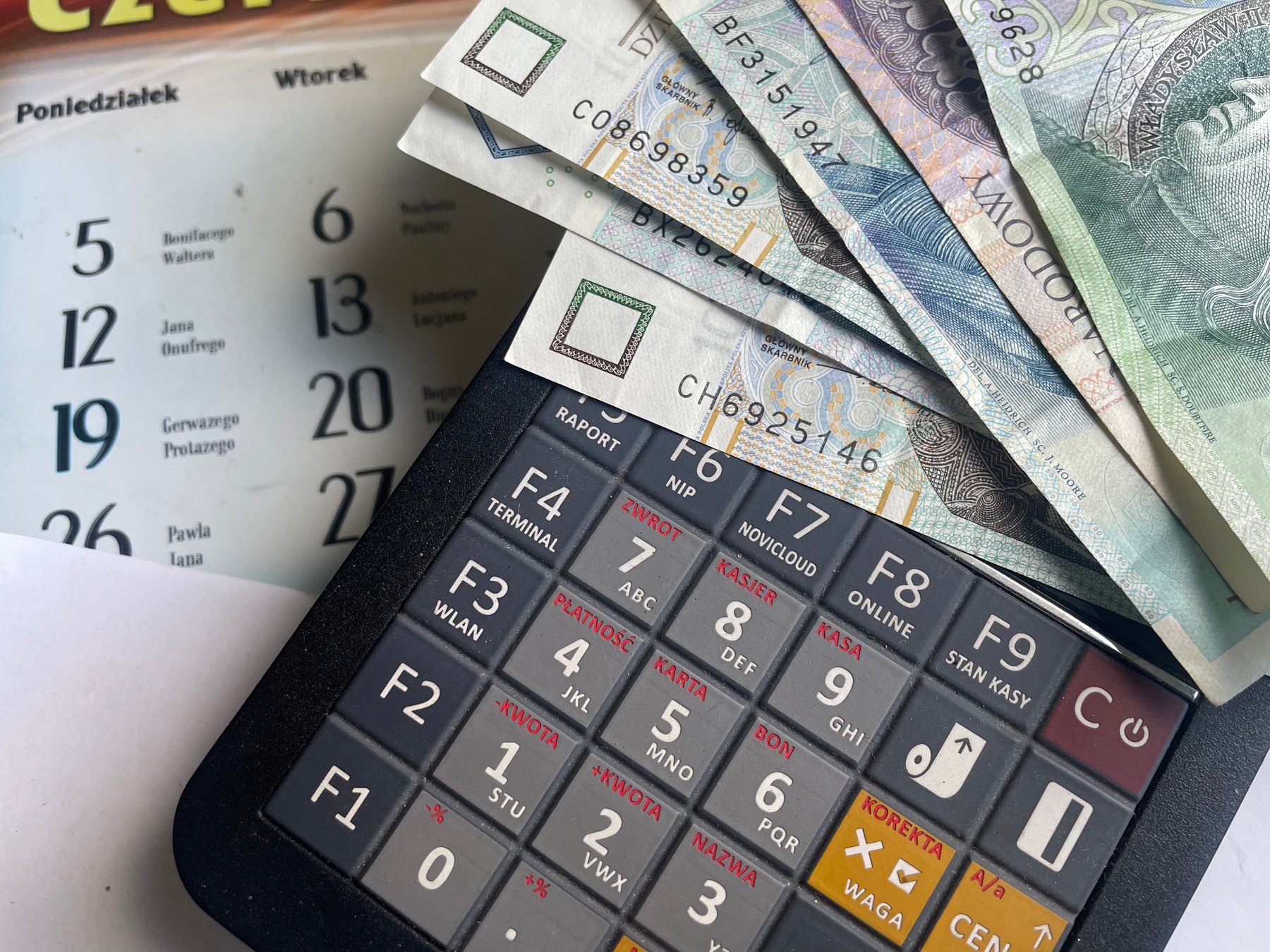
Below are the most common drivers. You will likely recognize more than one in your own life.
1) Income stability and cash flow timing
Two people with the same annual income can have very different money habits if one is paid weekly and the other has irregular gig income. When cash flow is uneven, it is easier to miss due dates or rely on credit cards between paychecks.
- Stable income often supports autopay, consistent saving, and predictable spending.
- Variable income often requires larger buffers and more frequent check-ins.
Decision rule: If your income varies by more than 20% month to month, build a bigger cash buffer and base your budget on a conservative income estimate.
2) Family norms and early experiences
Many money habits are learned. If you grew up in a household where bills were paid late, debt was common, or money was not discussed, you may repeat those patterns. If you saw careful planning and saving, those behaviors can feel normal.
Early experiences also shape risk tolerance. Someone who lived through job loss or eviction may prioritize cash savings, while someone who never experienced financial instability may be comfortable carrying more debt.
3) Financial literacy and product complexity
Credit cards, loans, and bank accounts come with terms that affect cost: APR, fees, compounding, grace periods, and repayment structures. When you do not fully understand these, it is easy to form expensive habits like making only minimum payments or choosing long loan terms without comparing total interest.
For trustworthy explanations of common financial products and consumer rights, the Consumer Financial Protection Bureau is a strong starting point: https://www.consumerfinance.gov/.
4) Behavioral psychology and decision fatigue
Money decisions often happen when you are tired, stressed, or rushed. Decision fatigue can lead to convenience spending, skipping budgeting, or avoiding account checks. Common behavioral patterns include:
- Present bias: choosing immediate rewards over long-term goals.
- Loss aversion: avoiding changes that feel like giving something up.
- Anchoring: relying too heavily on the first number you see, like a monthly payment instead of total cost.
Decision rule: For any purchase over a set threshold (for example $100 or $200), wait 24 hours and compare at least two alternatives.
5) Social pressure and lifestyle expectations
Friends, family, coworkers, and social media can influence spending. This can show up as frequent dining out, upgrading phones, or taking trips that do not fit your budget. Even if you value saving, it is hard to maintain habits when your environment rewards spending.
Practical tactic: Set a monthly “social spending” amount and treat it like a bill. When it is used up, switch to lower-cost plans like potlucks or free events.
6) Access to financial tools and friction
Friction matters. If saving requires multiple steps, you are less likely to do it. If spending is one tap, you will do more of it. Your account setup can either support or sabotage your habits.
- Automatic transfers can turn saving into a default.
- Autopay can reduce late payments, but you still need to monitor balances.
- Separate accounts can prevent “accidental” spending of bill money.
7) Credit history and borrowing options
Your credit profile can influence your habits because it affects what borrowing costs you are offered. If credit is expensive, you may avoid borrowing or rely on alternatives. If credit is easy to access, it can encourage overspending.
Checking your credit reports can help you understand what lenders may see. In the U.S., you can access reports through https://www.annualcreditreport.com/.
8) Stress, health, and major life events
Job changes, medical issues, divorce, moving, and caregiving responsibilities can disrupt routines. During stressful periods, people may avoid opening bills, delay decisions, or use credit to cope.
If you are dealing with debt collection or financial stress, the FTC has practical consumer guidance: https://consumer.ftc.gov/.
How money habits affect borrowing and debt costs
Your habits can raise or lower the cost of borrowing over time. For example:
- Paying on time helps avoid late fees and can support a healthier credit profile.
- High credit utilization (using a large share of your available credit) can be a sign of cash flow strain.
- Only paying minimums can keep you in debt longer and increase interest paid.
- Shopping for loans and comparing APR and fees can reduce borrowing costs.
Borrowing decision checklist (quick screen)
- Is this expense necessary, or can it be delayed?
- Can you repay within your planned timeline without missing essentials?
- Have you compared APR, fees, and total cost, not just the monthly payment?
- Is there a prepayment penalty?
- What happens if your income drops for 1 to 2 months?
| Habit | What it can lead to | Better default | Simple trigger |
|---|---|---|---|
| Paying bills when you remember | Late fees, missed payments | Autopay or scheduled payments | Set due dates within 3 days after payday |
| Using credit for gaps | Revolving balances and interest | Small buffer account | Auto-transfer $25 to $100 per paycheck |
| Focusing only on monthly payment | Long terms and higher total cost | Compare total interest and fees | Always ask for a full amortization schedule |
| Not checking statements | Fraud, subscription creep | Monthly review routine | Review on the 1st weekend each month |
What better money habits look like with real numbers
Changing habits is easier when you can picture the cash flow. Below are three sample monthly allocations. These are examples, not rules. The goal is to show how habits translate into a plan you can run on autopilot.
Scenario 1: Net income $3,000 per month
- Needs (rent, utilities, groceries, insurance): $1,800
- Debt payments (credit cards, student loans, car): $450
- Savings (emergency fund, sinking funds): $300
- Wants (fun, dining out, subscriptions): $450
Total: $3,000
Habit focus: Automate $150 per paycheck (if paid twice monthly) into savings and set bill autopay for minimums plus a fixed extra amount toward the highest-interest debt.
Scenario 2: Net income $4,500 per month with variable side income
- Needs: $2,400
- Debt payments: $700
- Savings: $900
- Wants: $500
Total: $4,500
Habit focus: Base the plan on $4,500 even if some months are higher. When side income arrives, split it with a rule like 50% to savings or debt, 50% to flexible spending.
Scenario 3: Net income $2,400 per month and rebuilding
- Needs: $1,650
- Debt payments: $350
- Savings: $100
- Wants: $300
Total: $2,400
Habit focus: Start with a small emergency buffer goal (for example $500 to $1,000) to reduce reliance on credit for surprises. Use a weekly cash check-in to prevent overdrafts and late fees.
Timeline decision rules for saving vs paying debt
Money habits improve when you have clear rules for what to do with extra cash. Use timeline-based buckets to decide where dollars go.
| Time horizon | Primary goal | Common habit to build | Watch-outs |
|---|---|---|---|
| Under 1 year | Stability and cash buffer | Automate savings and bill payments | Overcommitting to long-term goals while using credit for emergencies |
| 1 to 3 years | Planned expenses (car repair fund, moving, down payment start) | Create sinking funds with monthly transfers | Mixing short-term money with high-risk investments |
| 3 to 7 years | Medium-term goals (larger down payment, career change buffer) | Increase savings rate when income rises | Lifestyle creep that absorbs raises |
| 7+ years | Long-term wealth building | Consistent contributions and annual reviews | Stopping contributions during normal market volatility |
Practical ways to reshape money habits
You do not need a perfect budget to improve. You need repeatable systems.
Use the “one change at a time” method
Pick one habit that reduces the most stress or cost. Examples:
- Set autopay for minimum debt payments to reduce late fees.
- Schedule a weekly 10-minute money check-in.
- Cancel or pause one subscription and redirect that amount to savings.
Build a bill-paying system that matches your pay cycle
- If paid biweekly: split bills into two groups and pay half each paycheck.
- If paid monthly: pay fixed bills first, then fund groceries and gas weekly.
- If income is irregular: pay essentials immediately when income arrives and keep a larger buffer.
Make spending harder and saving easier
- Remove saved cards from shopping apps.
- Use a separate account for bills.
- Set an automatic transfer to savings the day after payday.
- Turn on transaction alerts so you notice spending in real time.
Use a simple debt payoff rule
If you are carrying multiple debts, pick a method you can stick with:
- Highest APR first: prioritize the debt with the highest interest rate while paying minimums on the rest.
- Smallest balance first: prioritize the smallest balance to build momentum while paying minimums on the rest.
Either method can work if it keeps you consistent. The key habit is making an extra payment amount automatic, even if it is small.
Money habit checklists you can use today
Monthly money review checklist (20 minutes)
- Scan bank and card statements for unknown charges.
- List subscriptions and decide keep, pause, or cancel.
- Check due dates for the next month.
- Set one savings or debt goal for the next 30 days.
- Update your “true expenses” list (car repairs, gifts, annual fees).
Loan shopping checklist (when borrowing is necessary)
- Compare APR, fees, and total repayment cost.
- Ask whether the rate is fixed or variable.
- Check the loan term and whether there is a prepayment penalty.
- Confirm the payment due date and grace period.
- Only borrow what you need, not the maximum offered.
Where to learn more and protect your money habits
Good habits include using reliable sources and checking your accounts regularly. If you keep cash in a bank account, understanding deposit insurance can help you feel confident about where you store your emergency fund. The FDIC explains coverage basics here: https://www.fdic.gov/.
Putting it all together: a simple plan for the next 30 days
If you want a straightforward way to act on the factors that influence money habits, follow this 30-day plan:
- Week 1: Track spending for 7 days and identify your top 3 categories.
- Week 2: Automate one thing (savings transfer or bill autopay).
- Week 3: Create one sinking fund (car repairs, gifts, or medical).
- Week 4: Choose a debt payoff rule and set a recurring extra payment amount.
Money habits change fastest when your environment supports them. Focus on systems, not perfection. Over time, the right defaults can make saving, responsible borrowing, and steady progress feel normal.

