

Financial Nihilism Gen Z: Why It’s Happening and What to Do Instead

Financial nihilism Gen Z shows up when money feels pointless: prices rise, debt feels permanent, and the “right” path looks out of reach. If you have ever thought, “Why budget if I will never buy a home anyway?” you are not alone. This mindset is understandable, but it can quietly make everyday decisions more expensive, especially around credit cards, BNPL, student loans, and car payments.
Contents
25 sections
-
What financial nihilism looks like in real life
-
Why Gen Z is feeling it more
-
Common drivers
-
Financial nihilism Gen Z: the hidden costs of "giving up"
-
Where it hits hardest
-
A practical reset: replace hope with a system
-
1) Build a "no-drama" baseline budget
-
2) Create one small emergency buffer fast
-
3) Make debt less powerful with a clear rule
-
4) Automate one "future win"
-
Real numbers: three sample monthly plans (that add up)
-
Scenario A: Take-home pay $2,400 per month (entry-level, shared housing)
-
Scenario B: Take-home pay $3,600 per month (full-time, moderate rent)
-
Scenario C: Take-home pay $5,000 per month (higher income, higher obligations)
-
Borrowing decisions: a simple timeline rule
-
Credit and debt tools Gen Z actually uses (and how to compare them)
-
Quick comparison checklist before you borrow
-
How to stop the spiral: a 14-day action plan
-
Days 1 to 3: Get visibility
-
Days 4 to 7: Stabilize cash flow
-
Days 8 to 14: Reduce the biggest leak
-
Student loans: reduce confusion with one clean workflow
-
Protect yourself from scams and "too good to be true" fixes
-
Decision rules that make progress feel real
-
What progress can look like in 90 days
This article breaks down what financial nihilism is, why it is hitting younger adults hard, and how to replace it with a simple system that protects your future without requiring perfection. You will also see real-number examples and decision rules you can use today.
What financial nihilism looks like in real life
Financial nihilism is not laziness. It is a belief that financial effort will not change outcomes, so short-term comfort wins by default. It often shows up as:
- “Treat yourself” spending after stressful news or bills, even when it creates more stress later.
- Ignoring bills or statements because the numbers feel overwhelming.
- Leaning on high-cost credit like revolving credit card balances, cash advances, or repeated BNPL plans.
- Not checking credit until you need an apartment, car loan, or job screening.
- All-or-nothing budgeting where one “bad” week makes you quit tracking entirely.
It can also look like the opposite: obsessively tracking money while feeling hopeless anyway. The common thread is a loss of agency.
Why Gen Z is feeling it more
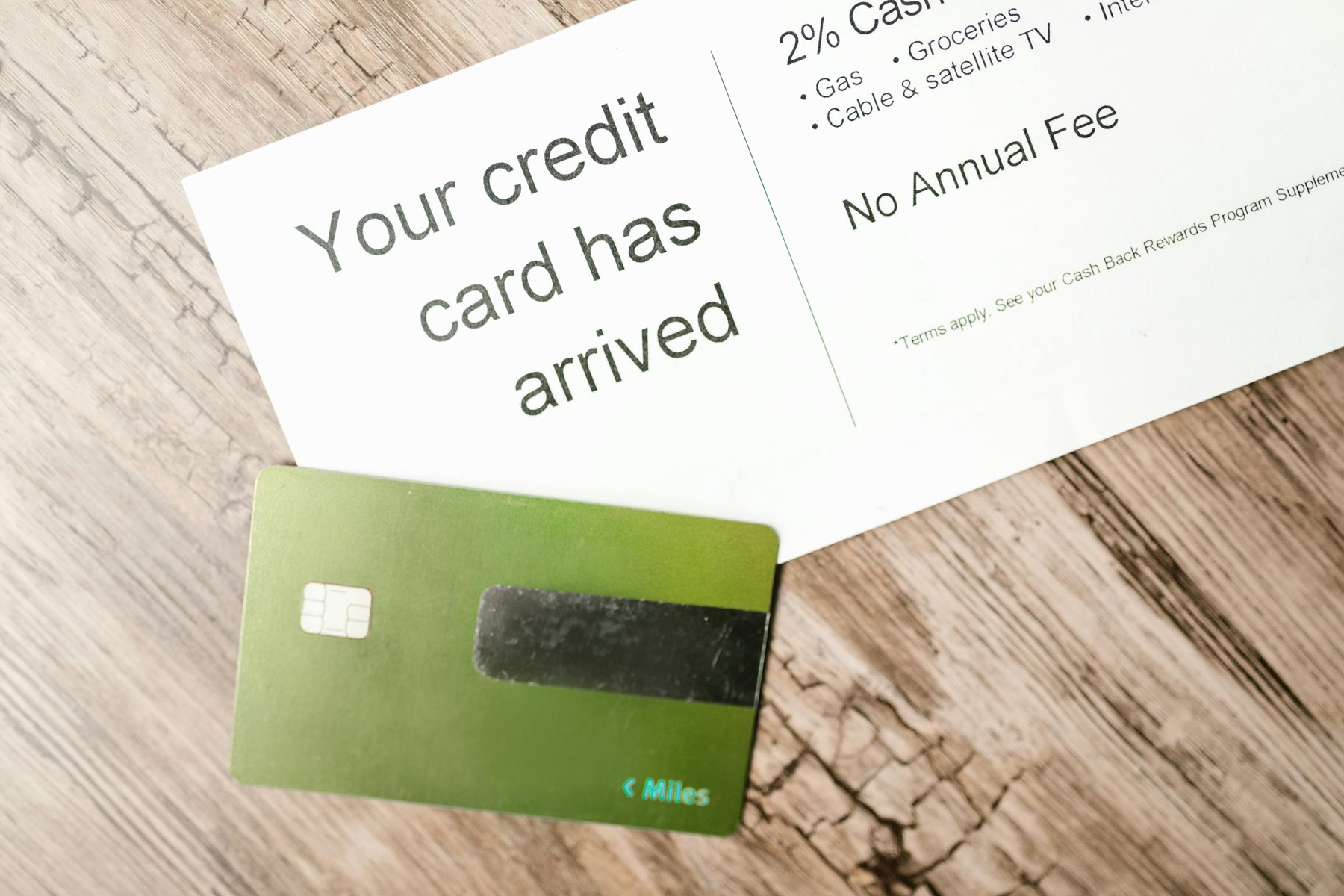
Many Gen Z adults entered the workforce during or after major disruptions: pandemic-era job shifts, rapid inflation, higher rent-to-income ratios, and volatile markets. Even when wages rise, the “starter life” costs can rise faster.
Common drivers
- Housing sticker shock: Rent increases and down payment hurdles make long-term goals feel unreal.
- Student loan complexity: Multiple servicers, changing rules, and repayment plan choices can be exhausting.
- Debt normalization: BNPL and subscription everything can make monthly obligations invisible until they pile up.
- Income volatility: Gig work, variable hours, and layoffs make planning harder.
- Information overload: Social media money advice can be extreme or contradictory.
Financial nihilism Gen Z: the hidden costs of “giving up”
When you stop believing small actions matter, the system gets more expensive. The costs are often quiet at first, then compound.
Where it hits hardest
- Interest and fees: Carrying a balance, paying late, or overdrafting can add up quickly.
- Credit access: Lower scores can mean higher APRs, larger deposits for utilities, or fewer rental options.
- Stress tax: Avoiding money tasks can create last-minute emergencies that cost more to fix.
| Behavior pattern | Short-term payoff | Likely money cost | Lower-friction alternative |
|---|---|---|---|
| Ignoring credit card statements | Avoid anxiety today | Late fees, higher interest, missed fraud | Set autopay for minimum + weekly 5-minute check |
| Using BNPL for essentials | Get items now | Stacked payments, missed-payment fees, cash flow crunch | One BNPL at a time rule + sinking fund for essentials |
| “I’ll never buy a home” spending | Feel better temporarily | No emergency buffer, more debt reliance | Automate a small weekly transfer, even $10 to $25 |
| Paying bills late “because it’s all bad anyway” | Keep cash longer | Fees, credit damage, service shutoff risk | Due-date calendar + ask for hardship plan early |
A practical reset: replace hope with a system
You do not need motivation to improve money outcomes. You need defaults that make the next best choice easier than the worst choice. Start with these four moves in order.
1) Build a “no-drama” baseline budget
Instead of tracking every purchase, set three numbers:
- Bills floor: rent, utilities, minimum debt payments, insurance, transit
- Food and life: groceries, basic personal spending
- Future buffer: emergency fund or debt payoff above minimum
Decision rule: if your bills floor is more than 70% of take-home pay, focus first on reducing fixed costs or increasing income, not on perfecting small spending categories.
2) Create one small emergency buffer fast
A starter emergency fund is not about being “fully secure.” It is about breaking the cycle where every surprise becomes debt.
- First target: $300 to $500
- Next target: one month of essential expenses
- Longer-term: 3 to 6 months if your income is stable, 6 to 12 months if it is variable
Where to keep it: a federally insured savings account is usually the simplest. You can confirm bank coverage at the FDIC.
3) Make debt less powerful with a clear rule
If you have high-interest debt, focus on the debt that is actively charging you the most. Two common approaches:
- Avalanche: pay extra toward the highest APR first (often the lowest total interest cost).
- Snowball: pay extra toward the smallest balance first (often easier psychologically).
Decision rule: if you are missing payments, prioritize getting current and setting up automatic minimum payments before trying to optimize payoff strategy.
4) Automate one “future win”
Automation is the antidote to nihilism because it reduces daily decision fatigue. Examples:
- $25 weekly transfer to savings
- Automatic extra $20 toward a credit card balance
- Employer retirement contribution up to any match (if available)
Real numbers: three sample monthly plans (that add up)
Below are simplified examples to show what “small but consistent” can look like. Adjust categories to match your real bills.
Scenario A: Take-home pay $2,400 per month (entry-level, shared housing)
| Category | Amount | Notes |
|---|---|---|
| Rent and utilities | $1,050 | Includes internet share |
| Transportation | $180 | Transit pass + occasional rides |
| Groceries | $300 | Basic meal plan |
| Phone | $50 | Lower-cost plan |
| Debt minimums | $220 | Credit card + student loan minimums |
| Emergency fund | $100 | Auto-transfer weekly |
| Extra debt payoff | $100 | Target highest APR |
| Personal spending | $250 | Fun money with a cap |
| Buffer | $150 | Irregular costs, copays, gifts |
| Total | $2,400 |
Scenario B: Take-home pay $3,600 per month (full-time, moderate rent)
| Category | Amount | Notes |
|---|---|---|
| Rent and utilities | $1,550 | Try to keep fixed costs manageable |
| Transportation | $350 | Car costs or transit + insurance |
| Groceries | $400 | |
| Insurance and health | $200 | Copays, prescriptions, etc. |
| Debt minimums | $300 | |
| Emergency fund | $250 | Build to 1 month essentials |
| Extra debt payoff | $250 | Or split with investing if debt is low APR |
| Retirement/investing | $200 | Consider workplace plan if available |
| Personal spending | $350 | |
| Total | $3,600 |
Scenario C: Take-home pay $5,000 per month (higher income, higher obligations)
| Category | Amount | Notes |
|---|---|---|
| Rent/mortgage and utilities | $2,100 | High fixed cost, watch creep |
| Transportation | $550 | Car payment, fuel, insurance |
| Groceries | $550 | |
| Insurance/health | $300 | |
| Debt minimums | $400 | |
| Emergency fund | $400 | Build toward 3 to 6 months |
| Extra debt payoff | $300 | Prioritize high APR |
| Retirement/investing | $300 | Increase gradually |
| Personal spending | $100 | Intentionally small to hit goals |
| Total | $5,000 |
Borrowing decisions: a simple timeline rule
Financial nihilism often leads to borrowing for the wrong time horizon. Use this timeline rule to decide whether to borrow, save, or delay.
| Timeline | Best default | When borrowing can make sense | Watch-outs |
|---|---|---|---|
| Under 1 year | Save cash, keep flexibility | Only for true emergencies with a payoff plan | High APR, fees, payment stacking |
| 1 to 3 years | Save plus targeted payoff | Necessary car repair or job-related move | Long terms that outlast the benefit |
| 3 to 7 years | Balance debt payoff and investing | Education with clear ROI, reliable vehicle | Overborrowing, variable rates, weak job outlook |
| 7+ years | Invest for long-term goals | Mortgage or long-term career investment | Taking on fixed payments that limit options |
Credit and debt tools Gen Z actually uses (and how to compare them)
You do not need to avoid all borrowing. You need to compare costs and pick tools that match your cash flow. Here are common options and what to look at.
| Option | Best fit | What to compare | Main drawback |
|---|---|---|---|
| Credit cards (Visa, Mastercard, Amex, Discover) | Short-term spending you can pay off monthly | APR, fees, grace period, credit limit, rewards | Revolving balances can get expensive fast |
| BNPL (Affirm, Klarna, Afterpay, PayPal Pay in 4) | Planned purchase with clear payoff schedule | Late fees, payment schedule, returns policy, reporting to credit bureaus | Multiple plans can strain cash flow |
| Student loans (Federal Direct loans via Federal Student Aid) | Education costs after grants and work options | Fixed vs variable, repayment plans, forgiveness eligibility, total borrowed | Long repayment horizon, rules can be complex |
| Personal loans (banks, credit unions, online lenders) | Debt consolidation with lower APR than cards | APR, origination fee, term length, prepayment penalty | Fees and longer terms can raise total cost |
| Auto loans (dealer financing, banks, credit unions) | Reliable car needed for work or family | APR, term, down payment, total loan amount, add-ons | Long terms can trap you upside down |
Quick comparison checklist before you borrow
- What is the APR and is it fixed or variable?
- What fees apply: origination, late fees, prepayment penalties?
- What is the monthly payment and can you afford it with a 10% income drop?
- What is the total cost over the full term?
- Is there a cheaper alternative: used item, delay, side income, payment plan?
How to stop the spiral: a 14-day action plan
Days 1 to 3: Get visibility
- List every monthly bill and minimum payment.
- Turn on alerts for low balance and due dates.
- Check your credit reports at AnnualCreditReport.com and dispute errors if needed.
Days 4 to 7: Stabilize cash flow
- Set autopay for minimums on credit cards and loans.
- If you are behind, contact the lender or servicer early and ask about hardship options.
- Create a $300 starter buffer in savings, even if it takes a few paychecks.
Days 8 to 14: Reduce the biggest leak
- Pick one target: highest APR card, overdraft fees, or stacked BNPL payments.
- Cancel or pause one subscription and redirect that money to your target.
- Use a “one in, one out” rule for new monthly commitments.
Student loans: reduce confusion with one clean workflow
If you have federal student loans, start at Federal Student Aid to see your loan types, servicer, and repayment options. Then:
- Confirm your repayment plan and due date.
- Set autopay if it fits your cash flow.
- If payments are unaffordable, explore income-driven options and recertification deadlines.
If you are considering refinancing, compare the tradeoff: refinancing federal loans into private loans can remove federal protections and flexible repayment options. Compare APR, term length, and total repayment cost.
Protect yourself from scams and “too good to be true” fixes
When people feel hopeless, scammers push fast solutions. Watch for anyone who:
- Demands upfront fees to “erase” debt or “fix” credit.
- Promises specific score jumps or guaranteed approvals.
- Tells you to stop communicating with your lenders.
For practical guidance on common money scams and debt relief red flags, use the FTC consumer resources and the CFPB.
Decision rules that make progress feel real
- If you carry credit card debt: pay at least the minimum on time, then direct extra dollars to the highest APR balance first.
- If your budget keeps failing: stop tracking everything and cap only 1 to 2 categories (often food delivery and shopping).
- If you use BNPL: keep a “one plan at a time” rule and avoid using it for groceries, rent, or utilities.
- If your income is variable: base your budget on the lowest typical month and treat extra income as buffer first.
- If you feel stuck: pick one measurable win per month (one bill negotiated, one fee avoided, one balance reduced).
What progress can look like in 90 days
Financial nihilism fades when you see cause and effect. In 90 days, many people can realistically aim for:
- All minimum payments on autopay
- $300 to $1,000 starter emergency fund (depending on income and expenses)
- One fewer monthly subscription or recurring expense
- A clear payoff plan for one high-cost debt
The goal is not to “win” money forever. It is to make tomorrow easier than today, one default at a time.


