

The Hidden Boat Ownership Costs

Hidden boat ownership costs can turn a fun purchase into a stressful monthly bill if you only budget for the sticker price.
Contents
29 sections
-
Why hidden boat ownership costs are easy to miss
-
Hidden boat ownership costs checklist (fixed and variable)
-
Build a realistic "all in" boat budget
-
Step 1: Start with fixed costs
-
Step 2: Estimate variable costs based on how you actually boat
-
Step 3: Add a repair and replacement reserve
-
Step 4: Convert to a monthly number you can live with
-
Costs by boat type: what changes the most
-
Bowriders and runabouts
-
Pontoons
-
Center consoles and offshore boats
-
Sailboats
-
Financing a boat: what to compare before you sign
-
Key terms to compare
-
Common financing options (named examples to compare)
-
Decision rules for choosing a term
-
Insurance, liability, and coverage details that affect your budget
-
What it looks like with real numbers: three sample monthly plans
-
Scenario A: Used trailerable boat, pay cash
-
Scenario B: Mid priced boat with a loan
-
Scenario C: Larger boat with higher fixed costs
-
Buying used: inspection, survey, and paperwork costs
-
How to avoid budget surprises after you buy
-
Use a "first year true cost" rule
-
Keep a separate boat sinking fund
-
Watch for sales tactics that inflate the financed amount
-
When debt and credit should influence your boat decision
-
Simple decision rules
-
Quick pre purchase worksheet
Many first time buyers plan for the boat, the trailer, and maybe insurance, then get surprised by storage, maintenance, fuel, repairs, and the costs that come with using the boat safely and legally. The goal is not to scare you off. It is to help you build a realistic budget, compare financing options carefully, and decide what size and type of boat fits your life.
Why hidden boat ownership costs are easy to miss
Boats have two cost layers:
- Fixed costs you pay even if the boat never leaves the driveway or slip.
- Variable costs that rise with hours on the water, distance traveled, and how you use the boat.
The tricky part is that many costs are scattered across different vendors and seasons. You might pay insurance annually, storage monthly, winterization once a year, and repairs randomly. A good plan is to estimate an annual total, then convert it into a monthly “boat bill” so you can see whether it fits your cash flow.
Hidden boat ownership costs checklist (fixed and variable)
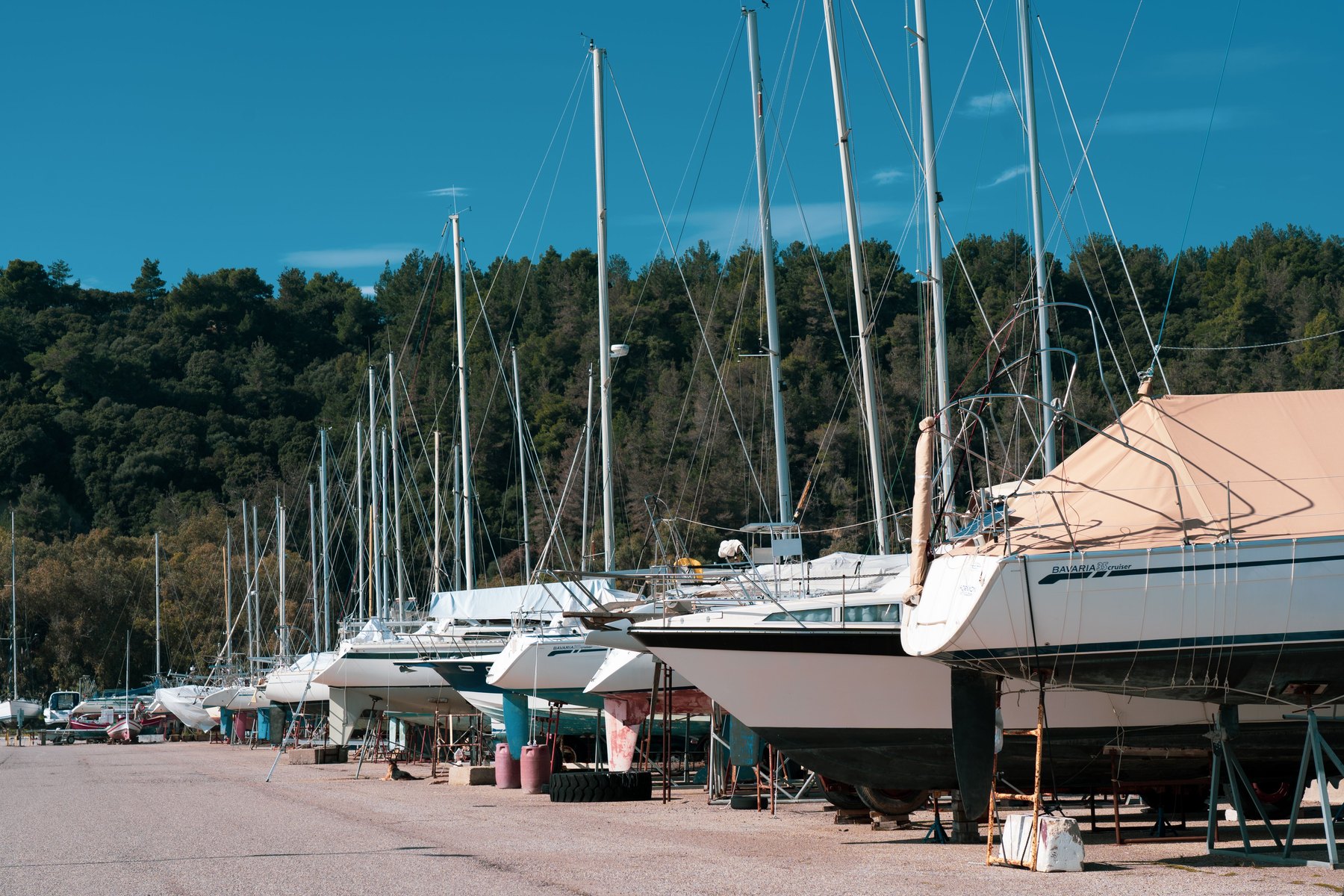
Use this checklist to spot the categories that commonly get missed. Not every boat has every cost, but most owners have several.
| Cost category | What it covers | How it shows up | Often missed because |
|---|---|---|---|
| Insurance | Liability, physical damage, theft, towing add-ons | Annual or monthly premium | People assume homeowners covers it |
| Registration and taxes | State registration, property tax where applicable | Annual renewal, purchase tax | Varies by state and boat size |
| Storage or slip fees | Marina slip, dry stack, yard storage | Monthly or seasonal contract | Not obvious until you price marinas |
| Maintenance | Oil changes, impellers, anodes, tune ups | Seasonal service | Intervals depend on hours and water type |
| Repairs | Unexpected engine, electrical, hull, trailer issues | Unplanned bills | Small problems compound fast in marine systems |
| Fuel | Gas or diesel, plus oil for some engines | Every trip | Consumption varies widely by hull and speed |
| Winterization and shrink wrap | Freeze protection, storage prep, wrap | Annual in cold climates | Easy to ignore when buying in summer |
| Safety gear and accessories | Life jackets, flares, fire extinguisher, anchor, lines | Upfront and replacement | Required items add up quickly |
| Trailer costs | Tires, bearings, lights, brakes, registration | Maintenance and periodic replacement | Trailer is a second vehicle to maintain |
| Depreciation | Loss of value over time | Shows up at resale | Not a monthly bill, but it is real |
Build a realistic “all in” boat budget
A practical way to budget is to estimate annual costs, then divide by 12. Include a repair reserve so one bad season does not force you into high cost debt.
Step 1: Start with fixed costs
- Insurance: Get quotes before you buy. Ask what is included and what costs extra, such as towing or hurricane haul out coverage in coastal areas.
- Storage or slip: Price your preferred marina or storage yard. Ask about initiation fees, electricity, water, and whether the rate is seasonal or year round.
- Registration and taxes: Check your state boating agency and local tax rules.
Step 2: Estimate variable costs based on how you actually boat
- Fuel: Your biggest swing factor. Faster cruising speeds often burn much more fuel.
- Maintenance: Often tied to engine hours and saltwater versus freshwater use.
- Launch fees, parking, and marina day use: Small charges that add up over a season.
Step 3: Add a repair and replacement reserve
Even well maintained boats can need batteries, bilge pumps, electronics, upholstery work, or trailer parts. A simple rule is to set aside a monthly amount for repairs and replacements, then let it build until you need it.
Step 4: Convert to a monthly number you can live with
If your annual total is $6,000, that is $500 per month. If it is $12,000, that is $1,000 per month. Seeing it this way helps you decide whether to buy smaller, buy used, keep the boat on a trailer, or boat less often.
| Example budget line | Low use estimate | Moderate use estimate | Higher use estimate |
|---|---|---|---|
| Insurance | $300 to $800 per year | $600 to $1,500 per year | $1,200+ per year |
| Storage or slip | $0 to $1,200 per year | $1,200 to $6,000 per year | $6,000+ per year |
| Maintenance | $300 to $1,000 per year | $800 to $2,500 per year | $2,000+ per year |
| Fuel | $200 to $1,000 per year | $1,000 to $4,000 per year | $4,000+ per year |
| Repairs reserve | $300 to $1,200 per year | $1,000 to $3,000 per year | $2,500+ per year |
These ranges vary by boat type, size, engine, location, and how much work you do yourself. Use them as a starting point, then replace each line with quotes and local prices.
Costs by boat type: what changes the most
Bowriders and runabouts
- Often trailerable, which can reduce slip fees.
- Fuel costs can rise quickly if you run at high speeds.
- Upholstery and canvas wear can be a recurring expense.
Pontoons
- Comfortable and often efficient at moderate speeds.
- Storage can be tricky due to width, which can increase storage pricing.
- Toons and lifting strakes can add maintenance considerations.
Center consoles and offshore boats
- Saltwater use can increase corrosion related maintenance.
- Twin engines can double some service costs.
- Electronics and safety gear needs are often higher for offshore runs.
Sailboats
- Fuel may be lower, but rigging, sails, and bottom maintenance can be significant.
- Slip fees can be higher due to length.
- Haul out and bottom paint are common periodic costs.
Financing a boat: what to compare before you sign
Boat loans can make a purchase possible, but the monthly payment is only one part of the cost. Compare offers using the total cost of borrowing and the rules in the contract.
Key terms to compare
- APR: The interest rate plus certain fees expressed as a yearly rate.
- Loan term: Longer terms can lower payments but may increase total interest paid.
- Down payment: A larger down payment can reduce the amount financed and may help you avoid owing more than the boat is worth.
- Fees: Origination, documentation, and title or lien fees where applicable.
- Prepayment policy: Whether there is a penalty for paying early.
- Insurance requirements: Some lenders require specific coverage types or deductibles.
Common financing options (named examples to compare)
These are recognizable places people often check. Availability, rates, and terms vary by borrower, boat, and location, so compare multiple quotes.
| Option | Best fit | What to compare | Main drawback |
|---|---|---|---|
| Local credit unions | Borrowers who want relationship banking and potentially lower fees | APR, term limits, down payment rules, membership requirements | May have stricter boat age or value guidelines |
| Bank of America | Borrowers who prefer a large bank process and online tools | APR, fees, autopay discounts if offered, lien process | Eligibility and terms can vary by state and boat type |
| Wells Fargo | Borrowers who want to compare with a national bank | APR, term, fees, required insurance, payment flexibility | May not be available for every boat or market |
| LightStream (Truist) | Borrowers seeking an unsecured loan option for certain purchases | APR range, loan amounts, term options, funding speed | Unsecured loans can have higher APRs for some borrowers |
| U.S. Bank | Borrowers who want another national bank quote | APR, fees, boat eligibility, term length, down payment | Terms and availability vary, and underwriting can be conservative |
| Dealer arranged financing | Buyers who want one stop shopping at purchase | APR, add on products, total financed amount, contract details | Convenience can make it easier to overpay or finance extras |
Decision rules for choosing a term
- Under 1 year: If you can pay cash soon, consider delaying the purchase or buying cheaper so you are not locked into a long loan for a short term hobby.
- 1 to 3 years: Favor shorter terms if the payment still fits comfortably after adding insurance, storage, and a repair reserve.
- 3 to 7 years: Common range for many buyers. Watch total interest and avoid stretching the term just to reach a payment target.
- 7+ years: Be cautious. Long terms can increase the chance you owe more than the boat is worth, especially if you finance add ons.
Insurance, liability, and coverage details that affect your budget
Boat insurance pricing depends on factors like boat value, horsepower, location, storage method, experience, and claims history. When comparing quotes, focus on what you are actually buying:
- Liability limits: Higher limits typically cost more but can matter if you cause damage or injury.
- Agreed value vs actual cash value: These approaches can pay differently after a total loss.
- Deductibles: A higher deductible can reduce premiums but increases your out of pocket cost in a claim.
- Towing and assistance: On water towing can be expensive without coverage.
To understand how consumer financial products are regulated and how to evaluate credit offers, you can explore resources from the Consumer Financial Protection Bureau.
What it looks like with real numbers: three sample monthly plans
These scenarios show how the purchase price is only part of the picture. The numbers are illustrative. Replace them with your quotes and local costs.
Scenario A: Used trailerable boat, pay cash
- Boat purchase: $12,000 cash
- Monthly “boat bill” target: $250
Sample monthly allocation (adds to $250):
- Insurance sinking fund: $40
- Maintenance sinking fund: $50
- Fuel: $80
- Storage (driveway or low cost yard): $0 to $30
- Repairs reserve: $60
- Registration and taxes sinking fund: $20
Scenario B: Mid priced boat with a loan
- Boat purchase: $35,000
- Down payment: $7,000
- Amount financed: $28,000
- Monthly “boat bill” target: $850
Sample monthly allocation (adds to $850):
- Loan payment: $450
- Insurance: $90
- Slip or storage: $150
- Fuel: $90
- Maintenance: $40
- Repairs reserve: $30
Decision rule: if the loan payment is affordable but the full $850 is not, the boat is likely too expensive for your current budget.
Scenario C: Larger boat with higher fixed costs
- Boat purchase: $80,000
- Down payment: $16,000
- Amount financed: $64,000
- Monthly “boat bill” target: $1,900
Sample monthly allocation (adds to $1,900):
- Loan payment: $1,050
- Insurance: $180
- Slip fees and marina utilities: $350
- Fuel: $200
- Maintenance: $70
- Repairs reserve: $50
Decision rule: if you need to cut the repairs reserve to make the payment work, you are taking on a risk that can show up later as credit card debt or deferred maintenance.
Buying used: inspection, survey, and paperwork costs
Used boats can offer better value, but budgeting for due diligence can save money and stress.
- Marine survey: Common for larger boats and often required by lenders or insurers.
- Mechanical inspection: Especially important for inboards and older outboards.
- Title and lien checks: Helps confirm ownership and whether a lender has a claim.
| Document or check | Why it matters | Who usually provides it |
|---|---|---|
| Bill of sale | Proof of purchase terms and price | Seller or dealer |
| Title or registration | Confirms legal ownership | Seller, state agency |
| Hull Identification Number (HIN) | Helps verify identity and history | On the boat, paperwork |
| Lien release (if applicable) | Shows prior loan is paid off | Seller and prior lender |
| Service records | Signals maintenance habits and upcoming work | Seller, marina, mechanic |
| Insurance quote | Confirms you can insure it at a workable cost | Insurance agent or insurer |
How to avoid budget surprises after you buy
Use a “first year true cost” rule
Before you commit, estimate your first year total as:
- Down payment or cash price
- Plus first year fixed costs (insurance, storage, registration)
- Plus a starter maintenance and repairs buffer
- Plus gear you must buy to use the boat safely
If that first year number strains your savings, consider a smaller boat, a cheaper storage plan, or waiting until your cash reserves are stronger.
Keep a separate boat sinking fund
Many owners set up a dedicated savings account and transfer a set amount monthly. If you are choosing where to hold short term cash, you can review deposit insurance basics at the FDIC.
Watch for sales tactics that inflate the financed amount
Extended warranties, electronics packages, and dealer fees can raise the total you finance. Ask for an itemized out the door price and compare it to your budget. If you are evaluating financing offers and want to understand common loan costs and terms, the FTC consumer guidance can be a helpful reference point.
When debt and credit should influence your boat decision
If you are carrying high interest debt, the boat payment plus operating costs can crowd out your ability to pay down balances. A practical approach is to check your credit reports for accuracy before applying for financing, since errors can affect pricing and eligibility. You can get free reports at AnnualCreditReport.com.
Simple decision rules
- If you cannot cover 3 to 6 months of essential expenses in cash, consider delaying the purchase or choosing a lower cost boat.
- If the all in monthly boat bill is more than you can save each month, the budget is likely too tight.
- If you need a long loan term to make the payment work, consider downsizing or increasing your down payment.
Quick pre purchase worksheet
- Monthly loan payment estimate: ______
- Insurance per month: ______
- Slip or storage per month: ______
- Fuel per month (season average): ______
- Maintenance per month (annual divided by 12): ______
- Repairs reserve per month: ______
- Total monthly boat bill: ______
If the total is comfortable, you are in a better position to enjoy the boat and handle the inevitable surprises. If it is not, the worksheet gives you clear levers to pull: smaller boat, fewer engine hours, cheaper storage, more cash down, or waiting for a better time.


