

Why To Get a Home Inspection

A home inspection can protect your budget by uncovering problems you cannot see during a walkthrough. If you are buying, selling, or refinancing, the inspection report helps you estimate repair costs, prioritize safety issues, and decide what terms make sense before you commit.
Contents
27 sections
-
What a home inspection is and what it is not
-
What inspections usually include
-
What inspections often do not include
-
Why a home inspection matters for your money
-
1) It helps you estimate true move-in costs
-
2) It can support negotiation and decision-making
-
3) It reduces the risk of expensive surprises
-
4) It can affect insurance and future resale
-
Home inspection costs and how to budget with real numbers
-
What inspectors look for: a practical checklist
-
How to use the inspection report to negotiate and plan
-
Bucket 1: Safety and functional problems
-
Bucket 2: Big-ticket items that change the economics
-
Bucket 3: Maintenance and upgrades
-
When to get extra inspections (radon, sewer scope, pests, and more)
-
Common add-ons and when to consider them
-
How a home inspection fits into your mortgage and closing timeline
-
Timeline decision rules
-
Choosing an inspector: what to compare
-
Questions to ask before you book
-
What to do after the inspection: a simple action plan
-
Step 1: Summarize the top 10 items
-
Step 2: Get quotes for the big-ticket items
-
Step 3: Decide on your negotiation approach
-
Step 4: Build a post-close repair reserve
-
Common mistakes to avoid
-
Helpful resources for homeowners and buyers
Even newer homes can have hidden defects like improper drainage, loose wiring, or roof flashing mistakes. And older homes can carry bigger-ticket risks like aging HVAC systems, outdated electrical panels, or foundation movement. A thorough inspection does not guarantee a perfect house, but it can reduce the odds of a surprise expense right after closing.
What a home inspection is and what it is not
A standard home inspection is a visual evaluation of a property’s accessible systems and components. The inspector documents condition, flags defects, and notes safety concerns. Most inspections cover the home’s structure, roof, plumbing, electrical, heating and cooling, insulation, ventilation, and visible signs of moisture or damage.
What inspections usually include
- Roof condition, flashing, gutters, and visible attic issues
- Foundation and structure: cracks, settlement signs, framing concerns
- Plumbing: leaks, water pressure, water heater condition, visible pipe materials
- Electrical: panel condition, wiring concerns, outlets, GFCI where required
- HVAC: basic operation, age indicators, visible duct issues
- Interior: windows, doors, floors, stairs, railings, visible moisture staining
- Exterior: grading, drainage, siding, decks, steps, handrails
What inspections often do not include
- Code compliance checks or engineering certification
- Testing inside walls or underground (limited by access)
- Specialty risks unless added: radon, mold lab testing, sewer scope, pests, lead, asbestos
- Guarantees about future performance or remaining life of systems
If the report raises questions about a structural crack, electrical safety, or a roof near end-of-life, the next step is often a specialist evaluation. That can mean a licensed electrician, roofer, plumber, HVAC contractor, or structural engineer depending on the issue.
Why a home inspection matters for your money
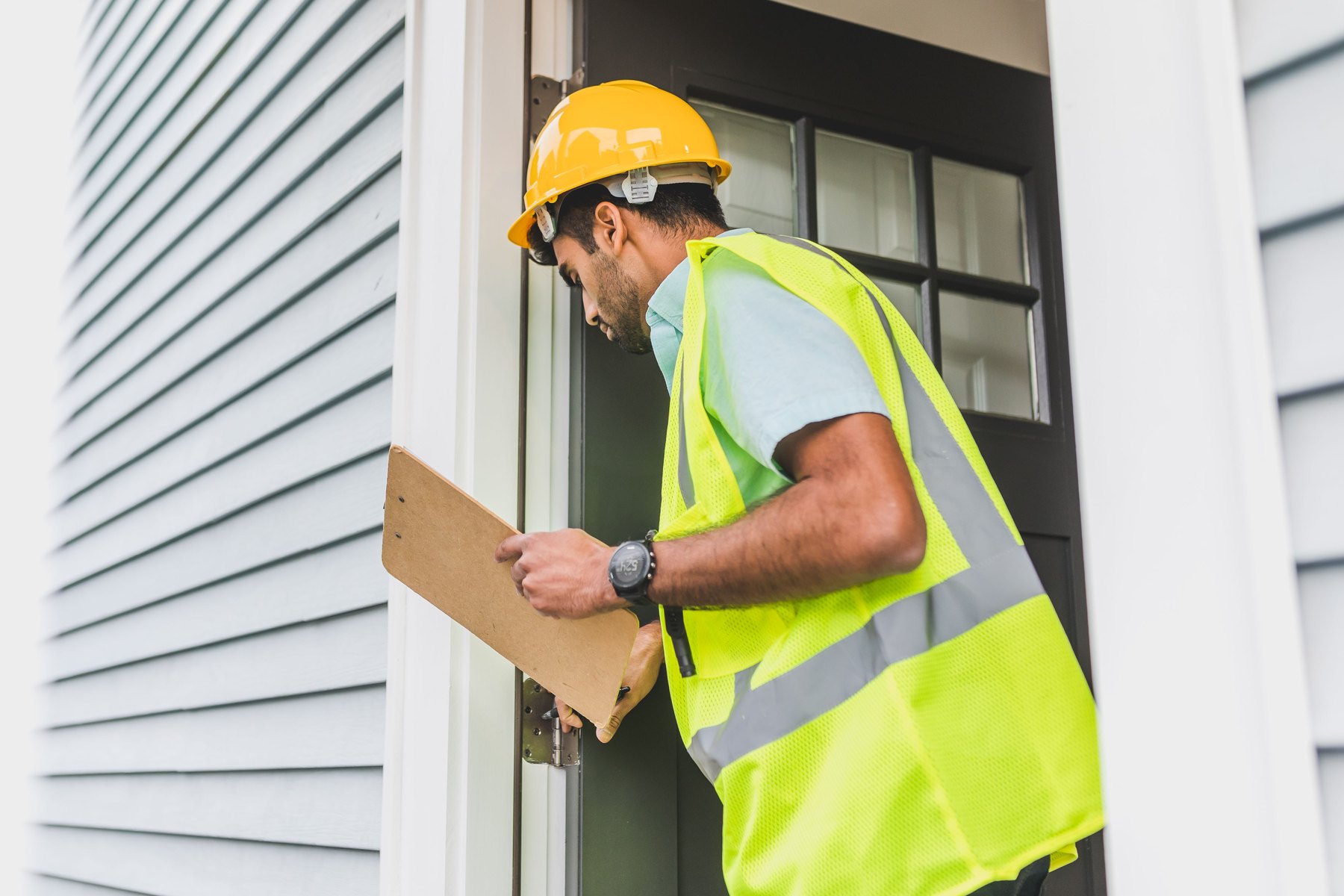
A house is both a place to live and a major financial commitment. The inspection report is one of the few tools that can convert “looks fine” into a clearer list of likely near-term costs. That matters because your monthly payment is only part of the total cost of ownership.
1) It helps you estimate true move-in costs
Buyers often budget for a down payment and closing costs, then underestimate repairs and maintenance. An inspection can reveal items that may need attention in the first 30 to 180 days, such as:
- Replacing a failing water heater
- Fixing active leaks under sinks or at supply lines
- Repairing unsafe deck railings or missing handrails
- Servicing an HVAC system that is not cooling or heating properly
2) It can support negotiation and decision-making
Depending on your contract and local norms, inspection findings may support a request for repairs, a credit, or a price adjustment. The goal is not to “win” every item. It is to focus on material defects, safety issues, and high-cost repairs that change the economics of the deal.
3) It reduces the risk of expensive surprises
Some defects are not obvious during a showing, especially if the home is staged, recently painted, or the weather is dry. Moisture intrusion, improper grading, or attic ventilation problems can lead to mold, rot, or premature roof wear. Catching these early can help you plan and prioritize.
4) It can affect insurance and future resale
Insurers may ask about roof age, electrical type, or prior water damage. A clear understanding of condition helps you anticipate what documentation you might need and what upgrades could improve insurability and resale appeal.
Home inspection costs and how to budget with real numbers
Inspection prices vary by location, home size, age, and add-ons. Many buyers see a base inspection cost in the low hundreds to around a thousand dollars, with specialty tests adding more. Instead of guessing, ask for an itemized quote and confirm what is included.
Here are three sample budgets showing what this can look like with real numbers. These are examples to help you plan, not universal pricing.
| Scenario | Base inspection | Common add-ons | Estimated total | When it makes sense |
|---|---|---|---|---|
| Condo or small home | $400 | Radon test $150 | $550 | Lower complexity, fewer exterior systems |
| Typical single-family home | $600 | Sewer scope $250 + radon $150 | $1,000 | Older neighborhoods, unknown sewer line condition |
| Older or larger home | $850 | Pest inspection $125 + sewer scope $300 + chimney $200 | $1,475 | Multiple systems, higher risk of deferred maintenance |
Decision rule: If a specialty add-on could uncover a repair that would materially change your decision or negotiation, it is often worth pricing out. For example, a sewer line repair can be costly, so a sewer scope can be a practical add-on for older homes or homes with large trees near the line.
What inspectors look for: a practical checklist
Use this checklist to follow along during the inspection and to review the report afterward. Ask the inspector to point out shutoffs, filters, and maintenance items you will need to handle as an owner.
| Area | Common red flags | Why it matters financially | Typical next step |
|---|---|---|---|
| Roof and attic | Missing shingles, soft spots, poor flashing, attic moisture | Leaks can lead to rot, insulation damage, and interior repairs | Roofing contractor estimate, verify age and prior repairs |
| Foundation and structure | Large cracks, uneven floors, sticking doors, water intrusion | Structural repairs can be high-cost and affect resale | Structural engineer or foundation specialist evaluation |
| Electrical | Overheated panel, double-tapped breakers, unsafe wiring | Safety risk and potential insurance issues | Licensed electrician quote and safety corrections |
| Plumbing | Active leaks, corrosion, low pressure, old water heater | Water damage can spread quickly and get expensive | Plumber evaluation, plan replacements and shutoff locations |
| HVAC | System not heating/cooling, rust, poor airflow, old equipment | Replacement can be a major near-term expense | HVAC service call, estimate remaining life and replacement cost |
| Drainage and grading | Negative grading, standing water, downspouts dumping near foundation | Water management issues can drive foundation and basement costs | Drainage improvements, gutter/downspout extensions |
How to use the inspection report to negotiate and plan
The best way to use an inspection report is to separate issues into three buckets: safety, big-ticket, and maintenance. Then decide what you need addressed before closing versus what you can handle after you move in.
Bucket 1: Safety and functional problems
- Active leaks, electrical hazards, missing handrails, unsafe stairs
- Non-functioning heat in cold climates or major plumbing failures
Decision rule: If it could injure someone, cause rapid damage, or make the home unlivable, treat it as a priority item for repair or credit discussions.
Bucket 2: Big-ticket items that change the economics
- Roof replacement soon
- Foundation movement requiring professional repair
- Sewer line problems
- HVAC replacement in the near term
Decision rule: If a single repair could materially change your cash reserves after closing, get at least one specialist estimate and decide whether the deal still fits your budget.
Bucket 3: Maintenance and upgrades
- Minor caulking, small drywall cracks, worn weatherstripping
- Older but functioning appliances
Decision rule: If it is normal wear and tear and not urgent, treat it as a post-close plan item and build a maintenance calendar.
When to get extra inspections (radon, sewer scope, pests, and more)
A standard inspection is broad, but it is not deep in every specialty area. Add-ons can be especially useful when the home’s age, location, or visible clues suggest elevated risk.
Common add-ons and when to consider them
- Radon test: Consider in areas where radon is common or if the home has a basement or lower level living space.
- Sewer scope: Consider for older homes, homes with mature trees, or when drains are slow or gurgling.
- Pest inspection: Consider in termite-prone regions or if there is visible wood damage or moisture.
- Chimney inspection: Consider if the home has a fireplace or wood stove, especially if it has not been used recently.
- Mold evaluation: Consider if there is visible growth, persistent musty odor, or a history of water intrusion.
Ask your inspector what they can do in-house and what requires a separate specialist. Also ask how results are documented so you can keep records for future maintenance and resale.
How a home inspection fits into your mortgage and closing timeline
Most buyers schedule the inspection soon after the contract is signed, during the inspection contingency period if your contract includes one. The timing matters because you need enough room to review the report, request repairs or credits if appropriate, and schedule any follow-up inspections.
Timeline decision rules
- Under 1 year horizon (buying soon): Prioritize inspection scheduling early. If the report flags big-ticket items, get specialist quotes quickly so you can make decisions before deadlines.
- 1 to 3 years horizon (planning to buy): Use open houses to practice spotting drainage, roof age clues, and panel condition. Build a repair reserve into your savings target.
- 3 to 7 years horizon: Focus on improving credit and building a larger buffer so inspection findings do not force you into a tight cash position after closing.
- 7+ years horizon: Learn typical system lifespans and maintenance costs in your target area. A stronger long-term plan can make you more flexible if an inspection reveals needed upgrades.
For mortgage planning, remember that lenders focus on your ability to repay, while the inspection focuses on property condition. Even if a loan moves forward, you still want the inspection to understand ownership costs and risks.
Choosing an inspector: what to compare
Not all inspectors follow the same process or write the same quality of report. Compare inspectors based on scope, reporting, and experience with homes like the one you are buying.
Questions to ask before you book
- What standards of practice do you follow, and what is excluded?
- How long will the inspection take for a home this size?
- Will the report include photos and clear repair recommendations?
- Can I attend, and will you walk me through key findings?
- Do you carry errors and omissions insurance?
- How do you handle add-ons like radon or sewer scope?
Decision rule: Choose clarity over speed. A detailed report with photos, locations, and severity notes is more useful for budgeting and negotiation than a short checklist.
What to do after the inspection: a simple action plan
Step 1: Summarize the top 10 items
Pull the biggest issues from the report and list them with a rough cost range. If you do not have estimates yet, label items as “needs quote.”
Step 2: Get quotes for the big-ticket items
For roof, foundation, electrical, HVAC, and plumbing issues, consider getting at least one licensed contractor quote. If the issue is complex, an engineer or specialist may be appropriate.
Step 3: Decide on your negotiation approach
- Ask for repairs when safety or function is affected.
- Consider a credit or price adjustment when repairs are significant and you prefer to control the work after closing.
- Be prepared to prioritize. Not every minor item is worth negotiating.
Step 4: Build a post-close repair reserve
Even with a clean inspection, plan for ongoing maintenance. Many homeowners target a maintenance reserve that fits the home’s age and condition. If the inspection reveals near-term replacements, increase your buffer so you are not relying on high-cost debt for urgent repairs.
Common mistakes to avoid
- Skipping the inspection to “win” a bidding war: This can increase the chance of unexpected costs. If you are considering waiving contingencies, think carefully about your risk tolerance and cash reserves.
- Focusing only on cosmetics: Paint and flooring are visible. Drainage, wiring, and roof details are where expensive surprises often hide.
- Not attending the inspection: Being there helps you understand severity and maintenance tasks.
- Ignoring water management: Grading, gutters, and downspouts can drive long-term damage if neglected.
- Failing to plan for follow-ups: A general inspector may recommend specialist evaluation. Budget time and money for that step.
Helpful resources for homeowners and buyers
If you want to understand homeownership costs and mortgage basics alongside inspection planning, these resources can help:
- CFPB guide to owning a home
- CFPB mortgage resources and tools
- FTC consumer guidance on avoiding scams
A home inspection is not just a box to check. It is a budgeting tool. When you use the report to estimate near-term repairs, prioritize safety, and plan reserves, you make a more informed decision about one of the biggest purchases most people ever make.


