

Hourly House Rentals for Production: Budgeting, Contracts, and Financing Options

Hourly house rentals for production can be a cost-effective way to secure a real-world location for a photo shoot, film scene, interview, or content day without committing to a full-day rate.
Contents
33 sections
-
How hourly house rentals for production work
-
Common booking rules to expect
-
Where people find hourly production houses
-
What affects the price of an hourly location
-
Key pricing drivers
-
Hidden costs that often show up later
-
Hourly house rentals for production: a budgeting checklist
-
Comparison table: platforms and ways to book
-
What this looks like with real numbers
-
Scenario 1: Solo creator content day (4-hour minimum)
-
Scenario 2: Small brand shoot (8 hours, 10 people)
-
Scenario 3: Indie film scene (12 hours with likely overtime)
-
How to pay for a location: cash flow and financing options
-
Option 1: Pay from cash reserves
-
Option 2: Credit card (especially for short timelines)
-
Option 3: Business line of credit
-
Option 4: Short-term installment loan
-
Option 5: Invoice factoring or receivables financing (for B2B work)
-
Funding decision rules by timeline
-
Three sample funding allocations (with totals that add up)
-
Allocation A: Conservative (more cash, less debt) – Total $2,500
-
Allocation B: Balanced (protect cash buffer) – Total $2,500
-
Allocation C: Client-funded structure (reduce your upfront burden) – Total $2,500
-
Documents and details you may need to book and to finance
-
Risk management that can protect your budget
-
Get the rules in writing
-
Understand cancellation and reschedule terms
-
Insurance and liability basics
-
Protect your credit while funding shoots
-
Quick decision framework: choose the right location and payment plan
-
Step 1: Pick the location type
-
Step 2: Choose a funding approach
-
Step 3: Run a pre-booking checklist
But “hourly” does not always mean simple. Many hosts set minimum hours, require permits or insurance, charge cleaning or overtime fees, and limit crew size, parking, noise, and equipment. If you are paying for the location with a credit card, a business line, or a short-term loan, small contract details can turn into expensive surprises.
This guide breaks down how hourly production rentals typically work, what to compare across platforms, how to build a realistic budget with real numbers, and how to choose a funding approach that matches your timeline and cash flow.
How hourly house rentals for production work
Production-focused home rentals are different from vacation rentals. The host is pricing the property for commercial use, and the booking is usually governed by a location agreement that spells out rules and liability.
Common booking rules to expect
- Minimum booking length – often 2 to 6 hours, even if the rate is listed “per hour.”
- Time blocks – load-in and load-out may count as billable time.
- Crew and cast caps – pricing tiers may change at 5, 10, 15, or 30 people.
- Areas included – some rooms, garages, or yards may be excluded.
- Noise and neighborhood limits – especially for night shoots or exterior scenes.
- Parking and street access – may require permits or off-site parking.
- Insurance requirements – a certificate of insurance (COI) naming the host as additional insured is common.
Where people find hourly production houses
These are recognizable places to start your search. Availability and pricing vary by city, property type, and season, so verify current terms and fees before booking.
- Peerspace – marketplace known for production and event spaces, often priced hourly.
- Giggster – film-friendly locations with hourly pricing and production filters.
- Avvay – production and event venues, sometimes with concierge support.
- Airbnb – some hosts allow “events” or filming, but many prohibit commercial shoots unless explicitly approved.
- Vrbo – typically vacation rentals; filming requires explicit host permission and may not be supported.
- Set Scouter – location listings for film and photo production in select markets.
- Local film commissions – some maintain location libraries or can point you to permitting steps.
What affects the price of an hourly location
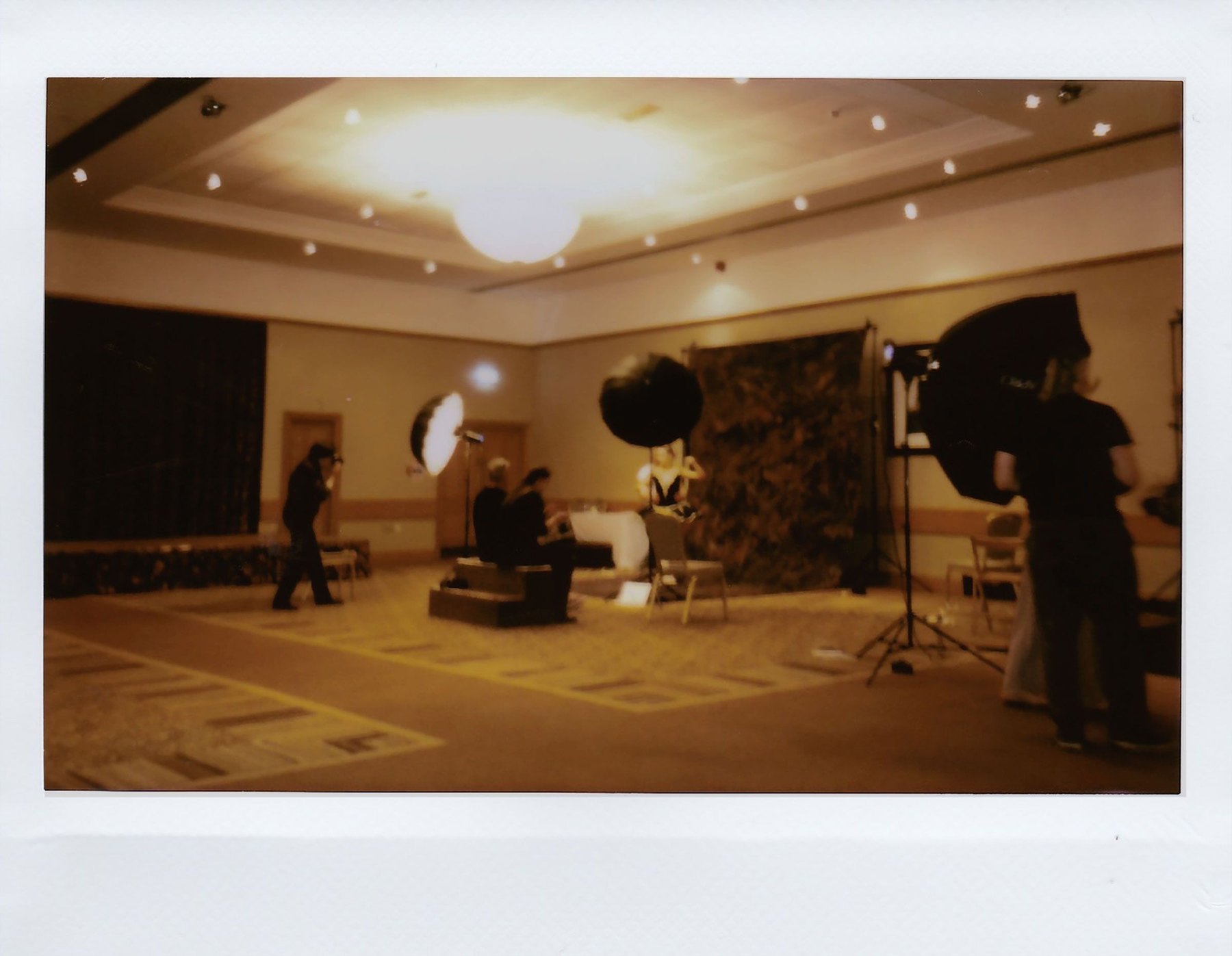
Two houses with the same square footage can price very differently for production. Use these drivers to sanity-check quotes and avoid underbudgeting.
Key pricing drivers
- Look and uniqueness – architectural style, high-end finishes, views, pools, or “hero” features.
- Production friendliness – easy load-in, wide hallways, staging areas, and power access.
- Neighborhood risk – tighter streets and strict HOAs can increase restrictions and staffing needs.
- Day and time – weekends, nights, and holidays can cost more.
- Headcount – larger crews increase wear and tear and liability.
- Insurance and deposits – some hosts require higher deposits for higher-risk setups.
Hidden costs that often show up later
- Cleaning fees – especially if you move furniture, use makeup, or bring food.
- Overtime – hourly overtime can be higher than the base rate.
- Site rep or host fee – a required on-site representative.
- Security – required for larger crews or public-facing shoots.
- Permits – city filming permits, parking permits, or police officers for traffic control.
- Insurance – short-term production insurance or event insurance.
- Equipment rentals – lighting, grip, audio, generators, and walkies.
Hourly house rentals for production: a budgeting checklist
Use this checklist before you book. It helps you compare locations on an apples-to-apples basis and reduces the chance of paying for last-minute changes.
| Budget item | Questions to ask | Where it shows up | Why it matters |
|---|---|---|---|
| Minimum hours | Is there a 4-hour minimum? Does load-in count? | Listing details, agreement | Determines your real base cost |
| Overtime rate | What is the hourly overtime fee? Is it billed in 30-min blocks? | Agreement | Schedule slips are common on shoots |
| Cleaning and reset | Do you need to return furniture to original positions? | House rules | Can add labor and fees |
| Deposit and damage policy | Is it refundable? What counts as damage? | Checkout, agreement | Impacts cash flow and risk |
| Insurance (COI) | What limits are required? Who must be named additional insured? | Host requirements | May be required to confirm booking |
| Permits and neighbors | Is a film permit required? Any HOA rules or quiet hours? | City site, host notes | Noncompliance can stop a shoot |
| Power and HVAC | Can you use house power? Any restrictions on AC/heat? | Scout notes | Generator needs can change costs fast |
| Parking and staging | How many cars fit? Where do trucks load in? | Scout, host Q&A | Impacts time, labor, and neighborhood friction |
Comparison table: platforms and ways to book
These options can all work, but they fit different shoot types. Use the table to decide where to start and what to verify.
| Option | Best fit | What to compare | Main drawback |
|---|---|---|---|
| Peerspace | Hourly photo and video shoots with clear production rules | Minimum hours, overtime, cleaning, COI needs | Fees and rules vary widely by host and city |
| Giggster | Film locations with production filters and unique looks | Crew caps, parking, neighborhood restrictions | Some listings require extra coordination for approvals |
| Avvay | Teams that want venue support for logistics | Support services, add-ons, cancellation terms | Not available everywhere; inventory varies |
| Set Scouter | Production teams seeking film-ready locations in select markets | Location agreement terms, insurance requirements | Market coverage can be limited |
| Direct booking with owner or location manager | Repeat shoots, larger crews, or complex setups | Contract language, deposits, insurance, permits | More negotiation and paperwork on you |
| Airbnb (only with explicit permission) | Small content shoots where host is production-friendly | Written permission, fees, insurance, house rules | Many hosts prohibit filming; platform support may be limited |
What this looks like with real numbers
Below are three sample budgets. They are not quotes, but they show how hourly rates interact with minimums, overtime, and add-on costs. Replace the numbers with your local pricing and your crew size.
Scenario 1: Solo creator content day (4-hour minimum)
- Location rate: $125 per hour
- Minimum: 4 hours
- Cleaning fee: $60
- Insurance: $0 to $150 (depends on whether the host requires a COI and what coverage you already have)
- Misc: $40 (parking, small props)
Sample total:
- Location: 4 x $125 = $500
- Fees and misc: $60 + $0 to $150 + $40 = $100 to $250
- Total: $600 to $750
Decision rule: If your plan is tight, book an extra hour up front if overtime is expensive. Paying for 5 hours at the base rate can be cheaper than 4 hours plus overtime.
Scenario 2: Small brand shoot (8 hours, 10 people)
- Location rate: $200 per hour
- Hours: 8
- Site rep: $35 per hour
- Cleaning and reset: $150
- Insurance: $150 to $400 (short-term production policy varies by limits and activities)
- Catering and craft: $250
Sample total:
- Location: 8 x $200 = $1,600
- Site rep: 8 x $35 = $280
- Other: $150 + $150 to $400 + $250 = $550 to $800
- Total: $2,430 to $2,680
Decision rule: If the location is more than 50% of your budget, negotiate scope before price. Reducing rooms used, crew size, or equipment footprint can lower risk and sometimes cost.
Scenario 3: Indie film scene (12 hours with likely overtime)
- Location rate: $175 per hour
- Booked hours: 10
- Expected overtime: 2 hours at 1.5x
- Security: $300
- Permits and parking: $150 to $600 (varies by city)
- Insurance: $300 to $800
Sample total:
- Base location: 10 x $175 = $1,750
- Overtime: 2 x ($175 x 1.5) = $525
- Other: $300 + $150 to $600 + $300 to $800 = $750 to $1,700
- Total: $3,025 to $3,975
Decision rule: If overtime is likely, build a contingency line item (often 10% to 20% of the location cost) so you are not forced into expensive last-minute financing.
How to pay for a location: cash flow and financing options
Production costs often hit before you get paid by a client or distributor. The best funding method depends on how predictable your income is, how quickly you can repay, and what fees you might face.
Option 1: Pay from cash reserves
If you have a business buffer, paying cash can keep costs simpler. The tradeoff is reduced liquidity for payroll, equipment repairs, or unexpected reshoots.
Decision rule: If paying for the location would drop your cash buffer below 1 to 2 months of essential business expenses, consider splitting the cost (deposit now, balance later) or using a lower-cost credit option.
Option 2: Credit card (especially for short timelines)
Credit cards are common for deposits and quick bookings. What matters is the APR after any promotional period, cash advance rules (avoid if possible), and whether the platform codes the charge as travel, services, or something else.
- Compare purchase APR, any 0% intro APR period, and balance transfer fees if you plan to move the balance.
- Check whether your card offers purchase protection. Many production-related losses are not covered, but it is worth reading your benefits guide.
- Watch utilization. High balances can affect credit scores, which can matter if you plan to apply for other credit soon.
Option 3: Business line of credit
A line of credit can match production cash flow because you borrow only what you need and repay as invoices come in. Compare variable vs fixed rates, draw fees, and whether the lender requires a personal guarantee.
Decision rule: If you have recurring client work and you are bridging 30 to 90 days of receivables, a line of credit often fits better than a fixed installment loan.
Option 4: Short-term installment loan
Installment loans can spread costs over predictable payments. Compare APR, origination fees, prepayment rules, and the total cost of borrowing. A longer term can lower the monthly payment but increase total interest paid.
Option 5: Invoice factoring or receivables financing (for B2B work)
If you have signed client invoices but slow payment terms, some businesses use factoring or receivables financing. Costs can be higher than traditional credit, and your client may be notified depending on the structure.
Decision rule: Consider this when the job is profitable, payment is reliable, and timing is the main issue. Compare the effective cost to a line of credit.
Funding decision rules by timeline
Use timeline-based rules to narrow your choices. These are general planning heuristics, not one-size-fits-all answers.
- Under 1 year: Prioritize low fees and flexibility. If you can repay quickly, compare a 0% intro APR card (if available to you) vs a line of credit draw. Avoid long terms for short needs unless the pricing is clearly better.
- 1 to 3 years: Consider whether the expense is building a repeatable revenue stream (like a demo reel that wins contracts). Compare installment loans vs lines of credit based on payment stability.
- 3 to 7 years: This timeline is more typical for equipment than locations. If you are repeatedly financing production costs, focus on improving cash reserves, pricing, and client payment terms.
- 7+ years: Generally not a fit for short-lived production expenses. If you are carrying long-term debt for short-term shoots, review your business model and pricing.
Three sample funding allocations (with totals that add up)
Here are three ways to fund a $2,500 location and shoot-day cost. Adjust to your risk tolerance and repayment certainty.
Allocation A: Conservative (more cash, less debt) – Total $2,500
- $1,800 from cash reserves
- $700 on a credit card paid off within the billing cycle if possible
When it fits: You have stable income and want to minimize interest costs.
Allocation B: Balanced (protect cash buffer) – Total $2,500
- $1,000 from cash reserves
- $1,500 from a business line of credit
When it fits: You expect client payment in 30 to 60 days and want to keep cash available for payroll and surprises.
Allocation C: Client-funded structure (reduce your upfront burden) – Total $2,500
- $1,250 client deposit collected before booking
- $750 from cash reserves
- $500 on a credit card or line of credit as a backstop
When it fits: You can negotiate deposits and milestones in your contract and want to reduce borrowing.
Documents and details you may need to book and to finance
Having paperwork ready can speed up booking and reduce last-minute fees.
| Need | Examples | Who asks for it | Tip |
|---|---|---|---|
| Proof of insurance | COI with required limits and additional insured | Host or platform | Request the COI early so it does not delay confirmation |
| Production details | Crew count, schedule, equipment list, stunts or special effects | Host | Be specific to avoid disputes about “scope creep” |
| Permit info | Address, dates, parking plan, neighbor notification | City or film office | Ask the host if the address has prior permit history |
| Identity and payment | ID, card on file, deposit authorization | Platform or host | Use a dedicated business card if possible for cleaner records |
| Financing paperwork | Bank statements, tax returns, invoices, business registration | Lender | Match the loan term to your expected repayment window |
Risk management that can protect your budget
Get the rules in writing
If a host approves something in messages, keep it. Confirm key points like parking, furniture moves, exterior shots, and music volume. Written clarity can reduce the chance of extra fees or a canceled shoot.
Understand cancellation and reschedule terms
Hourly bookings often have strict cancellation windows. If weather or talent availability is a risk, compare flexible cancellation options even if the hourly rate is slightly higher.
Insurance and liability basics
Hosts may require general liability coverage and may ask to be named as additional insured. If you are unsure what you need, start by learning the basics of insurance and consumer protections around financial products and payments:
- FTC consumer guidance for avoiding scams and understanding common contract pitfalls.
- CFPB resources for comparing credit products and understanding borrowing costs.
Protect your credit while funding shoots
If you plan to use credit, monitor your credit reports for accuracy, especially after opening new accounts. You can check your reports at:
If you are holding larger cash balances while you wait for client payments, it can help to understand how deposit insurance works at banks:
Quick decision framework: choose the right location and payment plan
Step 1: Pick the location type
- Simple content, small crew: prioritize easy access, natural light, and clear rules.
- Brand shoot: prioritize consistency, staging space, and predictable overtime terms.
- Narrative scene: prioritize sound control, parking, and permit feasibility.
Step 2: Choose a funding approach
- If you can repay within 30 to 60 days: compare a credit card vs line of credit, focusing on fees and APR after any promo period.
- If repayment depends on uncertain future income: reduce risk by collecting a client deposit, trimming scope, or choosing a cheaper location.
- If you are repeatedly borrowing for locations: consider adjusting pricing, requiring deposits, and building a dedicated production reserve.
Step 3: Run a pre-booking checklist
- Confirm minimum hours, overtime rate, and what counts as billable time.
- Confirm crew size limit and whether your headcount changes pricing.
- Confirm insurance requirements and timing for the COI.
- Confirm parking plan and whether permits are needed.
- Build a 10% to 20% contingency if your schedule is tight or your setup is complex.
Hourly rentals can be a smart way to get high production value without paying for a full day, but the best results come from treating the booking like a mini project budget: compare total costs, lock in rules in writing, and match your financing to how quickly you can realistically repay.


