

How Much Is ADT a Month? Costs, Plans, and Ways to Estimate Your Price

How much is ADT a month depends on the monitoring level you choose, the equipment you need, and whether you finance equipment or pay upfront.
Contents
29 sections
-
What you are paying for with ADT
-
How much is ADT a month: typical cost ranges
-
What changes your ADT monthly bill the most
-
1) Equipment count and home size
-
2) Cameras and video storage
-
3) Professional installation vs DIY
-
4) Contract length and promotions
-
5) Cellular backup and redundancy
-
6) Permits, taxes, and local fees
-
Real-number examples: estimating your monthly cost
-
Scenario A: Small apartment, basic protection
-
Scenario B: Medium home, cameras at key points
-
Scenario C: Larger home, smart home plus life safety
-
Budget decision rules: when ADT fits and when to consider alternatives
-
If your timeline is under 1 year
-
If your timeline is 1 to 3 years
-
If your timeline is 3 to 7 years
-
If your timeline is 7+ years
-
ADT vs other security options (named examples)
-
A practical checklist before you sign up
-
How to compare quotes using total cost, not just monthly price
-
36-month comparison formula
-
Example with real numbers
-
Ways to lower your monthly cost without cutting safety corners
-
Security cost planning like a monthly bill
-
Three sample monthly budgets (that add up)
-
Related money considerations: credit, financing, and avoiding high-cost debt
-
Quick questions to ask ADT (or any provider) before checkout
-
Bottom line
ADT is best known for professionally monitored home security. Monthly costs can vary widely because homes, risk tolerance, and desired features vary. The goal of this guide is to help you estimate a realistic monthly range, understand what drives the bill, and compare alternatives using a consistent checklist.
What you are paying for with ADT
Most ADT bills combine some mix of the items below. Not every customer pays every line item, and the exact structure can differ by promotion, location, and package.
- Professional monitoring – 24/7 monitoring that can dispatch emergency services when alarms trigger.
- Equipment – sensors, cameras, hub/panel, smart locks, smoke/CO detectors, and related hardware.
- Installation – professional install or DIY setup depending on the package and market.
- Equipment financing – if equipment is financed, the monthly payment can be bundled into the bill.
- Optional add-ons – extra cameras, storage, home automation, extended warranties, or specialty sensors.
- Taxes and fees – local taxes, regulatory fees, or permit fees where required.
How much is ADT a month: typical cost ranges
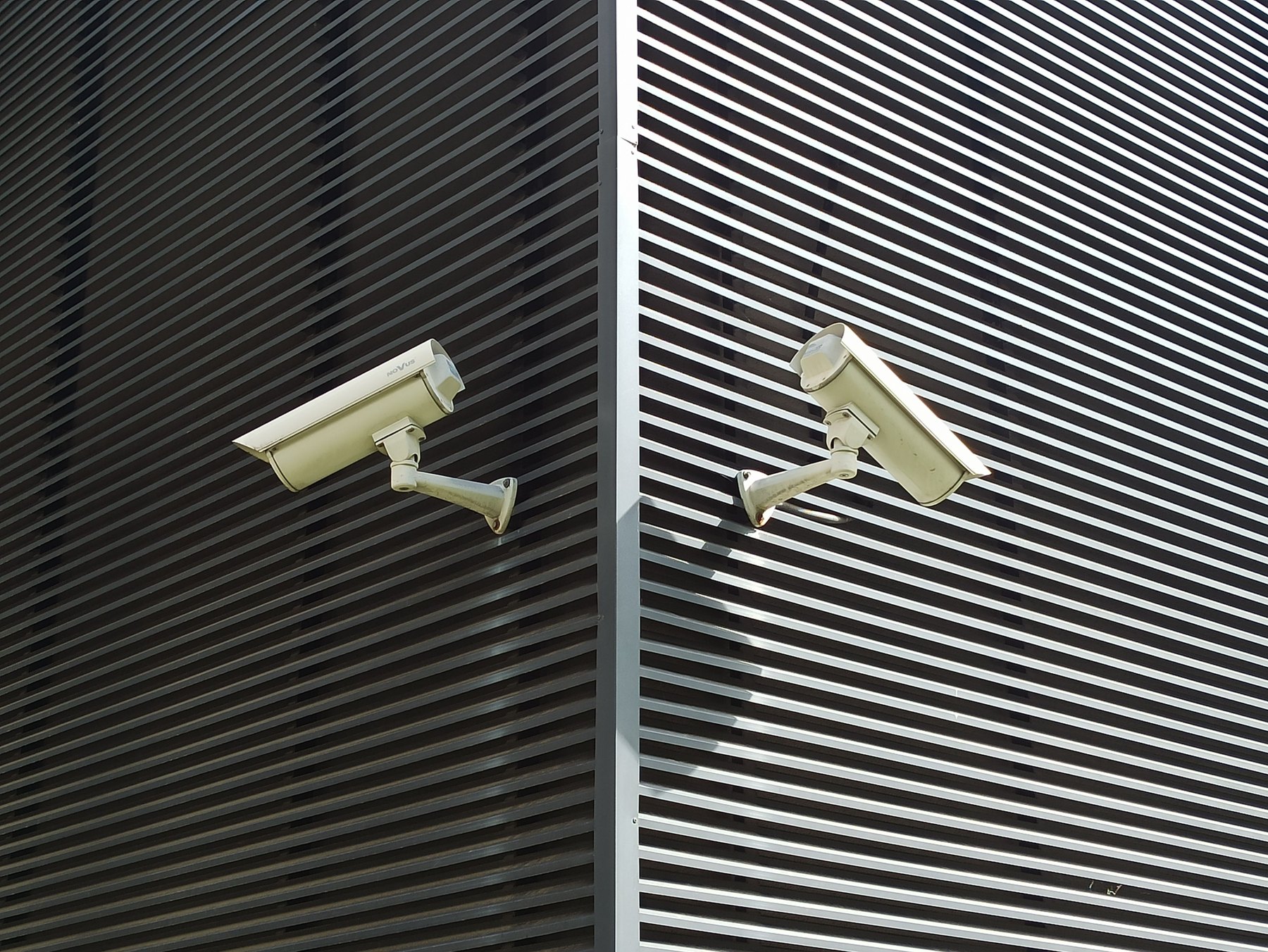
You will usually see ADT monthly costs discussed as a monitoring fee, but your true monthly outlay may be higher if equipment is financed. Instead of relying on a single number, use a range based on what you want the system to do.
| Setup type | What it usually includes | Common monthly range (monitoring) | What can push it higher |
|---|---|---|---|
| Basic intrusion monitoring | Door/window sensors, motion sensor, alarm panel, professional monitoring | $30 to $50 | More sensors, cellular backup, longer contract terms, local fees |
| Security plus cameras | Basic system plus 1 to 3 cameras and app features | $45 to $70 | More cameras, higher video storage tier, advanced analytics |
| Security plus smart home | Locks, thermostat integration, automation rules, more sensors | $50 to $80 | Multiple smart locks, garage control, add-on devices |
| Full-featured package | Multiple cameras, smart home, life safety sensors, premium monitoring | $60 to $100+ | Large homes, many entry points, specialty detectors, financed equipment |
Important: the monitoring range above is not the same as your total monthly cost if you finance equipment. If your package includes an equipment payment, add that amount to estimate your true monthly outlay.
What changes your ADT monthly bill the most
1) Equipment count and home size
A small apartment may need a few door sensors and one motion sensor. A two-story home with multiple exterior doors, ground-floor windows, and detached garage can require many more sensors and possibly multiple keypads.
Rule of thumb: the more entry points you want protected, the more sensors you will buy, and the more likely you are to add cameras.
2) Cameras and video storage
Cameras often increase monthly costs because of cloud storage, higher monitoring tiers, or premium app features. Decide whether you want:
- Live view only
- Event clips and cloud history
- Continuous recording (if offered) or longer retention
3) Professional installation vs DIY
Professional installation can add an upfront fee, but it may reduce setup headaches for larger systems. DIY can lower upfront costs, but you still want to price your time and comfort with troubleshooting.
4) Contract length and promotions
Promotional pricing can lower the initial monthly cost, but you should confirm:
- How long the promotional rate lasts
- What the rate becomes after the promo period
- Whether equipment is financed and for how long
- Any early termination fees or cancellation rules
5) Cellular backup and redundancy
Many modern systems use cellular communication. Some packages include cellular by default. Others may price it as part of a higher monitoring tier. If you want redundancy, ask whether the system can use both broadband and cellular.
6) Permits, taxes, and local fees
Some cities require an alarm permit and may charge fees for false alarms. Ask your local police or city website about requirements. You can also check consumer guidance on avoiding scams and understanding service terms at the FTC consumer advice site.
Real-number examples: estimating your monthly cost
Because ADT pricing can vary, the most useful approach is to build a simple estimate using ranges. Below are three sample scenarios that show how monthly costs can add up when you include monitoring plus a possible equipment payment.
Scenario A: Small apartment, basic protection
- Monitoring: $35 to $45 per month
- Equipment payment (if financed): $0 to $20 per month
- Estimated total monthly outlay: $35 to $65
Best fit: renters or small spaces who want professional monitoring and a simple sensor setup.
Scenario B: Medium home, cameras at key points
- Monitoring: $50 to $70 per month
- Equipment payment (if financed): $15 to $40 per month
- Estimated total monthly outlay: $65 to $110
Best fit: homeowners who want a front door camera, backyard coverage, and app alerts.
Scenario C: Larger home, smart home plus life safety
- Monitoring: $70 to $100+ per month
- Equipment payment (if financed): $30 to $70 per month
- Estimated total monthly outlay: $100 to $170+
Best fit: larger households that want multiple cameras, smart locks, and smoke/CO monitoring.
Budget decision rules: when ADT fits and when to consider alternatives
Home security is a recurring expense, so it helps to set a clear budget rule before you shop. Here are decision rules you can use without needing perfect pricing upfront.
If your timeline is under 1 year
- Prioritize low upfront costs and flexibility.
- Ask about contract length, cancellation terms, and whether equipment is portable if you move.
- Consider whether a DIY system with optional monitoring meets your needs.
If your timeline is 1 to 3 years
- Compare total cost over 24 to 36 months, not just the first-month promo.
- Decide whether you prefer financing equipment or paying more upfront to keep monthly costs lower.
If your timeline is 3 to 7 years
- Focus on reliability, service quality, and upgrade paths.
- Ask how equipment replacements work and what warranties apply.
- Compare the cost of staying monitored long term versus switching providers later.
If your timeline is 7+ years
- Think in terms of lifetime cost: monitoring fees over many years can exceed equipment costs.
- Consider whether you want a system that can keep working locally if you ever stop paying for monitoring.
- Plan for technology changes: cameras and hubs may need replacement over time.
ADT vs other security options (named examples)
ADT is one recognizable option, but it is not the only way to get monitored security. Comparing a few well-known alternatives can clarify what you value most: contract flexibility, DIY setup, camera features, or professional installation.
| Option | Best fit | What to compare | Main drawback to watch |
|---|---|---|---|
| ADT | People who want a long-established brand and professional monitoring | Monitoring tiers, contract terms, equipment financing, installation fees | Can be more complex pricing with contracts and promos |
| Vivint | Smart home heavy setups with pro installation | Equipment costs, smart home integrations, contract length | Often higher total cost when equipment is financed |
| SimpliSafe | DIY users who want optional professional monitoring | Monthly monitoring options, camera performance, add-on sensors | DIY setup and placement is on you |
| Ring Alarm | Budget-focused DIY with app ecosystem | Monitoring plan features, camera subscriptions, compatibility | Feature set can depend on subscriptions and ecosystem |
| Frontpoint | DIY with a focus on monitoring and customer service | Monitoring pricing, equipment bundles, contract terms | Costs can be higher than entry-level DIY options |
| Abode | DIY users who want flexible smart home integrations | Monitoring options, automation features, device compatibility | May require more setup and tinkering for best results |
A practical checklist before you sign up
Use this checklist to avoid surprises and to compare ADT quotes against other providers on equal footing.
| Question | Why it matters | What to write down |
|---|---|---|
| What is the monthly monitoring price today and after promos? | Intro rates can change later | Promo length and post-promo price |
| Is equipment purchased upfront or financed? | Financing increases monthly cost and total cost | Equipment total, APR if any, term length |
| What is the contract length and cancellation policy? | Impacts flexibility if you move or switch | Contract term, early termination fees |
| What communication path is used (cellular, broadband, both)? | Redundancy affects reliability | Included communication method and any add-on cost |
| What does the warranty cover and for how long? | Repairs and replacements can be costly | Warranty term, service call fees |
| Do you need a city alarm permit? | Permits and false alarm fees can add costs | Permit cost, renewal schedule, false alarm rules |
How to compare quotes using total cost, not just monthly price
Two plans can have the same monthly monitoring fee but very different total costs once you include equipment, installation, and contract length. A simple way to compare is to calculate a 36-month estimate.
36-month comparison formula
- Total monitoring cost = monthly monitoring fee x 36
- Plus installation fee (if any)
- Plus equipment cost (upfront) or total of equipment payments
- Plus estimated taxes and local fees
Example with real numbers
Suppose Provider A offers $45 monitoring with $0 install and $600 equipment upfront. Provider B offers $55 monitoring with $0 upfront equipment but $25 equipment payment for 24 months.
- Provider A 36-month estimate: ($45 x 36) + $600 = $2,220
- Provider B 36-month estimate: ($55 x 36) + ($25 x 24) = $2,580
This type of math helps you see whether a lower upfront deal is actually cheaper over time.
Ways to lower your monthly cost without cutting safety corners
- Start with entry points first: prioritize exterior doors and high-traffic windows before adding many interior sensors.
- Limit cameras to high-value angles: front door, driveway, and a main back entry are common priorities.
- Ask for itemized pricing: separating monitoring, equipment, and installation makes it easier to adjust.
- Consider paying more upfront: if you can afford it, buying equipment upfront can reduce ongoing monthly payments.
- Check insurance discounts carefully: some homeowners insurers offer discounts for monitored systems, but the discount varies. Ask your insurer what documentation is needed and compare the discount to your added monthly cost.
Security cost planning like a monthly bill
If you are fitting ADT into your budget, treat it like any other recurring commitment. A simple approach is to allocate a fixed amount each month for home security and related home tech.
Three sample monthly budgets (that add up)
- $50 per month total: $40 monitoring + $10 savings for replacements and batteries
- $90 per month total: $60 monitoring + $20 equipment payment + $10 maintenance savings
- $140 per month total: $85 monitoring + $45 equipment payment + $10 maintenance savings
That maintenance line helps you handle battery replacements, a new camera, or a sensor upgrade without putting it on a high-interest credit card.
Related money considerations: credit, financing, and avoiding high-cost debt
If you finance equipment, you are taking on a payment obligation similar to other installment plans. Before you commit, check whether the financing includes interest and what happens if you cancel service early.
If you are comparing offers and want to keep an eye on your credit profile, you can review your credit reports for free at AnnualCreditReport.com. For broader guidance on managing credit and debt, the Consumer Financial Protection Bureau has practical resources.
Quick questions to ask ADT (or any provider) before checkout
- What is the all-in monthly cost including any equipment payment?
- What is due at signing: installation, activation, equipment, taxes?
- How long is the contract and what are the cancellation terms?
- Do I own the equipment, and will it work if I stop monitoring?
- What happens during a power outage or internet outage?
- Are there local permit requirements or false alarm fees?
Bottom line
ADT monthly costs can land anywhere from roughly $30 to $100+ for monitoring, and your true monthly outlay can be higher if equipment is financed. The most reliable way to estimate your price is to (1) decide your must-have features, (2) request an itemized quote, and (3) compare total cost over at least 24 to 36 months against a few recognizable alternatives.
If you want to reduce surprises, write down the post-promo monitoring price, contract length, and any equipment payment before you commit.
Helpful reference: If you are also evaluating whether a security system affects your homeowners insurance, you can review general consumer information about insurance and financial products at the CFPB consumer tools page.


