

How to Buy Bitcoin First-Time

How to buy Bitcoin first-time starts with two decisions: where you will buy it and how you will store it after you buy.
Contents
37 sections
-
What Bitcoin is (and what you are actually buying)
-
How to buy Bitcoin first-time: step-by-step checklist
-
1) Decide your purpose and time horizon
-
2) Pick a buying method
-
3) Confirm what you will pay in total
-
4) Set up account security first
-
5) Place your first buy (start small)
-
6) Decide where the Bitcoin will live
-
Common ways to buy Bitcoin: named options to compare
-
Decision rules for picking a platform
-
Fees and price mechanics: what you are really paying
-
Trading fee vs spread
-
Deposit and withdrawal costs
-
Budgeting your first Bitcoin purchase with real numbers
-
Scenario A: $500 available to invest
-
Scenario B: $2,000 available to invest
-
Scenario C: $10,000 available to invest
-
Decision rules that keep the numbers realistic
-
One-time buy vs recurring buys (DCA)
-
Example schedule
-
Storage options: keeping Bitcoin on an exchange vs using a wallet
-
Custodial storage (on an exchange or app)
-
Non-custodial storage (your own wallet)
-
Hot wallet vs hardware wallet
-
Practical wallet safety checklist
-
How to avoid common Bitcoin buying mistakes
-
Mistake 1: Using a credit card without understanding the costs
-
Mistake 2: Ignoring withdrawal rules and holds
-
Mistake 3: Buying the wrong asset by symbol confusion
-
Mistake 4: Sending BTC to the wrong network or address
-
Mistake 5: Falling for "guaranteed returns" pitches
-
Taxes and recordkeeping basics
-
Security and consumer protection moves that matter
-
Protect your identity and accounts
-
Know what protections apply to your cash
-
Quick pre-buy checklist you can copy
-
Putting it all together: a simple first-time plan
Bitcoin can be bought in minutes, but buying thoughtfully takes a little planning. Fees, price swings, account security, and taxes can matter as much as the price you see on the screen. This guide walks through a practical process, shows real-number examples, and compares common ways to buy so you can choose what fits your budget and comfort level.
What Bitcoin is (and what you are actually buying)
Bitcoin (BTC) is a digital asset that can be sent and received on a public network called the blockchain. When you buy Bitcoin, you are typically buying a fraction of a bitcoin, not necessarily a whole coin. Your ownership is represented by control of cryptographic keys. In practice, most first-time buyers start by purchasing BTC through an exchange or app, then decide whether to keep it on the platform or move it to a personal wallet.
How to buy Bitcoin first-time: step-by-step checklist
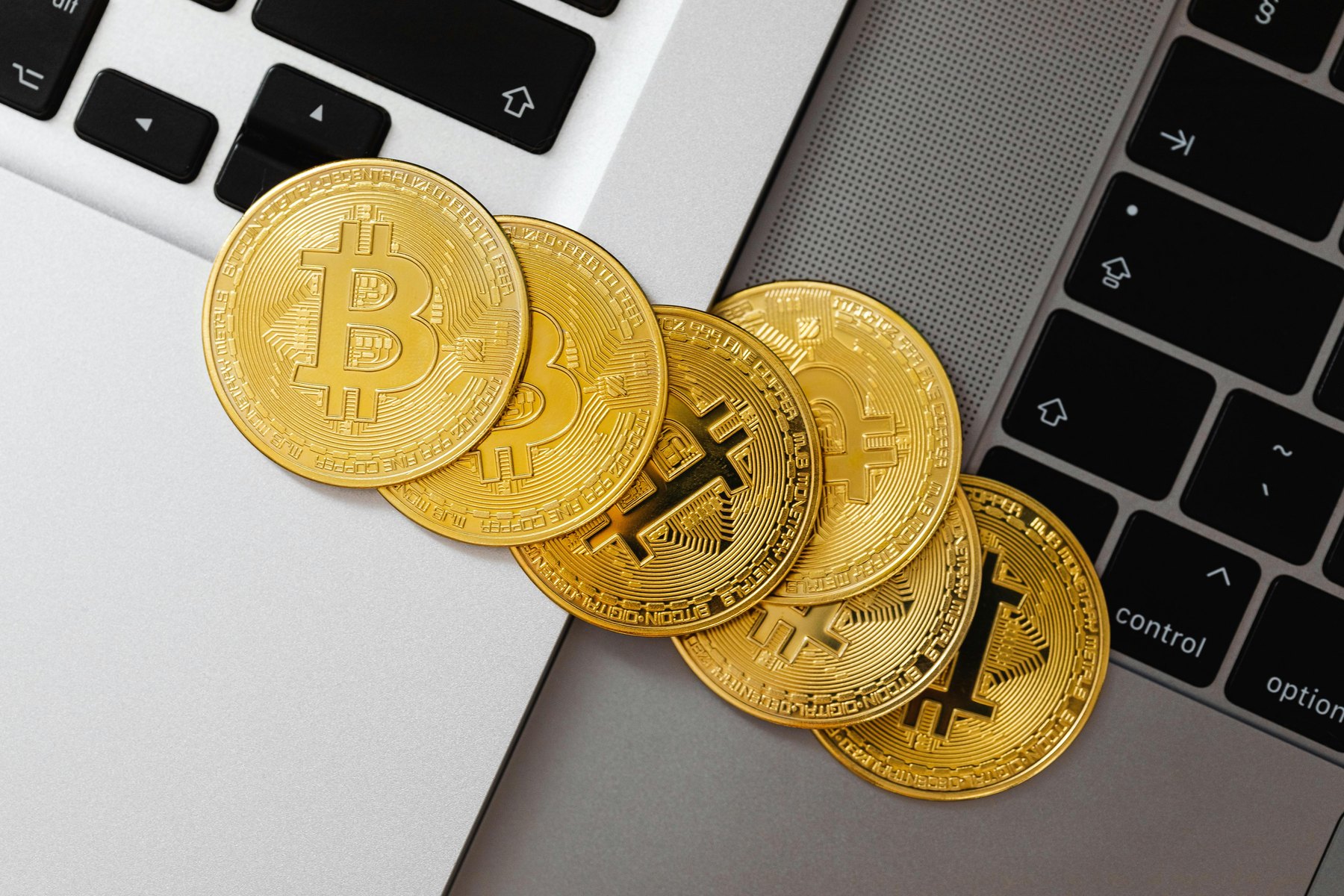
Use this checklist to avoid the most common first-purchase mistakes.
1) Decide your purpose and time horizon
- Short term (under 1 year): Many people avoid large allocations here because price swings can be sharp. If you buy, consider keeping the amount small relative to your budget.
- 1 to 3 years: Decide in advance how you will handle a major drop (for example, 30% to 60%).
- 3 to 7 years: Consider whether you can hold through multiple market cycles without needing the money.
- 7+ years: Your biggest risks often shift toward security, custody, and long-term recordkeeping for taxes.
2) Pick a buying method
- Centralized exchange: Often lower trading fees and more features.
- Brokerage style app: Simpler interface, sometimes higher spreads or fewer advanced order types.
- Bitcoin ATM: Convenient but often expensive.
- Peer-to-peer: Can work for some users, but requires extra care to avoid scams.
3) Confirm what you will pay in total
Before you click buy, look for:
- Trading fee (percentage or flat)
- Spread (difference between buy and sell price)
- Deposit and withdrawal fees (bank transfer, debit card, wire)
- Network fee if you withdraw BTC to a wallet
4) Set up account security first
- Use a unique, long password stored in a password manager.
- Turn on two-factor authentication (2FA) using an authenticator app, not SMS if you can avoid it.
- Write down backup codes and store them securely offline.
5) Place your first buy (start small)
Many first-time buyers choose a small test purchase to learn the process and confirm they can withdraw and store BTC correctly.
6) Decide where the Bitcoin will live
- On the platform: Easier, but you rely on the platform’s security and policies.
- In your own wallet: More control, but you are responsible for protecting the recovery phrase.
Common ways to buy Bitcoin: named options to compare
Below are recognizable options many U.S. buyers consider. Availability, features, and fees can change, so compare current pricing, deposit methods, and withdrawal rules before choosing.
| Option | Best fit | What to compare | Main drawback |
|---|---|---|---|
| Coinbase | Beginners who want a well-known interface | Trading fees vs spread, withdrawal fees, order types | Costs can be higher depending on how you place orders |
| Kraken | Users who want more trading tools | Fee tiers, funding methods, security features | Interface can feel complex for a first purchase |
| Gemini | Buyers who value a regulated U.S. exchange brand | Active trader pricing vs basic, withdrawal policies | Fees can vary a lot by trading mode |
| Cash App | People who want a simple buy flow in an existing app | Spread, withdrawal limits, recurring buys | Fewer advanced order types and exchange features |
| Robinhood | Investors who prefer an all-in-one investing app | Spread, transfer and custody options, account protections | Pricing is often embedded in spread, and features vary |
| Fidelity Crypto | People who already use Fidelity and want simplicity | Which coins are available, custody model, pricing | May have limits on transfers depending on the product |
| Bitcoin ATM operators (varies) | Cash buyers who need convenience | Total fee and exchange rate, ID requirements, limits | Often among the most expensive ways to buy |
Decision rules for picking a platform
- If you want lower costs, compare the fee schedule for advanced trading and check whether you can place limit orders.
- If you want simplicity, prioritize clear pricing, easy bank transfers, and straightforward withdrawals.
- If you want control, confirm you can withdraw BTC to your own wallet and review withdrawal limits and holds.
- If you want faster access, check whether debit card purchases are allowed and what the fees are, but compare that cost to waiting for an ACH transfer.
Fees and price mechanics: what you are really paying
Two people can buy Bitcoin at the same moment and pay different effective prices because of fees and spreads. Here are the main cost components to understand.
Trading fee vs spread
- Trading fee: A stated fee such as 0.X% per trade or a flat fee.
- Spread: The built-in difference between the buy price and sell price. Some apps advertise zero commission but earn through spread.
Deposit and withdrawal costs
- ACH bank transfer: Often lower cost, but may take time and can have holds.
- Debit card: Often faster, typically higher fees.
- Wire transfer: Faster settlement, but your bank may charge a wire fee.
- Crypto withdrawal: You may pay a fee to withdraw BTC to your wallet, plus the network fee depending on how the platform structures it.
| Cost item | Where you see it | Why it matters | How to reduce it |
|---|---|---|---|
| Spread | Quoted buy price vs market price | Can be a hidden cost on simple buy screens | Compare platforms, consider limit orders where available |
| Trading fee | Order preview or fee schedule | Directly reduces how much BTC you receive | Check advanced pricing tiers and order type fees |
| Funding fee | Deposit method selection | Debit and credit funding can be costly | Use ACH when timing allows, compare bank fees |
| Withdrawal fee | Withdraw screen | Impacts cost to move BTC to your wallet | Batch withdrawals, compare platform policies |
| Network fee | On-chain transfer | Varies with network demand | Withdraw when fees are lower if timing is flexible |
Budgeting your first Bitcoin purchase with real numbers
A practical way to start is to separate your money into buckets: essentials, near-term goals, and high-volatility investments. Below are three sample allocations that add up correctly. These are examples, not rules.
Scenario A: $500 available to invest
- $350 to a savings buffer or near-term bills (70%)
- $100 to extra debt payments (20%)
- $50 to Bitcoin as a learning position (10%)
Scenario B: $2,000 available to invest
- $1,200 to emergency fund or sinking funds (60%)
- $500 to retirement or diversified investments (25%)
- $300 to Bitcoin (15%)
Scenario C: $10,000 available to invest
- $5,000 to emergency fund and near-term goals (50%)
- $4,000 to diversified long-term investments (40%)
- $1,000 to Bitcoin (10%)
Decision rules that keep the numbers realistic
- If you have high-interest debt, many people prioritize paying it down before increasing volatile investments.
- If you do not yet have 3 to 12 months of expenses in a stable place, consider building that first or keeping your Bitcoin allocation smaller.
- If you might need the money in under 1 year, consider limiting Bitcoin exposure because price swings can be large over short periods.
One-time buy vs recurring buys (DCA)
Two common approaches:
- Lump sum: Buy once. Simple, but your entry price depends on that day’s market.
- Recurring buys (often called dollar-cost averaging): Buy smaller amounts on a schedule, such as weekly or monthly. This can reduce the stress of picking a single entry point, but you may pay more total fees if each purchase has a minimum fee.
Example schedule
If you plan to invest $600 over 3 months, you could buy $50 per week for 12 weeks. Before setting it, check whether the platform charges a flat fee per trade or a percentage, and whether recurring buys use a higher spread than advanced trading.
Storage options: keeping Bitcoin on an exchange vs using a wallet
Where you store BTC is a core part of risk management.
Custodial storage (on an exchange or app)
- Pros: Easy access, password resets, less chance of losing a recovery phrase.
- Cons: You rely on the platform’s security, withdrawal policies, and account access controls.
Non-custodial storage (your own wallet)
- Pros: You control the keys and can move funds without relying on a platform’s approval process.
- Cons: If you lose your recovery phrase or send BTC to the wrong address, you may not be able to recover it.
Hot wallet vs hardware wallet
- Hot wallet: A wallet app on your phone or computer. Convenient, but exposed to device risks.
- Hardware wallet: A dedicated device designed to keep keys offline. Often used for larger balances, but requires careful setup and secure storage of the recovery phrase.
Practical wallet safety checklist
- Write the recovery phrase on paper or metal backup and store it in a secure place.
- Do not store recovery phrases in screenshots, email drafts, or cloud notes.
- Verify addresses carefully when sending BTC. Consider a small test send first.
- Watch for phishing. Use bookmarked URLs and double-check app downloads.
How to avoid common Bitcoin buying mistakes
Mistake 1: Using a credit card without understanding the costs
Some platforms allow credit card purchases, but costs can include cash-advance fees, high APR interest, and platform fees. If you are borrowing to buy a volatile asset, the downside can be amplified if prices fall while interest accrues.
Mistake 2: Ignoring withdrawal rules and holds
Some platforms place holds on newly deposited funds or limit withdrawals for new accounts. Check withdrawal limits, identity verification steps, and any waiting periods before you buy.
Mistake 3: Buying the wrong asset by symbol confusion
Bitcoin is typically listed as BTC. Be careful with similarly named tokens. Use the platform’s asset details page to confirm you are buying Bitcoin.
Mistake 4: Sending BTC to the wrong network or address
When withdrawing, confirm you are sending Bitcoin to a Bitcoin address. If a platform offers multiple networks or formats, read the prompts carefully and do a small test transfer first.
Mistake 5: Falling for “guaranteed returns” pitches
Be skeptical of anyone promising guaranteed profits, “risk-free” crypto returns, or urgent pressure to act. The FTC tracks common scam patterns and reporting steps at consumer.ftc.gov.
Taxes and recordkeeping basics
In the U.S., crypto transactions can create taxable events. Selling Bitcoin for dollars, trading it for another coin, or using it to buy goods can trigger capital gains or losses. Keep records of:
- Date of purchase
- Amount of BTC
- Price paid and fees
- Date and price when sold or spent
For official guidance and updates, review the IRS virtual currency resources at irs.gov.
Security and consumer protection moves that matter
Protect your identity and accounts
- Use strong 2FA and avoid reusing passwords.
- Be cautious with links in texts and emails that claim your account is locked.
- Consider freezing your credit if you are concerned about identity theft. You can also monitor your credit reports through AnnualCreditReport.com.
Know what protections apply to your cash
If you keep cash in a bank account, FDIC insurance rules may apply depending on the account type and ownership category. Learn the basics at fdic.gov. Crypto itself is generally not FDIC-insured just because you bought it through an app.
Quick pre-buy checklist you can copy
- I know my time horizon (under 1 year, 1 to 3 years, 3 to 7 years, 7+ years).
- I compared at least two platforms for total cost (fees + spread + withdrawal).
- I enabled 2FA and saved backup codes.
- I understand how to withdraw BTC and what the limits or holds are.
- I chose where I will store BTC (platform custody or my own wallet).
- I have a plan for recordkeeping for taxes.
Putting it all together: a simple first-time plan
If you want a straightforward approach, consider this sequence:
- Choose a platform with clear pricing and the ability to withdraw BTC.
- Fund via bank transfer if you can wait, and confirm total fees in the order preview.
- Make a small test purchase and, if you plan to self-custody, do a small test withdrawal to your wallet.
- Decide whether you prefer a one-time buy or a recurring schedule.
- Track your purchases and fees so you can calculate gains or losses later.
The goal for a first purchase is not to be perfect. It is to build a repeatable process that keeps costs visible and security tight.


