

How to Buy Maxi Doge Maxi

How to buy Maxi Doge Maxi starts with confirming what the token is, where it trades, and what it will cost you in fees and price swings.
Contents
32 sections
-
Before you buy: confirm the token is real and you have the right contract
-
1) Identify the blockchain and contract address
-
2) Look for common red flags
-
How to buy Maxi Doge Maxi step by step
-
Step 1: Choose a buying route (CEX vs DEX)
-
Step 2: Pick a platform and wallet that matches the chain
-
Step 3: Fund your account or wallet
-
Step 4: Place the trade and control slippage
-
Step 5: Decide where to store it
-
Costs to expect: fees, spreads, taxes, and hidden friction
-
What buying Maxi Doge Maxi can look like with real numbers
-
Scenario A: $100 test buy (learning-focused)
-
Scenario B: $500 speculative buy (controlled risk)
-
Scenario C: $2,000 high-volatility bucket (only if your basics are covered)
-
Timeline decision rules: when a meme token fits (and when it usually does not)
-
Under 1 year
-
1 to 3 years
-
3 to 7 years
-
7+ years
-
Security checklist: reduce the most common ways people lose crypto
-
Account and device security
-
Wallet safety
-
Scams and fraud resources
-
Taxes and recordkeeping: what to track from day one
-
If you are using borrowed money or credit cards to buy
-
Decision rules before borrowing to invest
-
Quick buying checklist
-
Common questions about buying Maxi Doge Maxi
-
Can I buy Maxi Doge Maxi on Coinbase?
-
What if I paste the wrong contract address?
-
Should I leave it on an exchange?
-
How do I know if fees are too high?
Maxi Doge Maxi appears to be a meme-style cryptocurrency token. Tokens like this can move fast in either direction, and the biggest mistakes usually come from buying the wrong contract address, overpaying fees, or using a risky setup for storage. This guide walks through a practical process you can use to research the token, choose a platform, place a trade, and store it more safely.
Before you buy: confirm the token is real and you have the right contract
Many crypto losses happen before a trade even happens – from fake websites, copycat tokens, and wrong addresses. Do these checks first:
1) Identify the blockchain and contract address
Maxi Doge Maxi could exist on different chains (for example Ethereum, BNB Chain, Solana, Base, or others). The chain matters because it determines which wallet you need, which fees you pay, and which exchanges can trade it.
- Find the official contract address from the project’s official channels (website and verified social accounts). Be cautious with paid ads and replies in comment threads.
- Cross-check on a reputable explorer for that chain (for example Etherscan for Ethereum, BscScan for BNB Chain, Solscan for Solana). Confirm the token name, symbol, decimals, and holder distribution.
- Check liquidity and trading pairs on the DEX where it trades. Very low liquidity can mean large price slippage.
2) Look for common red flags
- Copycat contracts with similar names and symbols.
- Locked or unlocked liquidity – if liquidity can be pulled, trading can become impossible.
- Extreme concentration – if a few wallets hold most tokens, price can be heavily influenced.
- Transfer taxes and blacklists – some tokens include buy or sell taxes or restrictions. Read the token details and community documentation.
If you are unsure about the contract address, pause. Buying the wrong token is usually irreversible.
How to buy Maxi Doge Maxi step by step
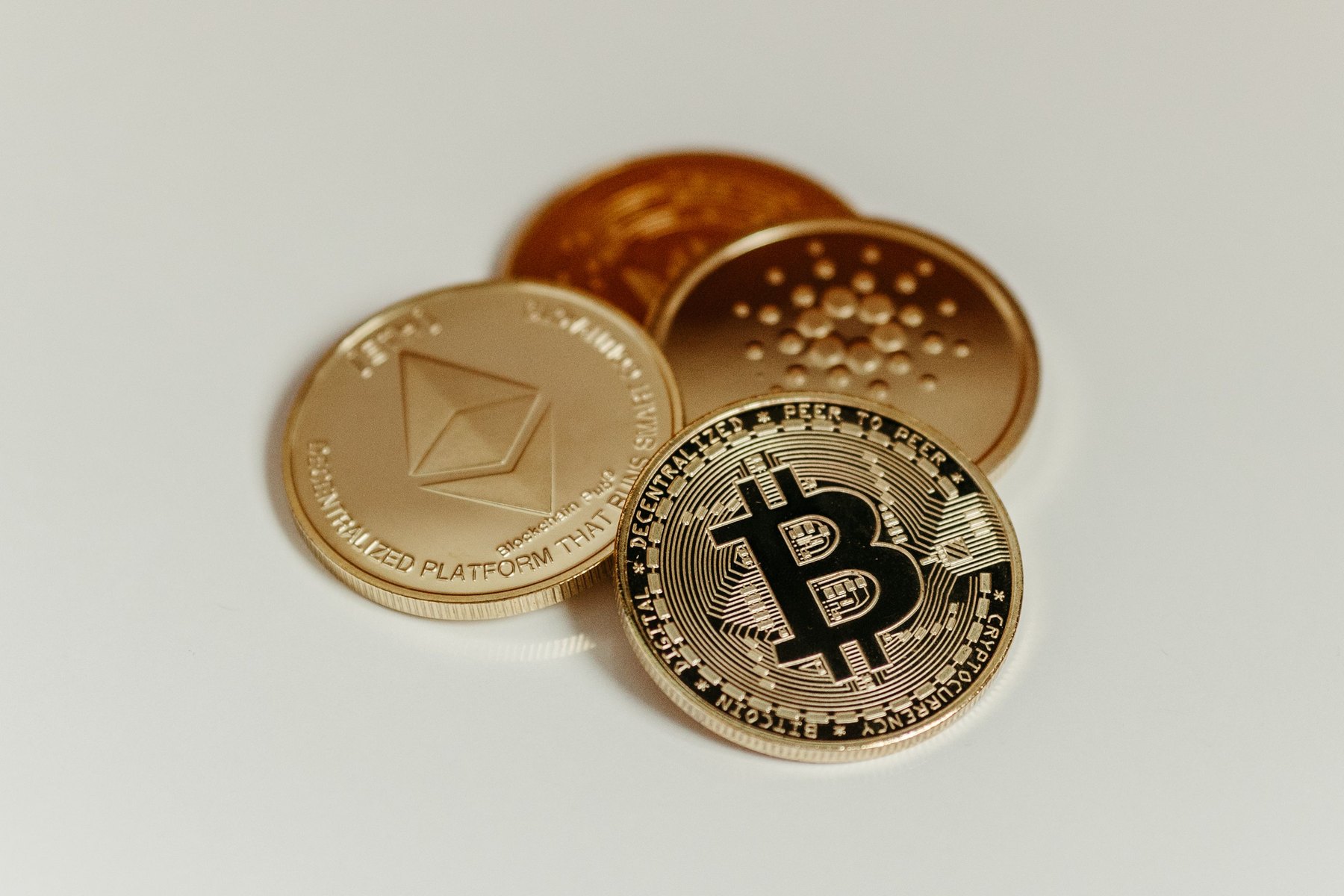
The exact steps depend on where the token trades. Many meme tokens are available first on decentralized exchanges (DEXs). Some later appear on centralized exchanges (CEXs). Below is a practical flow that works for most tokens.
Step 1: Choose a buying route (CEX vs DEX)
CEX route means you buy through an exchange account. DEX route means you trade from your wallet using a DEX.
| Route | Best fit | What you compare | Main drawback |
|---|---|---|---|
| Centralized exchange (CEX) | You want simpler buying and order types | Trading fees, withdrawal fees, supported chain, security controls | Custody risk if you leave coins on the exchange |
| Decentralized exchange (DEX) | You need access to a token not listed on CEXs | Network fees, slippage, liquidity, contract address accuracy | More user responsibility and scam risk if you use the wrong contract |
Step 2: Pick a platform and wallet that matches the chain
Here are well-known options people commonly compare. Availability varies by location and by token listing, so verify that Maxi Doge Maxi is actually supported.
| Option | Best fit | What to compare | Main drawback |
|---|---|---|---|
| Coinbase (CEX) | Beginners who want a mainstream interface | Whether the token is listed, trading fees, withdrawal options | Many small tokens are not listed |
| Kraken (CEX) | Users who value strong security controls | Listings, fees, supported networks for withdrawals | Token availability varies by region |
| Binance or Binance.US (CEX) | Active traders comparing liquidity and pairs | Listings, fees, chain support, withdrawal fees | Not available everywhere; policies change |
| MetaMask + Uniswap (DEX) | Ethereum or EVM-chain tokens | Gas fees, slippage, correct contract address | Easy to interact with fake tokens if you paste the wrong address |
| Phantom + Jupiter (DEX aggregator) | Solana tokens | Swap route, slippage, token mint address | Fast-moving tokens can have high slippage |
If Maxi Doge Maxi is only on a DEX, you will typically need:
- A compatible wallet (for example MetaMask for EVM chains, Phantom for Solana).
- The network’s native coin for fees (for example ETH for Ethereum gas, SOL for Solana fees).
- A base asset to swap from (often ETH, USDC, or another commonly traded token on that chain).
Step 3: Fund your account or wallet
Funding usually happens in one of two ways:
- Bank transfer or debit card to a CEX, then buy a base asset (like USDC) and either buy the token directly (if listed) or withdraw to your wallet.
- Transfer crypto to your wallet (for example USDC on the correct chain), then swap on a DEX.
Key decision rule: match the network on every step. USDC on Ethereum is not the same as USDC on Solana or Base. Sending to the wrong network can lead to delays, extra steps, or loss.
Step 4: Place the trade and control slippage
When swapping on a DEX, you will usually see:
- Price impact – how much your trade moves the price due to liquidity.
- Slippage tolerance – the maximum price movement you accept before the trade fails.
- Network fee – gas or transaction fee paid to the network.
Practical approach for volatile tokens:
- Start with a small test swap to confirm you have the correct token and that you can sell it back if needed.
- Use limit orders if your platform supports them (some DEX tools and many CEXs do). If not, keep market swaps small enough that slippage stays reasonable.
- Watch total cost: swap fee + network fee + token taxes (if any).
Step 5: Decide where to store it
You generally have three storage choices:
- Leave it on an exchange – convenient, but you rely on the exchange’s custody and account security.
- Self-custody in a software wallet – more control, but you must protect your seed phrase and device.
- Self-custody with a hardware wallet – often used for larger balances because keys are kept offline.
For self-custody, write down your recovery phrase offline and store it securely. Do not share it or type it into random websites. If someone gets your seed phrase, they can take your assets.
Costs to expect: fees, spreads, taxes, and hidden friction
Crypto costs can be obvious (trading fees) and not-so-obvious (slippage and spreads). Use this checklist before buying:
| Cost type | Where it shows up | What to check | Why it matters |
|---|---|---|---|
| Trading fee | CEX or DEX | Maker/taker fees or swap fee | Directly reduces your position size |
| Network fee (gas) | DEX swaps and withdrawals | Current network congestion and fee estimate | Can be large relative to small trades |
| Spread | Instant buy features and low-liquidity markets | Difference between buy and sell quotes | Hidden cost that can exceed the stated fee |
| Slippage | DEX swaps | Price impact and slippage tolerance | In volatile tokens, execution can be worse than expected |
| Token tax or transfer fee | Some meme tokens | Buy/sell tax, transfer restrictions | Can make round-trip trading expensive |
| Withdrawal fee | CEX withdrawals | Fee by network and minimum withdrawal | Affects cost to move to self-custody |
What buying Maxi Doge Maxi can look like with real numbers
Below are example budgets to show how fees and volatility can affect a purchase. These are not predictions. They are planning examples so you can stress-test your decision.
Scenario A: $100 test buy (learning-focused)
- $80 into the token
- $20 held back for network fees, a second test transaction, or a sell test
Decision rule: if fees would consume more than about 5% to 10% of your planned buy, consider waiting for lower fees, using a different chain (if available), or increasing the test size only if you can afford the risk.
Scenario B: $500 speculative buy (controlled risk)
- $350 into the token
- $100 kept in cash savings (not on the exchange) to avoid over-committing
- $50 reserved for fees and future rebalancing trades
Decision rule: consider splitting into 2 to 3 smaller buys to reduce the chance you enter at a short-term spike, especially if liquidity is thin.
Scenario C: $2,000 high-volatility bucket (only if your basics are covered)
- $1,200 into the token
- $500 into a more established crypto asset or stablecoin for flexibility (verify the issuer and chain)
- $300 reserved for fees, risk management, and potential tax payments
Decision rule: if a 50% drawdown would force you to borrow money, miss bills, or carry credit card debt, the position size is likely too large.
Timeline decision rules: when a meme token fits (and when it usually does not)
Under 1 year
- Focus on liquidity, fees, and your exit plan.
- Consider using smaller position sizes and testing sell functionality early.
- Avoid tying up money needed for near-term bills, rent, or debt payments.
1 to 3 years
- Expect long periods of low activity and sudden spikes.
- Plan how you will secure the wallet long-term (hardware wallet, backups).
- Track your cost basis and transactions for taxes.
3 to 7 years
- Project risk becomes more important than daily price moves.
- Re-check tokenomics, community activity, and whether liquidity remains healthy.
- Consider whether you would rather hold broader, more liquid assets for long horizons.
7+ years
- Assume platforms, wallets, and chains may change.
- Prioritize durable storage practices and clear records.
- Reassess whether the position still fits your overall financial plan.
Security checklist: reduce the most common ways people lose crypto
Account and device security
- Use a unique password and app-based 2FA (not SMS when possible).
- Beware of fake support accounts and urgent messages.
- Keep your phone and computer updated.
Wallet safety
- Never share your seed phrase. No legitimate exchange or wallet support will ask for it.
- Verify URLs and consider bookmarking the real sites you use.
- For larger balances, consider a hardware wallet and a small “spending” wallet for DEX activity.
Scams and fraud resources
If you want practical guidance on spotting and reporting scams, these sources are helpful:
Taxes and recordkeeping: what to track from day one
In many cases, crypto sales, swaps, and conversions can be taxable events. Keeping clean records makes tax time easier.
- Record the date, amount, and USD value at the time of each buy, sell, and swap.
- Save transaction IDs (hashes) and exchange confirmations.
- Track fees separately because they can affect your cost basis.
For general tax information, you can start with the IRS:
If you are using borrowed money or credit cards to buy
Some people try to buy crypto with credit cards, cash advances, or personal loans. This can add interest costs and repayment pressure on top of price volatility.
Decision rules before borrowing to invest
- If you are carrying revolving credit card debt, paying that down often has a clearer benefit than taking on more risk.
- If a loan payment would strain your monthly budget, avoid adding a new fixed bill for a speculative asset.
- Compare the loan APR and fees to the realistic possibility of large price swings. Volatility can be larger than the interest cost.
If you are unsure about your credit standing before applying for any borrowing product, you can check your credit reports at:
Quick buying checklist
- Confirm the correct chain and contract address from official sources.
- Choose CEX or DEX based on availability and your comfort with self-custody.
- Fund with the correct network asset and keep extra for fees.
- Do a small test trade first and confirm you can sell.
- Store securely and back up recovery phrases offline.
- Track every transaction for taxes and budgeting.
Common questions about buying Maxi Doge Maxi
Can I buy Maxi Doge Maxi on Coinbase?
Maybe. Many smaller tokens are not listed on large exchanges. Search the exchange directly and verify the token details. If it is not listed, it may only be available via a DEX on a specific chain.
What if I paste the wrong contract address?
You could buy a different token entirely, including a scam token. Always cross-check the address in multiple official places and confirm it on the chain explorer before trading.
Should I leave it on an exchange?
Leaving assets on an exchange can be convenient for trading, but it concentrates risk in one account. Many people move longer-term holdings to self-custody, especially if the amount is meaningful to them.
How do I know if fees are too high?
Compare total costs as a percentage of your trade size. If the combined trading fee, network fee, and slippage are taking a large bite out of your purchase, consider waiting, using a different route, or reducing trade frequency.
Buying a token like Maxi Doge Maxi is mostly about process: verify the contract, choose a reputable route, control fees and slippage, and secure your storage. If you handle those well, you reduce the most common avoidable mistakes.


