

How and Where to Buy the Meme Coin Pepe

How to buy Pepe coin starts with choosing a reputable place to trade, setting up a secure wallet if you want self-custody, and understanding the fees and risks before you place an order.
Contents
30 sections
-
What is Pepe (PEPE) and what you should know first
-
How to buy Pepe coin step by step
-
Option A: Buy PEPE on a centralized exchange (most common)
-
Option B: Buy PEPE on a decentralized exchange (DEX)
-
Where to buy PEPE: exchanges and apps to compare
-
Quick decision rules for choosing where to buy
-
Costs to expect: fees, spreads, and network charges
-
Wallets and storage: exchange account vs self-custody
-
Leaving PEPE on an exchange
-
Moving PEPE to a self-custody wallet
-
Hardware wallets for larger balances
-
Risk management for meme coins: practical guardrails
-
A simple checklist before you buy
-
Position sizing rules you can use
-
What this looks like with real numbers
-
Scenario 1: $500 available to invest after bills
-
Scenario 2: $2,000 available, moderate risk tolerance
-
Scenario 3: $10,000 available, higher risk tolerance but still capped
-
Timeline decision rules: when meme coins fit and when they do not
-
Under 1 year
-
1 to 3 years
-
3 to 7 years
-
7+ years
-
Taxes and recordkeeping: what to track
-
Track these items for each transaction
-
Common mistakes when buying PEPE (and how to avoid them)
-
Security and scam avoidance: quick checks that matter
-
If you are using borrowed money, pause and run this debt check
-
A quick borrowing decision rule
-
Final pre-buy checklist
Pepe (often shown as PEPE) is a meme coin. That means price moves can be fast and unpredictable, and the coin’s popularity can matter as much as the technology. If you decide to buy, focus on process: where you trade, how you store it, and how you manage risk.
What is Pepe (PEPE) and what you should know first
Pepe is a cryptocurrency token commonly traded on major crypto exchanges and on decentralized exchanges (DEXs). Meme coins can be highly volatile, and liquidity can change quickly. Before you buy, it helps to understand a few basics:
- Volatility: Large daily swings are common. A small position can still create big gains or losses.
- Fees add up: You may pay trading fees, spreads, network fees, and withdrawal fees.
- Custody choice: You can keep coins on an exchange (convenient) or in your own wallet (more control, more responsibility).
- Scams and copycats: Fake tokens and lookalike tickers exist. Always verify the contract address from reputable sources and within the exchange listing.
How to buy Pepe coin step by step
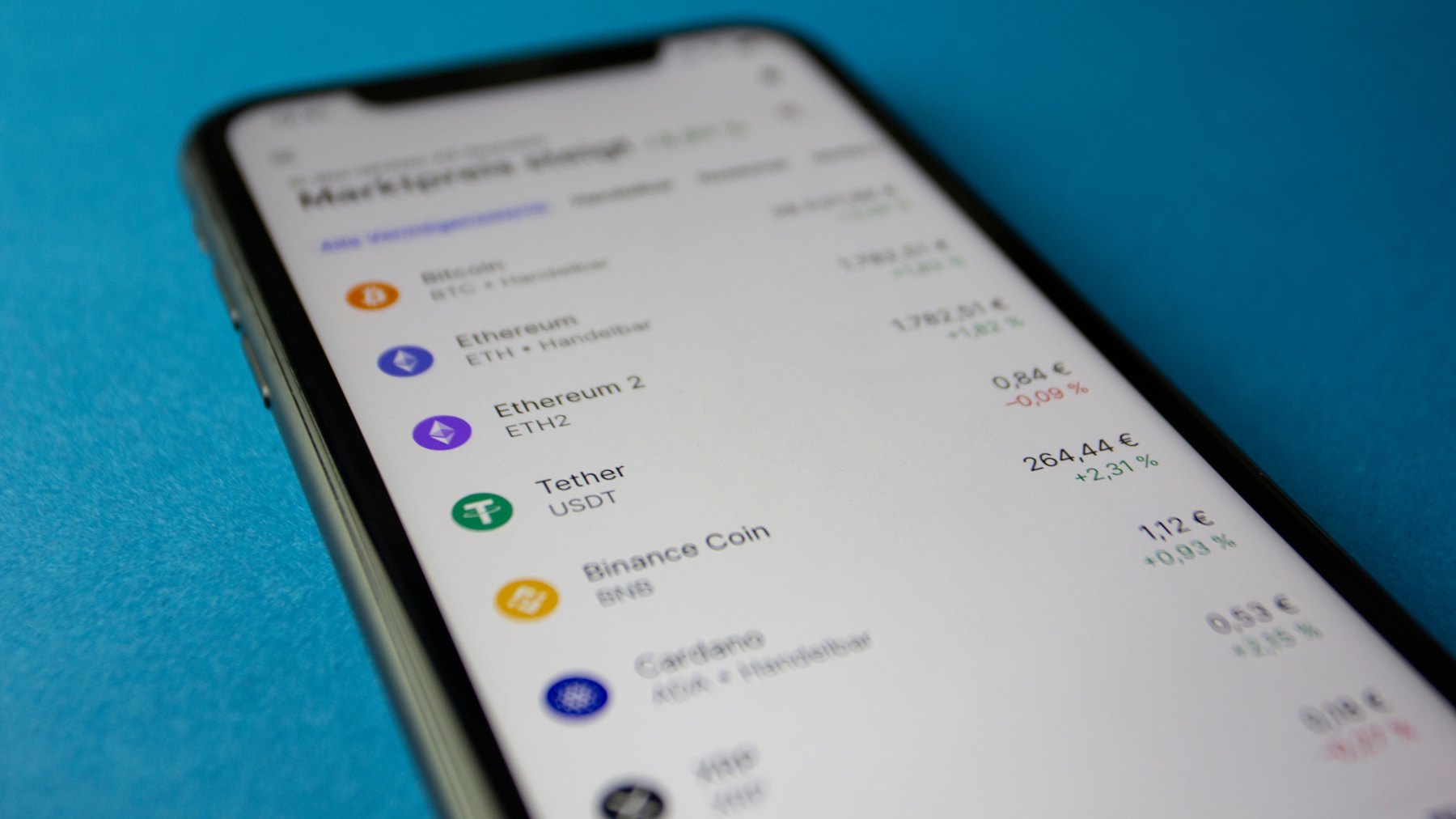
Most people buy PEPE through a centralized exchange (CEX). Some buy through a DEX using a self-custody wallet. The steps differ slightly.
Option A: Buy PEPE on a centralized exchange (most common)
- Pick an exchange that lists PEPE in your region. Confirm it supports your country and your preferred payment method.
- Create an account and complete identity verification if required. Many platforms require KYC to deposit or withdraw.
- Enable security features. Turn on app-based two-factor authentication (2FA), set a strong password, and consider withdrawal address allowlisting if available.
- Deposit funds. Common methods include bank transfer (often lower cost) or debit card (often faster but can cost more). Check deposit fees and limits.
- Find the trading pair. Examples: PEPE/USD, PEPE/USDT, PEPE/EUR. Make sure you select the correct asset.
- Choose an order type. A market order fills quickly but can be more expensive in fast markets. A limit order lets you set a price.
- Decide where to store it. You can leave it on the exchange or withdraw to a personal wallet. If you withdraw, verify the network and address carefully.
Option B: Buy PEPE on a decentralized exchange (DEX)
- Set up a self-custody wallet. Examples include MetaMask, Coinbase Wallet, or Trust Wallet. Write down the recovery phrase offline.
- Fund your wallet with the right network token for gas fees. For example, if you are swapping on Ethereum, you typically need ETH for network fees.
- Connect to a DEX. Examples include Uniswap or 1inch. Confirm you are on the correct official website to avoid phishing.
- Verify the token contract address. Use reputable sources and double-check before swapping.
- Swap using a reasonable slippage setting. Higher slippage can increase the chance of a fill but may worsen your price.
- Review the transaction details. Check network fees, token amounts, and approvals. Consider revoking token approvals later if you do not need them.
Where to buy PEPE: exchanges and apps to compare
Availability changes by country and over time. The platforms below are well-known examples that often list popular meme coins, but you should confirm PEPE is available in your location and review current fees and requirements.
| Option | Best fit | What to compare | Main drawback |
|---|---|---|---|
| Coinbase | Beginners who want a simple interface | Trading fees, spread, withdrawal fees, supported networks | Can be pricier than advanced trading platforms |
| Kraken | Users who value strong security features | Fee tiers, funding methods, withdrawal minimums | Asset availability varies by region |
| Binance | Active traders who want many markets | Maker-taker fees, liquidity, order types | Not available everywhere, rules vary by country |
| Crypto.com | Mobile-first buyers who want an all-in-one app | App spreads, card fees, withdrawal costs | Spreads can be higher in the app experience |
| Gemini | Buyers who want a regulated US-based exchange option | Fee schedule, supported states, custody choices | Coin selection can be narrower than some rivals |
| Uniswap (DEX) | Self-custody users comfortable with wallets | Network fees, slippage, token contract verification | Higher complexity and irreversible transactions |
Quick decision rules for choosing where to buy
- If you want simplicity: Start with a major exchange that supports bank transfers and limit orders.
- If you plan to trade frequently: Compare maker-taker fees, liquidity, and whether the platform offers advanced order types.
- If you want self-custody: Consider buying on an exchange and withdrawing to a wallet, or using a DEX if you understand networks and contract addresses.
- If you want to minimize fees: Compare bank transfer vs card deposit costs, and check withdrawal fees and network fees.
Costs to expect: fees, spreads, and network charges
The total cost of buying PEPE is usually more than the sticker price. Here are the common cost categories to check before you place an order:
| Cost type | Where it shows up | How to reduce it | Common mistake |
|---|---|---|---|
| Trading fee | Exchange order confirmation and fee schedule | Use lower-fee markets, consider limit orders, check fee tiers | Ignoring fees on small trades where fees are a big percentage |
| Spread | Difference between buy and sell price, often larger in “simple buy” screens | Use advanced trading view, compare quotes across platforms | Assuming “zero commission” means no cost |
| Deposit fee | Funding screen (card vs bank transfer) | Prefer bank transfer when available and practical | Using a card for convenience without checking the fee |
| Withdrawal fee | When moving PEPE off the exchange | Batch withdrawals, check supported networks and fees | Buying a small amount and losing a large share to withdrawal fees |
| Network fee (gas) | On-chain transfers and DEX swaps | Trade at lower congestion times, avoid unnecessary on-chain moves | Swapping without enough gas, causing failed transactions |
Wallets and storage: exchange account vs self-custody
Where you store PEPE affects your risk profile and your day-to-day convenience.
Leaving PEPE on an exchange
- Pros: Easy to buy and sell, password resets may be possible, no need to manage seed phrases.
- Cons: You rely on the platform’s security and policies. Withdrawals can be delayed during outages or compliance reviews.
Moving PEPE to a self-custody wallet
- Pros: You control the private keys. You can use DEXs and on-chain tools directly.
- Cons: If you lose your recovery phrase or send to the wrong address or network, you may not be able to recover funds.
Hardware wallets for larger balances
If you plan to hold a larger amount, a hardware wallet can reduce the risk of malware stealing keys. Common examples include Ledger and Trezor. Before buying, verify you are purchasing from the official store or an authorized reseller and follow setup instructions carefully.
Risk management for meme coins: practical guardrails
Meme coins can move on hype, social media, and liquidity shifts. Consider guardrails that limit how much a single trade can hurt your overall finances.
A simple checklist before you buy
- Do you have an emergency fund and are you current on essential bills?
- Are you carrying high-interest debt (like credit cards) that would be hard to manage if PEPE drops?
- Have you set a maximum dollar amount you can afford to lose?
- Do you know your total fees to buy, hold, and sell?
- Have you verified you are buying the correct asset and not a copycat token?
Position sizing rules you can use
- Start small: Many people cap meme coins at a small slice of their investable money, such as 0% to 5%, depending on risk tolerance.
- Avoid leverage: Borrowing to buy volatile assets can magnify losses.
- Plan exits in advance: Decide what would make you sell some, sell all, or hold, and write it down.
What this looks like with real numbers
Below are sample allocations to show how someone might fit a meme coin purchase into a broader plan. These are examples, not a one-size-fits-all blueprint. The key is that the totals add up and the risky bucket stays limited.
Scenario 1: $500 available to invest after bills
- $350 into a broad, diversified long-term investment or savings goal
- $125 into a higher-risk “satellite” bucket (individual stocks or crypto)
- $25 into PEPE as a small test position
Total: $350 + $125 + $25 = $500
Scenario 2: $2,000 available, moderate risk tolerance
- $1,400 into core long-term holdings
- $500 into a diversified crypto allocation (multiple major assets rather than one coin)
- $100 into PEPE
Total: $1,400 + $500 + $100 = $2,000
Scenario 3: $10,000 available, higher risk tolerance but still capped
- $7,500 into core investments
- $2,000 into diversified crypto and higher-volatility assets
- $500 into PEPE
Total: $7,500 + $2,000 + $500 = $10,000
Timeline decision rules: when meme coins fit and when they do not
Your time horizon can help you decide whether buying PEPE makes sense for your goals.
Under 1 year
- Money needed for rent, debt payments, insurance, or near-term goals usually belongs in cash-like options, not volatile coins.
- If you still buy PEPE, consider keeping it very small and assume it could drop sharply before you need the money.
1 to 3 years
- Consider whether you can delay your goal if the market drops. If not, keep risk low.
- If you allocate to PEPE, cap it and avoid relying on it for a specific purchase date.
3 to 7 years
- You may have more flexibility to take some risk, but concentration risk still matters.
- Use a written allocation target and rebalance if PEPE grows too large relative to your plan.
7+ years
- Long timelines can absorb volatility better, but meme coins can still go to near zero.
- Keep PEPE as a speculative slice rather than the foundation of your long-term plan.
Taxes and recordkeeping: what to track
Crypto taxes vary by country, and rules can change. In the US, crypto transactions are commonly treated as taxable events when you sell, trade, or spend. Keep clean records so you can report accurately.
Track these items for each transaction
- Date and time of purchase and sale
- Amount of PEPE bought or sold
- Price in your local currency at the time
- Fees paid (trading fees and network fees)
- Wallet addresses and transaction IDs (for on-chain transfers)
For US tax basics and updates, you can review the IRS crypto guidance at IRS.gov.
Common mistakes when buying PEPE (and how to avoid them)
- Buying the wrong token: Only use official exchange listings and verify contract addresses when using a DEX.
- Using a market order in a fast spike: Consider limit orders to control price, especially during high volatility.
- Forgetting withdrawal and network fees: Check the full cost to move funds before buying a small amount.
- Skipping security steps: Use 2FA, beware of phishing links, and never share recovery phrases.
- Over-allocating: Decide a maximum position size in dollars and stick to it.
Security and scam avoidance: quick checks that matter
Crypto scams often target new buyers through fake support accounts, lookalike websites, and “giveaway” posts. A few habits reduce your risk:
- Type exchange URLs manually or use a trusted bookmark.
- Do not trust direct messages claiming to be support.
- Use app-based 2FA rather than SMS when possible.
- Test withdrawals with a small amount before moving a large balance.
For practical scam guidance, review the FTC’s consumer resources at consumer.ftc.gov.
If you are using borrowed money, pause and run this debt check
Buying volatile assets with borrowed funds can increase financial stress. If you are considering using a credit card cash advance, a personal loan, or a buy now pay later plan to buy crypto, compare the cost of borrowing to your ability to repay if the coin drops.
A quick borrowing decision rule
- If you would struggle to repay the debt within 30 to 90 days from regular income, avoid using debt for speculative purchases.
- If you already carry high-interest revolving debt, prioritize a payoff plan before adding new risk.
For help understanding credit products and borrowing costs, the CFPB has plain-language resources at consumerfinance.gov.
Final pre-buy checklist
- Choose a platform: exchange or DEX, based on your comfort level.
- Confirm PEPE availability in your region and review current fees.
- Secure your account: 2FA, strong password, withdrawal protections.
- Pick an order type: limit order if you want price control.
- Decide custody: leave on exchange or withdraw to a wallet you control.
- Set a dollar cap and write down your plan to sell or rebalance.
- Track transactions for taxes and recordkeeping.
If you want to monitor whether a platform is FDIC-insured for cash balances and what that does and does not cover, you can review deposit insurance basics at FDIC.gov.


