

Understanding the Investment Fund Returns Gap (Morningstar) and How to Close It

Investment Fund Returns Gap Morningstar research highlights a common problem: many investors earn less than the funds they invest in because of timing and behavior.
Contents
40 sections
-
What the "returns gap" means in plain English
-
Investment Fund Returns Gap Morningstar: the biggest drivers
-
1) Performance chasing
-
2) Panic selling during drawdowns
-
3) Overtrading and constant switching
-
4) Cash drag from sitting on the sidelines
-
5) Misaligned time horizon
-
6) Fees and taxes (especially in taxable accounts)
-
How to spot the returns gap in your own account
-
Quick self audit checklist
-
Where to find your money weighted return
-
Decision rules by timeline (so you are less likely to sell at the wrong time)
-
Under 1 year
-
1 to 3 years
-
3 to 7 years
-
7+ years
-
What this looks like with real numbers (3 sample allocations)
-
Scenario A: $10,000 saved, goal is flexibility
-
Scenario B: $50,000 saved, planning a home down payment in 3 years
-
Scenario C: $200,000 invested, retirement is 15 years away
-
Practical habits that can narrow the gap
-
Automate contributions (and consider automating increases)
-
Use a written rebalancing rule
-
Limit the number of funds you own
-
Control what you can: costs, taxes, and diversification
-
Set "if then" rules for scary markets
-
Comparison: common fund types and how they relate to the returns gap
-
Named platforms to track performance and reduce tinkering (examples to compare)
-
Debt and cash flow: the overlooked part of the returns gap
-
When high interest debt can dominate the math
-
Common mistakes to avoid (and what to do instead)
-
How to evaluate a fund without falling into the returns gap trap
-
Fund selection checklist
-
Simple guardrails
-
Investor protection and account hygiene
-
Putting it all together: a 30 minute plan to narrow the gap
-
Step 1: Sort money into timeline buckets
-
Step 2: Pick one automation move
-
Step 3: Write two rules you will follow in a downturn
-
Step 4: Reduce triggers
This gap is not about a fund being “good” or “bad.” It is about what happens between the fund’s published return and the return a real person gets after deposits, withdrawals, switching funds, and reacting to headlines. The good news is that the gap is often driven by a few repeatable mistakes, which means you can build a process to reduce it.
What the “returns gap” means in plain English
When you look up a mutual fund or ETF, you usually see a time weighted return. That number assumes money stayed invested for the full period. Your personal return is money weighted. It reflects when you added money, when you pulled money out, and what the market did right after those moves.
The “returns gap” is the difference between:
- Fund return (time weighted, the fund’s performance)
- Investor return (money weighted, what investors actually earned on average)
Morningstar has published research over many years showing that, on average, investors tend to underperform the funds they own. The shortfall is often called a behavior gap because it is frequently linked to chasing performance, panic selling, and buying after big run ups.
Investment Fund Returns Gap Morningstar: the biggest drivers
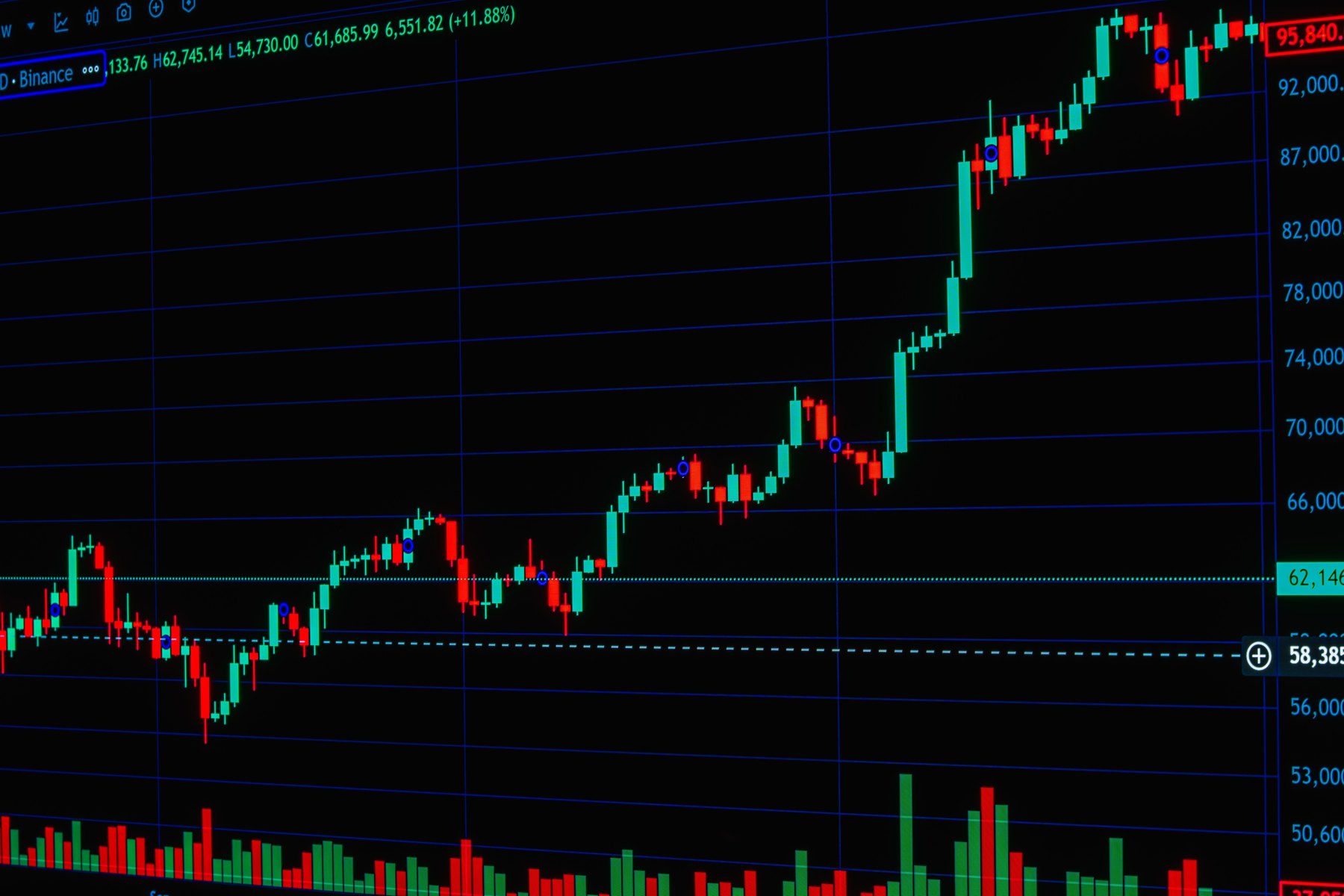
Several patterns show up again and again in investor behavior. You do not need to fix all of them to improve outcomes. Even one or two changes can make a measurable difference over time.
1) Performance chasing
Investors often buy funds after a strong run, when headlines and charts look best. If the fund then cools off, the investor experiences a weaker period and may sell, locking in a disappointing result.
2) Panic selling during drawdowns
Market declines feel urgent. Selling can reduce short term stress, but it also creates a timing problem: you have to decide when to buy back in. Many investors wait for “clarity,” which often arrives after prices have already recovered.
3) Overtrading and constant switching
Frequent changes can create hidden costs: bid ask spreads, trading fees in some accounts, tax consequences in taxable accounts, and the simple risk of being out of the market during rebounds.
4) Cash drag from sitting on the sidelines
Holding some cash for emergencies is sensible. But holding large “just in case” cash balances for years can reduce long term growth, especially if inflation is high.
5) Misaligned time horizon
If you invest money you might need soon, normal volatility can force you to sell at a bad time. The issue is not the fund. It is the mismatch between the goal’s timeline and the investment’s risk.
6) Fees and taxes (especially in taxable accounts)
Expense ratios, transaction costs, and taxes can widen the gap between what you expected and what you keep. This is not “behavior” in the emotional sense, but it is still a controllable drag.
How to spot the returns gap in your own account
You can get a practical read on your personal gap without complex math.
Quick self audit checklist
- Did you add a lot of money after a fund had an unusually strong year?
- Did you sell or reduce stock exposure during a market drop?
- Do you hold multiple funds that overlap heavily (for example, several large cap US stock funds)?
- Have you switched strategies more than once in the last 2 years?
- In taxable accounts, did you realize short term gains because of frequent trading?
If you answered “yes” to two or more, you may be experiencing a returns gap even if your funds are solid.
Where to find your money weighted return
Many brokerages show an “internal rate of return” or “personal rate of return” for an account. If yours does not, you can export transactions and use a spreadsheet function like XIRR to estimate it. Compare that to the benchmark or fund return over the same period to see if timing is helping or hurting you.
Decision rules by timeline (so you are less likely to sell at the wrong time)
One of the most reliable ways to reduce the returns gap is to match money to a timeline before you invest it. Use these rules as a starting point, then adjust for job stability, emergency savings, and debt.
Under 1 year
- Primary goal: preserve principal and stay liquid.
- Common tools: high yield savings account, money market deposit account, short term Treasury bills.
- Why it helps: you avoid being forced to sell investments after a short term drop.
1 to 3 years
- Primary goal: limited volatility with some yield.
- Common tools: CDs, short term bond funds (understand they can still drop), Treasury ladders.
- Rule of thumb: if you cannot tolerate seeing the balance down 5% to 10% at the wrong time, keep risk low.
3 to 7 years
- Primary goal: balanced growth with manageable swings.
- Common tools: diversified stock and bond mix, target date funds, broad index funds.
- Rule of thumb: plan contributions and rebalancing in advance so you are not making decisions mid panic.
7+ years
- Primary goal: long term growth.
- Common tools: diversified equity heavy portfolio, broad index funds, target date funds.
- Rule of thumb: focus on contribution rate, diversification, and costs. Ignore most short term noise.
What this looks like with real numbers (3 sample allocations)
Below are examples to show how timeline based buckets can reduce the urge to sell at the wrong time. These are not one size fits all. They are templates you can adapt.
Scenario A: $10,000 saved, goal is flexibility
- $4,000 emergency buffer in a savings account
- $3,000 for near term needs (under 1 year) in savings or T bills
- $3,000 long term investing (7+ years) in a diversified stock fund or target date fund
Total: $10,000
Scenario B: $50,000 saved, planning a home down payment in 3 years
- $15,000 emergency fund (roughly 3 to 6 months of core expenses for many households)
- $25,000 down payment bucket (1 to 3 years) in CDs or a Treasury ladder
- $10,000 long term bucket (7+ years) in diversified stock and bond funds
Total: $50,000
Scenario C: $200,000 invested, retirement is 15 years away
- $30,000 emergency and short term cash needs
- $20,000 medium term goals (3 to 7 years) in a balanced allocation
- $150,000 retirement bucket (7+ years) in a diversified equity heavy portfolio
Total: $200,000
Notice what these examples do: they reduce the chance you will need to sell long term investments to pay for short term expenses. That single change can narrow the returns gap because it lowers forced selling.
Practical habits that can narrow the gap
Automate contributions (and consider automating increases)
Automatic investing turns market volatility into a routine. If you invest every paycheck, you naturally buy more shares when prices are lower and fewer when prices are higher. This is not a guarantee of profit, but it can reduce timing mistakes.
Use a written rebalancing rule
Rebalancing is a disciplined way to buy low and sell high. Pick a simple rule you can follow:
- Calendar rule: rebalance once or twice per year.
- Threshold rule: rebalance when an asset class drifts more than 5 percentage points from target.
Limit the number of funds you own
Complexity makes it easier to tinker. Many investors can cover the basics with a small set of diversified funds, such as a total US stock fund, a total international stock fund, and a broad bond fund, or a single target date fund.
Control what you can: costs, taxes, and diversification
Lower costs do not prevent losses, but they can improve what you keep. In taxable accounts, consider tax efficient fund placement and avoid unnecessary short term trades.
Set “if then” rules for scary markets
Write rules when you are calm. Examples:
- If the market drops 20%, then I will not sell stocks from my retirement bucket.
- If my stock allocation falls below target by 5 points, then I will rebalance using new contributions first.
- If I feel the urge to move everything to cash, then I will wait 72 hours and review my timeline buckets.
Comparison: common fund types and how they relate to the returns gap
The returns gap is often larger in categories that attract hot money or have higher volatility. Here is a practical comparison of fund types and what to watch.
| Fund type | Typical use | What to compare | Common way the gap shows up |
|---|---|---|---|
| Broad US stock index fund | Core long term growth | Expense ratio, tracking difference, diversification | Selling during downturns |
| International stock index fund | Diversification beyond US | Country exposure, fees, index tracked | Abandoning after a multi year slump |
| Bond fund | Stability and income | Duration, credit quality, fees | Buying without understanding interest rate risk |
| Sector or thematic fund | Tactical tilt | Concentration risk, fees, volatility | Buying after hype, selling after reversal |
| Target date fund | One fund retirement solution | Glide path, fees, underlying holdings | Switching in and out based on headlines |
Named platforms to track performance and reduce tinkering (examples to compare)
You do not need a special app to invest well, but the right tools can help you track allocations, automate contributions, and avoid impulsive moves. Below are recognizable options you can compare based on fees, account types, fund availability, and automation features.
| Option | Best fit | What to compare | Main drawback |
|---|---|---|---|
| Vanguard | Long term, low cost index investors | Fund lineup, account fees, automation, advisory options | Interface and support experience can feel basic to some users |
| Fidelity | All in one brokerage with strong research tools | Trading costs, fund options, cash management features | So many features can encourage over monitoring |
| Charles Schwab | Investors who want banking plus brokerage | ETF lineup, robo options, cash sweep terms | Cash features vary by account type, so details matter |
| Robinhood | Simple trading focused users | Order execution, account protections, margin features, fees | Easy trading can increase temptation to trade frequently |
| Betterment | Hands off automated portfolios | Advisory fee, portfolio design, tax loss harvesting availability | Ongoing advisory fee may be higher than DIY index funds |
| Wealthfront | Automation with goal based planning | Advisory fee, portfolio options, cash account terms | Less customizable than full service brokerages |
Decision rule: if you notice you trade more when you check your account more, consider turning off push notifications, limiting logins to once per month, and using automatic investing.
Debt and cash flow: the overlooked part of the returns gap
Sometimes the best way to improve investing results is not a new fund. It is improving cash flow so you are not forced to sell investments.
When high interest debt can dominate the math
If you carry high APR credit card debt, the interest cost can overwhelm expected long term market returns. A practical approach is:
- Build a starter emergency fund so you are less likely to re borrow.
- Prioritize paying down high APR balances.
- Then increase long term investing contributions.
To compare credit card costs and repayment strategies, the CFPB has consumer resources at consumerfinance.gov.
Common mistakes to avoid (and what to do instead)
| Mistake | Why it widens the gap | Better default |
|---|---|---|
| Buying last year’s top performing fund | Often means buying after prices already rose | Choose a diversified core fund and stick to a plan |
| Selling everything after a scary headline | Locks in losses and creates re entry timing risk | Use timeline buckets and rebalance rules |
| Holding too little cash for emergencies | Forces selling investments at bad times | Keep 3 to 12 months of expenses depending on stability |
| Trading frequently in taxable accounts | Can increase taxes and reduce compounding | Prefer long holding periods and tax aware placement |
| Ignoring fees | Fees reduce returns every year | Compare expense ratios and account fees before buying |
How to evaluate a fund without falling into the returns gap trap
Fund research matters, but it should support a long term plan, not replace it. Use this process to keep decisions grounded.
Fund selection checklist
- Role: Is this fund a core holding or a small satellite position?
- Costs: What is the expense ratio and any account level fees?
- Diversification: How concentrated is it by sector, country, or a few stocks?
- Risk: How much has it historically dropped in bad markets?
- Tax fit: Is this going in a taxable account or a retirement account?
- Behavior fit: Will you be able to hold it during a 20% to 50% drawdown if it is stock heavy?
Simple guardrails
- Wait at least 7 days before buying a new fund you discovered from social media or news.
- Limit any thematic or sector bets to a small slice, such as 0% to 10% of your portfolio, if you use them at all.
- Write down why you bought it and what would make you sell. Review that note before making changes.
Investor protection and account hygiene
Reducing the returns gap also means reducing avoidable financial shocks. A few maintenance steps can help:
- Check your credit reports for errors that could affect borrowing costs. You can get free reports at AnnualCreditReport.com.
- Learn how deposit insurance works for cash you keep in banks. The FDIC explains coverage at fdic.gov.
- Watch for investment scams and high pressure pitches. The FTC has guidance at consumer.ftc.gov.
Putting it all together: a 30 minute plan to narrow the gap
Step 1: Sort money into timeline buckets
- Under 1 year: cash and near cash
- 1 to 3 years: low volatility options
- 3 to 7 years: balanced risk
- 7+ years: growth focused
Step 2: Pick one automation move
- Automatic monthly investing, or
- Automatic increase of contributions each year, or
- Automatic rebalancing (if available)
Step 3: Write two rules you will follow in a downturn
- Example: “I will not sell retirement stocks during a 20% market drop.”
- Example: “I will rebalance once per year in January.”
Step 4: Reduce triggers
- Turn off market news alerts.
- Limit portfolio checks to a set schedule.
- Unfollow sources that push constant hot takes.
The core idea behind Morningstar’s returns gap findings is simple: your process matters as much as your fund choice. If you build a plan that matches your timeline, automates good behavior, and limits emotional decisions, you give yourself a better chance of capturing more of the returns your funds actually deliver.


