

Things That Could Get More Expensive During the Iran War

Iran war price increases can show up quickly in everyday budgets, even if the conflict is far away. Energy markets, shipping routes, insurance costs, and investor uncertainty can all push prices higher. The result is often a mix of obvious costs like gasoline and less obvious ones like higher delivery fees, pricier groceries, and tighter credit.
Contents
37 sections
-
Why conflicts can raise prices far from the battlefield
-
Iran war price increases: categories most likely to move first
-
1) Gasoline and diesel
-
2) Airfare and travel costs
-
3) Home energy: heating oil, natural gas, electricity
-
4) Groceries and household basics
-
5) Shipping, delivery fees, and online shopping
-
6) Cars: new, used, and maintenance
-
7) Interest rates on some loans and credit
-
Quick checklist: where your budget is most exposed
-
What this looks like with real numbers
-
Scenario A: commuter household with a tight buffer
-
Scenario B: renter with variable income
-
Scenario C: homeowner planning a major purchase
-
Sample allocations that add up (emergency buffer and near-term goals)
-
Allocation 1: $5,000 starter buffer
-
Allocation 2: $12,000 for a household with a car and a trip planned
-
Allocation 3: $25,000 for a homeowner focused on resilience
-
Borrowing decision rules by timeline
-
Under 1 year
-
1 to 3 years
-
3 to 7 years
-
7+ years
-
Comparison table: common ways to cover a temporary cost spike
-
How to shop for credit when prices are rising
-
Step 1: Calculate the gap and the payoff date
-
Step 2: Compare total cost, not just the monthly payment
-
Step 3: Watch for fees that matter more during small borrowing
-
Step 4: Protect your credit while you shop
-
Practical ways to reduce the impact without major lifestyle changes
-
Use a 3-bucket budget for the next 60 days
-
Renegotiate the bills that are easiest to move
-
Build a "price spike" mini-fund
-
Scams and misinformation tend to rise during conflicts
-
Keep your savings safe while you adjust
-
When to get help if the budget is breaking
-
Bottom line: plan for volatility, not panic
This guide breaks down what could get more expensive, why it happens, and what you can do in practical terms. You will also see real-number budget examples, decision rules by timeline, and a comparison table of common borrowing options if you need to smooth out a temporary cost spike.
Why conflicts can raise prices far from the battlefield
Prices can rise during major geopolitical conflicts for a few common reasons:
- Energy supply risk: The Middle East is central to global oil and gas flows. Even the risk of disruption can raise prices.
- Shipping and insurance: If routes become riskier, insurers may charge more and shippers may reroute, increasing fuel and time costs.
- Currency and market volatility: Investors may move money into perceived safe assets, changing exchange rates and borrowing conditions.
- Business uncertainty: Companies may hold more inventory, pay more for hedging, or delay investment, all of which can affect prices.
Not every category rises at once, and some increases fade. But households often feel the impact through a handful of key spending lines.
Iran war price increases: categories most likely to move first
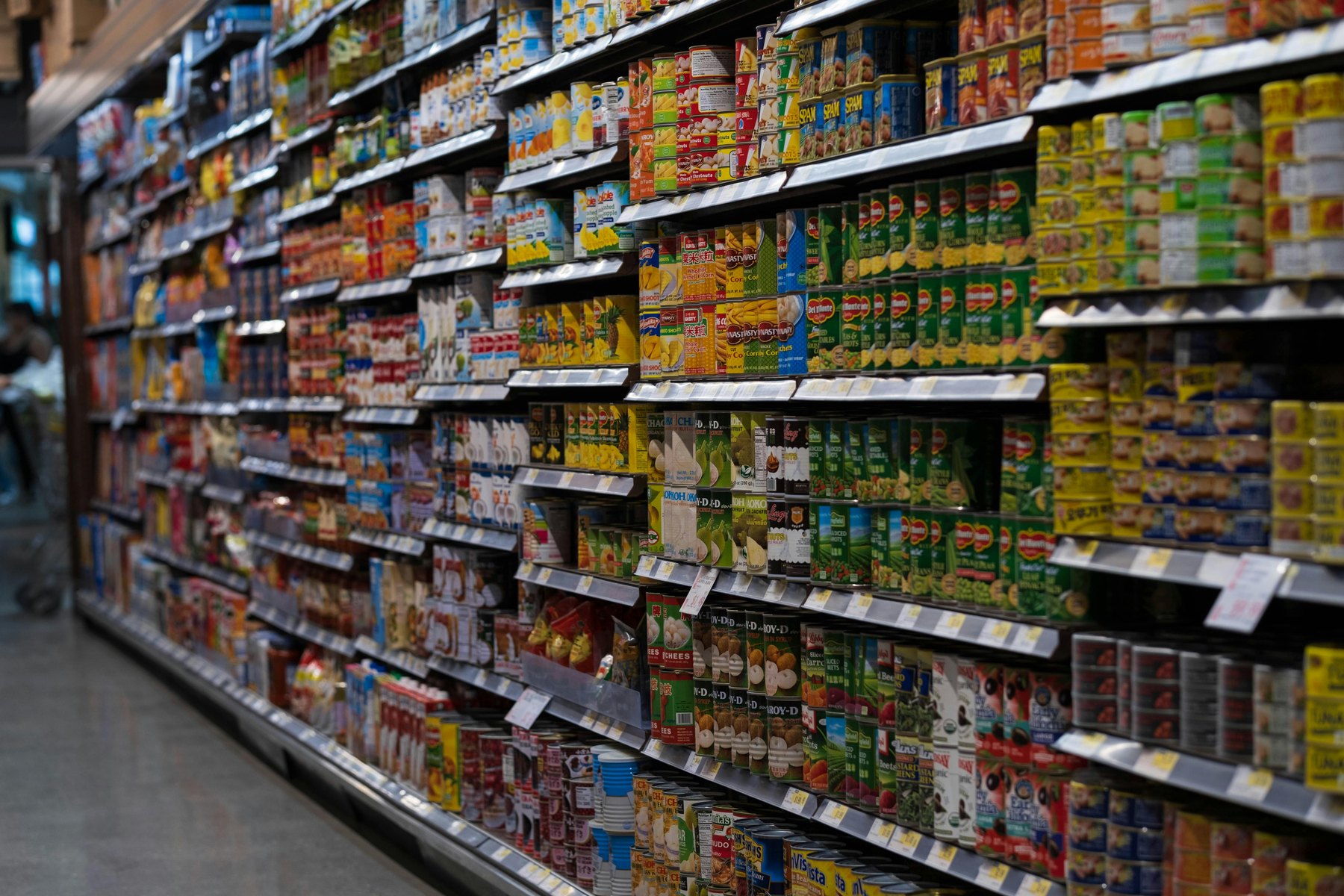
These categories often react quickly to conflict-related headlines and supply concerns.
1) Gasoline and diesel
Fuel prices are typically the most visible. Even if crude oil supply is not immediately disrupted, traders may price in risk. Diesel matters because it affects trucking and therefore the cost of moving goods to stores.
What you can do:
- Track your weekly gallons used. A small change per gallon adds up fast.
- Batch errands and reduce low-value trips for a few weeks.
- If you commute, compare the cost of occasional public transit, carpooling, or remote days.
2) Airfare and travel costs
Jet fuel is a major airline expense. If fuel rises, airfare can follow. Conflict can also change flight paths, increase security costs, and reduce capacity on certain routes, all of which can affect ticket prices.
What you can do:
- Price-check multiple dates and nearby airports.
- If travel is optional, set a maximum price you will pay and walk away if fares exceed it.
- Consider travel insurance carefully. Compare exclusions and coverage limits, especially for trip interruption.
3) Home energy: heating oil, natural gas, electricity
The link between a conflict and your utility bill depends on your region and how your utility sources power. Still, higher fuel inputs can flow into electricity generation and heating costs.
What you can do this month:
- Lower thermostat settings a few degrees and use programmable schedules.
- Seal drafts with low-cost weatherstripping.
- Ask your utility about budget billing or level-pay plans if your cash flow is uneven.
4) Groceries and household basics
Food prices can rise indirectly through higher fuel, fertilizer inputs, packaging, and shipping. If diesel costs climb, distribution costs often rise too. Some imported items can also be affected by shipping delays or currency moves.
What you can do:
- Switch to store brands for staples you buy weekly.
- Plan meals around lower-cost proteins and seasonal produce.
- Use a price book: track the normal price of 10 to 20 items so you can spot real deals.
5) Shipping, delivery fees, and online shopping
When fuel and logistics costs rise, you may see higher delivery fees, minimum order thresholds, or slower shipping unless you pay extra. Businesses may also add surcharges.
What you can do:
- Consolidate orders and avoid small, frequent deliveries.
- Compare pickup versus delivery.
- Watch for subscription creep if you add memberships to offset shipping fees.
6) Cars: new, used, and maintenance
Car prices are influenced by many factors, but conflict-driven shipping costs, commodity prices, and supply chain uncertainty can affect parts and repairs. Even if vehicle prices do not jump, maintenance can get pricier through parts and labor.
What you can do:
- Prioritize preventive maintenance that avoids bigger repairs later.
- For repairs, ask for an itemized estimate and whether aftermarket parts are an option.
- If shopping for a car, compare total cost of ownership, not just the monthly payment.
7) Interest rates on some loans and credit
War-related uncertainty can influence markets and bank risk appetite. That does not automatically mean rates will rise, but consumers may see tighter underwriting, fewer promotional offers, or higher APRs for riskier borrowers. Variable-rate products can also change with broader rate conditions.
What you can do:
- Check whether your credit card APR is variable and how it is calculated.
- If you expect to borrow soon, review your credit reports for errors and pay down revolving balances where possible.
- Compare APR, fees, repayment term, and total interest cost, not just the monthly payment.
Quick checklist: where your budget is most exposed
| Category | Why it may rise | Fast check | Best first move |
|---|---|---|---|
| Gas and diesel | Oil risk premium, refining and transport costs | Weekly gallons x price change | Reduce trips, optimize commute |
| Groceries | Trucking, packaging, fertilizer, imports | Track 10 staple items | Meal plan and swap brands |
| Utilities | Fuel inputs and regional supply | Compare last bill to same month last year | Weatherize and adjust thermostat |
| Flights | Jet fuel, rerouting, capacity | Check fares across 3 dates | Set a max fare and be flexible |
| Delivery and shipping | Fuel, insurance, route changes | Look for surcharges and minimums | Consolidate orders |
| Borrowing costs | Market volatility, tighter credit | Check your current APRs and offers | Improve utilization and shop terms |
What this looks like with real numbers
Below are three sample monthly budgets showing how a conflict-driven price spike might affect cash flow. These are examples to help you stress-test your own plan.
Scenario A: commuter household with a tight buffer
- Monthly take-home pay: $4,200
- Current monthly expenses: $4,050
- Current cushion: $150
If gas rises by $0.60 per gallon and you use 120 gallons per month, that is $72 more. If groceries rise by $60 and utilities rise by $40, the cushion drops from $150 to -$22. That is how small increases can create a shortfall.
Decision rule: If your cushion is under $200 per month, treat any recurring increase as urgent. Cut a recurring expense first (subscriptions, dining out, unused memberships) before using credit.
Scenario B: renter with variable income
- Average take-home pay: $3,500 (ranges $3,000 to $4,000)
- Fixed bills (rent, insurance, phone): $1,950
- Flexible bills (food, gas, utilities, misc): $1,250
- Debt payments: $250
- Typical savings: $50
If flexible bills rise by $150, savings can drop to zero. In a low-income month, you may need a plan that avoids revolving a credit card balance at a high APR.
Decision rule: If income varies, build a larger cash buffer than someone with stable pay, often closer to 3 to 6 months of essential expenses when feasible.
Scenario C: homeowner planning a major purchase
- Monthly take-home pay: $6,800
- Essential expenses: $4,400
- Discretionary spending: $900
- Savings and investing: $1,500
If prices rise, this household can absorb increases by trimming discretionary spending. The bigger risk is taking on a new loan at an unfavorable time or stretching the budget with a long-term payment based on a short-term need.
Decision rule: Do not finance a short-term shock with a long-term loan unless you have a clear payoff plan and the total cost makes sense.
Sample allocations that add up (emergency buffer and near-term goals)
If you are holding cash and worried about rising costs, here are three example allocations. These are not one-size-fits-all, but they show how to structure money by purpose.
Allocation 1: $5,000 starter buffer
- $3,000 emergency fund (rent or mortgage, food, utilities)
- $1,000 car costs buffer (gas and repairs)
- $1,000 bills smoothing (higher groceries, insurance deductibles)
Allocation 2: $12,000 for a household with a car and a trip planned
- $7,500 emergency fund (about 1 to 2 months of essentials for many households)
- $2,000 travel fund (keep separate so it does not drain the emergency bucket)
- $1,500 car maintenance and tires
- $1,000 deductible buffer (auto or renters or homeowners)
Allocation 3: $25,000 for a homeowner focused on resilience
- $15,000 emergency fund (often 2 to 4 months of essentials depending on expenses)
- $5,000 home repair reserve (HVAC, plumbing, roof patch)
- $3,000 transportation reserve (repairs, insurance, fuel spikes)
- $2,000 price-spike buffer for groceries and utilities
Borrowing decision rules by timeline
If higher prices create a cash crunch, the best financing choice depends heavily on how quickly you can repay.
Under 1 year
- Prioritize cutting spending and using cash reserves first.
- If borrowing is needed, compare options designed for short payoff windows and calculate total cost if repaid in 3, 6, and 12 months.
- Avoid turning a temporary shock into a multi-year payment unless it is for a durable asset and the payment fits your budget.
1 to 3 years
- Consider whether a fixed payment helps you stabilize cash flow.
- Compare total interest and fees across terms. A longer term can lower the payment but increase total cost.
- Watch for prepayment penalties and origination fees.
3 to 7 years
- This range is common for auto loans and some personal loans. Only borrow for needs that last long enough to justify the term.
- Stress-test the payment against higher insurance, fuel, and maintenance costs.
7+ years
- Long terms are usually tied to mortgages or major home improvements.
- Be cautious about using long-term debt for short-term price spikes. If you do, have a clear plan to pay extra and shorten the payoff.
Comparison table: common ways to cover a temporary cost spike
These are widely available categories and recognizable examples. Availability, terms, and eligibility vary, so compare current APRs, fees, and repayment rules.
| Option (examples) | Best fit | What to compare | Main drawback |
|---|---|---|---|
| Credit card (Visa, Mastercard, American Express, Discover) | Small, short-term gaps you can repay quickly | APR, promo period, balance transfer fee, penalty APR | High cost if you carry a balance |
| Personal loan (SoFi, LightStream, Discover Personal Loans) | Fixed payment for 1 to 5 years, debt consolidation | APR range, origination fee, term length, prepayment policy | Approval and pricing depend on credit and income |
| Credit union loan (Navy Federal, PenFed, local credit unions) | Members who want relationship pricing and support | Membership rules, APR, fees, payment flexibility | Must qualify for membership, may have slower process |
| Home equity borrowing (HELOC or home equity loan at Bank of America, Wells Fargo, U.S. Bank) | Homeowners with equity funding larger needs | Variable vs fixed rate, closing costs, draw period, lien position | Your home is collateral, payment can rise on variable rates |
| Buy now, pay later (Affirm, Klarna, Afterpay) | Planned purchases with a clear payoff schedule | Fees, late policies, payment schedule, return handling | Easy to overextend with multiple plans |
How to shop for credit when prices are rising
Step 1: Calculate the gap and the payoff date
Write down the amount you actually need and the month you expect to be back on track. If the gap is $600 and you can repay $200 per month, you are looking at about 3 months. That points you toward options that do not punish short payoff windows with large fees.
Step 2: Compare total cost, not just the monthly payment
A longer term can look affordable while costing more overall. Ask lenders for an amortization schedule or use a loan calculator to estimate total interest.
Step 3: Watch for fees that matter more during small borrowing
- Origination fees: A few percent can be significant on a small loan.
- Balance transfer fees: Often a percentage of the amount transferred.
- Late fees: If your budget is tight, build reminders and autopay safeguards.
Step 4: Protect your credit while you shop
Check your credit reports for errors and dispute inaccuracies. You can get free weekly reports at AnnualCreditReport.com. If you are considering multiple lenders, ask whether they offer prequalification or rate quotes that do not require a hard inquiry.
Practical ways to reduce the impact without major lifestyle changes
Use a 3-bucket budget for the next 60 days
- Must-pay: housing, utilities, minimum debt payments, insurance, basic food
- Can-delay: clothing, home decor, upgrades, non-urgent repairs
- Can-cut: subscriptions, dining out, convenience delivery, impulse shopping
Decision rule: If a cost increase hits the must-pay bucket, cut from can-cut first, then can-delay, before borrowing.
Renegotiate the bills that are easiest to move
- Auto and home insurance: compare deductibles and coverage levels, and request re-quotes.
- Phone and internet: ask about retention offers or lower tiers.
- Subscriptions: cancel anything unused in the last 30 days.
Build a “price spike” mini-fund
If your budget is stable, consider setting aside a small monthly amount for volatile categories like fuel and groceries. Even $25 to $75 per month can reduce reliance on credit when prices jump.
Scams and misinformation tend to rise during conflicts
Periods of uncertainty can bring more fraud attempts, including fake charities, phishing, and high-pressure investment pitches tied to headlines. If you are asked to pay by gift card, wire transfer, or crypto, treat it as a red flag. The FTC has practical guidance on spotting and reporting scams at consumer.ftc.gov.
Keep your savings safe while you adjust
If you are holding emergency cash, confirm where it is kept and what protections apply. For bank deposits, you can review FDIC deposit insurance basics at fdic.gov. If you are using a non-bank app, verify whether funds are held at an FDIC-insured bank and how pass-through insurance works.
When to get help if the budget is breaking
If you are missing payments or choosing between essentials, consider contacting creditors early to ask about hardship options. For credit cards and debt collection issues, the CFPB has tools and complaint options at consumerfinance.gov.
Bottom line: plan for volatility, not panic
Iran war price increases can affect fuel, travel, groceries, shipping, and sometimes borrowing conditions. The most useful approach is to identify which categories you are exposed to, run a simple stress test with real numbers, and choose the least costly way to cover any shortfall. If you do need credit, compare APR, fees, repayment terms, and the risks of turning a short-term problem into long-term debt.


