

Mini Farm Animals Costs: A Realistic Budget for Buying and Caring for Small Livestock

Mini farm animals costs can look small at the start, but the ongoing expenses for housing, feed, veterinary care, and time add up quickly. If you are thinking about mini goats, sheep, pigs, chickens, rabbits, or miniature cattle, a clear budget helps you avoid surprise bills and protects your cash flow.
Contents
22 sections
-
What counts toward the true cost of mini farm animals?
-
Mini farm animals costs by species (typical ranges)
-
Upfront setup costs: fencing, shelter, and equipment
-
Common setup line items
-
Feed and bedding: the monthly budget drivers
-
How to estimate feed costs with real numbers
-
Veterinary care and emergency planning
-
Health costs to plan for
-
Permits, zoning, and insurance considerations
-
Financing options for mini farm animals and setup (compare before you borrow)
-
Real-number budgets: what this looks like in practice
-
Scenario 1: Backyard chickens (6 hens) with a $1,500 startup budget
-
Scenario 2: Two mini goats with a $4,000 startup budget
-
Scenario 3: Mini pig setup with a $3,200 startup budget
-
Decision rules by timeline: when to pay cash vs finance
-
Under 1 year
-
1 to 3 years
-
3 to 7 years
-
7+ years
-
Cost and risk checklist before you bring animals home
-
Where to get reliable information and protect your finances
-
Bottom line: build the budget around ongoing care
This guide breaks down the main cost categories, typical price ranges, and decision rules you can use before you buy. You will also see real-number budget examples and a comparison of financing options people commonly consider for animal purchases and setup.
What counts toward the true cost of mini farm animals?
Many first-time owners focus on the purchase price. In practice, the total cost of ownership usually comes from five buckets:
- Upfront setup – fencing, shelter, feeders, water systems, heat lamps, brooders, bedding, and basic tools.
- Animal acquisition – purchase price, transport, health certificate, and initial supplies.
- Monthly care – feed, hay, minerals, bedding, and routine replacements.
- Veterinary and health – vaccines, deworming, hoof trims, spay and neuter, emergency visits, and medications.
- Ongoing property and compliance – permits or zoning requirements, waste management, predator control, and insurance considerations.
Mini farm animals costs by species (typical ranges)
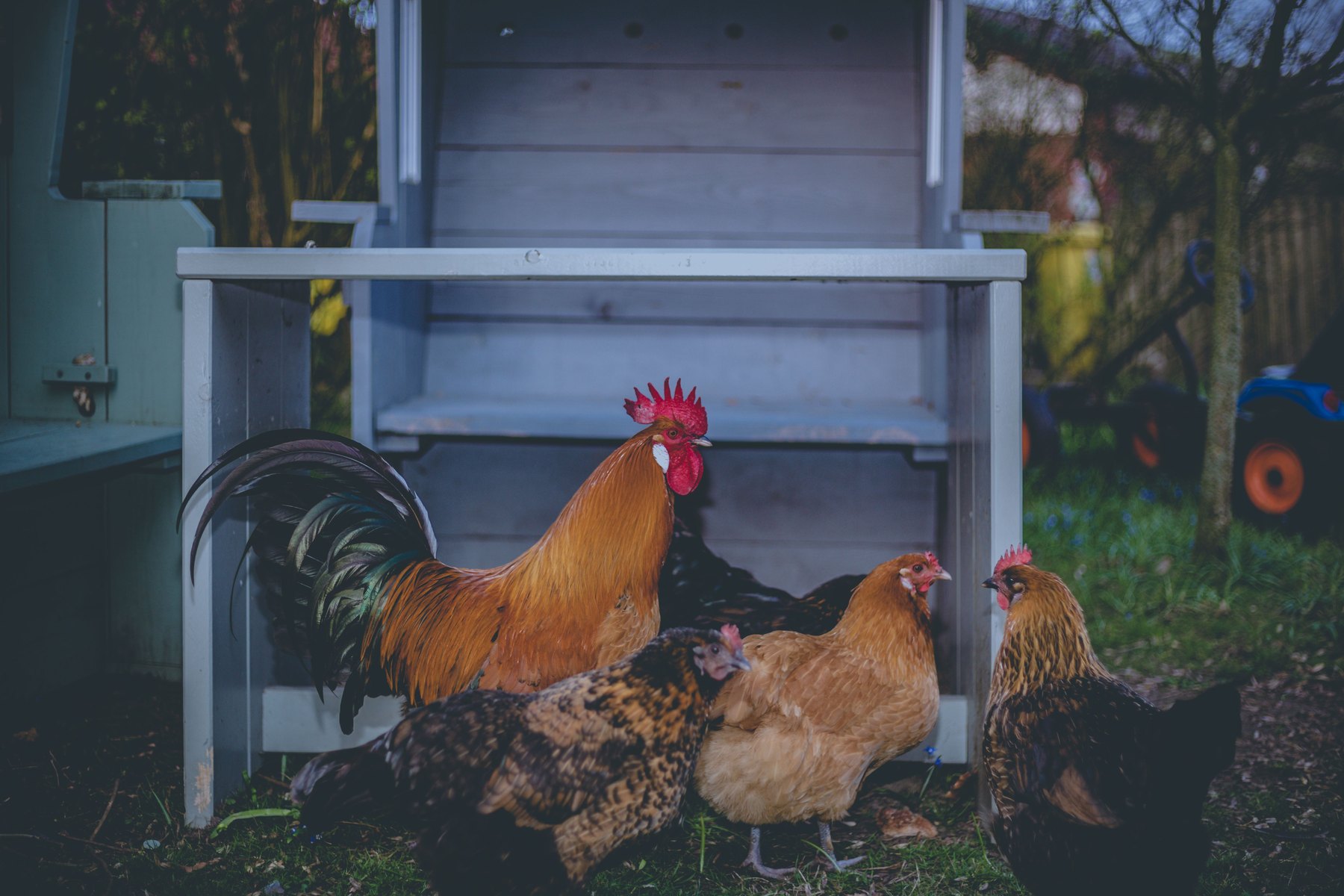
Costs vary by region, breed, climate, and whether you already have suitable land and infrastructure. Use the ranges below as planning estimates, then price out your local feed store, fencing supplier, and large-animal vet.
| Animal | Typical purchase price (each) | Common monthly care range (each) | Notes that often change the budget |
|---|---|---|---|
| Miniature goats (pet or dairy types) | $100 to $600+ | $25 to $80 | Fencing quality, hay prices, hoof trims, and whether you need milking supplies. |
| Miniature sheep | $150 to $700+ | $20 to $70 | Shearing, parasite control, and predator-proof fencing can be major factors. |
| Mini pigs (companion type) | $300 to $1,500+ | $40 to $120 | Spay or neuter, specialized feed, and indoor damage prevention can raise costs. |
| Chickens (backyard layers) | $5 to $50+ | $5 to $20 | Coop build, predator protection, and winter heating choices drive overall cost. |
| Rabbits | $20 to $150+ | $10 to $35 | Housing and ventilation, hay quality, and vet access for exotics matter. |
| Miniature cattle | $1,000 to $6,000+ | $80 to $250+ | Hay storage, fencing strength, and large-animal vet availability can be limiting. |
Planning rule: If you cannot comfortably cover 6 to 12 months of feed and basic vet care after paying for setup, pause and rework the plan. The purchase price is often the smallest part.
Upfront setup costs: fencing, shelter, and equipment
Setup is where budgets swing the most. A small flock of chickens might need a coop and run. Goats might need strong woven wire fencing and a dry shelter. Mini cattle may require heavier-duty fencing and more hay storage.
Common setup line items
- Fencing and gates: posts, wire, electric energizer, grounding rods, gate hardware, and labor if you hire it.
- Shelter: three-sided shed, barn stall, hoop house, or coop. Include roofing, ventilation, and weatherproofing.
- Water: troughs, heated buckets, automatic waterers, hoses, and freeze protection.
- Feed storage: metal cans for poultry feed, hay tarps, pallets, or a small shed to prevent mold and pests.
- Handling and safety: collars, leads, crates, catch pens, and predator deterrents.
Decision rule: If you are buying fencing, price it as if you will upgrade later. Underbuilding often means paying twice.
Feed and bedding: the monthly budget drivers
Feed costs depend on animal size, season, pasture quality, and local hay prices. Bedding costs depend on your housing style and cleaning routine.
How to estimate feed costs with real numbers
- Start with daily intake. Many grazing animals eat roughly 2% to 4% of body weight per day in dry matter, depending on life stage and activity. Confirm with a vet or extension office for your species.
- Price your local hay and feed. Hay can vary widely by region and season. Call two feed stores and one farm supply store.
- Add minerals and waste. Budget for loose minerals, salt blocks, and 5% to 15% waste for hay and bedding.
Practical shortcut: For small livestock, build a monthly estimate using three lines: hay or forage, bagged feed, and bedding. Then add 10% for price swings.
| Cost category | What to include | How to control it | Common mistake |
|---|---|---|---|
| Hay and forage | Bales, delivery, storage supplies | Buy in-season, store dry, reduce waste with hay nets or feeders | Storing hay where it molds or gets rained on |
| Bagged feed | Pellets, layer feed, pig feed, treats | Buy appropriate formulation, avoid overfeeding, store in sealed bins | Overfeeding concentrates and creating health problems |
| Minerals and supplements | Loose minerals, salt, species-specific supplements | Use species-appropriate minerals, track consumption | Using the wrong mineral mix for the species |
| Bedding | Pine shavings, straw, pellets, stall mats | Deep-litter method where appropriate, buy in bulk | Underestimating winter bedding needs |
Veterinary care and emergency planning
Vet access can be a bigger constraint than money. Before you buy, confirm you have a local veterinarian who sees your species and ask about after-hours emergencies.
Health costs to plan for
- Initial exam and baseline care: fecal test, vaccines where appropriate, and parasite control plan.
- Routine maintenance: hoof trims for goats and sheep, shearing for sheep, dental checks for rabbits, and wellness visits.
- Spay or neuter: common for mini pigs and rabbits, and sometimes for other animals depending on your goals.
- Emergency fund: injuries, birthing complications, bloat, predator attacks, and sudden illness.
Decision rule: Build a dedicated animal emergency fund before expanding your herd. A simple target is $300 to $1,000 for poultry and rabbits, and $1,000 to $3,000+ for goats, sheep, pigs, or cattle, depending on how many animals you have and local vet pricing.
Permits, zoning, and insurance considerations
Some towns restrict livestock, roosters, or the number of animals per acre. Others require setbacks for coops or manure management. Checking rules early can prevent costly rework.
- Call your city or county zoning office and ask about livestock ordinances.
- Ask your homeowners insurer how animal-related incidents are handled and whether any exclusions apply.
- If you plan to sell eggs, milk, or meat, research local rules for sales and labeling.
Financing options for mini farm animals and setup (compare before you borrow)
If you do not want to pay cash for fencing, shelters, or animals, you may consider financing. The best fit depends on how quickly you can repay, how stable your income is, and whether the purchase is essential or optional.
| Option | Best fit | What to compare | Main drawback |
|---|---|---|---|
| Personal loan (example marketplaces: LightStream, SoFi, LendingClub) | Large one-time setup costs with a clear payoff plan | APR, origination fees, term length, prepayment policy | Interest costs and fixed monthly payment regardless of animal expenses |
| Credit card (examples: Chase, Capital One, Citi) | Small purchases you can repay quickly | APR after any promo, fees, credit limit, rewards vs interest | High interest if you carry a balance |
| 0% intro APR card (examples: Citi Simplicity, Chase Freedom Unlimited, Capital One Quicksilver) | Short-term setup costs with a payoff before promo ends | Promo length, balance transfer fee, APR after promo | Back-end APR can be costly if you do not pay it down in time |
| Home equity financing (HELOC or home equity loan) | Major property improvements like fencing on acreage | Rate type, closing costs, draw period, payment structure | Your home is collateral, and costs can rise with variable rates |
| Buy now, pay later (examples: Affirm, Klarna, Afterpay) | Specific equipment purchases with clear terms | Total cost, late fees, payment schedule, return policy | Easy to stack multiple plans and strain cash flow |
Borrowing checklist:
- Know the total project cost, not just the animal price.
- Compare APR and fees across at least 3 options.
- Match repayment term to the useful life of what you are buying. A short-lived purchase should not be paid off for years.
- Stress-test your budget with a vet emergency in the same month as the payment.
Real-number budgets: what this looks like in practice
Below are three sample budgets with dollar amounts that add up. Replace the numbers with your local pricing, but keep the structure.
Scenario 1: Backyard chickens (6 hens) with a $1,500 startup budget
- Coop and run materials: $850
- Hardware cloth and predator-proofing: $200
- Feeders, waterers, storage bins: $150
- Chicks or pullets: $60
- Bedding and brooder supplies: $140
- Buffer for surprises: $100
Total: $1,500
Ongoing monthly estimate: $35 to $120 depending on feed prices, bedding, and winter needs.
Scenario 2: Two mini goats with a $4,000 startup budget
- Fencing and gate: $1,800
- Simple shelter and roofing: $900
- Hay feeder, water setup, minerals: $250
- Two goats: $500
- Initial hay and feed (first 2 months): $300
- Vet baseline and supplies: $250
Total: $4,000
Ongoing monthly estimate: $60 to $160 for two goats, plus periodic hoof trims and parasite control.
Scenario 3: Mini pig setup with a $3,200 startup budget
- Secure pen and shelter: $1,200
- Fencing reinforcement and digging prevention: $700
- Mini pig: $900
- Spay or neuter and initial vet visit: $300
- Feed, bowls, enrichment, bedding: $100
Total: $3,200
Ongoing monthly estimate: $50 to $150, depending on feed, bedding, and vet needs.
Decision rules by timeline: when to pay cash vs finance
Mini farm animals are living commitments. A timeline approach can help you decide whether borrowing makes sense.
Under 1 year
- Prefer cash or a plan you can repay quickly.
- If you finance, keep the payoff timeline short and avoid stretching payments beyond the season you are solving for.
- Good uses: a coop repair before winter, replacing a broken water system.
1 to 3 years
- Consider financing only if the monthly payment fits alongside feed and vet costs with room for emergencies.
- Good uses: fencing upgrades that reduce escapes and vet incidents.
3 to 7 years
- Be cautious. Many animal-related purchases do not last long enough to justify long repayment.
- If you borrow, focus on durable property improvements that retain value.
7+ years
- Generally avoid borrowing for animals or small equipment over this horizon.
- Long terms can increase total interest and keep your budget tight for years.
Cost and risk checklist before you bring animals home
- Cash reserve: Do you have an emergency fund for the animals plus your household emergency fund?
- Vet access: Do you have a local vet who treats your species and offers emergency guidance?
- Predator plan: Have you priced hardware cloth, secure latches, and fencing upgrades?
- Feed storage: Can you store hay and feed dry and pest-free?
- Time budget: Who covers daily care if you travel or get sick?
- Seasonality: Have you budgeted for winter water heating, extra bedding, and higher feed needs?
- Exit plan: If your situation changes, do you know reputable rescues or rehoming options?
Where to get reliable information and protect your finances
If you are considering credit to fund your setup, it helps to understand how borrowing costs work and to keep an eye on your credit profile.
- Consumer Financial Protection Bureau (CFPB) for guidance on loans, credit cards, and consumer rights.
- Federal Trade Commission (FTC) Consumer Advice for avoiding scams and understanding financing offers.
- AnnualCreditReport.com to check your credit reports from the major bureaus.
- FDIC for information about insured bank accounts if you are building savings for animal expenses.
Bottom line: build the budget around ongoing care
The most manageable mini farm animals costs are the ones you plan for in advance: sturdy housing, predictable feed, and a realistic vet and emergency fund. Start with a small number of animals, price out your setup, and make sure your monthly budget can handle both routine care and the occasional surprise.


