

Paying with Cash Awkward Survey: What It Means and What to Do Instead

The paying with cash awkward survey trend highlights something many people feel but rarely say out loud: paying with cash can be uncomfortable, even when it is perfectly legitimate.
Contents
30 sections
-
What the paying with cash awkward survey is really measuring
-
Common reasons cash feels awkward
-
Why this matters for borrowing and debt
-
When paying cash is smart (and when it is not)
-
Situations where cash can be a good move
-
Situations where cash can be risky or inconvenient
-
Cash vs card vs digital payments: quick comparison
-
How to pay with cash without the awkwardness
-
Cash checkout checklist
-
Simple scripts that reduce stress
-
Plan for cash-only and card-only situations
-
Named payment options that can replace awkward cash moments
-
How cash awkwardness can lead to expensive debt (and how to prevent it)
-
Decision rules to avoid debt creep
-
Where to get trustworthy help if you run into payment problems
-
What this looks like with real numbers: 3 cash plans that add up
-
Scenario 1: Weekly cash budget for a tight month (Total: $300)
-
Scenario 2: Hybrid cash and card plan for better tracking (Total: $500)
-
Scenario 3: Large purchase without carrying a lot of cash (Total: $2,000)
-
Timeline decision rules: cash, savings, and borrowing choices
-
Under 1 year
-
1 to 3 years
-
3 to 7 years
-
7+ years
-
Safety and recordkeeping: protect yourself whether you pay cash or not
-
Cash safety habits
-
Digital and card safety habits
-
Check your credit reports for accuracy
-
A practical "should I use cash here?" decision matrix
-
Bottom line: make your payment method support your goals
Maybe you have counted bills at a busy checkout, worried you are holding up the line. Maybe a cashier asked, “Do you have anything smaller?” Or you felt judged pulling out a wad of cash for a larger purchase. Awkwardness is not just a social issue – it can change how you spend, how you borrow, and how you manage your budget.
This guide breaks down why cash can feel awkward, what that means for your finances, and how to choose payment methods that fit your goals. You will also get scripts you can use in the moment, decision rules by timeline, and real-number examples for building a cash plan that supports your savings and debt payoff.
What the paying with cash awkward survey is really measuring
Surveys about “awkward” cash payments usually capture a mix of practical friction and social pressure. Even if the survey questions vary, the same themes show up repeatedly.
Common reasons cash feels awkward
- Time pressure: Counting bills and coins can slow a line, especially during rush hours.
- Change issues: Some stores have limited change, and large bills can be hard to break.
- Social signaling: Cash can draw attention. People may assume you are trying to hide something or showing off.
- Security concerns: Handling visible cash can make you feel exposed to theft.
- Policy confusion: Some venues are card-only, while others are cash-only. Not knowing ahead of time creates stress.
Why this matters for borrowing and debt
Payment friction can push people toward credit cards, buy now pay later plans, or overdrafts. Those tools can be useful, but they can also increase costs if you carry a balance, miss a payment, or stack multiple plans. If cash awkwardness makes you avoid using cash even when it helps you budget, you might spend more than you intended.
When paying cash is smart (and when it is not)
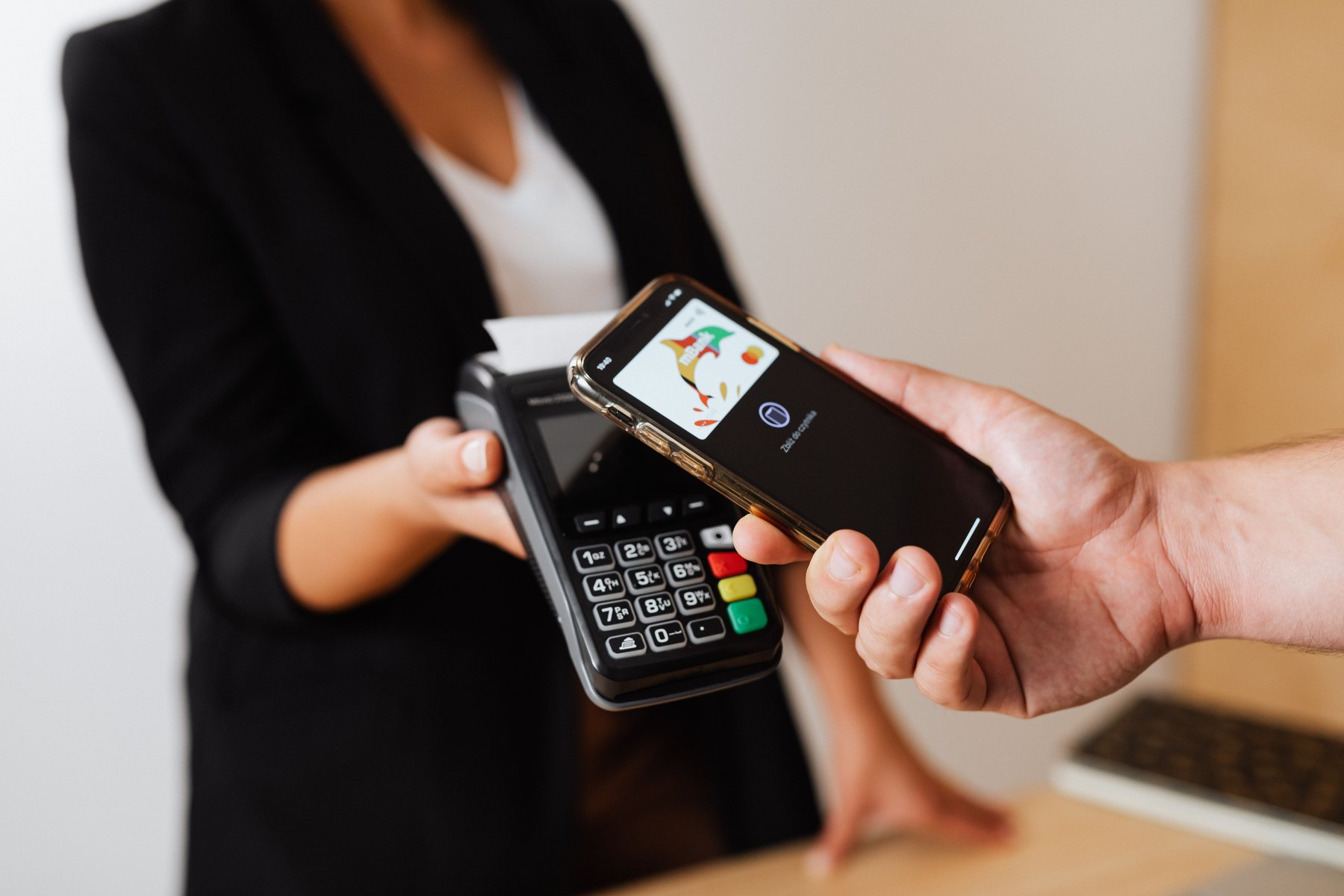
Cash is a tool. It is not automatically better or worse than a card. The best choice depends on your goals: controlling spending, building credit, earning rewards, avoiding fees, or keeping purchases private.
Situations where cash can be a good move
- Sticking to a strict budget: Cash envelopes can reduce impulse spending.
- Avoiding card surcharges: Some merchants charge extra for card payments.
- Small purchases: Tips, parking meters, local markets, and small vendors may prefer cash.
- Preventing overdrafts: If your checking balance is tight, cash can help you avoid accidental negative balances.
Situations where cash can be risky or inconvenient
- Large purchases: Carrying a lot of cash increases theft risk and can complicate returns.
- Online purchases: Cash is not practical for most online transactions.
- Travel: Losing cash is usually final. Cards often have stronger protections.
- Building credit: Cash does not help establish payment history.
Cash vs card vs digital payments: quick comparison
If you are choosing between cash, debit, credit, and digital wallets, focus on cost, protections, and how each method affects your behavior.
| Payment method | Best for | What to watch | Practical tip |
|---|---|---|---|
| Cash | Spending control, small local purchases | Loss/theft risk, awkwardness, no purchase protections | Carry a “small bills” mix to avoid change issues |
| Debit card | Everyday spending tied to your budget | Overdraft fees, account holds, fraud hassle | Turn on low-balance alerts and overdraft controls |
| Credit card | Rewards, purchase protections, building credit | Interest if you carry a balance, late fees | Use autopay for at least the minimum, then pay extra |
| Digital wallet (Apple Pay, Google Pay, Samsung Pay) | Fast checkout, less card handling | Phone battery, merchant acceptance | Keep a backup card and a small cash amount |
| Peer-to-peer apps (Venmo, Cash App, PayPal) | Paying friends, small services | Scams, mistaken transfers, fees for instant cash-out | Confirm the recipient and avoid paying strangers |
How to pay with cash without the awkwardness
If you like cash for budgeting, you can reduce friction with a few simple habits.
Cash checkout checklist
- Carry smaller bills: Aim for a mix like 5s, 10s, and 20s. Save 50s and 100s for the bank.
- Pre-count before you reach the register: If you know the total is about $18, have a $20 ready.
- Use exact change when possible: Keep a small coin pouch if you regularly pay cash.
- Ask for a receipt: Helpful for returns and tracking spending.
- Do not flash a large stack: Take out only what you need.
Simple scripts that reduce stress
- If you need a moment: “Give me one second to get the right bills.”
- If you only have a large bill: “Is it okay if I use a $50? If not, I can pay by card.”
- If you are splitting payment: “Can I do $20 cash and the rest on card?”
Plan for cash-only and card-only situations
Some businesses are cashless, and some are cash-only. A simple rule is to carry a small backup amount of cash (for example $20 to $60) and one backup card. If you rely on cash for budgeting, you can still keep most spending controlled by withdrawing a set weekly amount and using a card only for exceptions.
Named payment options that can replace awkward cash moments
If the awkwardness is pushing you away from cash, consider payment methods that are fast at checkout and easier to track. These are examples of widely used options – compare fees, protections, and acceptance where you live.
| Option | Best fit | What to compare | Main drawback |
|---|---|---|---|
| Apple Pay | iPhone users who want fast tap-to-pay | Merchant acceptance, device security settings | Not all terminals support it |
| Google Pay | Android users who want tap-to-pay | Acceptance, bank/card compatibility | Phone-dependent |
| Samsung Pay | Samsung users, especially frequent in-person shoppers | Device support, acceptance | Limited to certain devices and regions |
| PayPal | Online shopping and invoicing | Buyer protections, fees for certain transactions | Scams and disputes can be time-consuming |
| Venmo | Paying friends and small local services | Privacy settings, transfer speed fees | Not ideal for paying strangers |
| Cash App | Simple transfers and small payments | Fees for instant deposits, scam controls | Wrong-recipient transfers can be hard to reverse |
How cash awkwardness can lead to expensive debt (and how to prevent it)
Awkwardness itself does not cost money. The workaround can. If you avoid cash and default to credit for everything, you may spend more, carry balances, or miss payments.
Decision rules to avoid debt creep
- If you cannot pay it off this month: pause and choose a cheaper plan (delay the purchase, buy used, or save up).
- If you carry a credit card balance: consider using debit or cash for discretionary spending until the balance is under control.
- If you use buy now pay later: keep a list of active plans and total monthly commitments before starting another.
- If you overdraft more than once a year: lower your checking account “floor” risk by keeping a buffer and turning off overdraft coverage if it is costing you.
Where to get trustworthy help if you run into payment problems
- Consumer Financial Protection Bureau (CFPB) for guidance on cards, bank accounts, and complaints.
- Federal Trade Commission (FTC) Consumer Advice for scams, fraud, and identity theft steps.
What this looks like with real numbers: 3 cash plans that add up
If you want the budgeting benefits of cash without the awkwardness, build a system that limits how much cash you carry while keeping your bills paid and your savings growing. Below are three sample allocations. Adjust the categories to match your life.
Scenario 1: Weekly cash budget for a tight month (Total: $300)
You want to control spending and avoid using credit for daily purchases.
- $180 groceries and household basics
- $60 gas or transit
- $40 eating out and coffee
- $20 misc buffer (tips, small fees)
Rule: When the envelope is empty, you stop or switch to a planned category, not a credit card.
Scenario 2: Hybrid cash and card plan for better tracking (Total: $500)
You like cash for discretionary spending but want card records for essentials.
- $150 cash for fun money (restaurants, small shopping)
- $100 cash for tips, barbers, small vendors
- $250 kept in checking for debit card essentials (groceries, gas)
Rule: Put recurring bills on autopay from checking, and keep a checking buffer (for example $100 to $300) to reduce overdraft risk.
Scenario 3: Large purchase without carrying a lot of cash (Total: $2,000)
You are buying a used item locally and want to reduce awkwardness and risk.
- $50 cash for small incidentals (parking, snacks)
- $1,950 paid using a safer method you both accept (for example, a cashier’s check from your bank or an agreed digital method)
Rule: Meet in a safe public place, verify the item, and keep documentation of the sale. For big transactions, ask your bank about safer payment options rather than carrying a large amount of cash.
Timeline decision rules: cash, savings, and borrowing choices
Cash management connects to your bigger plan: emergency savings, upcoming expenses, and whether you might need a loan. Use timeline rules to decide where money should sit and how you should pay.
Under 1 year
- Goal: stability and easy access.
- Good fits: checking for bills, savings for near-term goals, limited cash for weekly spending.
- Rule of thumb: Keep upcoming bills and a small buffer in checking, and store the rest in an FDIC-insured savings account.
1 to 3 years
- Goal: reduce risk while earning some interest.
- Good fits: high-yield savings, CDs, or Treasury bills depending on access needs.
- Rule of thumb: If you will need the money on a specific date, avoid tying it up without a clear exit plan and penalties understood.
3 to 7 years
- Goal: balance growth and risk.
- Good fits: a mix of safer savings and longer-term investments depending on risk tolerance.
- Rule of thumb: Keep emergency savings separate from goal money so market swings do not force you to borrow.
7+ years
- Goal: long-term growth and flexibility.
- Good fits: retirement accounts and diversified investments for those goals.
- Rule of thumb: Use cash mainly for spending systems, not for storing large long-term balances.
Safety and recordkeeping: protect yourself whether you pay cash or not
Cash is private, but it is also easy to lose. Cards and apps create records, but they can expose you to fraud. You can reduce risk either way.
Cash safety habits
- Withdraw cash in smaller amounts more often instead of carrying a large sum.
- Store cash at home only if you have a clear plan and understand the risk of loss or theft.
- For large transactions, consider safer alternatives through your bank (ask about cashier’s checks and verification steps).
Digital and card safety habits
- Turn on transaction alerts for your bank and credit cards.
- Use strong device locks and enable two-factor authentication where possible.
- Review statements weekly so you catch issues early.
Check your credit reports for accuracy
If you use credit cards or loans, errors can happen. You can check your credit reports at AnnualCreditReport.com. If you see suspicious activity, the FTC has step-by-step guidance at IdentityTheft.gov.
A practical “should I use cash here?” decision matrix
If you freeze at the register, use this quick matrix to decide.
| If the purchase is… | Cash is usually fine when… | Card or digital is usually better when… | Extra step |
|---|---|---|---|
| Under $20 | You have small bills and want to control spending | You need a receipt trail or do not have change | Keep a $20 bill and a few $5s ready |
| $20 to $200 | You planned the purchase and have the right bills | You want protections, easy returns, or rewards | Ask to split: part cash, part card |
| Over $200 | It is a trusted merchant and you are comfortable carrying it | You want documentation and lower theft risk | Consider a bank-issued payment method |
| Online | Rarely practical | Cards and secure digital wallets are standard | Use alerts and review statements |
Bottom line: make your payment method support your goals
The point of the paying with cash awkward survey is not that cash is bad. It is that friction and social pressure are real, and they can push you into spending patterns that do not match your priorities. If cash helps you budget, keep using it with a smarter setup: smaller bills, a weekly withdrawal plan, and a backup card for exceptions. If cash stresses you out, switch to debit, credit, or digital payments with guardrails like alerts, autopay, and a clear monthly spending cap.
The best system is the one you can follow consistently, even on a busy day at the register.


