

Penny Shortages Impact: What It Means for Your Cash, Budget, and Payments

Penny shortages impact how stores handle cash transactions, how you plan small purchases, and how you avoid payment friction when exact change is hard to find.
Contents
28 sections
-
What causes penny shortages and why they keep happening
-
Penny shortages impact at checkout: rounding, exact change, and pricing
-
How rounding can affect you over time
-
When exact change policies can create bigger costs than pennies
-
Cash, cards, and fees: choosing the cheapest way to pay
-
Debit card: watch overdrafts and holds
-
Credit card: avoid interest by matching payments to your budget
-
Prepaid cards and cash apps: check fees and limits
-
Practical ways to handle pennies and small change
-
Checklist: keep your cash system working
-
Where to turn coins into usable money
-
Budgeting with real numbers when coins are scarce
-
Sample allocation 1: Cash heavy budget (monthly take home $2,200)
-
Sample allocation 2: Debit focused with overdraft risk controls (monthly take home $3,500)
-
Sample allocation 3: Credit card convenience with payoff plan (monthly take home $5,000)
-
Decision rules by timeline: when payment choices matter most
-
Under 1 year: prioritize fee avoidance and cash flow stability
-
1 to 3 years: reduce high interest debt and build a stronger buffer
-
3 to 7 years: optimize for total cost and convenience
-
7+ years: focus on durable habits and system resilience
-
Comparison of payment and cash handling options (named examples)
-
Cost and risk checklist: avoid bigger problems than a missing penny
-
How penny shortages can affect borrowing and debt decisions
-
Borrower decision rule: protect your cash flow first
-
Quick action plan
-
In the next 15 minutes
-
This week
-
This month
In many places, pennies still exist and prices still end in .99, but the day to day reality can look different when coins are scarce. Some retailers ask for exact change, round cash totals, or encourage card and digital payments. That can feel minor until you are budgeting tightly, relying on cash, or trying to avoid fees and overdrafts.
This guide explains what a penny shortage is, why it happens, how it can affect consumers, and practical ways to adapt. You will also see real number examples, decision rules, and checklists you can use right away.
What causes penny shortages and why they keep happening
A penny shortage usually does not mean pennies are gone forever. It typically means coins are not circulating smoothly between consumers, banks, and businesses. Common drivers include:
- Lower coin circulation – people keep coins in jars, cars, or drawers instead of spending or depositing them.
- Operational disruptions – changes in retail traffic, staffing, or bank branch services can slow coin ordering and distribution.
- Higher demand for change – some businesses need more coins for cash drawers, especially in cash heavy locations.
- Logistics constraints – coin delivery schedules and ordering limits can create local shortages even if coins exist nationally.
For consumers, the key point is that shortages are often local and temporary, but the workarounds can become semi permanent habits for retailers.
Penny shortages impact at checkout: rounding, exact change, and pricing
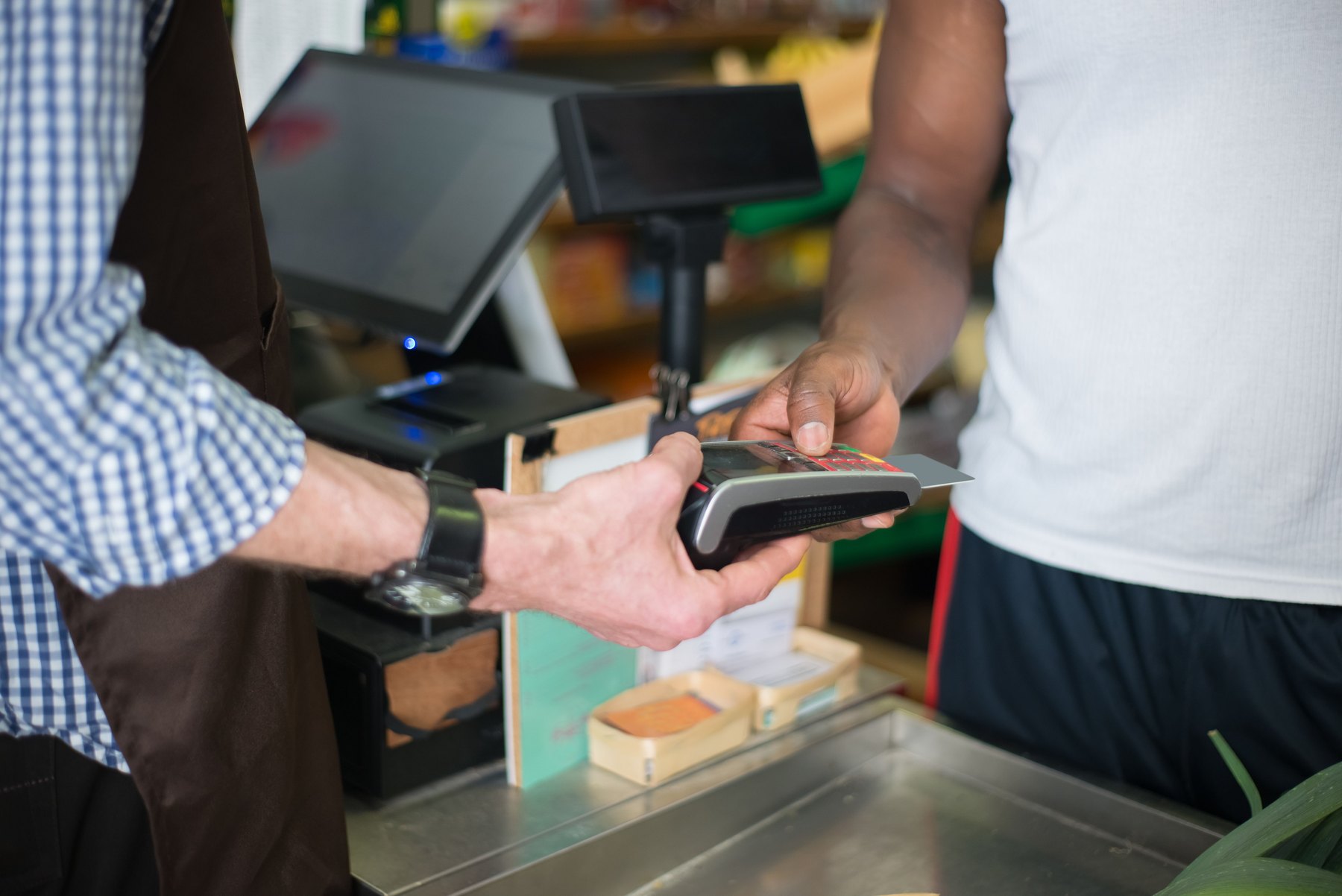
The most noticeable penny shortages impact shows up at checkout. Policies vary by store and by state, and they can change over time. Here are common approaches you may see:
- Exact change requested – the store asks you to pay with exact coins and bills.
- Rounding cash totals – the final cash total may be rounded to the nearest 5 or 10 cents. This is usually applied to the total after tax, not to each item.
- Card only lanes or encouragement – the store nudges customers toward debit, credit, or mobile wallet payments.
- Change in another form – change may be offered as store credit, a coupon, or a donation prompt.
How rounding can affect you over time
Rounding often sounds like a few cents, but it can matter if you make many small cash purchases. If a store rounds to the nearest nickel, sometimes you round down and sometimes up. Over many transactions, the average effect may be small, but your personal result depends on your spending patterns.
Example: You buy a $4.99 item plus tax and your total is $5.34. If the store rounds cash totals to the nearest $0.05, $5.34 could round to $5.35. That is 1 cent more. Another day, a $5.32 total could round down to $5.30, saving 2 cents. The impact is not always one direction.
When exact change policies can create bigger costs than pennies
The bigger risk is not the penny itself. It is what happens if you cannot complete a purchase, have to make an extra trip, or switch to a payment method that triggers fees. For example, using an out of network ATM to get cash can cost far more than a few cents in rounding.
Cash, cards, and fees: choosing the cheapest way to pay
If pennies are hard to get, you may pay with debit, credit, or a mobile wallet more often. That can be convenient, but it can also introduce costs if you are not careful about fees, holds, and timing.
Debit card: watch overdrafts and holds
Debit can be a good fit when you want to spend only what you have. But debit purchases can still lead to problems if:
- You have a low balance and a transaction posts later than expected.
- A merchant places a temporary authorization hold that reduces available funds.
- You have overdraft coverage turned on and a small shortfall triggers a large fee.
If you use debit more because of coin shortages, consider reviewing your overdraft settings and alerts. The CFPB has consumer resources on overdraft and banking fees at consumerfinance.gov.
Credit card: avoid interest by matching payments to your budget
Credit cards can reduce the need for exact change, and they may offer rewards. The main cost is interest if you carry a balance. A simple decision rule:
- If you can pay the statement balance in full each month, credit may be a low friction option.
- If you often carry balances, prioritize a plan to reduce interest costs and consider whether debit or cash helps you stay within limits.
Prepaid cards and cash apps: check fees and limits
Prepaid cards and some cash app cards can help if you do not have a traditional bank account, but fees vary widely. Compare:
- Monthly fees
- ATM withdrawal fees
- Cash reload fees
- Inactivity fees
- Customer service and dispute options
For general guidance on avoiding scams and understanding payment protections, see the FTC at consumer.ftc.gov.
Practical ways to handle pennies and small change
If you prefer cash or need it for budgeting, you can reduce hassle with a few habits.
Checklist: keep your cash system working
- Keep a small coin pouch with nickels, dimes, and quarters. Pennies matter less if rounding is to the nearest nickel.
- Ask your bank for coin rolls when you withdraw cash, if available.
- Use self checkout when it accepts coins and bills and can return change more reliably.
- Consolidate small purchases into fewer trips to reduce the number of times rounding can apply.
- Track your cash spending weekly so small differences do not quietly break your budget.
Where to turn coins into usable money
Options vary by location, but common choices include:
- Your bank or credit union – some accept loose coins or rolled coins, and some require coin rolls.
- Retail coin counting kiosks – convenient, but fees may apply or you may receive store credit.
- Self service coin sorting at home – time consuming, but can be fee free if your bank accepts rolls.
If you are choosing where to keep cash and deposits, it can help to understand deposit insurance basics. The FDIC provides clear explanations at fdic.gov.
Budgeting with real numbers when coins are scarce
When money is tight, the goal is not to win or lose a few cents. The goal is to keep your payment method from causing bigger costs like overdraft fees, late fees, or extra trips. Here are three sample monthly spending setups that show what this can look like with real numbers.
Sample allocation 1: Cash heavy budget (monthly take home $2,200)
This approach is for someone who uses cash envelopes for control and wants to limit card use.
- Rent and utilities (paid electronically): $1,250
- Groceries (cash): $350
- Gas and transit (cash): $200
- Phone and internet (paid electronically): $150
- Minimum debt payments (paid electronically): $150
- Emergency buffer (kept in checking): $50
- Miscellaneous (cash): $50
Total: $2,200
How penny shortages impact this plan: If stores round cash totals, your grocery and gas envelopes might drift by a few dollars over a month. A simple fix is to build a small cushion inside each envelope, such as $5 per month, and reconcile weekly.
Sample allocation 2: Debit focused with overdraft risk controls (monthly take home $3,500)
This approach is for someone who prefers debit but wants to avoid overdraft surprises.
- Housing and utilities: $1,700
- Groceries: $450
- Transportation: $350
- Insurance: $250
- Debt payments: $300
- Sinking funds (car repair, gifts, annual bills): $250
- Savings: $150
- Spending money: $50
Total: $3,500
How penny shortages impact this plan: If you switch from cash to debit more often, set low balance alerts and keep a buffer, such as $100 to $300, depending on how tight your cash flow is. The buffer is meant to absorb timing issues and holds, not to fund extra spending.
Sample allocation 3: Credit card convenience with payoff plan (monthly take home $5,000)
This approach is for someone who uses credit for most purchases but wants to keep interest risk low.
- Housing and utilities: $2,200
- Groceries and household: $700
- Transportation: $500
- Insurance and healthcare: $400
- Debt payments (non credit card): $400
- Savings and investing: $600
- Fun and dining: $200
Total: $5,000
How penny shortages impact this plan: If you stop using cash, you may lose some spending friction. A practical rule is to make a mid month payment to your card equal to about half your typical monthly spend, so the balance does not creep up and your available credit stays stable.
Decision rules by timeline: when payment choices matter most
Penny shortages are a day to day issue, but the best response depends on your time horizon and what you are trying to optimize.
Under 1 year: prioritize fee avoidance and cash flow stability
- Choose the payment method that helps you avoid overdrafts, late fees, and high cost borrowing.
- Keep a small cash buffer for places that are cash only or request exact change.
- If you use credit, match spending to a payoff plan that fits your monthly cash flow.
1 to 3 years: reduce high interest debt and build a stronger buffer
- Automate bills where possible and keep a cushion in checking to avoid fee cascades.
- Consider whether a lower fee bank account or credit union could reduce costs.
- Build an emergency fund target of 3 to 6 months of essential expenses if feasible.
3 to 7 years: optimize for total cost and convenience
- Use tools that reduce friction without increasing spending, such as budgeting apps or scheduled transfers.
- Review your credit reports for accuracy and keep credit utilization manageable if you use cards often.
7+ years: focus on durable habits and system resilience
- Maintain multiple payment options: a bank account, a backup card, and some cash.
- Keep your financial accounts organized so small disruptions like coin shortages do not create bigger problems.
Comparison of payment and cash handling options (named examples)
You do not need a specific brand to cope with coin shortages, but it helps to know the types of tools available and what to compare. The options below are widely recognized examples. Availability, fees, and features can change, so verify current terms.
| Option (example) | Best fit | What to compare | Main drawback |
|---|---|---|---|
| Bank of America checking | People who want a large branch and ATM network | Monthly fee waivers, overdraft settings, ATM access | Fees can apply if waiver requirements are not met |
| Chase checking | Frequent debit users who want broad access | Account minimums, overdraft tools, ATM fees | Out of network ATM use can add costs |
| Wells Fargo checking | People who prefer in person support and branches | Fee structure, alerts, overdraft options | Monthly fees may apply depending on account type |
| Capital One 360 | Online first banking with fewer in person needs | Fee schedule, ATM network, transfer speed | Cash deposits can be less convenient than at a branch |
| Ally Bank | People comfortable with online support and transfers | ATM reimbursement rules, transfer timing, fees | No traditional branches for in person cash services |
| PayPal | Online payments and person to person transfers | Transfer fees, purchase protections, card options | Some transactions may have fees or delays |
| Cash App | Simple peer payments and optional debit card use | Instant transfer fees, limits, support options | Not a full replacement for all banking needs |
| Venmo | Splitting bills and small payments with friends | Instant transfer fees, privacy settings, limits | Not all merchants accept it directly |
Cost and risk checklist: avoid bigger problems than a missing penny
| Situation | What can go wrong | What to do | Quick decision rule |
|---|---|---|---|
| Store requests exact change | Purchase delay or extra trip | Carry a small coin pouch or keep $5 to $10 in coins at home | If you use cash weekly, keep at least $2 in coins |
| Cash total is rounded | Envelope budget drifts | Add a small cushion and reconcile weekly | Build in $5 per month per cash category |
| Switching to debit more often | Overdraft fees from timing or holds | Turn on alerts, keep a buffer, review overdraft settings | Keep $100 to $300 buffer if cash flow is tight |
| Switching to credit more often | Carrying a balance and paying interest | Set a weekly or mid month payment schedule | If you cannot pay in full, limit credit use for essentials |
| Using out of network ATMs for cash | ATM fees add up fast | Use in network ATMs or get cash back at checkout | Avoid paying $3 to $6 to solve a $0.03 problem |
How penny shortages can affect borrowing and debt decisions
Penny shortages do not directly change loan rates, but they can influence your day to day money management in ways that affect borrowing risk:
- More card usage can raise utilization if you do not pay frequently. Higher utilization can affect credit scores for some people.
- More debit usage can increase overdraft exposure if your account runs close to zero.
- Payment friction can lead to late fees if you rely on cash to pay bills in person and that becomes harder.
If you are monitoring credit as you adjust payment habits, you can get free weekly or annual reports through AnnualCreditReport.com.
Borrower decision rule: protect your cash flow first
- If you are at risk of overdraft, prioritize a buffer and bill timing over rewards points.
- If you are carrying credit card debt, prioritize reducing interest costs over convenience.
- If you use cash to control spending, keep the system but add a coin strategy so checkout issues do not derail you.
Quick action plan
In the next 15 minutes
- Put $2 to $5 in coins (nickels, dimes, quarters) in your wallet or car.
- Turn on low balance alerts for your checking account.
- If you use credit cards, set a calendar reminder for a mid month payment.
This week
- Ask your bank or credit union about coin rolls and any requirements.
- Review overdraft settings and fee schedules for your main account.
- Track cash purchases for one week to see if rounding is affecting your categories.
This month
- Decide on a default payment method for small purchases that minimizes fees for you.
- Create a small buffer line in your budget for checkout rounding and small price changes.
- Check your credit report for errors if you are changing how you use credit.
Penny shortages are mostly a logistics problem, but your response can be a personal finance upgrade. With a coin plan, a fee aware payment setup, and a budget buffer, you can reduce friction without letting small change issues create big money problems.


