

Pumpkin Spice Latte Cost Increase: What It Means for Your Budget

The pumpkin spice latte cost increase can feel small at the register, but it adds up fast if it is a frequent habit. A seasonal drink is a classic “little treat” purchase, and those are exactly the kinds of expenses that quietly expand when prices rise. The good news is you can keep enjoying fall flavors while staying in control of your cash flow, credit use, and savings goals.
Contents
22 sections
-
Why seasonal coffee prices tend to rise
-
Pumpkin spice latte cost increase: what it can add up to
-
Hidden multipliers that make the total bigger
-
How to decide if it is a budget problem or a preference
-
Quick decision rules
-
A simple "coffee affordability" check
-
Comparison: ways to keep the fall flavor without overspending
-
Practical ways to lower the per-drink cost
-
Budgeting with real numbers: three sample monthly plans
-
Scenario 1: Tight budget with credit card payoff focus (take-home pay $2,800)
-
Scenario 2: Moderate budget with balanced goals (take-home pay $4,200)
-
Scenario 3: Higher income with aggressive saving (take-home pay $6,500)
-
Timeline decision rules: when a latte habit affects bigger money goals
-
Under 1 year
-
1 to 3 years
-
3 to 7 years
-
7+ years
-
A checklist to keep coffee spending from turning into credit card debt
-
If you are already stretched: safer ways to cover shortfalls
-
A practical plan for PSL season
-
Example: a $10 per week PSL plan
-
Key takeaways
This guide breaks down why prices rise, what the real monthly and seasonal totals can look like, and how to decide whether to trim spending, switch options, or plan for it in your budget. You will also get practical checklists, decision rules, and sample dollar allocations you can copy.
Why seasonal coffee prices tend to rise
There is rarely one single reason behind a higher menu price. Most price increases come from a stack of cost pressures and business choices. Common drivers include:
- Ingredient costs – dairy, alternative milks, coffee beans, flavor syrups, and spices can rise due to supply and shipping costs.
- Labor costs – wages and benefits can increase over time, especially in high cost areas.
- Rent and utilities – storefront leases and electricity costs can push prices up.
- Packaging – cups, lids, and straws are not free, and costs can change.
- Demand and seasonality – limited time products can support higher pricing because demand is strong and time is short.
- Customization – add-ons like extra espresso shots, cold foam, or alternative milk can raise the final total more than the base drink price.
Even if the base price only rises by a small amount, the final receipt can climb more due to taxes, tips, and add-ons.
Pumpkin spice latte cost increase: what it can add up to
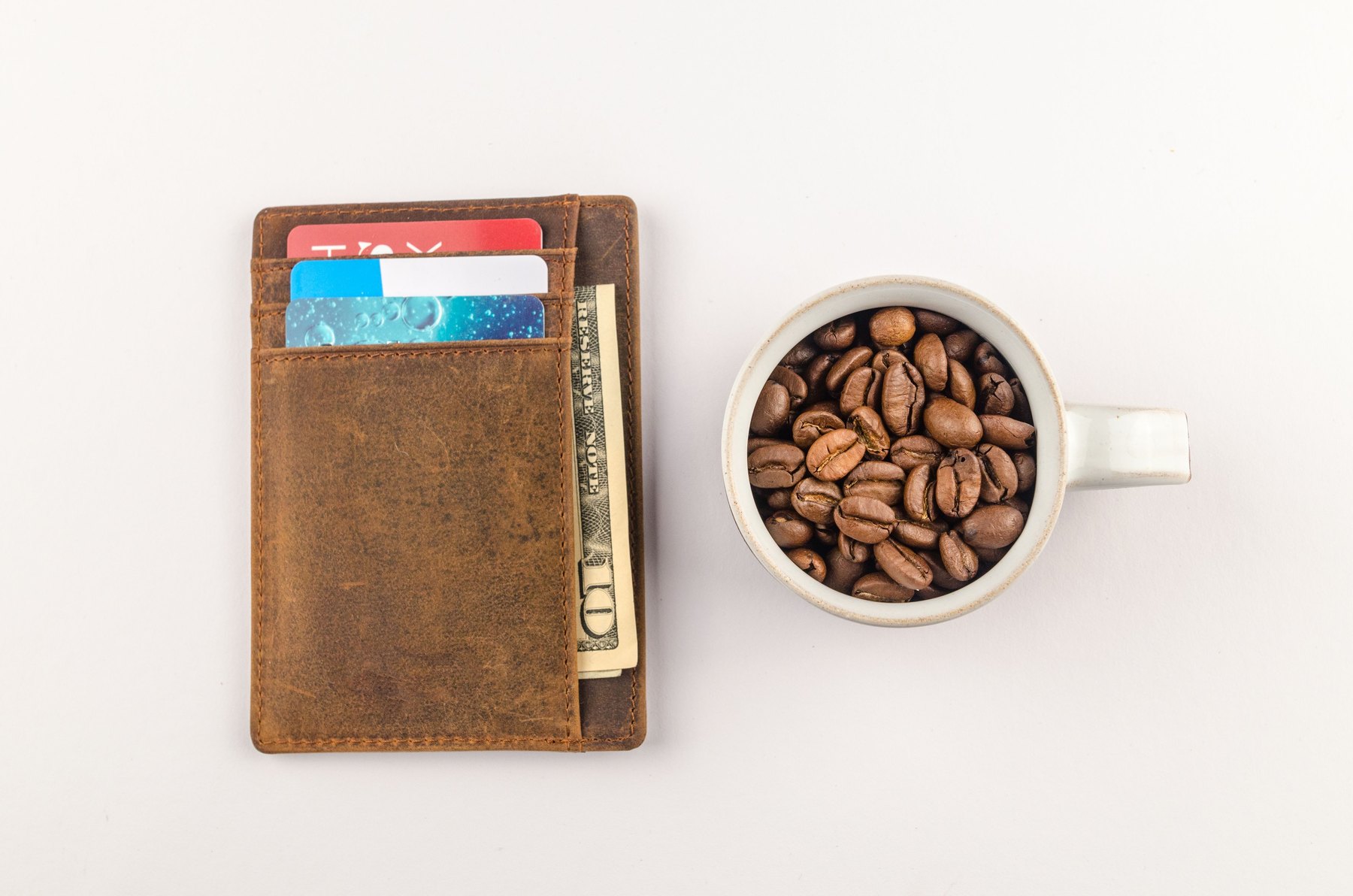
When you buy something weekly or daily, the “real” cost is the total over a season. Use this simple math:
- Extra cost per drink x drinks per week x weeks in season = extra seasonal cost
Below are examples using a hypothetical price increase per drink. These are not current prices for any specific brand. They are realistic scenarios to show how the math works.
| Price increase per drink | Frequency | Season length | Extra cost for the season |
|---|---|---|---|
| $0.25 | 2 per week | 10 weeks | $5.00 |
| $0.50 | 3 per week | 12 weeks | $18.00 |
| $1.00 | 5 per week | 12 weeks | $60.00 |
| $1.50 | 7 per week | 12 weeks | $126.00 |
That is only the increase. If your drink is $6 to $8 and you buy it often, the total seasonal spend can be several hundred dollars. That is where budgeting and credit decisions start to matter.
Hidden multipliers that make the total bigger
- Add-ons – alternative milk, extra shot, cold foam, whipped cream, flavored drizzle.
- Bundling – pastry or breakfast item turns a $7 stop into a $14 stop.
- Delivery – delivery fees and tips can double the cost of a single drink.
- Impulse frequency – “just this week” becomes a daily routine.
How to decide if it is a budget problem or a preference
A price increase is not automatically a problem. It becomes a problem when it pushes you into using credit for everyday purchases, missing bills, or delaying goals like emergency savings.
Quick decision rules
- If you carry a credit card balance, treat frequent coffee runs as a line item to cap. Interest can turn small treats into expensive habits.
- If you are behind on essentials like rent, utilities, or minimum debt payments, pause nonessential spending until you catch up.
- If you are stable and meeting savings goals, you can budget for it intentionally. The key is planning, not drifting.
A simple “coffee affordability” check
Try this monthly rule of thumb: keep convenience food and drinks (coffee, snacks, takeout) within a set cap you can afford after essentials and debt minimums. Many people start with 2% to 5% of take-home pay and adjust based on goals.
Example: If your take-home pay is $3,500 per month, 3% is $105. If coffee and snacks are already $180, a price increase may be the nudge to tighten the cap.
Comparison: ways to keep the fall flavor without overspending
You do not have to choose between “never buy it” and “buy it every day.” Here are recognizable options people use, with what to compare and the tradeoffs.
| Option | Best fit | What to compare | Main drawback |
|---|---|---|---|
| Starbucks (in-app offers and rewards) | You already go often and can use promotions | Reward value, offer frequency, add-on pricing | Easy to overspend with add-ons and food |
| Dunkin’ (seasonal drinks and deals) | You want a lower cost chain alternative | Drink size, customization fees, deal days | Deals vary by location and app |
| McCafé at McDonald’s | You want convenience and usually lower pricing | Consistency, size, limited customization | Fewer specialty options than coffee chains |
| Peet’s Coffee (seasonal menu) | You prefer stronger coffee taste and premium options | Price per ounce, milk alternatives, app offers | Not available everywhere |
| Homemade (Nespresso, Keurig, drip, or French press) | You want the lowest cost per drink over time | Upfront equipment cost, pod cost, ingredient cost | Requires planning and cleanup |
| Grocery store ready-to-drink (bottled PSL style drinks) | You want convenience without café pricing | Cost per serving, sugar content, serving size | Can be easy to overconsume at home |
Practical ways to lower the per-drink cost
- Order size down: a tall or small often scratches the itch.
- Skip one add-on: choose either alternative milk or cold foam, not both.
- Set “PSL days”: for example, Fridays only.
- Use app offers intentionally: only load what you plan to spend that week.
- Make a copycat at home: pumpkin pie spice, cinnamon, milk, coffee, and a small amount of sweetener.
Budgeting with real numbers: three sample monthly plans
Below are three sample allocations that show how a seasonal treat can fit into a budget without taking over. These are examples to help you build your own plan. Adjust for your income, bills, and debt.
Scenario 1: Tight budget with credit card payoff focus (take-home pay $2,800)
- Rent and utilities: $1,350
- Groceries: $350
- Transportation: $250
- Insurance and phone: $220
- Minimum debt payments: $200
- Extra credit card payment: $180
- Emergency fund: $100
- Seasonal coffee budget: $30
- Other spending: $120
Total: $2,800
Decision rule: If you are paying interest on revolving debt, keep seasonal treats small and planned. You can still enjoy it, but you are buying progress too.
Scenario 2: Moderate budget with balanced goals (take-home pay $4,200)
- Rent and utilities: $1,800
- Groceries: $500
- Transportation: $350
- Insurance and phone: $300
- Debt payments: $250
- Retirement or investing: $400
- Emergency fund: $250
- Seasonal coffee budget: $80
- Dining and fun: $470
Total: $4,200
Decision rule: If you are meeting savings targets, you can set a realistic coffee cap and enjoy it without guilt. Track it weekly so it does not merge into dining out.
Scenario 3: Higher income with aggressive saving (take-home pay $6,500)
- Mortgage or rent and utilities: $2,400
- Groceries: $650
- Transportation: $500
- Insurance and phone: $450
- Debt payments: $300
- Retirement or investing: $1,500
- Emergency fund or sinking funds: $500
- Seasonal coffee budget: $120
- Other spending: $80
Total: $6,500
Decision rule: Even with higher income, small recurring spending can crowd out big goals. A cap keeps lifestyle creep from becoming automatic.
Timeline decision rules: when a latte habit affects bigger money goals
A pumpkin spice latte is not a “loan decision,” but it can influence whether you need to borrow for emergencies or rely on credit cards. Use these timeline rules to connect small spending to big outcomes.
Under 1 year
- Prioritize cash flow stability: rent, utilities, groceries, transportation.
- Build a starter emergency fund: often $500 to $1,000 if you are starting from zero.
- If you are using credit cards for basics, reduce discretionary spending first, including frequent coffee runs.
1 to 3 years
- Work toward 3 to 6 months of essential expenses in emergency savings.
- Pay down high-interest debt faster if possible.
- Set sinking funds for predictable costs (car repairs, gifts, travel) so you do not reach for credit.
3 to 7 years
- Focus on bigger goals like a car replacement fund, moving costs, or a home down payment.
- Audit recurring spending quarterly. Small subscriptions and daily purchases can slow progress.
7+ years
- Long-term investing and retirement contributions matter more than seasonal spending, but habits still shape your savings rate.
- If you enjoy premium treats, plan them into a sustainable lifestyle budget rather than relying on debt.
A checklist to keep coffee spending from turning into credit card debt
Use this checklist if you notice your coffee spending creeping up, especially after a price increase.
| Check | What to look for | Action if it is happening |
|---|---|---|
| You are surprised by your monthly total | Coffee and snacks are not tracked | Review the last 30 days of transactions and set a weekly cap |
| You use credit for small purchases | Balance carries month to month | Switch to cash or debit for treats until the balance is paid down |
| Add-ons are the real cost driver | Alternative milk, foam, extra shots | Pick one upgrade per drink, not multiple |
| Food bundling doubles the spend | Pastry or sandwich “just because” | Eat breakfast at home and buy only the drink |
| Convenience is the trigger | Buying because you are rushed | Prep coffee at home 2 to 4 days per week |
If you are already stretched: safer ways to cover shortfalls
If a price increase is pushing you into overdrafts or credit card reliance, the bigger issue is usually a cash flow gap. Before taking on new debt for everyday spending, consider steps that can reduce costs or stabilize bills:
- Call your credit card issuer and ask about hardship options or a lower APR if you are struggling to keep up. Terms vary.
- Review overdraft settings and opt into alerts so small purchases do not trigger large fees.
- Prioritize essentials and set a temporary “treat pause” while you catch up.
- Check your credit reports for errors that could affect borrowing costs.
Helpful resources:
- Consumer Financial Protection Bureau (CFPB) for guidance on credit cards, debt, and consumer protections.
- Federal Trade Commission (FTC) consumer advice for tips on avoiding scams and managing money decisions.
- AnnualCreditReport.com to review your credit reports.
- FDIC for information on insured bank accounts and consumer resources.
A practical plan for PSL season
If you want a simple system that works even when prices rise, try this:
- Pick your season budget (example: $120 for 12 weeks).
- Convert it to a weekly cap (example: $10 per week).
- Choose your “must-have” days (example: one café PSL per week).
- Fill the rest with lower-cost substitutes (home coffee with pumpkin spice, or a smaller size).
- Track only one number: weekly spend. If you go over, reduce next week.
Example: a $10 per week PSL plan
- 1 café PSL: $7 to $9 depending on size and add-ons
- Home coffee the other days: use cinnamon or pumpkin pie spice and milk
- Skip food add-ons unless it replaces a meal you would buy anyway
The point is not to eliminate enjoyment. It is to keep a seasonal price increase from quietly turning into a year-round spending pattern that competes with your priorities.
Key takeaways
- A pumpkin spice latte cost increase matters most when it changes your frequency, add-ons, or bundling habits.
- Small per-drink increases can add up over a 10 to 12 week season, especially with daily purchases.
- Use a weekly cap, reduce add-ons, and plan specific “treat days” to keep spending predictable.
- If you are carrying credit card debt or missing essentials, treat discretionary spending as the first place to tighten.


