

Renovations That Increase Home Value and How Much They Cost

Renovations that increase home value tend to be the ones that fix functional problems, modernize key rooms, and improve efficiency without over-customizing.
Contents
22 sections
-
How to think about ROI on home renovations
-
Timeline rules: under 1 year, 1 to 3 years, 3 to 7 years, 7+ years
-
Renovations that increase home value: top projects and typical costs
-
1) Kitchen upgrades that tend to pay off
-
2) Bathroom improvements buyers notice
-
3) Curb appeal: the fastest "first impression" wins
-
4) Flooring and paint: simple, but powerful
-
5) Repairs and systems: not glamorous, but they protect value
-
6) Energy efficiency upgrades
-
Budgeting: what this looks like with real numbers
-
Scenario A: $10,000 "sell soon" refresh (under 1 year)
-
Scenario B: $35,000 "livable upgrade" plan (1 to 3 years)
-
Scenario C: $90,000 "major improvements" plan (3 to 7 years)
-
How to avoid over-improving your home
-
Financing options for renovations (and what to compare)
-
Common ways homeowners pay for renovations
-
When each option can make sense (simple rules)
-
What lenders and banks often look at
-
Permits, contracts, and payment safety
-
Quick project prioritization checklist
-
How to estimate your renovation budget in 30 minutes
-
Bottom line
The tricky part is that “best” projects depend on your neighborhood, your home’s current condition, and how long you plan to stay. A $30,000 kitchen refresh may help a lot in one market and be overkill in another. This guide breaks down common value-boosting renovations, what they typically cost, how to prioritize, and how to pay for them with real-number examples.
How to think about ROI on home renovations
Home improvement ROI is rarely a straight line. The goal is usually to increase buyer appeal and reduce objections, not to “make money” on every dollar spent. Use these decision rules to avoid expensive mistakes:
- Fix first, beautify second. Roof leaks, old wiring, plumbing issues, and moisture problems can scare buyers and appraisers.
- Match your neighborhood. If most nearby homes have laminate counters, a luxury chef’s kitchen may not pay back.
- Prioritize broad appeal. Neutral finishes, good lighting, and durable materials often beat trendy designs.
- Keep the floor plan functional. Removing a bedroom or only bathroom can reduce value even if the space looks nicer.
- Document improvements. Save permits, invoices, and before-and-after photos for appraisals and future buyers.
Timeline rules: under 1 year, 1 to 3 years, 3 to 7 years, 7+ years
- Under 1 year (selling soon): Focus on low-disruption, high-visibility updates: paint, lighting, minor kitchen and bath refreshes, curb appeal, repairs, deep cleaning, and flooring fixes.
- 1 to 3 years: Add targeted upgrades that improve daily living and resale: midrange kitchen refresh, bathroom update, energy efficiency improvements, and replacing worn roof or HVAC if near end of life.
- 3 to 7 years: Consider bigger projects if they solve real limitations: finishing a basement, adding a bathroom, improving layout, or major exterior upgrades.
- 7+ years: You can justify projects with longer payback like solar, high-end windows, or major additions if they fit your lifestyle and local market.
Renovations that increase home value: top projects and typical costs
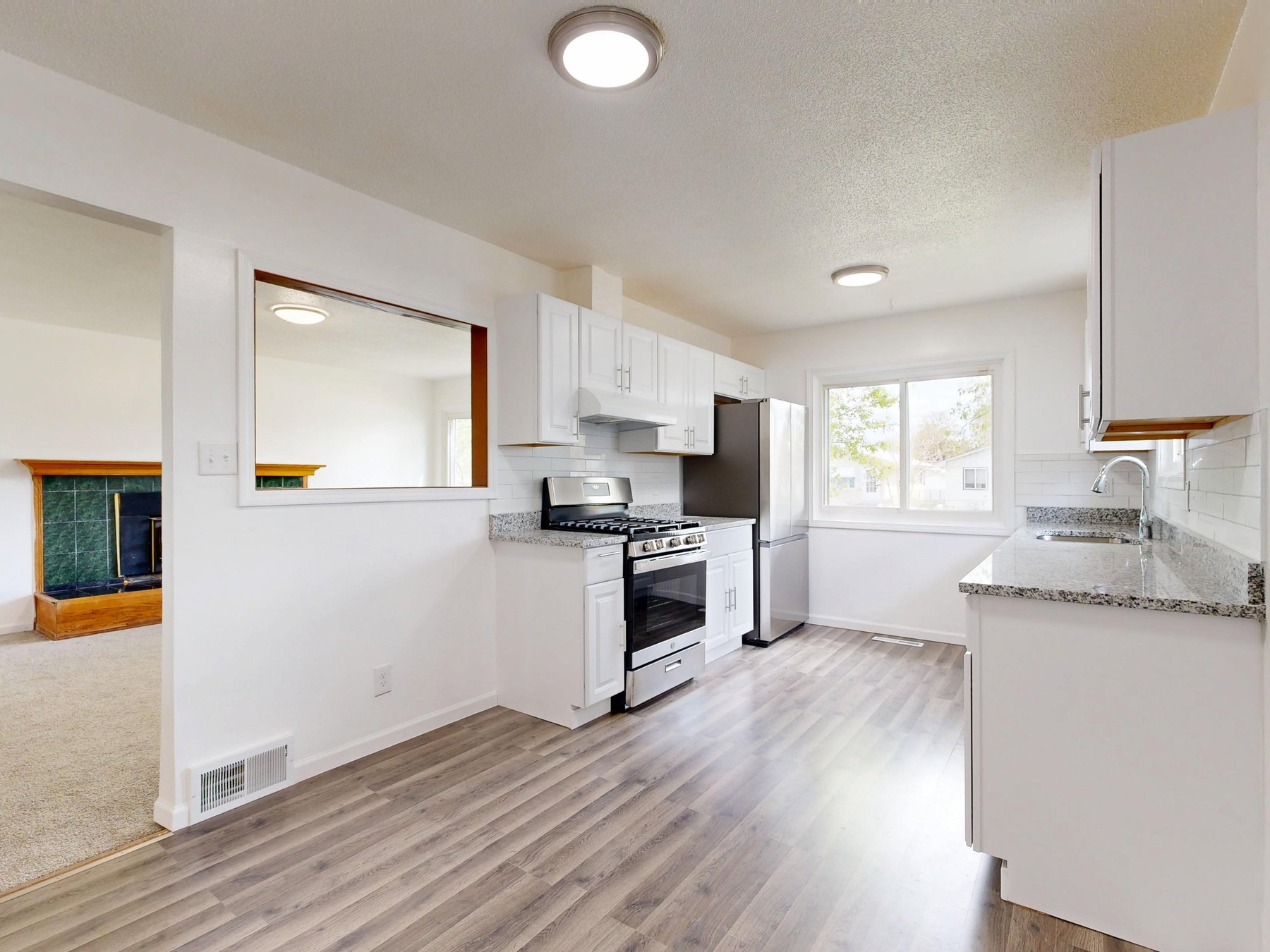
Costs vary widely by location, materials, and labor. The ranges below are broad planning numbers for many US markets. Get multiple bids and confirm what is included (demo, disposal, permits, finish materials, and contingencies).
| Project | Why it helps value | Typical cost range | Good “value” approach |
|---|---|---|---|
| Interior paint (whole house or key rooms) | Fresh, clean look; neutralizes bold colors | $1,500 to $8,000+ | Neutral walls, crisp trim; fix nail pops and cracks first |
| Minor kitchen refresh | Kitchen is a top buyer focus | $5,000 to $25,000 | Paint or refinish cabinets, new hardware, updated lighting, durable counters |
| Midrange kitchen remodel | Improves function and perceived quality | $25,000 to $75,000+ | Keep layout if possible; choose midrange appliances and timeless finishes |
| Bathroom refresh (cosmetic) | Clean, modern bath reduces buyer objections | $3,000 to $15,000 | New vanity, fixtures, mirror, lighting; regrout and recaulk |
| Bathroom remodel (full) | Upgrades plumbing, ventilation, and finishes | $10,000 to $40,000+ | Prioritize ventilation, waterproofing, and durable tile choices |
| Flooring replacement | Creates consistent, updated look | $3,000 to $20,000+ | Refinish hardwood when possible; use quality LVP in basements |
| Exterior paint or siding repair | Curb appeal and weather protection | $3,000 to $20,000+ | Address rot and prep work; choose neutral exterior colors |
| Roof replacement | Reduces inspection issues; protects structure | $8,000 to $25,000+ | Replace when near end of life; keep warranty paperwork |
| HVAC replacement | Comfort, efficiency, and buyer confidence | $6,000 to $18,000+ | Right-size system; keep maintenance records |
| Energy efficiency (insulation, air sealing) | Lower bills and improved comfort | $1,000 to $10,000+ | Start with an energy audit; seal leaks before adding insulation |
| Deck or patio | Outdoor living space is widely appealing | $4,000 to $25,000+ | Choose low-maintenance materials; ensure proper footings and permits |
| Garage door replacement | High-visibility curb appeal upgrade | $1,200 to $4,500 | Insulated door in cold climates; match home style |
| Front door replacement | First impression, security, energy performance | $500 to $3,500+ | Steel or fiberglass; upgrade lockset and weatherstripping |
1) Kitchen upgrades that tend to pay off
Kitchens sell homes, but full gut remodels can be expensive and slow. Often, a “refresh” delivers most of the visual impact for a fraction of the cost.
- High-impact, lower-cost: paint cabinets, swap hardware, add under-cabinet lighting, replace faucet, update backsplash, install a modern sink.
- Midrange upgrades: new counters, new appliances, improved layout only if it fixes a real problem (like no prep space).
- Watch-outs: custom cabinets, luxury appliances, and moving plumbing or gas lines can balloon costs and may not match neighborhood expectations.
2) Bathroom improvements buyers notice
Bathrooms signal cleanliness and maintenance. A dated bath can feel like a big future expense to buyers.
- Value moves: new vanity top, updated lighting, modern mirror, fresh caulk and grout, new toilet seat, upgraded showerhead.
- Must-do quality items: proper waterproofing, good ventilation, and fixing any leaks or soft subfloor.
- Accessibility: a curbless shower or wider doorway can broaden appeal in some markets, but keep finishes neutral.
3) Curb appeal: the fastest “first impression” wins
Curb appeal upgrades can be relatively affordable and help online listing photos stand out.
- Landscaping cleanup, mulch, and trimmed shrubs
- Updated house numbers, mailbox, and exterior lighting
- Power washing siding, walkways, and driveway
- Front door paint or replacement
- Garage door replacement if the current one is dented or outdated
4) Flooring and paint: simple, but powerful
Fresh paint and consistent flooring can make a home feel newer and larger. If your home has a mix of worn carpet and mismatched flooring, a cohesive update often improves buyer perception.
- Refinish hardwood when possible instead of replacing.
- Use moisture-friendly materials in basements and entryways.
- Avoid overly bold choices that limit buyer appeal.
5) Repairs and systems: not glamorous, but they protect value
Buyers and inspectors focus on big-ticket items. Replacing an aging roof or HVAC may not “wow” anyone, but it can reduce negotiation pressure and appraisal concerns.
- Roof near end-of-life, active leaks, missing shingles
- Old HVAC with frequent repairs or poor performance
- Electrical issues like outdated panels or unsafe wiring (hire a licensed electrician)
- Plumbing leaks, slow drains, or water heater near end of life
6) Energy efficiency upgrades
Efficiency improvements can increase comfort and lower utility bills, which some buyers value highly. Start with the building envelope.
- Start here: air sealing, attic insulation, duct sealing, weatherstripping.
- Then consider: efficient HVAC, smart thermostat, and higher-performance windows if existing windows are failing.
For potential tax credits and rules that can change year to year, verify details on the IRS site: https://www.irs.gov/credits-deductions/energy-efficient-home-improvement-credit.
Budgeting: what this looks like with real numbers
Below are three sample renovation budgets. These are examples to help you plan, not quotes. Always add a contingency for surprises, especially in older homes.
Scenario A: $10,000 “sell soon” refresh (under 1 year)
- $3,000 interior paint touch-ups and trim
- $2,000 lighting updates and electrician fixes
- $2,500 landscaping, power wash, curb appeal items
- $1,500 minor bathroom refresh (fixtures, mirror, caulk, hardware)
- $1,000 contingency
Total: $10,000
Scenario B: $35,000 “livable upgrade” plan (1 to 3 years)
- $18,000 minor to midrange kitchen refresh (counters, sink, faucet, lighting, cabinet paint)
- $7,000 flooring replacement in main living areas
- $5,000 bathroom refresh
- $3,000 insulation and air sealing
- $2,000 contingency
Total: $35,000
Scenario C: $90,000 “major improvements” plan (3 to 7 years)
- $45,000 midrange kitchen remodel
- $20,000 roof replacement
- $15,000 full bathroom remodel
- $5,000 deck or patio upgrade
- $5,000 contingency
Total: $90,000
How to avoid over-improving your home
Over-improving means spending more than your market is likely to reward. Use this quick checklist before you commit:
- Check nearby sold listings for finish level and features. If most homes have standard finishes, keep yours comparable.
- Estimate your “ceiling price.” If top sales in your neighborhood cluster around a number, a luxury remodel may not lift you above it.
- Prioritize missing basics. If comparable homes have two bathrooms and you have one, adding a bath may matter more than premium tile.
- Don’t remove bedrooms. Converting a bedroom into a closet room or office can reduce buyer pool.
- Keep permits in mind. Unpermitted work can create appraisal, insurance, or resale issues.
| Question | If YES | If NO |
|---|---|---|
| Is there a safety or water issue (roof leak, mold, wiring)? | Fix first, even if it uses most of the budget | Move to high-visibility updates |
| Will this project bring you in line with nearby comps? | More likely to support resale value | Scale back finishes or scope |
| Does the project improve functionality (storage, layout, second bath)? | Higher chance buyers will pay for it | Consider a cosmetic refresh instead |
| Are you planning to sell within 12 months? | Choose fast, low-risk projects with broad appeal | You can consider longer-payback upgrades |
| Do you have at least a 10% to 20% contingency for surprises? | Lower risk of budget blowouts | Reduce scope or delay until you can |
Financing options for renovations (and what to compare)
Paying cash can avoid interest, but it is not always the best move if it drains your emergency fund. Financing can spread costs out, but APR, fees, and repayment terms matter. Compare at least three offers and look closely at total cost over time.
Common ways homeowners pay for renovations
| Financing option | Best fit | What to compare | Main drawback |
|---|---|---|---|
| Cash savings | Small projects; strong emergency fund remains | Impact on cash reserves; opportunity cost | Can leave you cash-poor if surprises hit |
| 0% intro APR credit card (promo period) | Short projects you can repay within promo window | Promo length, post-promo APR, fees, contractor acceptance | High APR after promo; requires payoff discipline |
| Personal loan (unsecured) | Mid-size projects; fixed payments | APR, origination fee, term length, prepayment policy | Rates can be higher than secured options |
| Home equity loan | Large, one-time project; fixed rate and term | APR, closing costs, loan term, lien position | Uses your home as collateral |
| HELOC (home equity line of credit) | Projects in phases; flexible draw schedule | Variable APR, draw period, repayment terms, fees | Payment can rise if rates increase |
| Cash-out refinance | When refinancing already makes sense | New mortgage APR, closing costs, reset term | You may pay interest for longer on the cash you take out |
| Contractor or retailer financing | Specific items like HVAC, windows, appliances | Promo terms, deferred interest rules, fees | Deferred interest can be costly if not paid on time |
When each option can make sense (simple rules)
- If you can repay within 12 months: cash or a 0% intro APR card can be cost-effective, if you have a payoff plan and keep cash reserves.
- If you need 1 to 5 years: a personal loan or home equity loan may fit, depending on rates and fees.
- If your project is phased over time: a HELOC can match the schedule, but plan for variable-rate risk.
- If you are refinancing anyway: cash-out refinance can be worth comparing, but run the math on total interest and closing costs.
What lenders and banks often look at
Requirements vary, but these items commonly affect your options and pricing:
- Credit score and credit history
- Debt-to-income ratio
- Income documentation
- Home value and existing mortgage balance (for equity-based options)
- Project scope and contractor estimates (sometimes)
If you are planning to apply for credit soon, it can help to review your credit reports for errors first. You can get free copies at https://www.annualcreditreport.com/.
Permits, contracts, and payment safety
Renovation value can disappear quickly if work is unpermitted or poorly documented. A few practical steps can reduce risk:
- Ask your city or county which permits are required for your project type.
- Use a written contract with scope, materials, timeline, and change-order process.
- Pay in milestones tied to completed work, not large upfront payments.
- Keep lien waivers when applicable, especially on larger jobs.
- Watch for common contractor scams and high-pressure tactics. The FTC has practical guidance: https://consumer.ftc.gov/articles/home-improvement-scams.
Quick project prioritization checklist
If you are unsure where to start, run through this order:
- Health and safety: water intrusion, mold, electrical hazards, structural issues.
- Big systems near end-of-life: roof, HVAC, water heater.
- High-visibility basics: paint, flooring, lighting, deep cleaning.
- Kitchen and bath refreshes: focus on function and clean finishes.
- Curb appeal: front door, landscaping, exterior lighting.
- Efficiency: air sealing and insulation, then equipment upgrades.
How to estimate your renovation budget in 30 minutes
- Step 1: List 5 to 10 projects and label each as “must fix” or “nice to have.”
- Step 2: Get ballpark ranges from 2 to 3 local contractors or reputable cost guides, then use the midpoint for planning.
- Step 3: Add a 10% to 20% contingency (closer to 20% for older homes or when opening walls).
- Step 4: Decide your maximum monthly payment if financing, and back into a project scope that fits.
- Step 5: Keep an emergency fund separate from the renovation budget when possible.
Bottom line
The renovations most likely to increase home value are the ones that remove buyer objections, improve function, and make the home feel well-maintained: kitchens and bathrooms (often refreshes), paint and flooring, curb appeal, and critical systems like roofs and HVAC. Start with repairs, set a realistic budget with contingency, and choose financing based on your timeline and cash reserves. For more help understanding home-related borrowing and protections, you can explore resources from the CFPB at https://www.consumerfinance.gov/.


